Sourcing Military Autonomous Systems Components: Ensuring Reliability
Table of Contents
- Why Component Sourcing Determines Mission Outcomes for Autonomous Defense Systems
- Meeting MIL-SPEC and Regulatory Compliance for Autonomous Platforms
- What certifications matter most for military-grade electronic components?
- Managing Supply Chain Risks and Obsolescence Before They Become Crises
- How does obsolescence affect military autonomous system development timelines?
- Selecting the Right Electronic Components for Military Autonomous Vehicles
- What factors determine component selection for military autonomous vehicles?
- Verifying Authenticity and Traceability for High-Reliability Applications
- How do environmental factors influence component selection?
- What lead times should programs expect for specialized military-grade components?
- Do military autonomous system components require specialized packaging?
- Partner with SPARKLE ELECTRONICS CO., LIMITED for Defense Component Sourcing
Securing reliable electronic components for military autonomous systems directly impacts national security and operational effectiveness. These platforms, from unmanned aerial vehicles to robotic ground systems, demand components that perform under conditions that would destroy commercial-grade parts. In defense electronics supply chains, meticulous sourcing is a strategic imperative for system integrity and mission success, not merely a procurement task.
Why Component Sourcing Determines Mission Outcomes for Autonomous Defense Systems
Military autonomous systems operate in environments that commercial electronics never encounter: temperature swings from -55°C to +125°C, sustained vibration profiles that exceed 20g, radiation exposure at altitude, and electromagnetic interference from nearby weapons systems. A single component failure in these conditions can compromise an entire mission, endanger personnel, or result in the loss of a platform worth tens of millions of dollars.
The embedded systems driving military AI applications depend on processing units and memory solutions that maintain data integrity and computational speed without degradation over thousands of operating hours. When I evaluate components for defense programs, the question is never whether a part will work in a lab, but whether it will work after three years of deployment in conditions the original designers never anticipated. Every component contributes to the overall resilience of the defense electronics supply chain, and sourcing decisions made today determine operational readiness five or ten years from now.
Meeting MIL-SPEC and Regulatory Compliance for Autonomous Platforms
Compliance with military specifications is non-negotiable for electronic components destined for autonomous defense platforms. MIL-SPEC standards define the design, manufacturing, testing, and quality assurance protocols required for performance in harsh military conditions. Components must meet specific MIL-PRF (Performance Specification) or MIL-STD (Standard) requirements governing temperature ranges, shock resistance, and electromagnetic compatibility.
Beyond MIL-SPEC, ITAR (International Traffic in Arms Regulations) and DFARS (Defense Federal Acquisition Regulation Supplement) dictate how defense-related components are handled, sourced, and protected. Violations carry severe legal consequences and can disqualify suppliers from future defense work. SPARKLE ELECTRONICS CO., LIMITED sources 5962-series, JANTX/JANTXV, and QML-qualified devices, ensuring that every component meets the stringent compliance demands of critical defense applications.
What certifications matter most for military-grade electronic components?
MIL-PRF specifications define performance criteria for specific component types, while MIL-STD covers test methods and design practices. QML (Qualified Manufacturers List) certification confirms that manufacturers meet strict quality standards for their production processes. ITAR and DFARS compliance governs export controls and domestic procurement requirements for defense articles. The table below summarizes the primary standards:
| Standard Type | Description | Key Focus |
|---|---|---|
| MIL-SPEC | Military Specifications | Performance, reliability, interoperability |
| MIL-STD | Military Standards | Test methods, design practices, processes |
| MIL-PRF | Performance Specifications | Specific component performance criteria |
| MIL-HDBK | Handbooks | Guidance, best practices, data |
| QML | Qualified Manufacturers List | Manufacturer quality and process control |
Managing Supply Chain Risks and Obsolescence Before They Become Crises
The defense electronics supply chain faces component obsolescence, geopolitical instability, and counterfeit part proliferation as constant threats. Military systems often remain operational for 20 to 30 years, far exceeding the typical 5 to 7 year commercial availability window for their original components. Without proactive management, programs face costly redesigns or degraded capability.
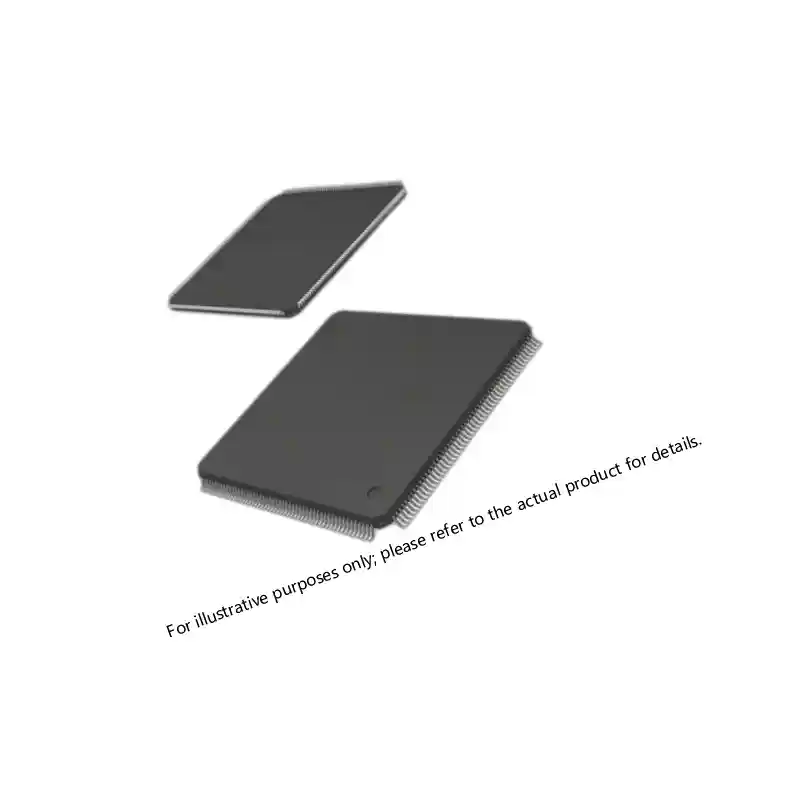
Effective obsolescence management requires long-term forecasting, last-time buy opportunities, and identification of form-fit-function replacements before original parts disappear from the market. A naval communication system program I supported faced immediate obsolescence of a critical FPGA. Our team at SPARKLE ELECTRONICS CO., LIMITED worked with the program manager to secure a last-time buy providing a 10-year supply buffer. That single procurement decision avoided a system redesign that would have cost an estimated $2 million in rework and delayed the program by 18 months. Specialized inventory and a global supplier network make this kind of long-term support possible.
How does obsolescence affect military autonomous system development timelines?
Obsolescence forces developers to secure components for system lifecycles spanning decades. Without effective strategies, programs face redesigns that can add 12 to 24 months to schedules, extended lead times for replacement parts, or reliance on less reliable alternatives. The cost impact compounds when multiple subsystems require simultaneous component changes.
Selecting the Right Electronic Components for Military Autonomous Vehicles
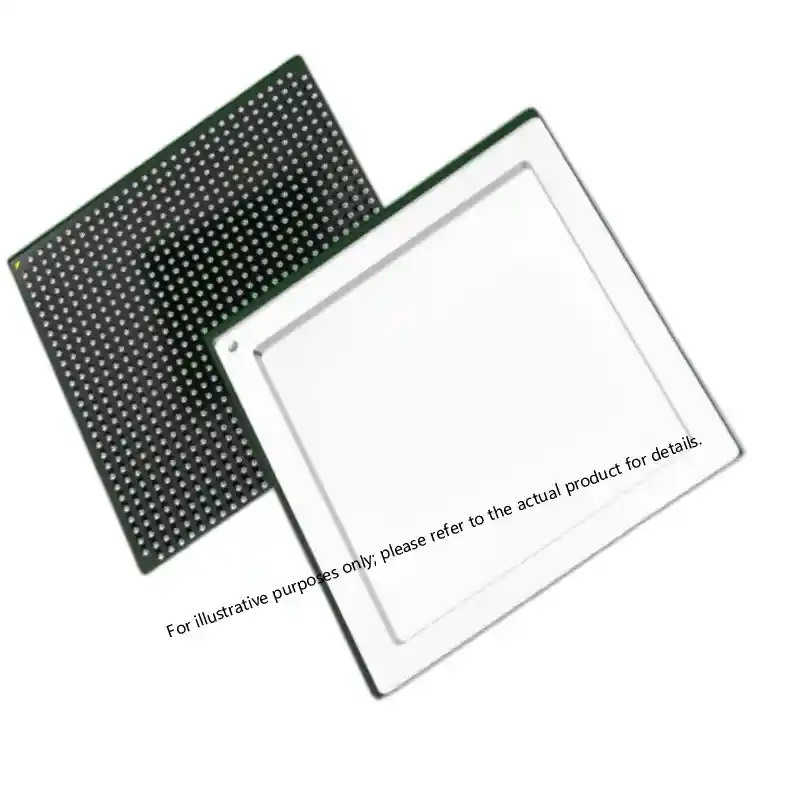
Military autonomous vehicles depend on specific component categories to execute their missions. Field-Programmable Gate Arrays (FPGAs) provide reconfigurable hardware for real-time signal processing, sensor fusion, and control logic. A single FPGA can replace dozens of discrete logic devices while allowing field updates to adapt to new threats or mission requirements.
Digital Signal Processors (DSPs) handle complex algorithms for image recognition, navigation, and communication. High-speed Analog-to-Digital Converters (ADCs) and Digital-to-Analog Converters (DACs) interface with sensors and actuators, translating real-world data into digital signals with precision measured in parts per million. Power management ICs ensure efficient and stable power delivery to all subsystems under fluctuating environmental conditions, where voltage sags or spikes can corrupt data or damage downstream components. SPARKLE ELECTRONICS CO., LIMITED maintains inventory of FPGAs, DSPs, high-speed ADC/DAC devices, and other defense IC categories from qualified manufacturers.
What factors determine component selection for military autonomous vehicles?
Environmental ruggedness for temperature extremes and vibration profiles comes first. Radiation hardening matters for space or high-altitude operations where single-event upsets can corrupt memory or logic states. Long-term availability addresses obsolescence risk over the system’s operational life. MIL-SPEC compliance ensures components meet documented performance standards. Processing speed, power efficiency, and data integrity determine whether the system can execute its mission algorithms in real time.
Verifying Authenticity and Traceability for High-Reliability Applications
Counterfeit components in military systems create risks that extend beyond financial loss. A counterfeit microprocessor that fails during a combat mission can cost lives. The defense industry has documented cases where remarked commercial parts, sold as military-grade devices, failed under temperature or vibration conditions they were never designed to withstand.
Rigorous counterfeit detection requires working exclusively with trusted foundry sources, implementing quality assurance protocols that include electrical testing and physical inspection, and demanding complete traceability documentation from the original manufacturer to the point of integration. On several programs, our team has conducted verification including detailed documentation checks and independent laboratory testing to confirm the provenance of critical microprocessors. This process adds time to procurement cycles, but the outcome is measurable: zero reported counterfeit incidents in components we have supplied, directly contributing to uninterrupted operational readiness across multiple defense programs.
How do environmental factors influence component selection?
Temperature extremes, vibration, shock, and radiation exposure require components designed and tested for those specific stressors. A commercial-grade processor rated for 0°C to 70°C will fail in an application requiring -40°C to +85°C operation. Radiation-hardened components use specialized manufacturing processes that add cost but prevent single-event latchup or total ionizing dose degradation in space or high-altitude environments.
What lead times should programs expect for specialized military-grade components?
Lead times range from 16 weeks to over 52 weeks depending on the component type, qualification level, and manufacturer capacity. Radiation-hardened FPGAs and space-grade memory devices often sit at the longer end of that range. If your program requires components with extended lead times, discussing requirements early allows time to identify inventory sources or schedule production slots.
Do military autonomous system components require specialized packaging?
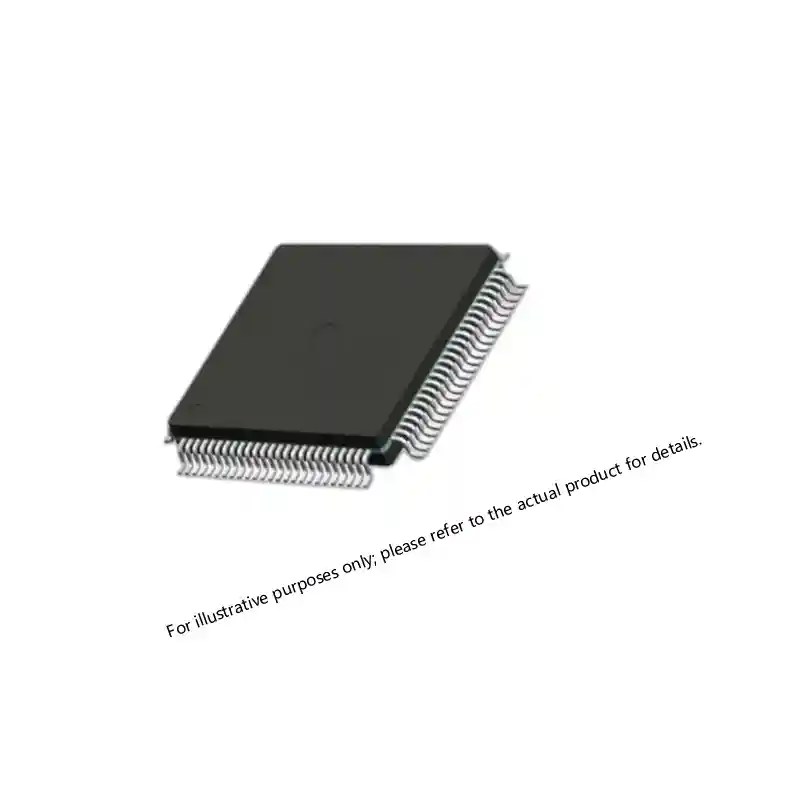
Hermetic sealing protects die and bond wires from moisture and contamination over decades of storage and operation. Ceramic packages provide better thermal performance and reliability than plastic alternatives. Specific surface-mount configurations meet MIL-SPEC requirements for solder joint integrity under thermal cycling and vibration. Packaging selection depends on the operating environment and the system’s reliability requirements.
Partner with SPARKLE ELECTRONICS CO., LIMITED for Defense Component Sourcing
To discuss specific requirements for sourcing military autonomous systems components, contact us at xuansc2144@gmail.com or by phone.
If you’re interested, check out these related articles:
A1020B-PG84B ACT2 FPGA: Specs, Sourcing, and Availability
Virtex-7 XC7VX690T: Performance and Reliability Insights