Strategic Military IC Stock: Ensuring Defense Program Continuity
Table of Contents
- Why Strategic Military IC Inventory Has Become Non-Negotiable
- What Supply Chain Risks Does Proactive Stockpiling Actually Address
- How Counterfeit Components Threaten System Integrity
- Where the Economics of Proactive Stockpiling Pay Off
- What to Look for in a Strategic Sourcing Partner
- Frequently Asked Questions
Modern defense systems depend on integrated circuits at every level, from advanced radar arrays to encrypted communication networks. Maintaining defense program continuity requires deliberate management of strategic military IC stock—a proactive approach to inventory that addresses the structural vulnerabilities embedded in global semiconductor supply chains. Without secured access to these components, operational readiness and technological advantage become hostage to forces outside any single program’s control.
Why Strategic Military IC Inventory Has Become Non-Negotiable
Integrated circuits serve as the functional core of every electronic system in military applications. Guidance systems, avionics suites, intelligence platforms, and electronic warfare equipment all depend on IC performance and reliability for mission execution. The global semiconductor supply chain, though, operates under conditions that make specialized military-grade component availability genuinely unpredictable. Geopolitical friction, natural disasters, and sudden demand shifts all introduce discontinuities that standard procurement cannot absorb.
A strategic military IC inventory functions as a buffer against these external pressures. I have watched a single unobtainable component stall a multi-million dollar defense project for months. The national security implications of an insecure supply chain are not theoretical—they manifest as delayed deployments, degraded capabilities, and programs held hostage by market conditions no defense planner can control.
What Supply Chain Risks Does Proactive Stockpiling Actually Address
Proactive stockpiling targets several persistent threats that defense programs face regardless of budget or priority status.
Component obsolescence remains a constant pressure for systems with operational lifecycles measured in decades. Manufacturers discontinue production of older parts on commercial timelines that rarely align with military sustainment requirements. Extended lead times, often exceeding twelve months for specialized military-grade components, can delay critical upgrades and deployments even when parts remain in production. Unpredictable supply disruptions—factory fires, export restrictions, capacity reallocations—introduce uncertainty that no amount of planning can fully eliminate.
Maintaining a strategic inventory addresses these risks directly. This approach ensures long-term availability for MIL-SPEC devices designed to meet stringent military standards for reliability and performance. It also supports program lifecycle requirements, allowing systems to remain operational and upgradeable across their full service life.
| Risk Category | Impact on Defense Programs | Proactive Mitigation Strategy |
|---|---|---|
| Obsolescence | System redesign, production halts | Lifetime buys, strategic inventory |
| Long Lead Times | Project delays, increased costs | Buffer stock, supplier agreements |
| Supply Disruptions | Operational downtime, security gaps | Diversified sourcing, secure stockpiles |
| Counterfeits | System failure, integrity compromise | Traceability, rigorous authentication |
| Geopolitical Instability | Restricted access, supply chain shocks | Domestic/trusted supplier networks |
How Counterfeit Components Threaten System Integrity
The integrity of military systems depends on the authenticity and quality of every component in the assembly. Counterfeit or substandard integrated circuits create unacceptable risk profiles, potentially leading to catastrophic system failure, degraded performance, or compromised security at the most fundamental level.
Component traceability—documenting the origin and chain of custody for every part—is not optional for high-reliability electronics. 5962-series devices (Defense Logistics Agency standard for microcircuits) and JANTX/JANTXV parts (Joint Army Navy Transistor eXtended/eXtended-Voltage) demand the highest levels of assurance throughout their procurement and storage lifecycle. ITAR compliance ensures secure supply chain practices and prevents unauthorized access to sensitive technology.
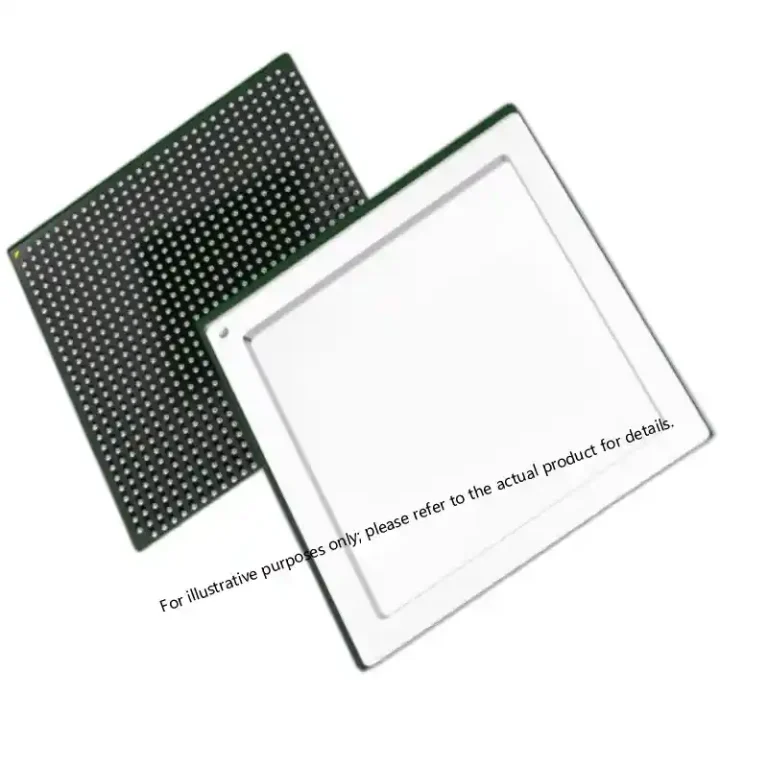
Our team identified a batch of what appeared to be genuine A2F500M3G-FGG484I FPGAs during routine verification. The parts carried correct markings and packaging, but our authentication process confirmed they were remarked devices from a different production run. Catching this before integration prevented a critical system from being built with unreliable components, avoiding potential field failures and costly program recalls.
Where the Economics of Proactive Stockpiling Pay Off
Maintaining a strategic inventory requires upfront investment, but the economics favor proactive approaches over reactive sourcing in nearly every scenario defense programs actually encounter.
Emergency procurement premiums can exceed standard pricing by 300% or more when components become scarce. Production line shutdowns while waiting for parts carry costs that compound daily. Redesigns forced by component unavailability often run into millions of dollars and add years to program timelines. Proactive stockpiling avoids these penalties while ensuring components are available precisely when manufacturing and deployment schedules require them.
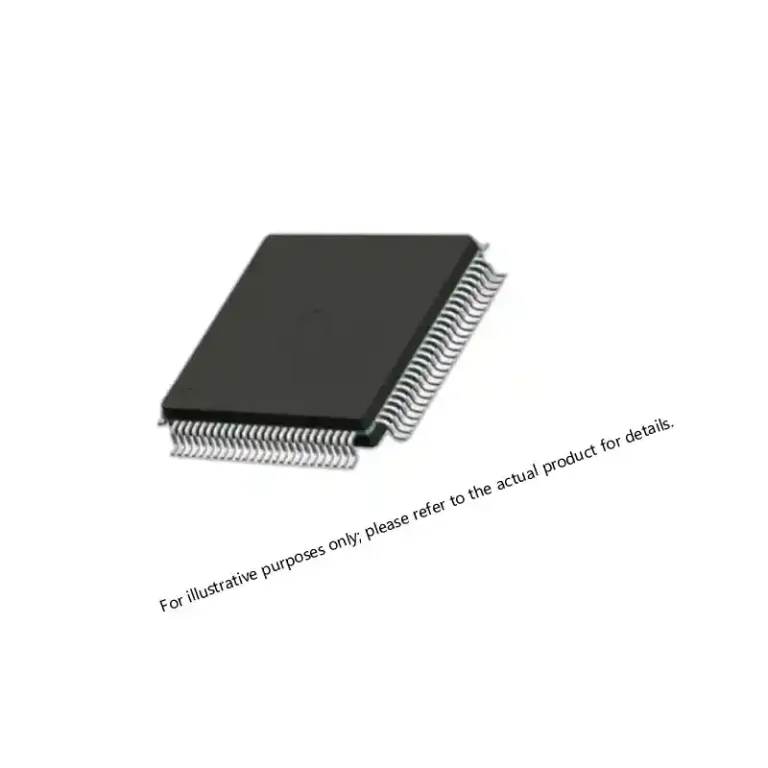
For a long-running missile defense program, we secured a significant quantity of A54SX72A-1CQ208B, a QML-qualified component, years before its anticipated end-of-life announcement. This foresight avoided a projected $5 million in redesign costs and ensured uninterrupted production for an additional seven years. The storage costs over that period represented a fraction of what reactive sourcing would have demanded.
| Aspect | Proactive Stockpiling | Reactive Sourcing |
|---|---|---|
| Cost of Components | Volume discounts, planned pricing | Premium pricing, expedited fees |
| Lead Time | Immediate availability | Extended, unpredictable |
| Program Delays | Minimized, predictable | High risk, frequent |
| Obsolescence Risk | Managed, mitigated | High, requires redesign |
| Supply Security | High assurance, controlled | Low, vulnerable to shocks |
| System Reliability | Enhanced, authentic parts | Risk of counterfeits |
What to Look for in a Strategic Sourcing Partner
Securing critical component sourcing for defense applications requires specialized expertise that general-purpose distributors rarely possess. Partners must demonstrate familiarity with MIL-SPEC, 5962-series, JANTX/JANTXV, and QML-qualified devices. They need proven capability to source FPGA, DSP, and high-speed ADC/DAC components under the documentation and traceability requirements defense programs demand.
Regulatory navigation matters as much as technical knowledge. ITAR compliance, export control awareness, and secure handling protocols all factor into whether a sourcing partner can actually deliver on defense program requirements. If your program involves components with long lead times or approaching obsolescence dates, discussing inventory strategies with a qualified partner before availability becomes critical can prevent the scramble that drives costs up and timelines out.
Frequently Asked Questions
Are strategic IC stockpiles truly cost-effective given storage and obsolescence risks?
The economics consistently favor proactive inventory management for defense programs. Storage costs run a fraction of emergency procurement premiums, and the cost of program delays or forced redesigns typically exceeds inventory carrying costs by an order of magnitude or more. The key is matching inventory levels to realistic program timelines and obsolescence forecasts rather than stockpiling speculatively.
How long should military ICs be stored in a strategic inventory?
Storage duration depends on the specific component’s shelf life characteristics, the program’s operational timeline, and anticipated obsolescence windows. Military-grade components generally maintain reliability for extended periods under proper storage conditions, but each device family has different considerations. Working with distributors who track these variables across their inventory helps match storage planning to actual program needs.
What role do international regulations play in military IC procurement and stockpiling?
ITAR compliance and export controls govern nearly every aspect of military IC procurement and storage. These regulations determine which suppliers can participate, what documentation must accompany each transaction, and how components must be handled throughout their lifecycle. Non-compliance creates legal exposure and can disqualify components from use in controlled programs regardless of their technical suitability. To discuss specific regulatory requirements for your program, contact us at xuansc2144@gmail.com or by phone.
If you’re interested, check out these related articles:
XC7VX485T FPGA: Virtex-7 Performance for Defense
Virtex-7 XC7VX690T: Performance and Reliability Insights
XCKU085 UltraScale FPGA: Performance for Critical Systems
UltraScale KU085 FPGA Specifications for Defense Systems