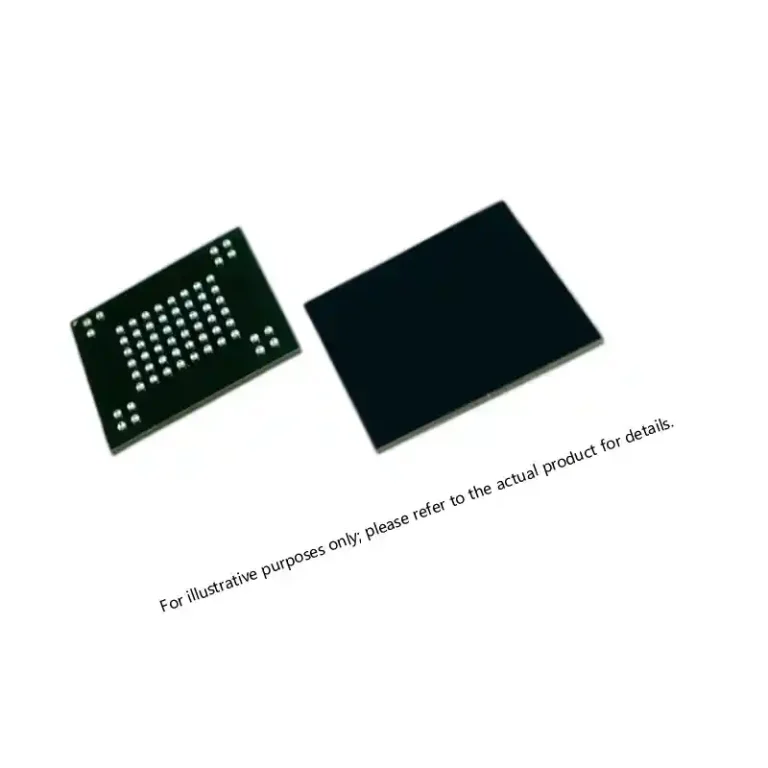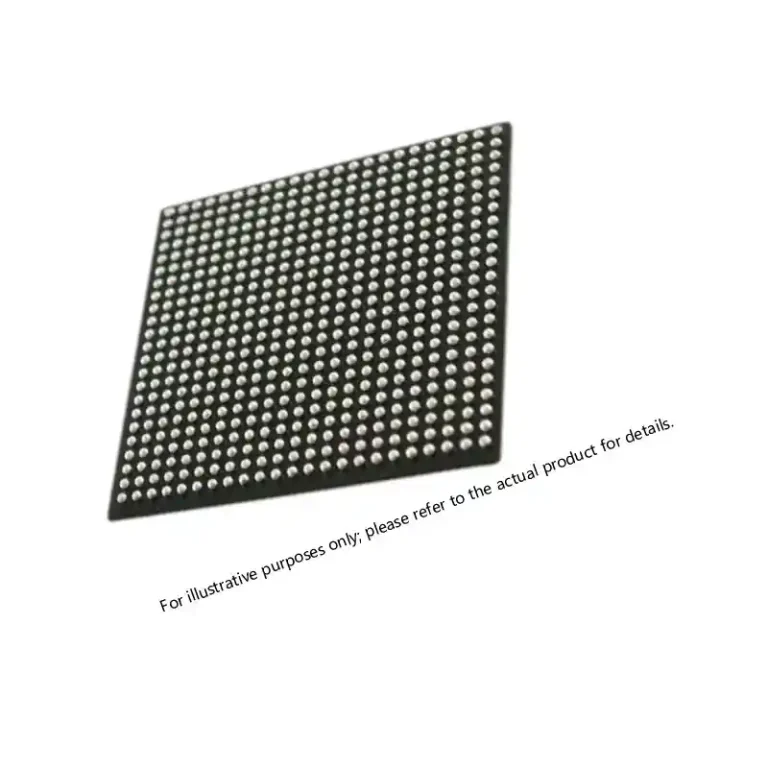

TMS320C6672ACYPA: C6672 1GHz DSP Sourcing Guide
Table of Contents
- TMS320C6672ACYPA Part-Number and Architecture Overview
- Key Device Features for Defense Signal Processing
- Package, Screening, and Configuration Considerations
- Sourcing and Traceability Requirements
- RFQ Checklist and Documentation
- Designing with the C6672: FPGA and Signal-Chain Pairing
- Qualification and Compliance Paths
- End CTA
- Frequently Asked Questions
- What does the ACYPA suffix mean?
- Is TMS320C6672ACYPA automatically qualified to MIL-PRF-38535?
- What temperature range does this device support?
- What should be included in an RFQ for this DSP?
- What documentation should accompany a lot purchase?
- References
The TMS320C6672ACYPA is a dual-core fixed- and floating-point digital signal processor from Texas Instruments, built on the KeyStone multicore architecture and specified for 1 GHz operation in a BGA package [1]. Defense and high-reliability programs continue to evaluate the C6672 platform because it combines C66x DSP cores with high-throughput peripherals and a multicore memory hierarchy suited to radar, electronic warfare, signals intelligence, and secure communications payloads. This guide covers the orderable part-number structure, architecture features, sourcing and traceability requirements, and the documentation to request before committing a hi-rel program to this device.
TMS320C6672ACYPA Part-Number and Architecture Overview
The orderable part number can be read as TMS320 C6672 A CYPA. The C6672 designator identifies a two-core C66x DSP, while the remaining characters identify the package, speed, and orderable device configuration. Because the exact temperature range, package ball count, and qualification path vary by orderable suffix, the full part number should always be cross-checked against the current Texas Instruments product page and device data manual before design lock [1].
The C6672 is built around Texas Instruments KeyStone architecture, which is designed to reduce external bus bottlenecks in multicore signal-processing systems. KeyStone provides a shared memory controller, high-throughput switch fabric, and hardware-managed queues that let DSP cores move data without forcing every transfer through a single bus or external bridge. For defense applications, this matters because wideband acquisition, matched filtering, and spectral processing can demand sustained inter-core and I/O bandwidth rather than only high peak performance [1].
From a procurement standpoint, the TMS320C6672ACYPA should be treated as a high-complexity BGA device. It is not a simple drop-in logic function; it is a multicore processor that requires documented configuration, power sequencing, and thermal planning in the end application. A sourcing decision should therefore include not only the part number but also the supporting collateral a supplier can provide: traceability, lot documentation, and confirmation that the device marks match the orderable code.
Key Device Features for Defense Signal Processing
The C6672 family is widely used in high-performance embedded processing chains because it provides multiple C66x cores in a single package while preserving a familiar DSP programming model. For defense programs, the relevant selection factors are not only core count and clock frequency but also the integration of processor and I/O resources.
The C66x core supports fixed-point and floating-point operation, which is useful in radar and electronic warfare systems that mix filter math, FFT processing, and calibration routines in one application. Rather than forcing a design team to split algorithms across a fixed-point DSP and a separate floating-point processor, the C6672 can handle both types of computation. This simplifies board-level architecture and reduces the number of critical components that must be sourced and screened for a long-duration program [1].
The device also includes high-throughput serial interfaces commonly required in military signal processing: Serial RapidIO, PCIe, and HyperLink. These interfaces allow the C6672 to exchange data with FPGAs, high-speed converters, and external processors. In many defense cards, the C6672 is paired with a high-density FPGA for channelization, beamforming, or preprocessing, while the DSP handles complex detection, tracking, and protocol processing.
Package, Screening, and Configuration Considerations
The CYPA suffix points to a BGA package, but orderable devices should be verified against the manufacturer’s package and thermal drawings. For defense procurement, the package style is only part of the story. A buyer should also confirm whether the specific orderable part is commercial temperature, industrial temperature, extended temperature, or a higher-reliability screened variant. Different speed grades and temperature suffixes exist within the C6672 family, and the part-number suffix must match the program’s environmental and qualification requirement.
If a program requires military-qualified microcircuits, the TMS320C6672ACYPA may not automatically satisfy QML or MIL-PRF-38535 flow requirements. In such cases, the sourcing strategy should include a documented gap analysis: whether the program can accept a commercial-grade BGA part with additional screening, whether an upscreening flow is acceptable, or whether a different qualified processor is required. Upscreening is not a substitute for original manufacturer qualification and should be driven by the program’s reliability engineering and procurement authority [2].
Power and configuration are also procurement-relevant. The C6672 requires multiple power rails, a controlled power sequence, and configuration memory. A mismatched ordering suffix or undocumented configuration source can create field failures that traceability documentation alone cannot prevent. For this reason, RFQs should not request the DSP in isolation; they should request the complete orderable part number, marking data, and any program-specific screening or documentation requirements.
Sourcing and Traceability Requirements
For defense and high-reliability programs, authenticity and documentation are not optional add-ons. The TMS320C6672ACYPA is a high-value, high-complexity processor, and the burden is on the buyer to verify that the supplied devices are genuine, correctly marked, and traceable to the original manufacturer or to a controlled obsolescence source. [1]
A complete sourcing package for this device should include:
- Full manufacturer part number and device marking.
- Date code, lot code, and country of origin.
- Certificate of Conformance or manufacturer-issued lot documentation.
- Chain-of-custody documentation for independent distribution purchases.
- Test, screening, or inspection reports if the program requires additional assurance.
- Evidence that the parts were stored and handled per moisture-sensitive BGA requirements.
Counterfeit risk is higher for high-complexity BGA processors with long lead times and constrained allocation. Buyers should compare markings, package condition, lot consistency, and documentation before accepting material. Where possible, request an independent incoming inspection plan or supplier-provided visual and electrical screening data that matches the program’s quality plan.
Defense buyers who need to verify surface-mount BGA parts, factory allocation, and long-life availability face similar screening and documentation steps across programmable logic. <A1020B-PG84B ACT2 FPGA: Specs, Sourcing, and Availability> covers sourcing and availability considerations that apply to end-of-life and long-life BGA devices.
RFQ Checklist and Documentation
A focused RFQ for TMS320C6672ACYPA should give the distributor enough information to check current stock, factory allocation, and qualification fit. Avoid asking only for “best price.” A complete request protects the program and shortens the quote cycle.
| RFQ Field | What to Specify |
|---|---|
| Manufacturer part number | TMS320C6672ACYPA |
| Target quantity | Evaluation quantity, production lot, or long-term annual demand |
| Date required | First article need date and production ship schedule |
| Temperature/screening | Required operating range and any additional screening |
| Package confirmation | BGA suffix and any assembly requirement |
| Traceability | CoC, lot/date code, origin, and chain-of-custody |
| Documentation | Test data, inspection reports, or QML evidence if required |
| Lead time | Factory allocation, in-stock availability, or last-time-buy status |
For a current quote on TMS320C6672ACYPA with documented traceability, send the completed fields above to xuansc2144@gmail.com. Include the target quantity, required date, and qualification path so the response can address both delivery and compliance. Direct inquiries for hi-rel BGA processors are handled as sourcing reviews rather than price-only requests.
Designing with the C6672: FPGA and Signal-Chain Pairing
The C6672 is rarely used alone in defense systems. A typical signal-processing card places the DSP at the center of a chain that includes high-speed ADCs or DACs, an FPGA for time-critical front-end processing, and memory for capture and buffering. In radar and electronic warfare designs, the C6672 may receive wideband samples over SRIO from a Virtex-7 or UltraScale-class FPGA, while the FPGA handles beamforming, pulse compression, or channelization tasks that benefit from massively parallel logic.
In mixed DSP/FPGA designs, the C6672 can also sit beside a nonvolatile FPGA for configuration, system monitoring, or safety-critical housekeeping. Flash-based FPGA devices are often used because they do not require external configuration memory and can reduce the number of supporting components in a rugged card. For example, a SmartFusion2-class device may supervise power sequencing, monitor board health, and manage configuration while the C6672 executes the main signal-processing mission. 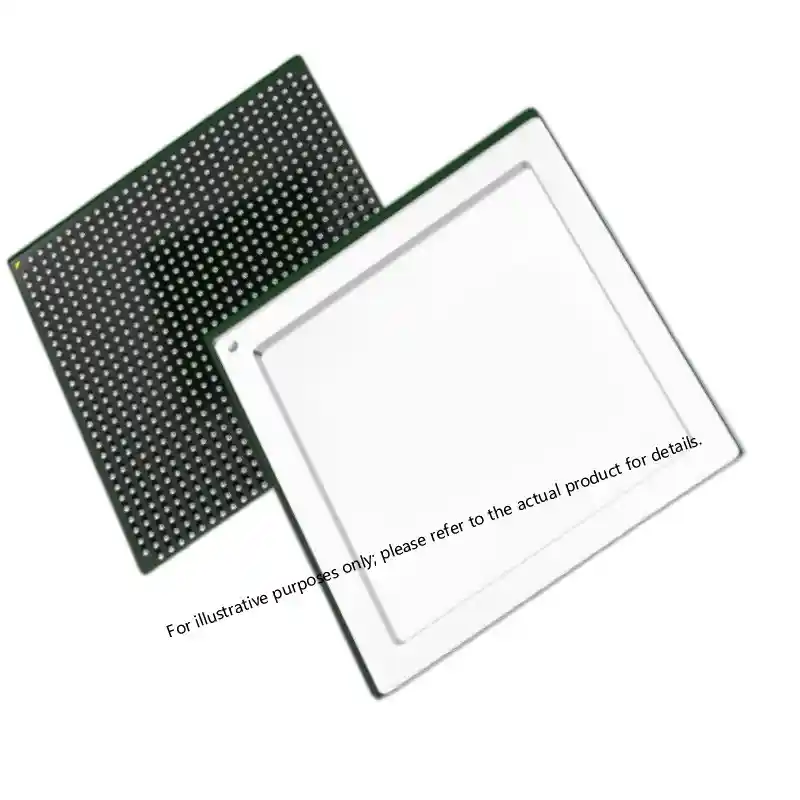
Higher-density FPGA resources may be selected when the design requires large amounts of programmable logic for digital down-conversion, packet processing, or custom interface bridges. Axcelerator-class devices with high gate counts can serve this role in long-duration military programs where nonvolatile or antifuse-based configuration options are preferred for configuration reliability. 
Similarly, ProASIC3-class FPGAs are sometimes used in companion roles when the system needs moderate logic density, low power, and a well-documented migration path for existing Actel-based designs. 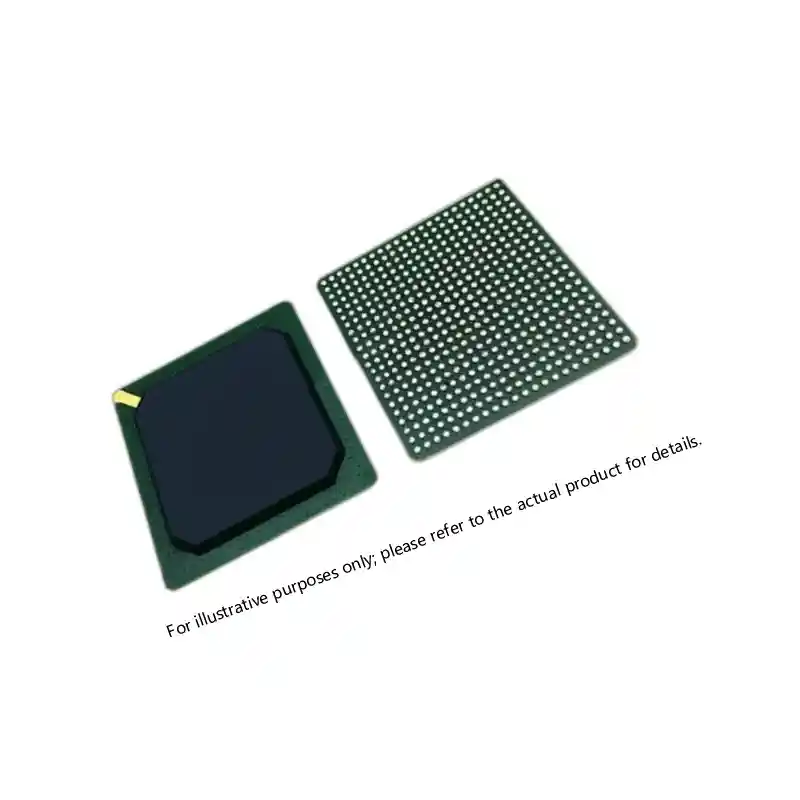
In radar and electronic warfare chains, the multicore DSP often hands wideband samples to a high-density FPGA for beamforming or channelization. <Virtex-7 XC7VX690T: Performance, Reliability, and Integration> covers performance, reliability, and integration factors for the FPGA side of that partition.
The exact partition between DSP and FPGA depends on throughput, latency, power, and reuse. The C6672 is favored when the workload includes floating-point-heavy algorithms, control loops, and reusable software libraries. The FPGA is favored when the workload includes parallel bit manipulation, custom I/O, or deterministic low-latency processing. Procurement should therefore treat the DSP and the selected FPGA as a combined critical-component set, not as independent commodity purchases.
Qualification and Compliance Paths
The C6672 is a commercial or industrial-grade processor by default unless documented otherwise through a manufacturer-qualified flow or an approved upscreening program. This creates a qualification gap when a defense program assumes all components are automatically military-grade. The correct approach is to identify the required assurance level early and then request that the distributor confirm the exact orderable suffix and supporting documentation.
Programs that require certified military microcircuits should reference MIL-PRF-38535 or the relevant qualified manufacturers list when establishing component requirements [2]. If the TMS320C6672ACYPA cannot meet those requirements, the program may need to evaluate an approved upscreening plan, a different orderable suffix, or an alternative processor with direct QML qualification. Upscreening should be performed by a qualified facility and should include the environmental, electrical, and visual screening steps defined in the program’s reliability plan, not an informal “military-grade” claim.
For long-duration defense programs, lifecycle planning is also central. The C6672 may not remain in active production for the full program life, so buyers should document the last-time-buy window, die-bank options, and alternate sourcing paths before production rates decline. A stable sourcing plan should include periodic stock reviews and a second-source analysis that preserves compliance.
Mission-critical compute cards frequently pair a KeyStone DSP with a high-performance FPGA and shared memory. <Virtex-7 690T FPGA: Performance for Mission-Critical Systems> covers the reliability and performance selection logic for the FPGA resource that complements C6672-based processing.
End CTA
SPARKLE ELECTRONICS CO., LIMITED supports defense contractors and systems integrators in sourcing TMS320C6672ACYPA and associated high-reliability components. For a documented quote on this DSP, contact xuansc2144@gmail.com with the RFQ fields above. Include the part number, target quantity, required date, temperature or screening need, and the documentation package required by your program. The sourcing response will address availability, traceability, and qualification path rather than price alone.
Frequently Asked Questions
What does the ACYPA suffix mean?
The ACYPA suffix identifies the package, speed, and orderable configuration for the TMS320C6672ACYPA. Because TI suffixes are orderable-part specific, the exact package, temperature range, and qualification status should be confirmed from the current TI product page and ordering documentation [1].
Is TMS320C6672ACYPA automatically qualified to MIL-PRF-38535?
No. The TMS320C6672ACYPA should not be assumed to be QML or MIL-PRF-38535 qualified unless the orderable suffix, lot documentation, and manufacturer qualification status confirm otherwise. Programs that require qualified microcircuits should reference the applicable specification and perform a documented qualification-gap analysis [2].
What temperature range does this device support?
The supported temperature range depends on the exact orderable suffix. Buyers should request the TI marking and ordering information for the specific TMS320C6672ACYPA part number rather than assume a military temperature range. A supplier should be able to confirm the orderable suffix and its associated datasheet conditions [1].
What should be included in an RFQ for this DSP?
An RFQ should include the full part number, target quantity, required date, temperature and screening requirements, package confirmation, required traceability documentation, and lead-time expectations. This information lets the distributor respond with both availability and compliance verification instead of a price-only answer.
What documentation should accompany a lot purchase?
A lot purchase should be supported by a Certificate of Conformance, lot or date-code information, country of origin, chain-of-custody documentation where applicable, and any screening or test reports requested by the program. Moisture-sensitive BGA handling records are also useful because the package requires controlled storage and assembly.
References
[1] Texas Instruments, “TMS320C6672 Multicore Fixed and Floating-Point Digital Signal Processor,” product page, https://www.ti.com/product/TMS320C6672 (accessed 2026).
[2] U.S. Department of Defense, MIL-PRF-38535, “Integrated Circuits (Microcircuits) Manufacturing, General Specification for,” Defense Logistics Agency, https://quicksearch.dla.mil/qsDocDetails.aspx?ident_number=35939 (accessed 2026).
If you’re interested, check out these related articles:
A1020B-PG84B ACT2 FPGA: Specs, Sourcing, and Availability
Virtex-7 690T FPGA: Performance for Mission-Critical Systems
Virtex-7 XC7VX690T: Performance and Reliability Insights
XC7VX485T FPGA: Virtex-7 Performance for Defense