
TMS320C6674ACYPA: C6674 1GHz Quad-Core DSP Sourcing Guide
Table of Contents
- Key Specifications and Processing Architecture
- Qualification and Defense-Grade Use
- FPGA Co-Processing and Signal Chain Partitioning
- Procurement, Traceability, and Counterfeit Controls
- Lifecycle and Long-Term Sourcing Strategy
- Integration and Board-Level Design Notes
- Sourcing Support for the TMS320C6674ACYPA
- Frequently Asked Questions
- Is the TMS320C6674ACYPA a MIL-SPEC or QML-qualified device?
- What package is used for the TMS320C6674ACYPA?
- Which applications typically use a 1 GHz quad-core C6674 DSP?
- How should procurement verify authenticity and traceability?
- Can the C6674 be used with an FPGA in a defense signal chain?
- References
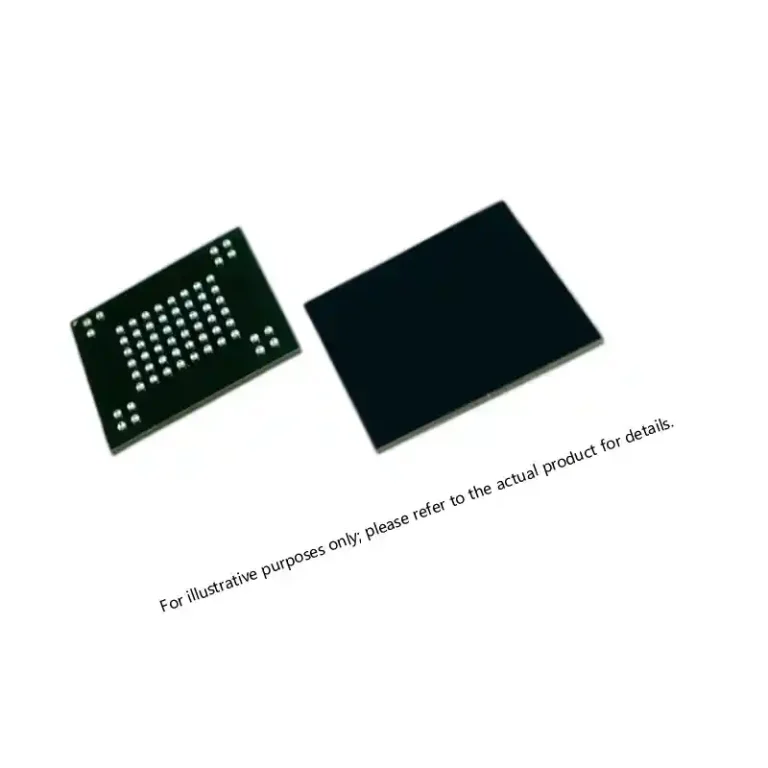
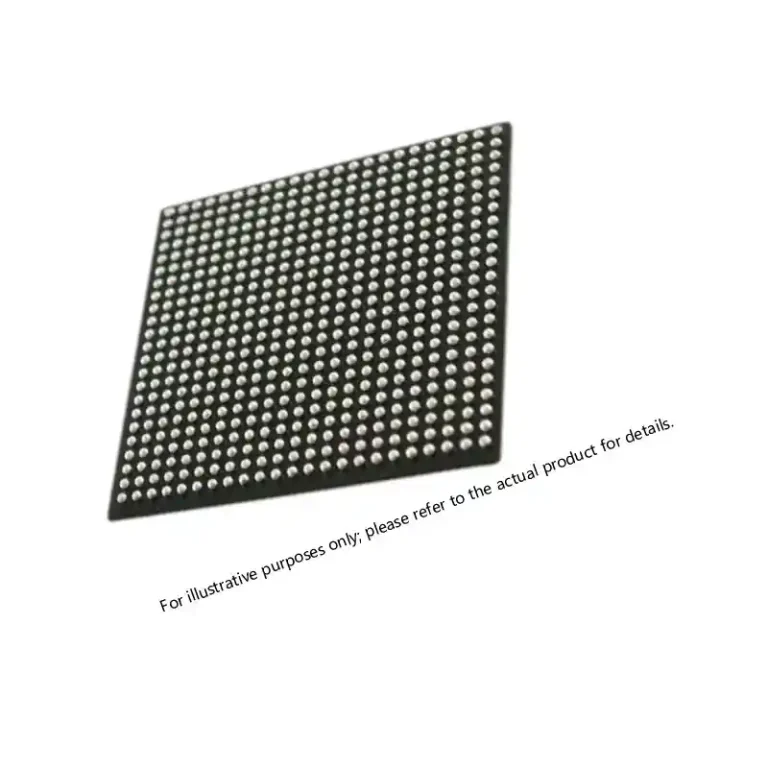
The TMS320C6674ACYPA is a 1 GHz quad-core digital signal processor in the KeyStone family, integrating four C66x DSP cores in a BGA package. It is selected where a signal chain must combine fixed- and floating-point processing without moving to a larger eight-core device. Radar pulse compression, EW channelization, SIGINT demodulation, SDR waveform processing, and EO/IR track processing are common deployment targets. For sourcing teams, the part number is not the whole story: package handling, lot traceability, qualification state, and lead-time planning determine whether the component will support a program rather than delay it.
Key Specifications and Processing Architecture
The C6674ACYPA uses the KeyStone on-chip architecture to connect cores, shared memory, and peripherals through a high-bandwidth fabric. The four C66x cores support fixed- and floating-point instructions under a single instruction set. Core frequency in this orderable variant is specified at 1 GHz; exact frequency, temperature range, and package details should be confirmed from the current orderable part number table because suffix changes can alter grade and screening options.
The device integrates high-speed serial connectivity including Serial RapidIO Gen2, PCIe Gen2, and HyperLink, plus DDR3 external memory interface support. From an integration standpoint, this combination allows the DSP to act as a back-end compute element behind an FPGA or ASIC front end. Incoming devices also require moisture-sensitive handling. BGA packages with fine-pitch solder spheres are classified by moisture sensitivity level and should be handled, packed, and baked according to IPC/JEDEC J-STD-033 [6] before reflow.
Qualification and Defense-Grade Use
The presence of a BGA package does not by itself mean the device is QML-qualified. TMS320C6674ACYPA is commonly treated as a high-reliability COTS processor unless the specific orderable part is procured through a qualified manufacturing flow. Defense programs expecting MIL-PRF-38535 QML certification should confirm the device marking, case outline, and orderable suffix against the required source control drawing or SMD entry [5]. Screening tests such as temperature cycling, burn-in, and electrical test are defined in MIL-STD-883 for microcircuits [1] and may be applied as additional services, but they do not automatically convert a commercial-grade DSP into a QML component.
Applications for C6674-class DSPs in defense electronics span radar signal processing, EW/ECM, SIGINT, MILSATCOM, SDR, and EO/IR systems. Program owners typically specify this device when the workload requires multi-core software partitioning and high-bandwidth chip-to-chip movement rather than simple single-core control.
FPGA Co-Processing and Signal Chain Partitioning
In radar and EW systems, the C6674 often sits behind an FPGA that performs beamforming, digital down-conversion, channelization, or packet classification. The DSP then executes tracking, correlation, or decision algorithms. High-reliability FPGA choices for such front ends are evaluated on speed grade, logic density, I/O flexibility, and continued availability.
The following high-reliability FPGA examples are frequently reviewed alongside a quad-core DSP for processing-chain partitioning and BOM duplication review.
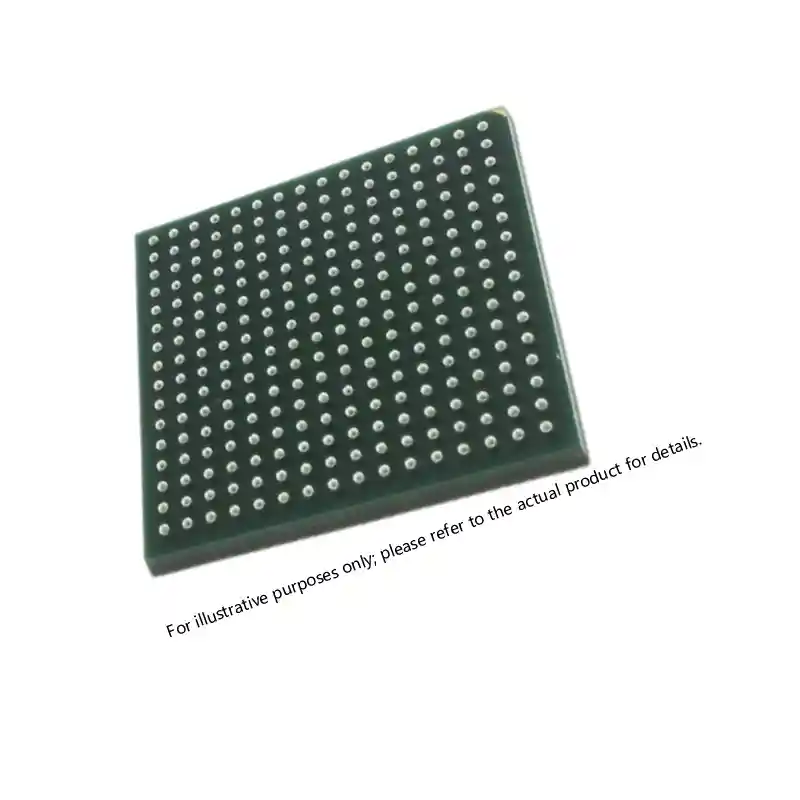
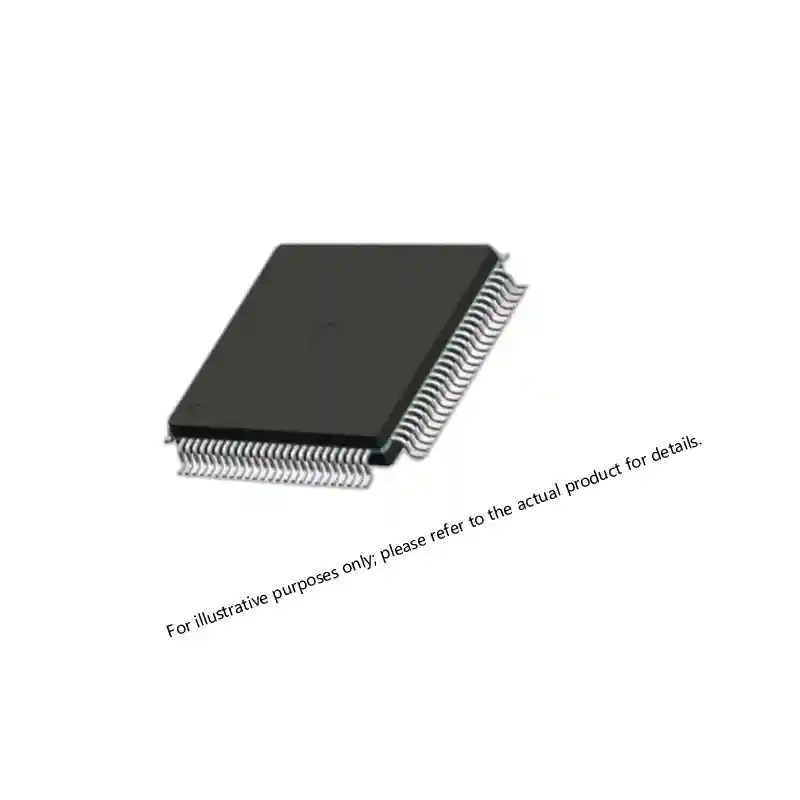
For programs pairing DSP computation with high-density FPGA preprocessing, <XCKU085 UltraScale FPGA: Performance for Critical Systems> covers programmable-logic selection for signal path tasks.
When evaluating FPGAs for mission-critical processing chains, <XCKU115 UltraScale FPGA: Powering Critical Defense Systems> covers deployment and supply considerations for defense-grade digital processing.
For designs that require balanced logic and serial connectivity beside a DSP, <XC7VX485T Virtex-7 FPGA: Performance and Sourcing for Defense> covers selection trade-offs for high-performance defense processing.
Procurement, Traceability, and Counterfeit Controls
BGA DSPs are high-value counterfeiting targets because of price, lead time, and defense program demand. Incoming inspection should follow AS6081 principles for counterfeit avoidance, detection, and disposition [2]. DFARS clause 252.246-7007 establishes contractor requirements for counterfeit electronic part detection and avoidance systems [3]; NDAA Section 889 adds supply chain restriction screening for certain sources [4]. Procurement documentation should tie each device to the lot, date code, and original order, with certificate of conformance alignment before parts enter inventory.
X-ray inspection, solder sphere uniformity, marking permanency, and electrical validation are practical screen points. Authenticity cannot be inferred from visual appearance alone; lot-level documentation and test data create the evidentiary chain.
Lifecycle and Long-Term Sourcing Strategy
The C6674 series has a long design-in history, but extended program timelines create lifecycle risk. BGA packaging, high-speed serial IP, and the KeyStone design make redesign costly, so teams should evaluate multi-year demand early, reserve date codes, and monitor manufacturer change notifications. Last-time-buy and alternate-source planning should be initiated before critical shortage rather than after.
If a C6674ACYPA requirement is active or forecasted, send the full orderable part number, target date code, required screening, and annual usage to xuansc2144@gmail.com. Include lot-documentation requirements such as certificate of conformance, test reports, and photos so availability and traceability can be reviewed before order commitment.
Integration and Board-Level Design Notes
Board designers should account for KeyStone power sequencing, core voltage domains, and high-density BGA routing. DDR3 timing and SRIO/PCIe lane validation require careful signal integrity planning; the BGA footprint should also allow for post-reflow inspection and rework. Thermal modeling matters because quad-core DSP operation at sustained load can drive localized board temperature unless adequate copper, vias, and airflow are provided. No single rule applies across every platform, but early co-design between sourcing, layout, and thermal teams prevents qualification surprises. Moisture sensitivity classification from IPC/JEDEC J-STD-033 [6] remains a mandatory check before any reflow operation.
Sourcing Support for the TMS320C6674ACYPA
When this part appears on a BOM, early lot reservation and paper trail review reduce schedule risk. Submit the BOM quantity, desired date code, compliance workflow, and delivery window to xuansc2144@gmail.com. The team can confirm availability, lot traceability, certificate of conformance support, and inspection coordination before order placement.
Frequently Asked Questions
Is the TMS320C6674ACYPA a MIL-SPEC or QML-qualified device?
The ACYPA orderable variant is not automatically QML-qualified. Qualification depends on the specific suffix, procurement route, and screening flow. Programs requiring MIL-PRF-38535 QML certification should verify the device marking and documentation before accepting parts [5].
What package is used for the TMS320C6674ACYPA?
It is supplied in a BGA package. BGA devices require moisture-sensitive handling, controlled reflow profiles, and post-placement inspection according to IPC/JEDEC J-STD-033 [6].
Which applications typically use a 1 GHz quad-core C6674 DSP?
Common applications include radar signal processing, electronic warfare, SIGINT, software-defined radio, SATCOM digital processing, and EO/IR track management. The four C66x cores provide a balance between throughput and power for these workloads.
How should procurement verify authenticity and traceability?
Incoming inspection should follow AS6081 counterfeit avoidance practices [2], align with DFARS 252.246-7007 requirements [3], and verify lot, date code, marking, and test documentation. X-ray and electrical sampling add useful screening layers without replacing full lot-level evidence.
Can the C6674 be used with an FPGA in a defense signal chain?
Yes. The device is commonly paired with an FPGA for front-end preprocessing over high-speed serial interfaces. The DSP handles back-end algorithms while the FPGA manages beamforming, channelization, or high-rate data reduction.
References
[1] U.S. Department of Defense. MIL-STD-883K, Test Method Standard, Microcircuits.
[2] SAE International. AS6081, Counterfeit Electrical, Electronic, and Electromechanical (EEE) Parts: Avoidance, Detection, Mitigation, and Disposition.
[3] U.S. Department of Defense. DFARS 252.246-7007, Contractor Counterfeit Electronic Part Detection and Avoidance System.
[4] U.S. Congress. National Defense Authorization Act for Fiscal Year 2019, Section 889.
[5] U.S. Department of Defense. MIL-PRF-38535, Integrated Circuits (Microcircuits) Manufacturing, General Specification.
[6] IPC/JEDEC. J-STD-033, Handling, Packing, Shipping and Use of Moisture/Reflow Sensitive Surface-Mount Devices.
If you’re interested, check out these related articles:
XC7VX485T Virtex-7 FPGA: Performance and Sourcing for Defense
UltraScale KU085 FPGA Specifications for Defense Systems
Virtex-7 XC7VX690T: Performance, Reliability, and Integration
XC7VX485T FPGA: Virtex-7 Performance for Defense