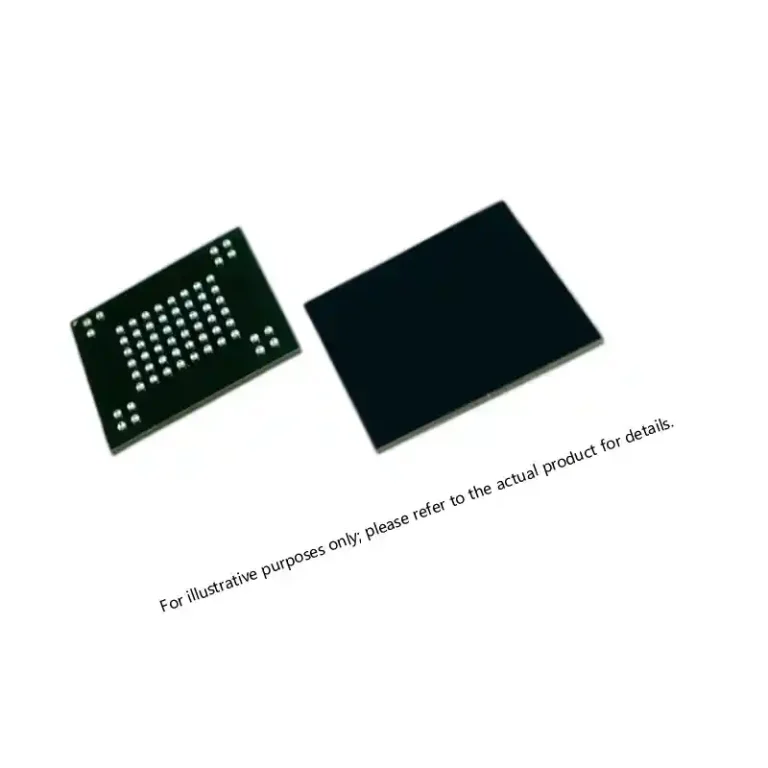

TSB41BA3BTPFPEP 1394b 3-Port PHY: EP-Grade Sourcing Guide for Mission-Critical Links
Table of Contents
- TSB41BA3BTPFPEP at a Glance
- What This Part Does on the Bus
- EP-Grade Qualification and Package Verification
- Why the EP Suffix Matters
- PFP Package, Not BGA
- Key Specifications and Design Checklist
- Procurement and Traceability Considerations
- Companion FPGA Options for Mission-Critical Processing
- End CTA
- FAQ
- Is the TSB41BA3BTPFPEP a BGA part?
- What does EP grade mean for this TI device?
- Does this PHY support 800 Mb/s?
- Can it replace a commercial TSB41BA3B in a repaired system?
- What documentation should I request?
- References
TSB41BA3BTPFPEP at a Glance
The TSB41BA3BTPFPEP is an IEEE 1394b three-port cable transceiver/arbiter that implements the physical-layer functions for a bilingual FireWire node. In defense and aerospace platforms that still maintain 1394b backbones, diagnostic buses, and high-rate data-recording interfaces, a PHY like this one needs to be specified with the same discipline as the FPGA or DSP it connects to. The EP suffix in the ordering code reflects an Enhanced Product qualification approach rather than a standard commercial flow [2][3].
What This Part Does on the Bus
IEEE 1394b-2002 defines beta-mode signaling, arbitration, and speed negotiation for 100/200/400/800 Mb/s cable operation. The TSB41BA3BTPFPEP provides three bilingual ports and autonegotiates link speed with the far-end PHY [1][2]. For system designers, that means one PHY can preserve compatibility with older 1394a nodes while supporting higher-speed 1394b links when both sides and the cabling support the same beta-mode domain.
The device should be reviewed alongside the link-layer controller because port-state behavior, reset timing, and power management can impose board-level sequencing requirements that are not visible from the PHY block diagram alone.
EP-Grade Qualification and Package Verification
Why the EP Suffix Matters
Enhanced Product parts are not automatically MIL-SPEC, but they are placed in a qualification flow that supports extended documentation, change notification, and often wider or better-characterized operating envelopes than the commercial version [3]. For programs where a full QML-certified substitute is not practical, an EP device can provide a defensible middle path when the qualification report, traceability, and change-management evidence are retained.
PFP Package, Not BGA
BOM systems occasionally label the TSB41BA3BTPFPEP as BGA because of its high-density surface-mount class. The PFP suffix, however, is an 80-lead HTQFP package with an exposed thermal pad. An incorrect package assumption can create footprint and reflow problems; engineers should validate the CAD library against the manufacturer package drawing before PCB release [2].
Key Specifications and Design Checklist
| Function | Specification |
|---|---|
| Ports | 3 bilingual 1394b ports |
| Data rates | 100/200/400/800 Mb/s |
| Package | 80-pin HTQFP PowerPAD (PFP) |
| Supply | 3.3 V I/O; 1.8 V core/PLL support |
| Reference | 25 MHz crystal or clock input |
| Grade | Enhanced Product (EP) |
Table values should be confirmed on the current manufacturer data sheet because TI may revise operating ranges, recommended termination, and supply sequencing [2]. The device-family notes for EP material also define which documentation applies to a specific date/lot code [3].
Procurement and Traceability Considerations
Procurement review for this part should include:
- Using the complete TI orderable part number TSB41BA3BTPFPEP, including package and EP suffix, to avoid commercial-grade substitution.
- Verifying lot and date code against the certificate of conformance and manufacturer qualification data.
- Checking for damaged exposed pads, bent leads, or questionable rework on older date codes pulled from long-storage inventory.
- Requesting the EP qualification overview and change-notification records for the specific date code.
For a controlled-availability purchase, a practical evaluation begins with a short RFQ that lists target quantity, need-by date, required documentation, and whether the part will be installed in a new build or a repair/return unit.
Before design freeze, contact xuansc2144@gmail.com to verify stock, date-code availability, and the EP documentation package for TSB41BA3BTPFPEP.
Companion FPGA Options for Mission-Critical Processing
When the 1394b PHY feeds a defense processing chain, the FPGA selection affects pin timing, I/O voltage groups, and configuration-memory planning. The parts below represent companion devices often evaluated alongside this PHY in legacy and current mission systems.
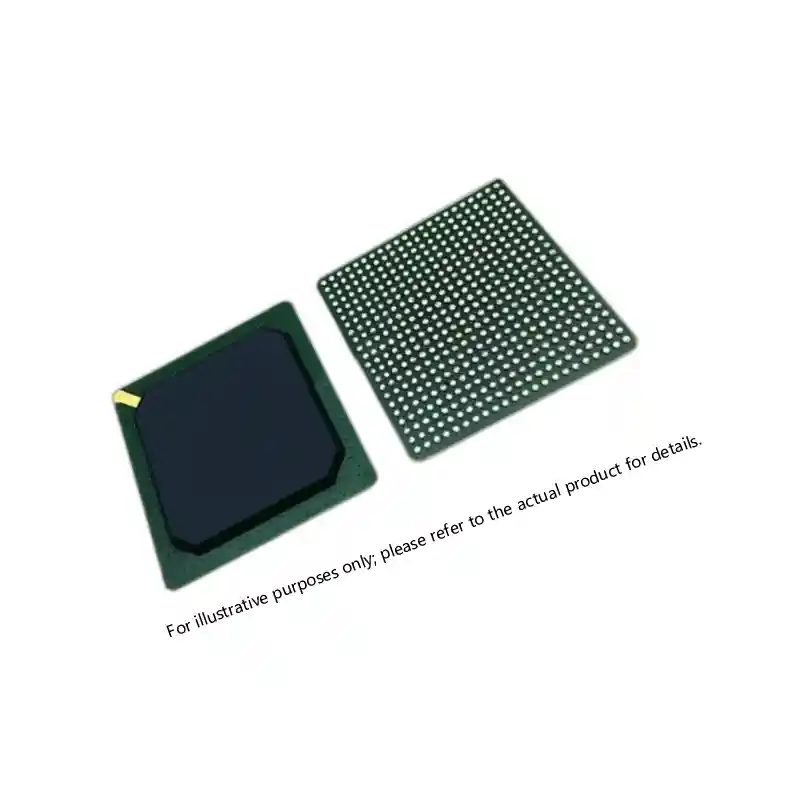
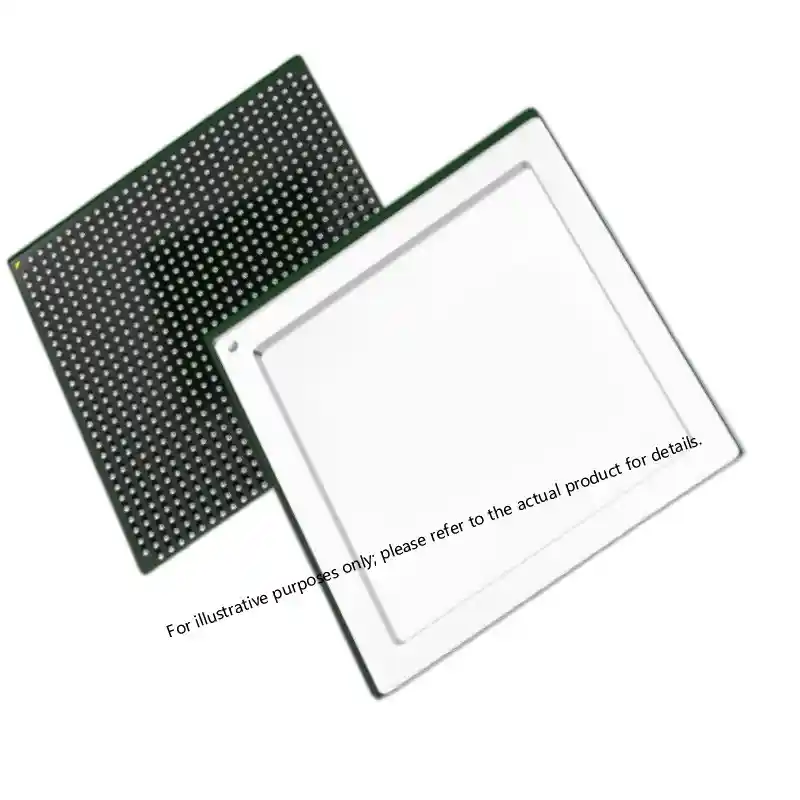
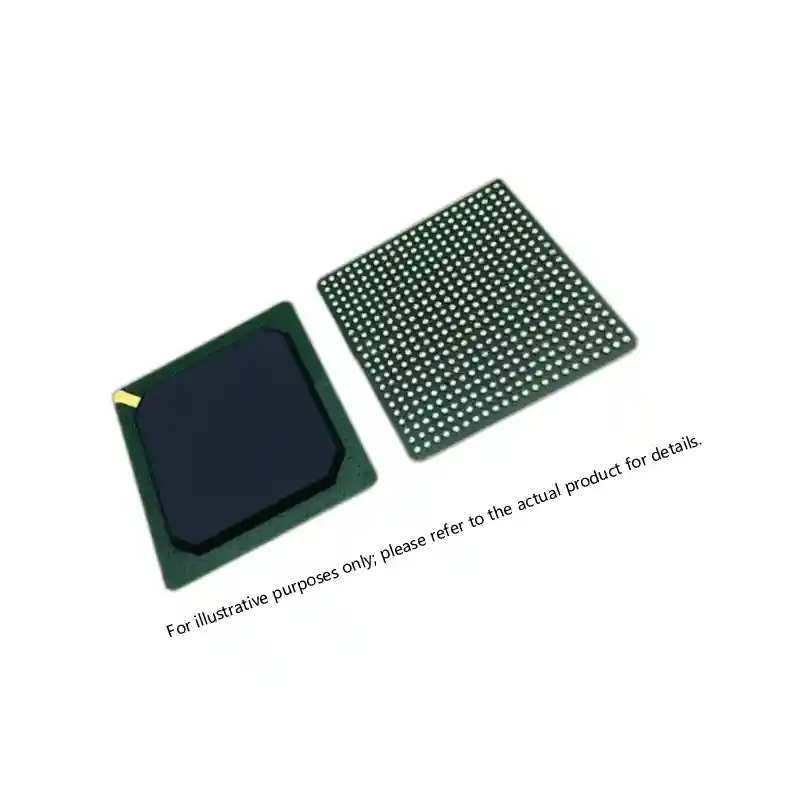
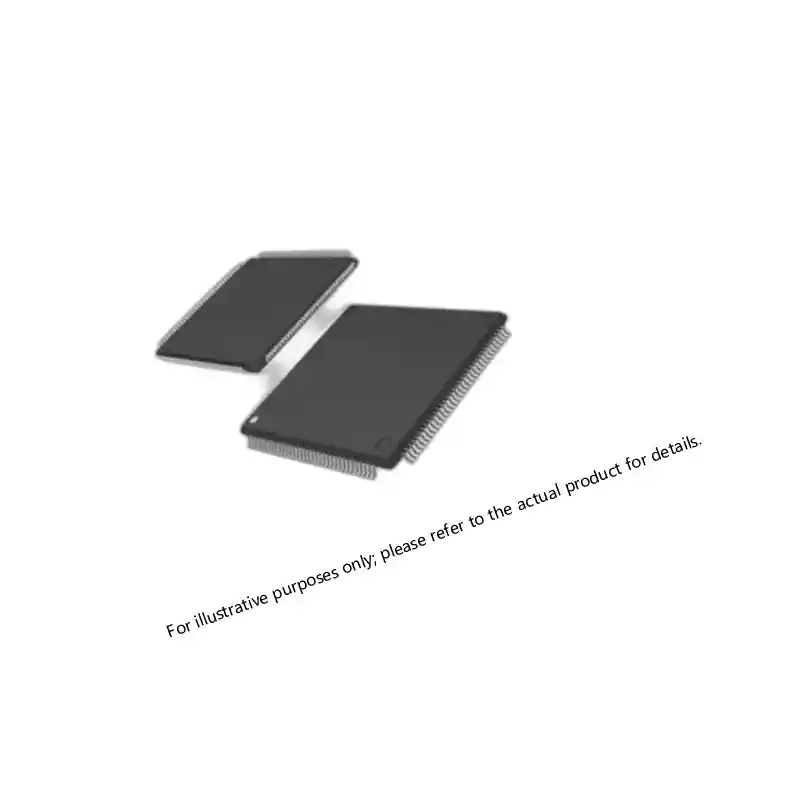
These programmable alternatives cover secure/flash-based devices, high-density SoC FPGAs, and qualification-oriented families. Their fit depends on the data path width, speed grade, and reliability requirements of the link node.
FireWire PHY parts like the TSB41BA3BTPFPEP often appear on the same BOM as legacy FPGA resources for data framing. <A1020B-PG84B ACT2 FPGA: Specs, Sourcing, and Availability> covers package and sourcing details for one such long-life device.
For systems that pair a 1394b PHY with high-bandwidth processing, the processor choice changes SDC timing and I/O voltage grouping. <Virtex-7 690T FPGA: Performance, Packaging, and Reliability Insights> covers package and reliability trade-offs for that class of FPGA.
If the link node feeds a mission processor, the FPGA selection also drives power sequencing and configuration memory. <UltraScale KU085 FPGA Specifications for Defense Systems> covers specification-level choices for defense-oriented KU085 designs.
End CTA
Sparkle Electronics supplies hi-rel and defense components with traceability and documentation support for programs worldwide. Contact the sourcing desk with the part number, quantity, and required delivery window.
- Full orderable part number and quantity
- Required date code or lot restrictions
- Certificate of conformance and qualification documents
- Destination and compliance flags
Email: xuansc2144@gmail.com
FAQ
Is the TSB41BA3BTPFPEP a BGA part?
No. The PFP suffix indicates an 80-lead HTQFP package with an exposed thermal pad. Some CAD or PLM libraries mislabel the part as BGA, so the footprint should be checked against the manufacturer package drawing before PCB release.
What does EP grade mean for this TI device?
EP indicates an Enhanced Product qualification flow. It is not automatically full MIL-SPEC, but it provides improved qualification documentation, lifecycle management, and often wider or better-characterized operating envelopes than the commercial version.
Does this PHY support 800 Mb/s?
Yes. The device supports 1394b beta-mode operation at 100/200/400/800 Mb/s when the far-end PHY and cabling support the same mode, while also maintaining interoperability with 1394a-speed nodes [1][2].
Can it replace a commercial TSB41BA3B in a repaired system?
It may be functionally compatible, but replacement should be reviewed for supply, package, marking, and EP documentation differences. A qualification review is appropriate before committing to a repair or sustainment build.
What documentation should I request?
Request the certificate of conformance, EP qualification summary, lot-specific date-code evidence, and supplier traceability records for the specific orderable part number.
References
- IEEE Std 1394b-2002, IEEE Standard for a High-Performance Serial Bus—Amendment 2, IEEE, 2002.
- Texas Instruments, TSB41BA3B 1394b Three-Port Cable Transceiver/Arbiter Data Sheet, https://www.ti.com/lit/ds/symlink/tsb41ba3b-ep.pdf
- Texas Instruments, Enhanced Product Qualification Overview, https://www.ti.com/support-quality/enhanced-product/
If you’re interested, check out these related articles:
UltraScale KU085 FPGA Specifications for Defense Systems
XC7VX485T Virtex-7 FPGA: Performance and Sourcing for Defense
Virtex-7 690T FPGA: Performance for Mission-Critical Systems
XC7VX485T FPGA: Virtex-7 Performance for Defense