V24C28H100BL DC-DC Converter: 28V/100W Sourcing Guide
Table of Contents
- What V24C28H100BL Does on a 28V Rail
- Key Parameters to Confirm Before Quoting
- BL Package and Mechanical Fit
- Compliance and Traceability Requirements
- Sourcing Strategy for OEM Authorized and Independent Stock
- Incoming Inspection and Acceptance Checks
- Powering FPGA-Dense Defense Cards from the 28V Bus
- Next Step: Confirm Stock, Grade, and Documentation
- FAQ
- Is the V24C28H100BL the right choice for a new defense design?
- What is the difference between the BL package and other package codes?
- What documentation should accompany each lot?
- Can I use this part as a drop-in replacement for a similar 24V input converter?
The V24C28H100BL is a 24 V nominal input DC-DC converter that provides a 28 V output at up to 100 W in the BL package. In defense and aerospace power distribution it often works as an intermediate bus converter, feeding downstream regulation, RF modules, or mission processing boards. The electrical ratings are the first filter, but a successful buy also depends on the exact package fit, temperature grade, screening evidence, and the traceability behind each lot.
What V24C28H100BL Does on a 28V Rail
A 28 V bus appears in many ground vehicle, aircraft, and shipboard systems because it can move useful power across a chassis without dropping too much voltage in the cabling. The V24C28H100BL takes a nominal 24 V source and regulates it to that 28 V rail, giving the system a stable intermediate voltage before point-of-load regulators create the lower core, I/O, and analog rails.
This converter is not a direct substitute for every 28 V requirement. Some loads use the 28 V rail directly, while others expect clean local regulation at 5 V, 3.3 V, or lower voltages. The converter satisfies the bus function when its isolation, transient response, and thermal behavior match the system, not merely when the output wattage lines up on paper.
Key Parameters to Confirm Before Quoting
The table below is a request checklist rather than a substitute for the manufacturer’s published data. Each row should become a specific question on the quote or compliance review.
| Parameter | What to confirm | Why it matters |
|---|---|---|
| Input range | Confirm the acceptable low and high line limits for the required temperature grade | A 24 V nominal rating does not automatically cover all battery or generator conditions |
| Output setpoint | Verify 28 V tolerance, line and load regulation, and trim range | Downstream regulators and RF loads may have narrow undervoltage and overvoltage windows |
| Power and derating | Confirm the 100 W rating under actual baseplate, airflow, and ambient conditions | Cooling configuration changes usable output before the converter reaches full load |
| Isolation | Confirm input-to-output isolation voltage and system grounding requirements | Ground loops or fault conditions depend on how isolated the rail must be |
| Package and pinout | Check the BL package outline, pin length, and land pattern against the existing assembly | Package variants within the same power family can differ mechanically |
| Screening and grade | Confirm temperature grade, burn-in, and any MIL screening evidence | Not all lots carrying the same part number necessarily satisfy the same defense requirements |
BL Package and Mechanical Fit
The BL package designation is part of the ordering identity, but it does not remove the need for a mechanical review. A board designed for one pin length or baseplate height may not accept a different package variant even when the electrical ratings are identical. Obtain the outline drawing and compare the module envelope, pin locations, standoff height, and mounting holes against the current mechanical assembly.
Thermal performance should be checked with the same package drawing. A baseplate or heat-spreader interface that is not flat, clean, and adequately compressed can derate the module below its expected output. If the existing design uses forced air, the derating curve belongs with the package and airflow estimate, not just the wattage figure.
Compliance and Traceability Requirements
For a defense or high-reliability program, the value of a V24C28H100BL is not established by the part number alone. Ask for a Certificate of Conformance that identifies the manufacturer, part number, date or lot code, quantity, and any test or screening information. If the application requires MIL-STD-883 processing, QML qualification, or another specific acceptance basis, make that requirement explicit before quoting.
A hi-rel description is not the same as verified screening. Some parts may be commercial or industrial versions of the same converter family, while others may carry additional burn-in or documentation. The buyer should compare what the certificate states against the program source control drawing, and should not infer a qualification level that the paperwork does not list.
Sourcing Strategy for OEM Authorized and Independent Stock
Buyers typically face a tradeoff between authorized OEM supply and independent distributor stock. The OEM channel may offer the strongest contractual traceability but can come with longer lead times, higher minimum orders, or limited support on older date codes. Independent stock may be available sooner, but it requires stricter authentication because the part may come from multiple secondary sources.
A focused hi-rel distributor such as Sparkle Electronics can provide date and lot specific stock checks, document support, and short-turn sourcing for defense programs. The qualification decision still belongs to the buyer. The distributor can show what is available and what documents accompany the material, but the receiving organization must confirm that the part and paperwork meet the specific program requirements.
Incoming Inspection and Acceptance Checks
Incoming inspection should separate identification from acceptance. A visual check of the marking, package condition, pin straightness, and moisture protection can confirm that the received part appears consistent with the order, but it does not prove electrical performance. For acceptance, the inspection plan needs a defined sample method and pass criteria.
For a lot of V24C28H100BL converters, the receiving check may include C of C review, date and lot code comparison, pin flatness, solderability testing for older stock, and sample electrical verification where the program requires it. If the part has been stored for a long period, the organization should check solderability and packaging integrity before releasing it to the line.
Powering FPGA-Dense Defense Cards from the 28V Bus
Radar, electronic warfare, and signals intelligence cards often use high-density FPGAs and high-speed data converters. The V24C28H100BL may sit at the front of that card’s power tree, creating a stable 28 V intermediate rail for point-of-load regulators. On a board carrying devices such as MPF300T-1FCG484I and MPF300T-FCSG536I, the converter’s transient response and output hold-up affect whether the FPGA powers up cleanly during fast logic transitions.
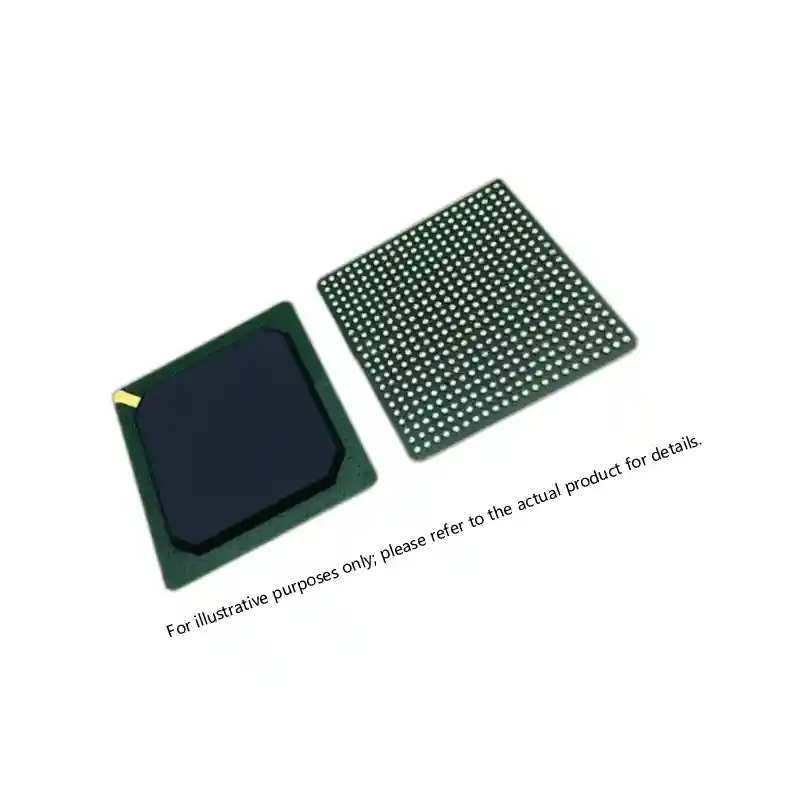
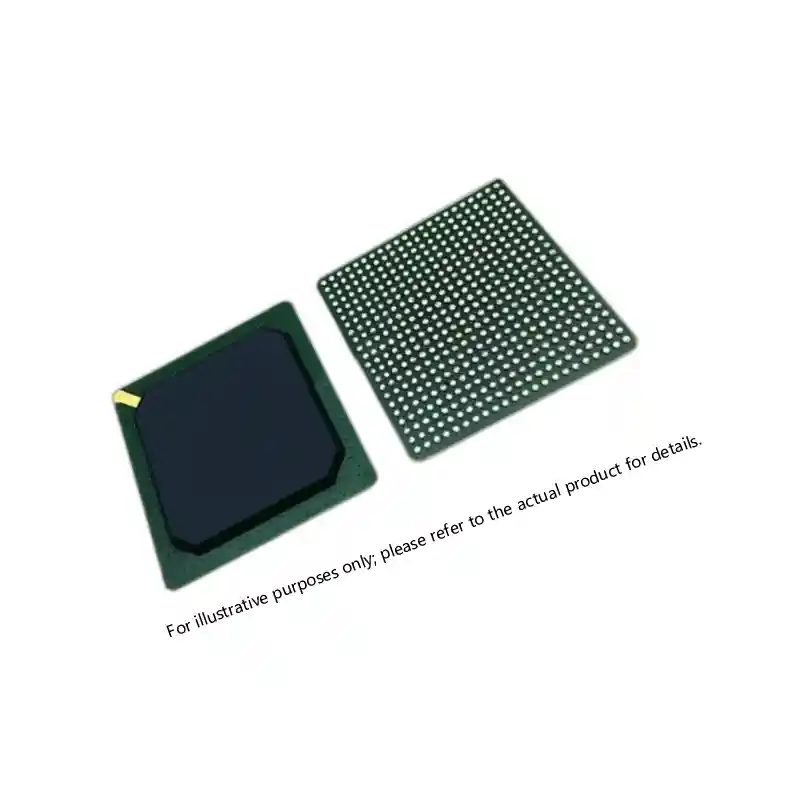
A stable 28 V rail matters most when the downstream board draws fast transient current from high-density FPGA logic. <XCKU115 UltraScale FPGA: Powering Critical Defense Systems> covers how UltraScale devices are used in defense compute and signal processing payloads.
Legacy or lower gate count control planes may still use devices such as A1020B-PG84B and AX1000-1CQ352M. They may draw less power than a modern high-density FPGA, but their older process nodes and possible 5 V core or I/O rails require separate point-of-load treatment.
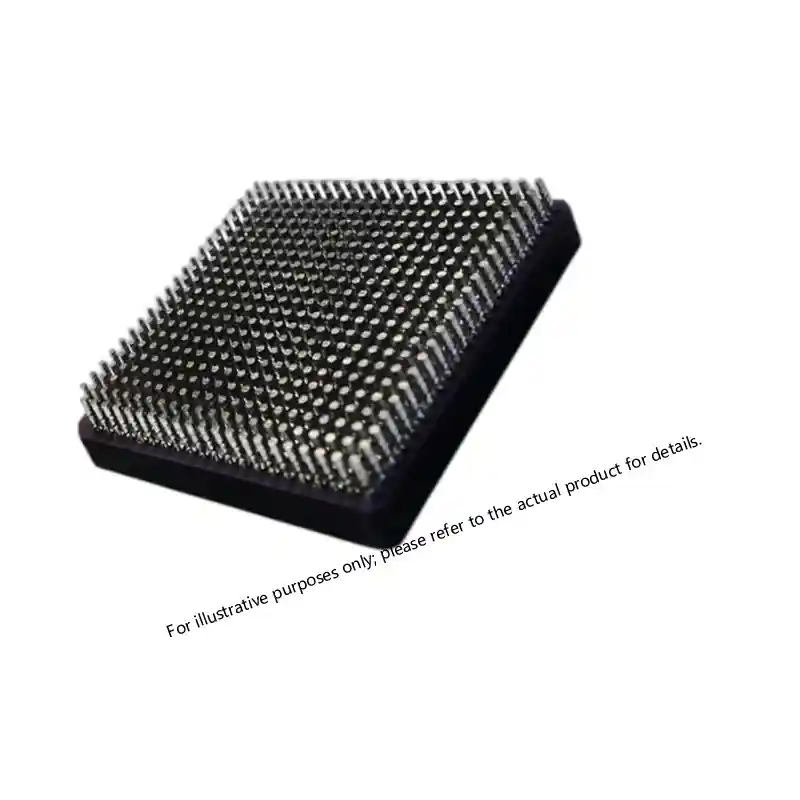
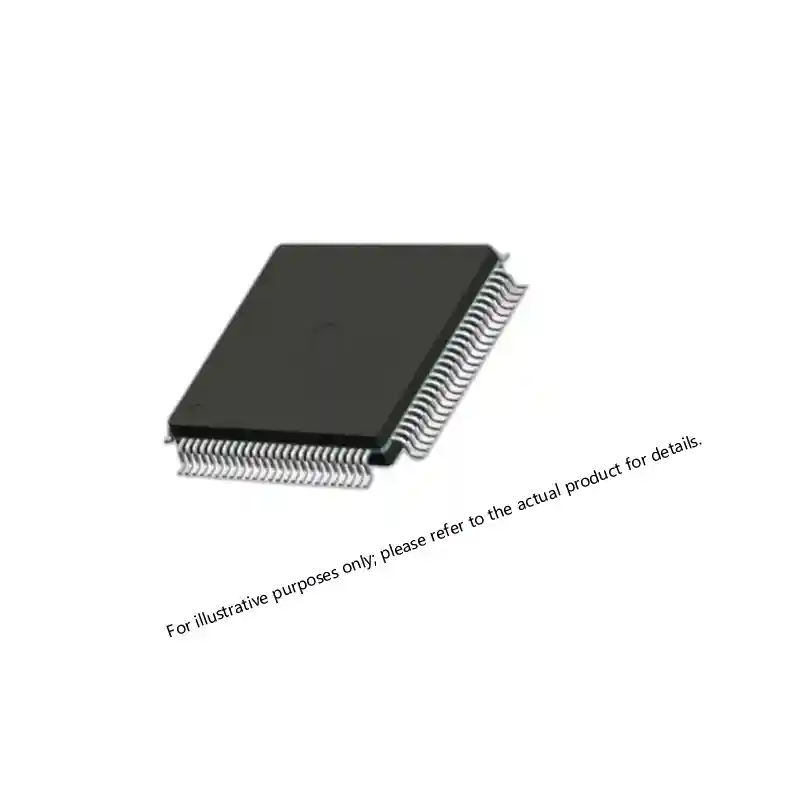
Even older ACT2 logic can share the same 28 V power architecture, but its core voltage and inrush behavior must be checked separately from a modern FPGA rail. <A1020B-PG84B ACT2 FPGA: Specs, Sourcing, and Availability> covers sourcing and availability considerations for that device.
Mixed-signal devices such as A2F500M3G-1CSG288I add analog blocks beside the digital fabric. The analog supplies need quieter rails and careful grounding, so the converter’s output ripple and isolation become more than a logic-rail concern.
Next Step: Confirm Stock, Grade, and Documentation
Request a quote that identifies the manufacturer, full part number, date or lot code, available documentation, and the exact temperature or screening grade. Send the target input range, load profile, quantity, and any military screening requirement to xuansc2144@gmail.com. A complete request helps the sourcing team check stock, lead time, and paperwork before the design or procurement decision is locked.
FAQ
Is the V24C28H100BL the right choice for a new defense design?
It can be, but only after confirming that a 24 V nominal input, 28 V output, and 100 W power level match the bus architecture. The package must fit the board layout, the temperature grade must satisfy the environment, and the required screening or documentation must be available. If the system needs a different isolation, higher power, or a different mechanical envelope, another converter may be more appropriate.
What is the difference between the BL package and other package codes?
The package code defines the mechanical and pin configuration. Two converters can share similar electrical ratings but still differ in pin length, baseplate height, or mounting pattern. Do not treat a different package code as an automatic drop-in replacement without comparing the outline drawing and land pattern.
What documentation should accompany each lot?
At minimum, the lot should include a Certificate of Conformance showing the manufacturer, part number, date or lot code, and quantity. For defense applications, ask for screening or test records when the program requires them. A clear paper trail should identify the material path from manufacturer to distributor, not just a statement that the part is hi-rel.
Can I use this part as a drop-in replacement for a similar 24V input converter?
Only after comparing the complete pinout, package outline, isolation, regulation, and thermal ratings. Matching 28 V and 100 W is not enough to prove board compatibility. If the source drawing or mechanical assembly has not been reviewed, treat the substitution as a new qualification rather than a drop-in decision.
If you’re interested, check out these related articles:
Virtex-7 690T FPGA: Performance, Packaging, and Reliability Insights
XCKU115 UltraScale FPGA: Powering Critical Defense Systems