V24C28M100BN: 24V to 28V 100W DC-DC Sourcing Guide
Table of Contents
- How to Read the V24C28M100BN Part Number
- Electrical Checks That Protect the 28 V Rail
- Thermal and Package Verification
- Traceability and Screening Evidence
- Adjacent Hi-Rel Components in the Same Power Chain
- Confirm the V24C28M100BN Build Before Ordering
- FAQ
- What does the BN package designation mean?
- Is the V24C28M100BN suitable for a military program?
- Can the V24C28M100BN operate from a 24 V battery bus?
- What documents should I request when buying this converter?
The V24C28M100BN is specified as a 24 V input, 28 V output DC-DC converter with a 100 W output rating in the BN package. Those numbers establish the basic electrical envelope, but they do not by themselves confirm the input range, output regulation, thermal derating, screening level, package drawing, or documentation status that a defense or hi-rel program must verify before design lock. Procurement teams should treat the part number as a screening reference, then validate the build of record against the actual manufacturer data and the program’s document package.
How to Read the V24C28M100BN Part Number
The designation carries useful information at a glance. The V24 portion identifies the nominal 24 V input family. The 28 identifies the nominal 28 V output, and the 100 identifies the nominal 100 W power rating. The M and BN characters carry the temperature grade and package variant information that a buyer must confirm against the manufacturer’s datasheet because suffix meanings can differ across product families and revisions.
A part number match is not a technical release. Two converters with the same base suffix may still differ by screening, lead finish, date code, or test flow. For a controlled application, the part number should be captured exactly, but the first technical action is to request the drawing and electrical datasheet for the exact suffix and revision before committing to a board layout or power budget.
Electrical Checks That Protect the 28 V Rail
The nominal 24 V input specification should be expanded into the actual bus behavior. A 24 V battery or aircraft bus is rarely a fixed 24.0 V. The design should confirm minimum and maximum steady-state input voltage, undervoltage lockout, start-up behavior, and transient response during load steps or source switching. If the converter cannot ride through a low bus condition, the 28 V rail may collapse before the rest of the system can act.
On the output side, the setpoint tolerance, trim range, and load regulation from no load to full load need confirmation. A 28 V rail is often used as an intermediate bus for point-of-load regulators or as a direct supply for analog and RF circuitry. Output ripple, switching noise, and recovery from short-circuit or overload conditions can affect downstream measurement channels, phase-locked loops, or RF gain blocks. The evaluation should therefore include the converter’s worst-case output behavior under the program’s actual load profile, not only the nominal 100 W rating.
Isolation, protection, and control features require the same level of review. The designer should confirm input-to-output isolation voltage, remote sense or trim requirements, enable or shutdown behavior, and overcurrent, overvoltage, and overtemperature response. A converter that meets the electrical rating but does not protect the load or recover correctly after a fault may be a liability in mission-critical equipment.
Thermal and Package Verification
The BN package defines the mechanical interface, but thermal performance depends on how the module is mounted and cooled. A baseplate-mounted converter needs proper surface contact, fastener torque, thermal compound or interface material, and airflow or conduction cooling as specified by the manufacturer. Without this information, the converter may meet its electrical output at room temperature yet fail when the enclosure temperature rises or when airflow is reduced.
The table below summarizes the checks that should be completed before ordering or releasing the design.
| Check | What to confirm | Why it matters |
|---|---|---|
| Input bus range | Minimum, maximum, turn-on threshold and transient limits | A nominal 24 V bus may sag or surge beyond the converter’s continuous rating |
| Output setpoint | Tolerance, trim range and load regulation | Downstream 28 V circuits may require a tighter window than the nominal value |
| Ripple and noise | Output ripple and switching noise under worst-case load | Analog and RF circuits can be sensitive to the converter’s switching artifacts |
| Isolation | Input-to-output isolation voltage and clearance | Permanent damage or hazardous energy can propagate without correct isolation |
| Protection | Overcurrent, short-circuit, overvoltage and overtemperature response | Recovery behavior determines whether the rail restarts safely or latches off |
| Mounting | Baseplate flatness, torque, thermal interface and airflow | Package contact is part of the thermal path, not just a mechanical fitting |
The BN package should be checked against the board outline, mating surfaces, and thermal management plan before the first build. A dimensional match is not enough if the design does not provide the required heat removal path or access for inspection and rework.
Traceability and Screening Evidence
For defense and hi-rel procurement, the documentation package is part of the component decision. The buyer should request a Certificate of Conformance that shows the exact part number, lot or date information, manufacturer, and any declared test or screening status. If the order was processed through distribution, chain of custody records should show that the parts were not mixed, substituted, or re-marked between the original manufacturer and final delivery.
Screening claims must be supported by evidence. A purchase order may state that devices require a specific screening flow, such as electrical test, burn-in, temperature cycling, or MIL-STD-883-compatible processing. The inbound records should match that requirement. A commercial part number should not be assumed to be hi-rel merely because the program requires hi-rel components. The supplier must demonstrate that the exact devices supplied match the exact order requirements.
Counterfeit avoidance is also a documentation exercise. The most useful protections are consistent part identification, clear lot traceability, controlled storage, and inspection for package, marking, and lead condition anomalies. Photos alone can support identification, but they do not replace verified records, electrical test data, or the approval chain.
Adjacent Hi-Rel Components in the Same Power Chain
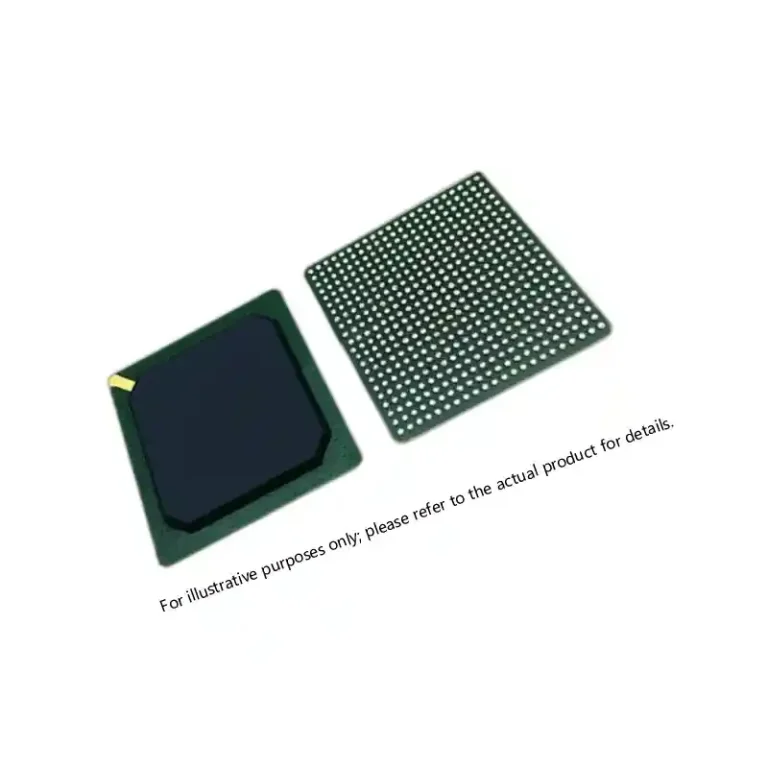
The 28 V output usually supports a larger processing chain. FPGA, CPLD, ADC, DAC, memory, and analog signal-chain devices may all draw from or interact with the same board-level power architecture. When reviewing the V24C28M100BN, it is useful to apply the same documentation and revision discipline to the adjacent components so that a verified power path does not connect to uncontrolled parts.
For processor and signal-processing cards, common adjacent hi-rel devices include Actel and Microsemi FPGA or CPLD families, high-speed converters, and supporting memory. Checking their package, speed, and temperature grades at the same time reduces the chance of a board-level mismatch during procurement or build.
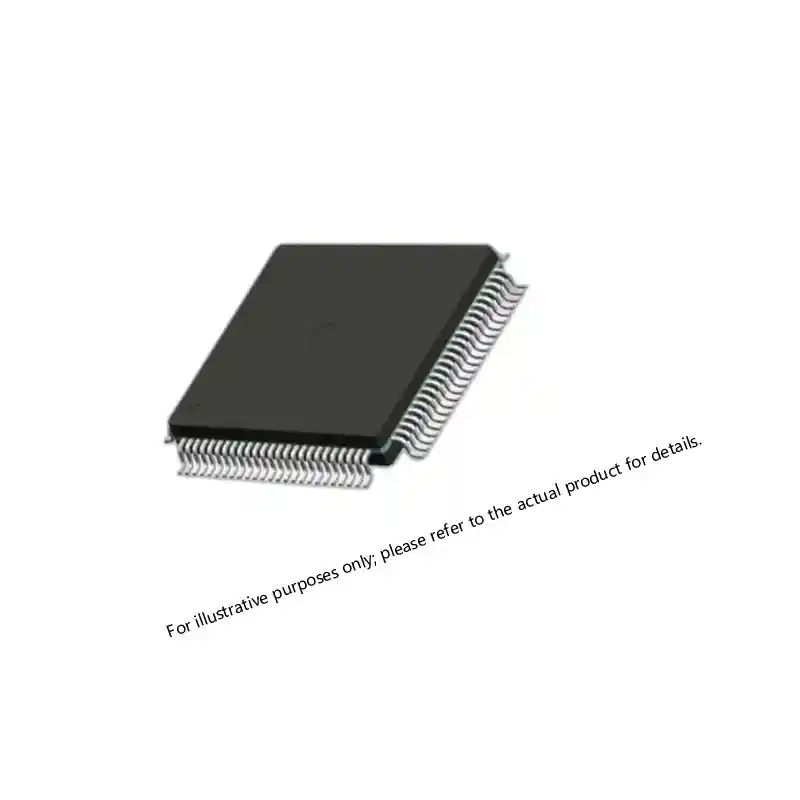
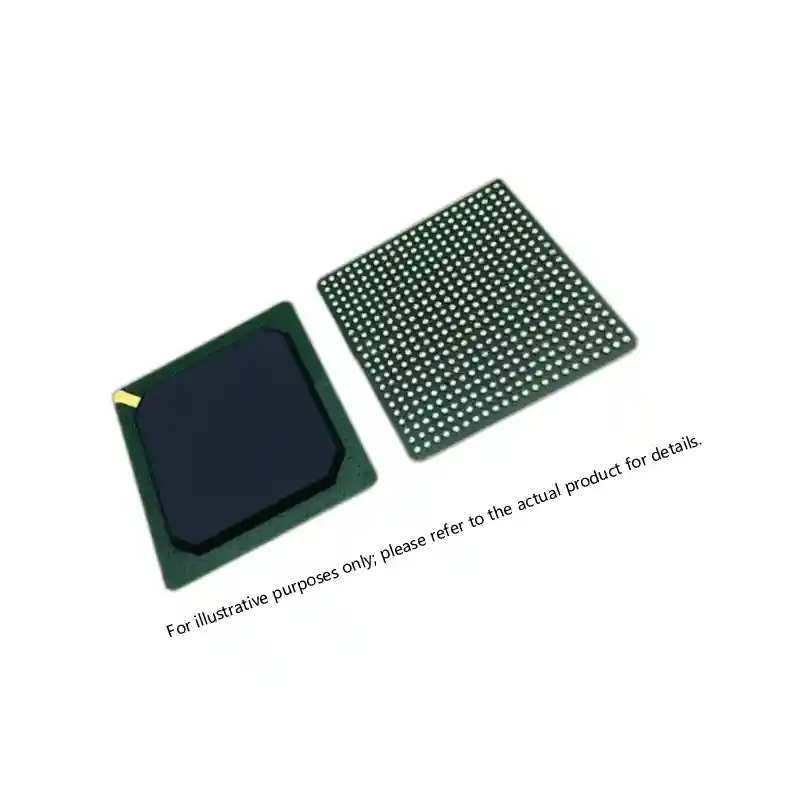
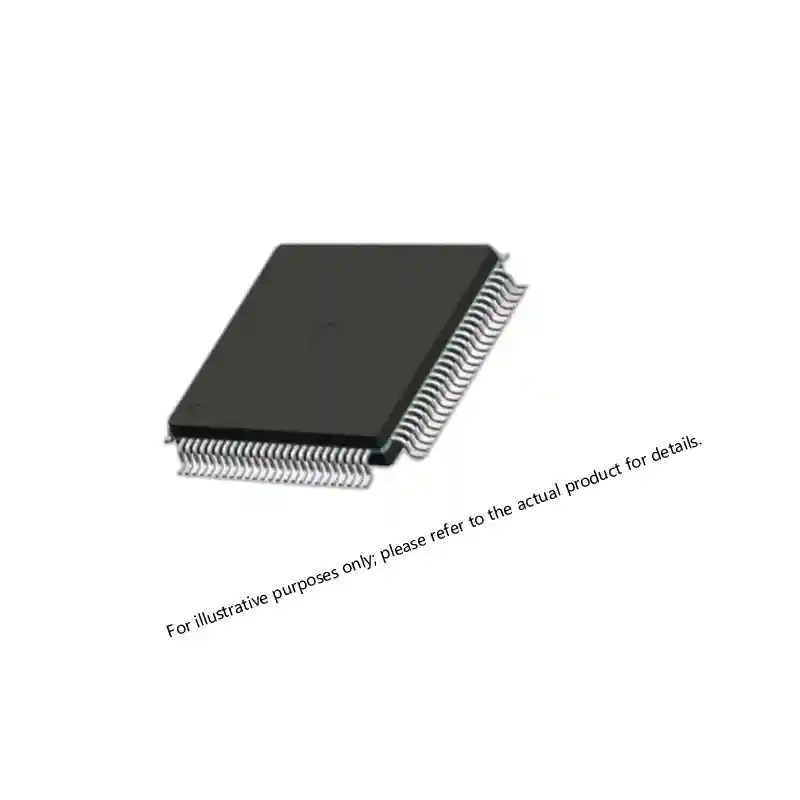
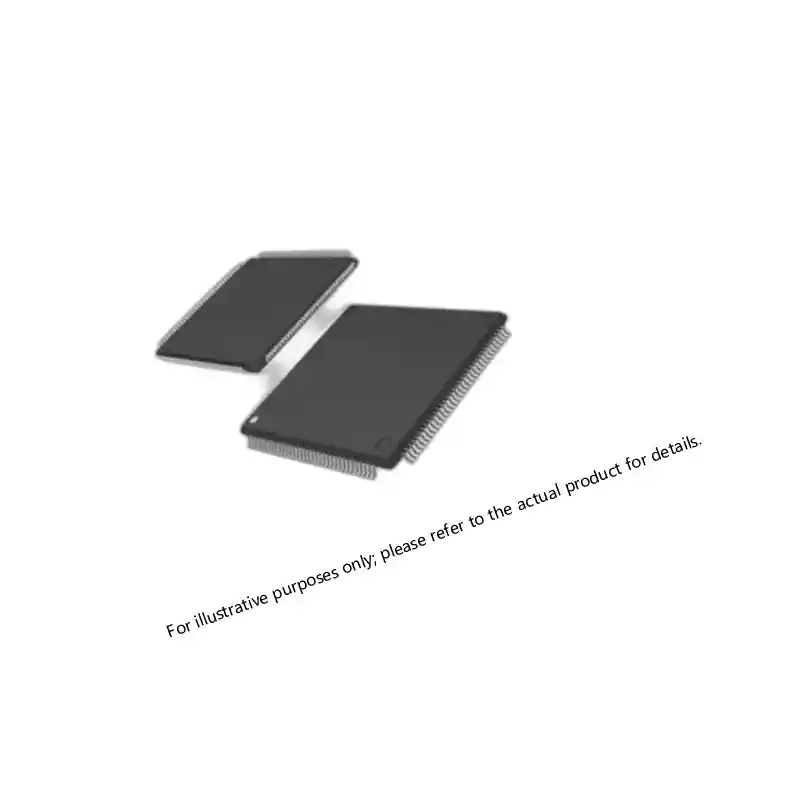
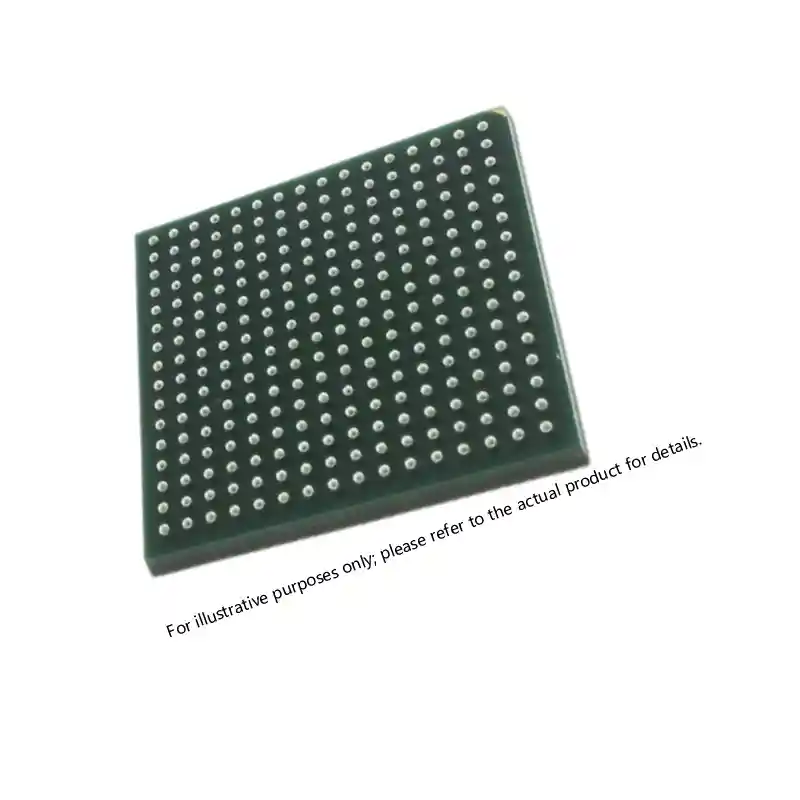
A coherent component package should begin with the power rail and continue through the digital and analog signal path. The goal is not to collect a list of part numbers, but to confirm that each line item can be supported with the same quality of evidence and the same continuity of supply.
Confirm the V24C28M100BN Build Before Ordering
Before placing an order, send the exact part number, required input range, output setpoint and tolerance, load profile, BN package drawing, temperature grade, screening requirements, and any C of C or test-report requirements. That information is enough to check current availability, date and lot status, and whether the offered devices match the build of record. Sparkle Electronics can assess the request against documented hi-rel supply requirements at xuansc2144@gmail.com.
FAQ
What does the BN package designation mean?
The BN suffix identifies a specific package and pin configuration within the V24C28M100BN product family. The exact dimensional and thermal characteristics should always be confirmed from the manufacturer’s mechanical drawing and datasheet for the exact revision. Do not substitute another suffix without rechecking the board fit and thermal path.
Is the V24C28M100BN suitable for a military program?
The part number alone does not establish suitability for a military program. The buyer must confirm the required temperature range, screening or testing, documentation, traceability, and source control against the program specification. The device may be suitable when those requirements are clearly stated and evidenced, but suitability is a review decision rather than an automatic property of the part number.
Can the V24C28M100BN operate from a 24 V battery bus?
The converter is specified around a nominal 24 V input, but the actual battery bus range must be compared with the manufacturer’s continuous and transient input ratings. A bus that drops below the required minimum or rises above the maximum during charging or load changes can cause shutdown, overheating, or damage. Confirm the full bus profile before design lock.
What documents should I request when buying this converter?
Request a Certificate of Conformance, lot or date information, manufacturer identification, and any test or screening records. If the part is destined for a controlled program, add chain of custody documents, incoming inspection records, and evidence of approved handling and storage. Keep the complete traceability file with the program’s quality records.
If you’re interested, check out these related articles:
Virtex-7 XC7VX690T: Performance, Reliability, and Integration
Virtex-7 690T FPGA: Performance for Mission-Critical Systems
Virtex-7 690T FPGA: Performance, Packaging, and Reliability Insights