V300A15M500BL: 300V to 15V 500W DC-DC Sourcing Guide
Table of Contents
- How the V300A15M500BL Part Number Defines the Power Module
- Electrical Fit: Input Bus, Output Rail, and Load Response
- Thermal and Mechanical Integration
- Procurement Risk and Authenticity Checks
- Documentation and Compliance for Defense Programs
- Sourcing and Long-Term Program Support
- Next Steps for Sourcing the V300A15M500BL
- FAQ
- Does the V300A15M500BL have a fixed 15 V output?
- Is the 500 W rating available across the full input and temperature range?
- What should I check before accepting a V300A15M500BL lot?
- Can this module replace another 15 V converter with the same power rating?
- What if my defense program needs lot traceability?
The V300A15M500BL identifies a Vicor Maxi DC-DC converter configured for 300 V nominal input, 15 V output, and 500 W rated output in a BL package. Part number recognition is only the first step; a defense or industrial program also needs to confirm input range, load derating, thermal requirements, traceability, and inspection records before this module is accepted for a mission-critical rail. Buyers who treat the part number as the complete specification often overlook that the 500 W rating depends on cooling and operating conditions. The following sections translate the V300A15M500BL identifier into sourcing and verification checks that reduce procurement risk.
How the V300A15M500BL Part Number Defines the Power Module
The V300A15M500BL nomenclature is structured, but it should be treated as a configuration identifier rather than a complete electrical specification. The V300 prefix points to the Vicor 300 V nominal input family, the 15 indicates the nominal output voltage, and the M500 segment reflects the 500 W output rating. The BL suffix identifies the package and pin configuration, which must be matched to the board or chassis interface before ordering.
| Segment | What it signals | Verification action |
|---|---|---|
| V300 | 300 V nominal input family | Confirm input range, inrush, and bus compatibility |
| 15 | 15 V nominal output | Confirm output trim range and load regulation |
| M500 | 500 W rated output | Confirm thermal and airflow conditions for that rating |
| BL | Package and lead configuration | Verify mounting style, pin length, and mechanical fit |
At the 500 W rating, the nominal output current is approximately 33 A. The current available to the load may be lower depending on baseplate temperature, airflow, input line conditions, and system derating. Do not use the part number alone to size the output bus or protection circuit.
Electrical Fit: Input Bus, Output Rail, and Load Response
The V300A15M500BL is not a universal 15 V source. The load profile, turn-on sequence, and output capacitor arrangement can affect stability and transient response. Before design freeze, the electrical interface should be reviewed against the manufacturer data sheet rather than assumed from the package label.
| Check | What to confirm | Why it matters |
|---|---|---|
| Input range | Low-line and high-line limits | Avoid shutdown or input overstress |
| Output voltage | Fixed 15 V or trim range | Match downstream regulators |
| Output current | Continuous and peak load | Prevent nuisance overcurrent or thermal stress |
| Load transient | Step size and slew rate | Confirm output deviation is acceptable |
| Protection | Overcurrent and overtemperature behavior | Ensure the module fails safe in the system |
For high-reliability applications, request the exact electrical data for the specific revision and lot. A converter from the same family may differ in control behavior, pin function, or available trim range.
Thermal and Mechanical Integration
The BL package and pin configuration determine how the module mounts and cools. A 500 W converter is not self-cooling. The allowable output power depends on the baseplate temperature, available airflow, and ambient operating environment. Procurement should request the manufacturer thermal derating data and use the same baseplate temperature reference during qualification as the final assembly.
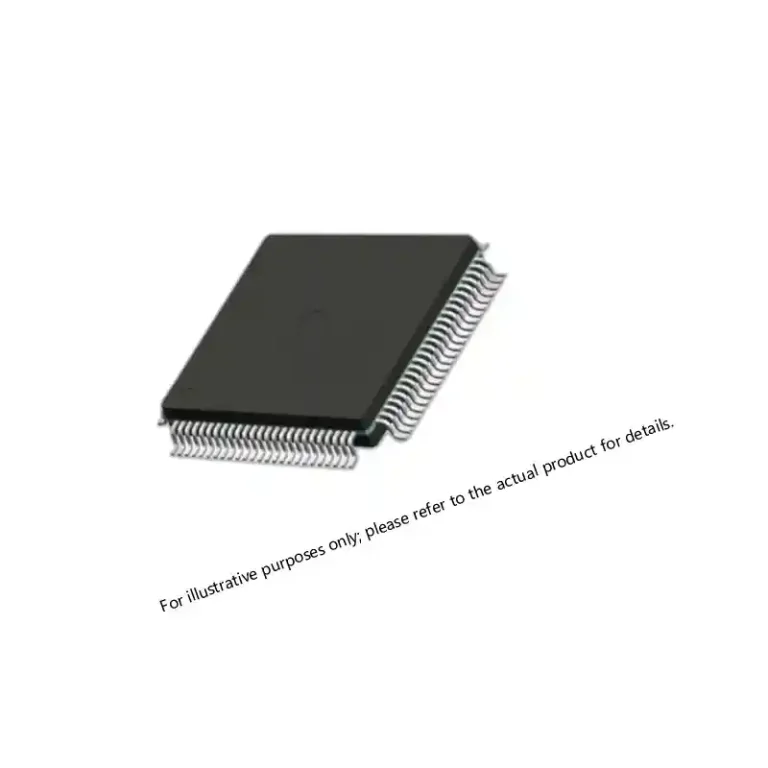
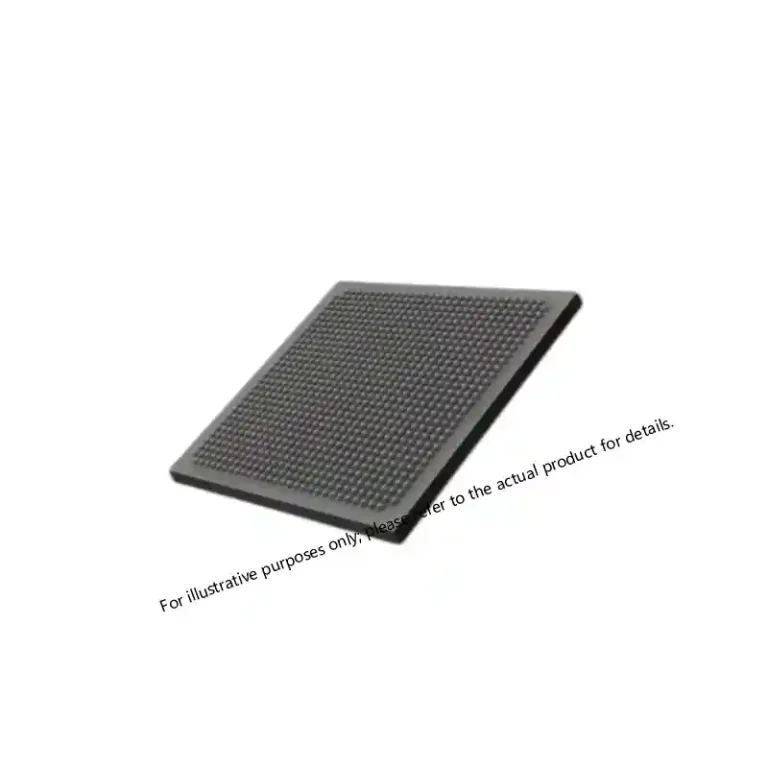
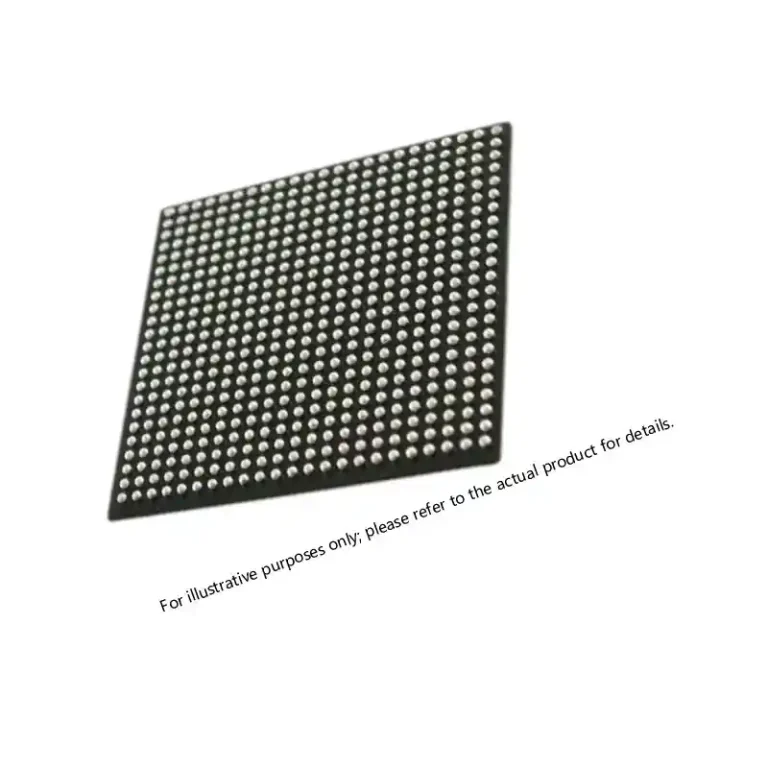
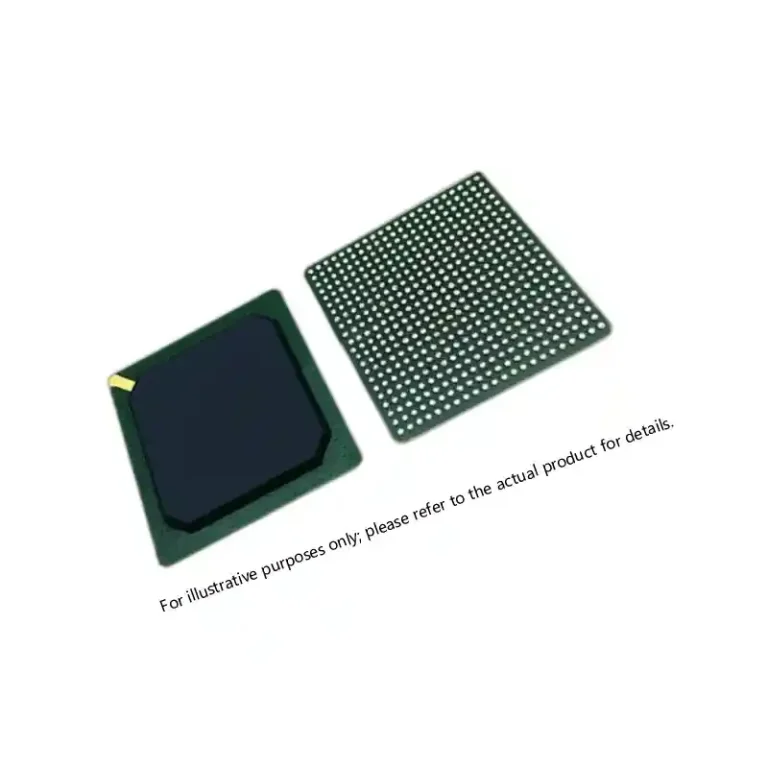
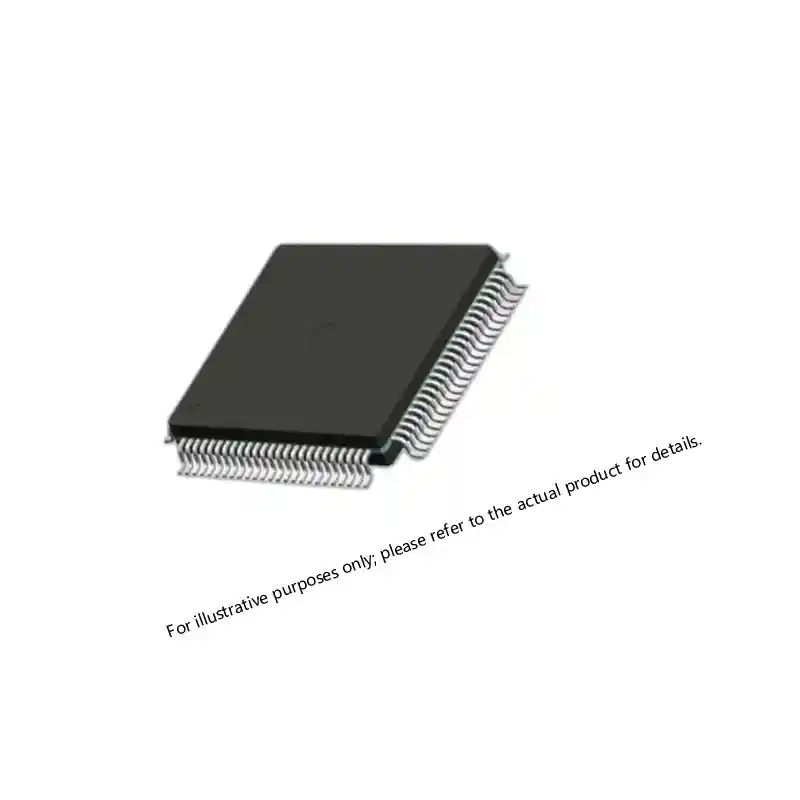
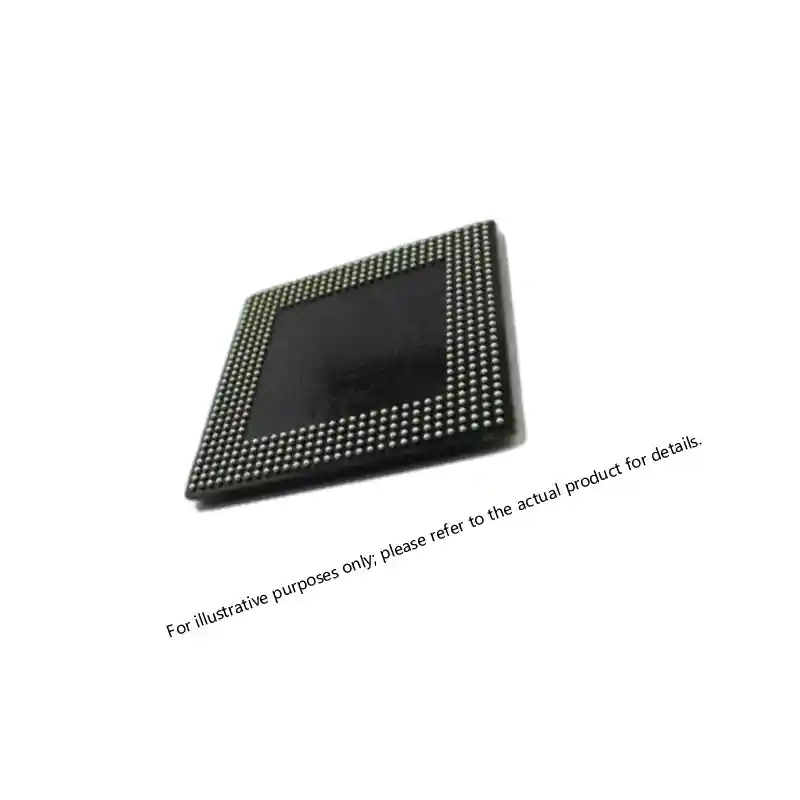
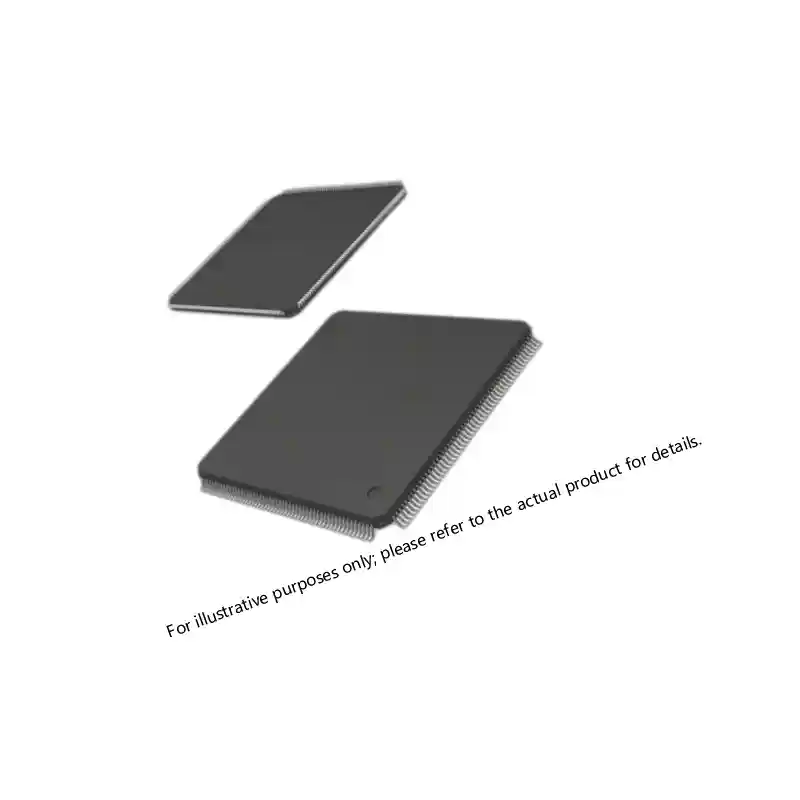
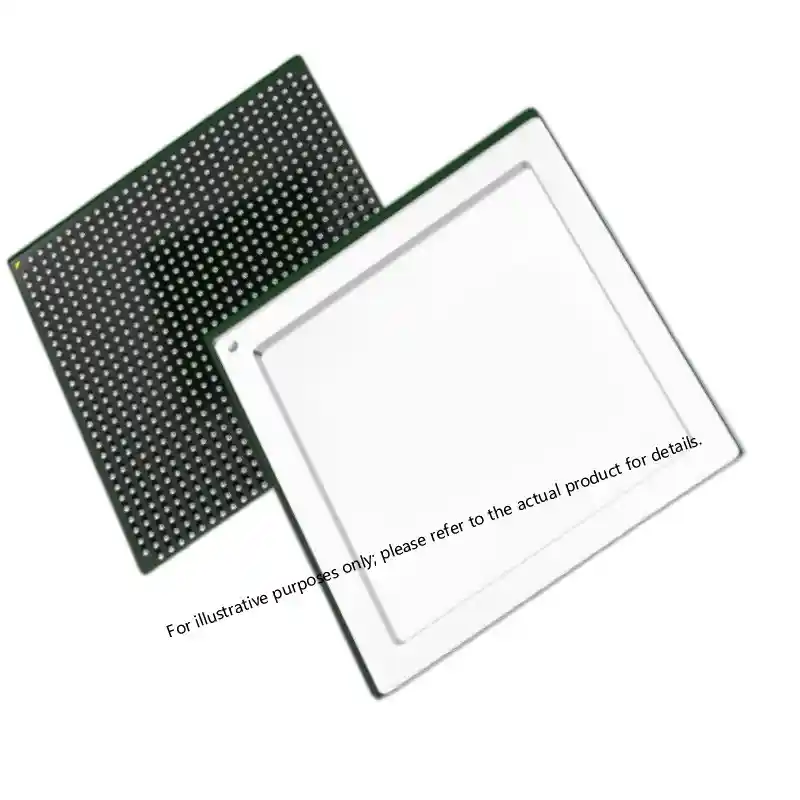
Mechanical review must also include pin length, board keep-out, chassis clearance, and mounting hardware. An electrical match without a mechanical and thermal match can pass incoming inspection and fail in the end system. The following component image records are representative supply-chain references for incoming visual comparison:
Procurement Risk and Authenticity Checks
A converter with the correct part number can still be unacceptable if the source is unknown. For defense and industrial programs, the supplier should provide the complete manufacturer part number, lot or date code information, and documentation showing origin and handling. The V300A15M500BL should be sourced through channels that can support traceability from the manufacturer or approved supply path.
No buyer should accept a part number as proof of authenticity. The incoming process should compare the physical part to the package suffix, pin configuration, and any lot-specific records. When the program requires deeper verification, additional inspection or electrical testing should be defined in the purchase order rather than assumed after shipment.
Documentation and Compliance for Defense Programs
Compliance begins with the request for quote and carries through incoming records. For defense and aerospace applications, the program may require certificates of conformance, lot traceability, lead or termination finish data, and evidence of controlled handling. When the module is not already qualified for the end application, buyers must distinguish between distributor documentation and qualification activity performed by the OEM or an approved test house.
A distributor inspection record is useful for screening, but it does not replace program qualification, electrical acceptance testing, or the approval authority required by the end system. The required documents should be listed in the purchase order so that a clean shipment and a clean paper trail arrive together.
Sourcing and Long-Term Program Support
Long-running programs need more than one transaction. The V300A15M500BL may be required for prototype builds, replenishment, repair, or end-of-life planning. Buyers should plan for revision changes, long lead times, minimum order quantities, and possible package or lead configuration differences. Ask the supplier to retain the exact part number and BL package suffix in the quote.
Sparkle Electronics supports defense and hi-rel procurement by requiring defined part numbers, traceable condition data, and agreed documentation before quoting. That discipline reduces the risk of receiving a similar module that does not match the program baseline.
Next Steps for Sourcing the V300A15M500BL
Send the required input bus range, output load profile, baseplate or ambient cooling conditions, required quantity, delivery window, and any program documentation requirements. That information allows the buyer and supplier to check the correct electrical, thermal, and compliance fit before commitment. Contact Sparkle Electronics at xuansc2144@gmail.com for a traceable quote.
FAQ
Does the V300A15M500BL have a fixed 15 V output?
The part number indicates a nominal 15 V output, but the exact output voltage behavior and any trim capability must be confirmed from the manufacturer data sheet for the specific revision. Do not design an external trim circuit without verifying the adjustment range and control requirements.
Is the 500 W rating available across the full input and temperature range?
No. The 500 W rating is a converter capability under defined thermal and electrical conditions. At higher baseplate temperatures, reduced airflow, or extended low-line input operation, the allowable output power may derate. The manufacturer derating curve should be used for the intended application rather than assuming full power in every environment.
What should I check before accepting a V300A15M500BL lot?
Check the complete part number and package suffix, lot or date code, manufacturer origin, handling and storage records, and any inspection data required by the program. The part number alone does not confirm authenticity, acceptable condition, or compliance with the end application.
Can this module replace another 15 V converter with the same power rating?
Not without a full electrical and mechanical review. The input range, pinout, isolation, load transient behavior, package dimensions, and mounting interface must be compared against the existing design. The same output voltage and power rating do not make two modules interchangeable.
What if my defense program needs lot traceability?
Request lot-specific documentation at the quote stage, not after shipment. The required records may include certificates of conformance, source of supply, date code, and evidence of controlled handling. Define those documents in the purchase order so the supplier can confirm they are available before shipment.
If you’re interested, check out these related articles:
XCKU115 UltraScale FPGA: Powering Critical Defense Systems
XCKU085 UltraScale FPGA: Performance for Critical Systems
Virtex-7 XC7VX690T: Performance and Reliability Insights