
XQV300-4CB228M QML Virtex FPGA: Sourcing and Compliance Guide
Table of Contents
- XQV300-4CB228M Part Number Decode
- QML Qualification Under MIL-PRF-38535
- Speed Grade -4 and CB228 Package Considerations
- Compliance Documentation and Incoming Inspection
- Sourcing Strategy and RFQ Checklist
- Sparkle Electronics Support for XQV300-4CB228M
- FAQ
- What is the difference between XQV300-4CB228M and a standard Virtex XCV300?
- What does the M suffix indicate?
- What documents should I require with a purchase?
- How should the -4 speed grade be evaluated?
- Why is the CB228 package risk assessed separately?
- References
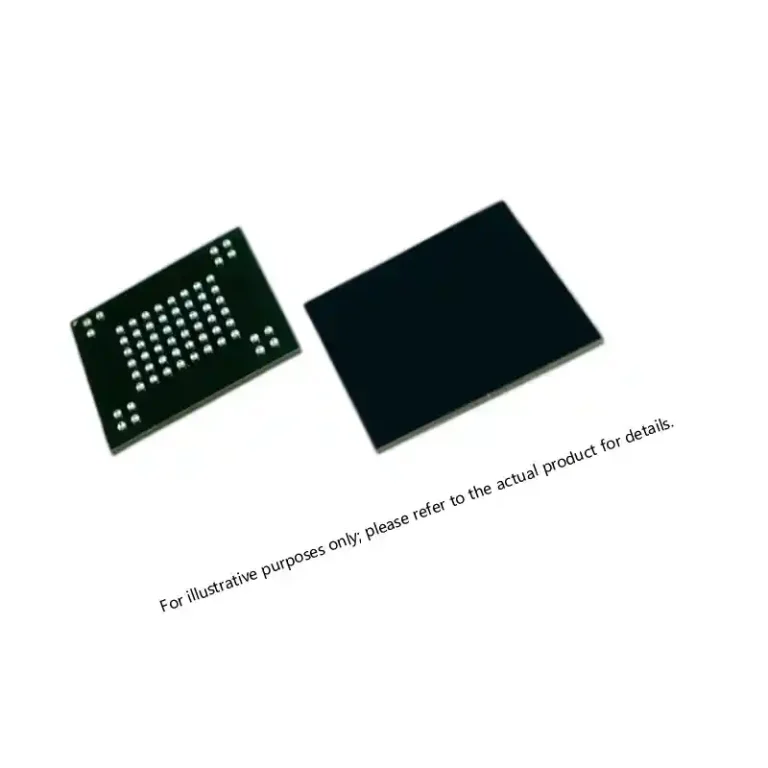
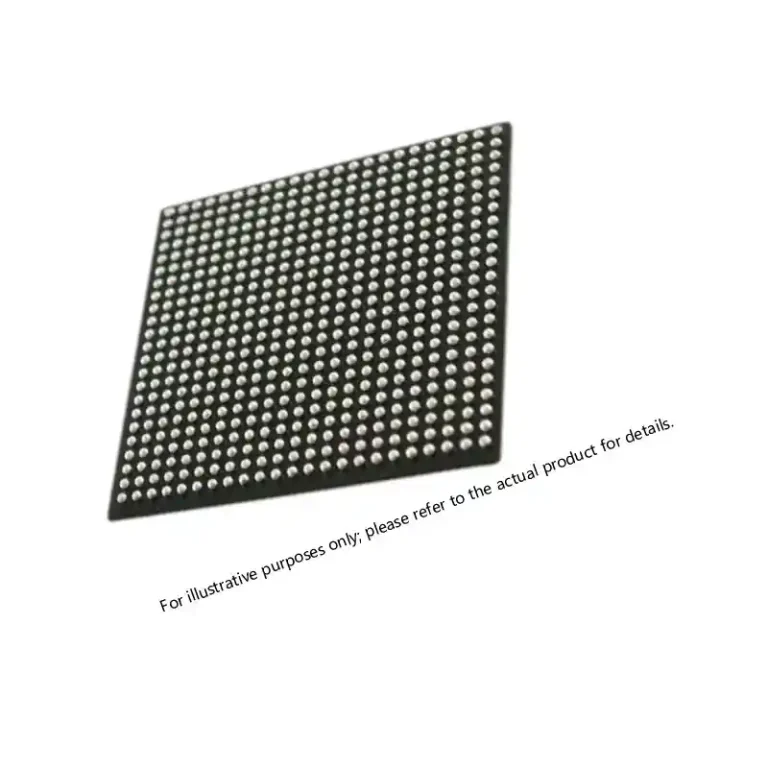
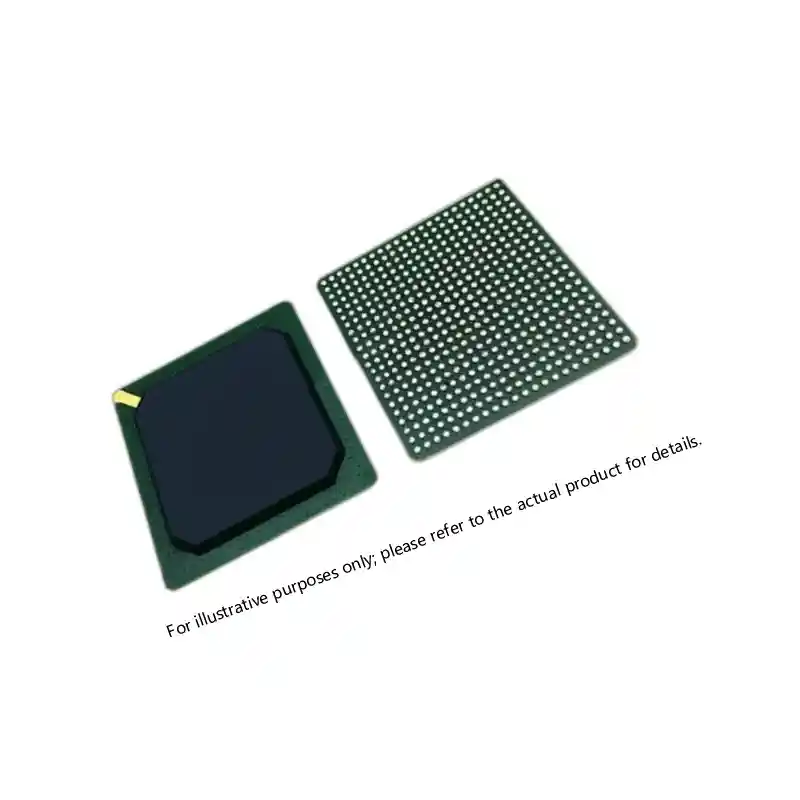
The XQV300-4CB228M is a QML-qualified Xilinx QPro Virtex 300 FPGA supplied in a 228-ball ceramic BGA package. For defense and aerospace buyers, the part number is more than an identifier: it encodes base device class, speed grade, package, and qualification suffix that must align with the approved part list. This guide covers the part-number decode, QML qualification, speed and packaging considerations, documentation, and sourcing requirements for procurement and engineering teams.
XQV300-4CB228M Part Number Decode
| Designation | Meaning | Procurement Note |
|---|---|---|
| XQV300 | Xilinx QPro Virtex 300 base device, commonly called a 300K-gate FPGA | Confirm exact system-gate and logic-cell counts from the applicable SMD |
| -4 | Speed grade sorting | Compare timing from the device SMD or speed file against design closure requirements |
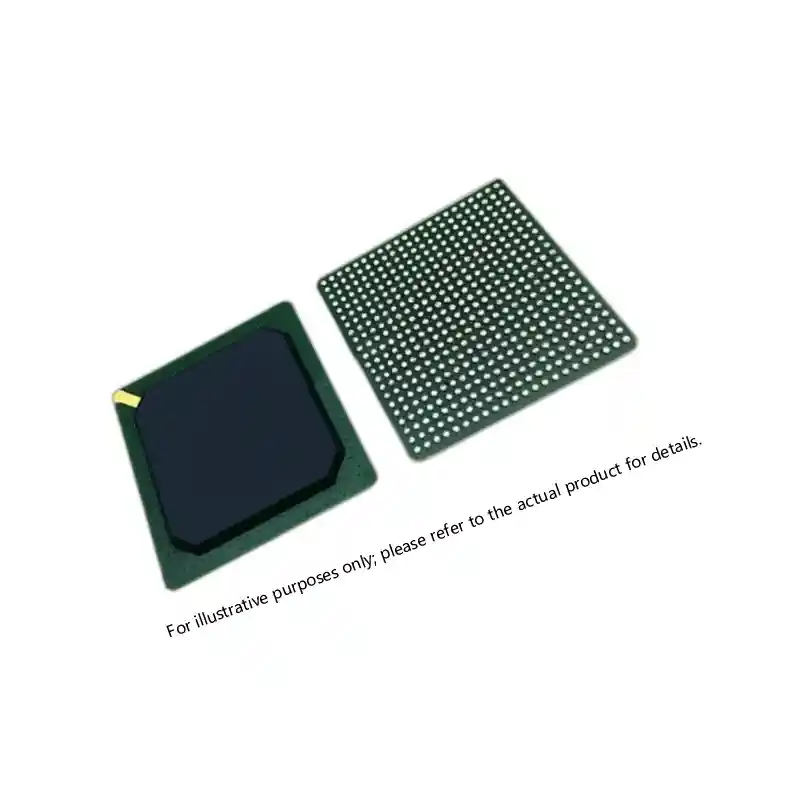
| CB228 | 228-ball ceramic ball grid array package | Confirm board layout, thermal cycling, and solder-joint compatibility |
| M | Military temperature and QML flow suffix | Verify the exact temperature range and qualification class in the SMD |
Although “300K” is common shorthand for the XQV300, the exact system gate count and logic resources must be read from the applicable Standard Microcircuit Drawing and device documentation. A suffix mismatch can move the part outside the approved QML configuration, so the purchase order, part marking, and certificate package must match the SMD device type exactly.
QML Qualification Under MIL-PRF-38535
QML stands for Qualified Manufacturers List. Devices that carry a QML designation come from a manufacturer whose quality system and product flows have been approved under MIL-PRF-38535 [1]. That approval is not a one-time event. It ties the manufacturer to controlled processes for wafer fabrication, assembly, screening, and qualification testing.
For the XQV300-4CB228M, the QML suffix indicates association with the QML flow rather than a purely commercial XCV300 flow, which is why substitution is not automatic. Screening and inspection follow the methods set out in MIL-STD-883, including electrical testing over the military temperature range, visual inspection, and lot traceability [2]. Buyers should still verify the exact screening level because QML parts can carry different classes and end-point options depending on the SMD.
QML qualification is only useful when the certificate chain stays intact through every resale step. <Virtex-7 690T FPGA: Performance for Mission-Critical Systems> covers how performance and mission-critical sourcing expectations change when QML-level traceability is required.
Speed Grade -4 and CB228 Package Considerations
The -4 speed grade defines timing bins that can affect timing closure. It should not be treated as a simple “faster” or “slower” marker without the SMD AC characteristics. Setup, hold, clock-to-out, and routing-dependent delays all follow from the speed file, not from the suffix alone.
The CB228 package adds mechanical and thermal constraints. It is a 228-ball ceramic package, so board flatness, solder-joint reliability, and thermal cycling should be evaluated against the program’s vibration profile and mission environment under MIL-STD-810 [3]. Request the applicable SMD before quoting. The SMD will state the exact temperature range, screening levels, marking requirements, and amendment status. If a supplier cannot identify the SMD, the quote is incomplete.
Packaging transitions and reliability data are often the weakest link in legacy FPGA sourcing. <Virtex-7 690T FPGA: Performance, Packaging, and Reliability Insights> covers packaging and reliability comparisons that can guide CB228 packaging risk assessment.
Compliance Documentation and Incoming Inspection
Defense procurement should not accept a part with an invoice alone. Before material arrives, require:
- Exact Certificate of Conformance referencing purchase order, part number, SMD, lot/date code, and quantity.
- QML endorsement or manufacturer qualification evidence.
- Test and screening reports traceable to the lot.
- Certificate of origin and chain of custody.
- Packing documentation covering ESD, dry-pack, and shelf-life status.
On receipt, inspect the material according to MIL-STD-883 methods for marking consistency, moisture barrier integrity, ESD handling, and lead condition [2]. Incoming lot verification should be completed before the parts enter controlled stock.
If you already have an RFQ packet for XQV300-4CB228M and need a traceable quote with C of C support, send the exact part number, SMD, target date, and quantity to xuansc2144@gmail.com. We will confirm documentation availability before pricing.
Sourcing Strategy and RFQ Checklist
Because QML Virtex parts often support long-duration programs, sourcing should be based on evidence rather than availability alone. If a supplier quotes a low price without lot/date traceability or certification, the total cost is incomplete. Use the RFQ fields below to compare responses equally.
| RFQ Field | Why It Matters |
|---|---|
| Exact part number XQV300-4CB228M | Prevents lookalike or commercial substitution |
| SMD / device type | Locks the QML configuration |
| Required lot/date code | Supports program traceability |
| QML certification / C of C | Verifies qualified source |
| Test and screening report | Confirms MIL-STD-883 or SMD screening |
| Origin / chain of custody | Reduces counterfeit risk [4] |
| Quantity and target date | Determines stock allocation |
| Price basis and lead time | Allows equal comparison of lead-time risk |
Legacy Actel parts follow similar compliance-driven sourcing patterns to older Virtex devices. <A1020B-PG84B ACT2 FPGA: Specs, Sourcing, and Availability> covers specification-to-availability gaps that also appear in QML FPGA procurement.
Sparkle Electronics Support for XQV300-4CB228M
Sparkle Electronics maintains hi-rel FPGA inventory and supports defense buyers with exact-part matching, documentation gathering, testing coordination, and long-term supply. To request a compliant quote for XQV300-4CB228M, send your RFQ with the fields above to xuansc2144@gmail.com.
Include “XQV300-4CB228M RFQ” in the subject line, the required SMD or date code, quantity, and destination country so the inquiry can be routed without delay. Our team will confirm part availability, documentation, and export-control handling before quote finalization.
FAQ
What is the difference between XQV300-4CB228M and a standard Virtex XCV300?
The XQV300 is associated with the QML qualification flow and military temperature requirements. It is not automatically interchangeable with a commercial XCV300. Verify the SMD, marking, and certificate package before substituting.
What does the M suffix indicate?
The M suffix generally corresponds to a military temperature and QML flow designation in this part family, but the exact temperature range and qualification class must be confirmed from the applicable SMD.
What documents should I require with a purchase?
Require a Certificate of Conformance, SMD or device type confirmation, QML evidence, lot test or screening reports, origin documentation, and chain of custody.
How should the -4 speed grade be evaluated?
Compare the timing from the device SMD or speed file to your design constraints. Do not infer timing performance from the suffix alone.
Why is the CB228 package risk assessed separately?
Ceramic BGA solder-joint reliability and board compatibility under thermal cycling and vibration may require evaluation against MIL-STD-810 [3].
References
[1] U.S. Department of Defense. MIL-PRF-38535, Integrated Circuits (Microcircuits) Manufacturing, General Specification for.
[2] U.S. Department of Defense. MIL-STD-883, Test Method Standard, Microcircuits.
[3] U.S. Department of Defense. MIL-STD-810, Environmental Engineering Considerations and Laboratory Tests.
[4] U.S. Department of Defense. Defense Federal Acquisition Regulation Supplement, DFARS 252.246-7007, Counterfeit Electronic Part Detection and Avoidance.
If you’re interested, check out these related articles:
Virtex-7 XC7VX690T: Performance, Reliability, and Integration
XC7VX485T FPGA: Virtex-7 Performance for Defense