Military-Grade UAV Components: Sourcing for Drone Systems
August 19, 2026
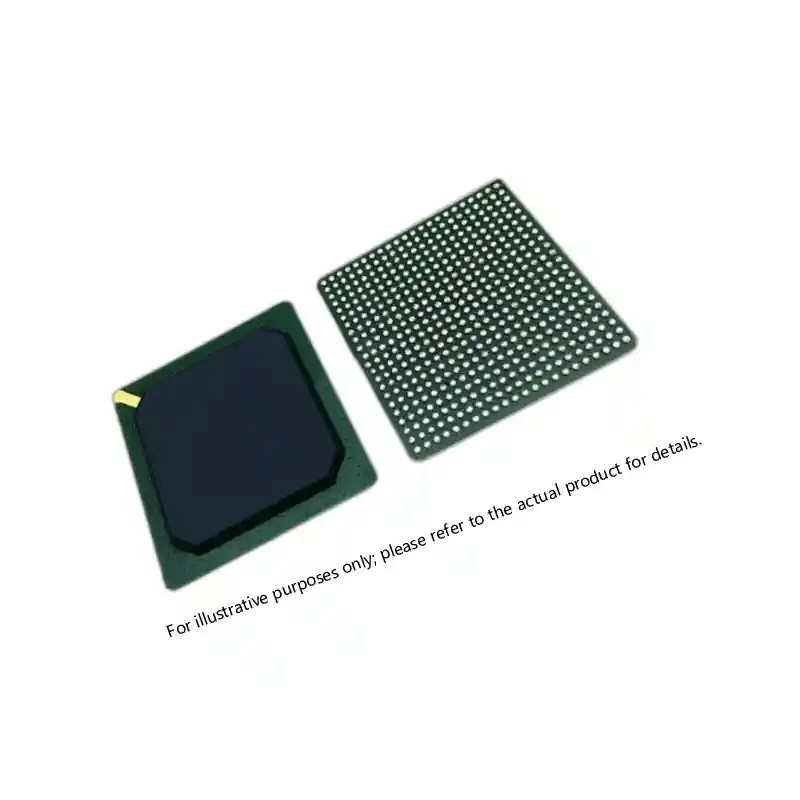
The hardest part of sourcing military-grade UAV components is not finding a part number; it is proving that the part wil……

The hardest part of sourcing military-grade UAV components is not finding a part number; it is proving that the part wil……
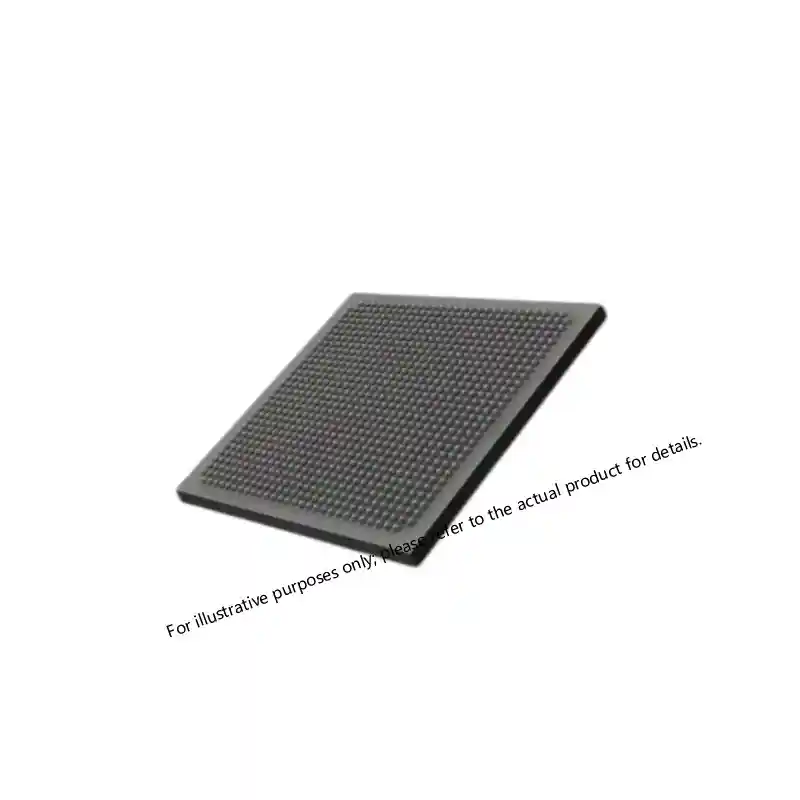
ARINC 429 transceivers and receivers are low-speed in name and high-stakes in application. A missing certificate of conf……
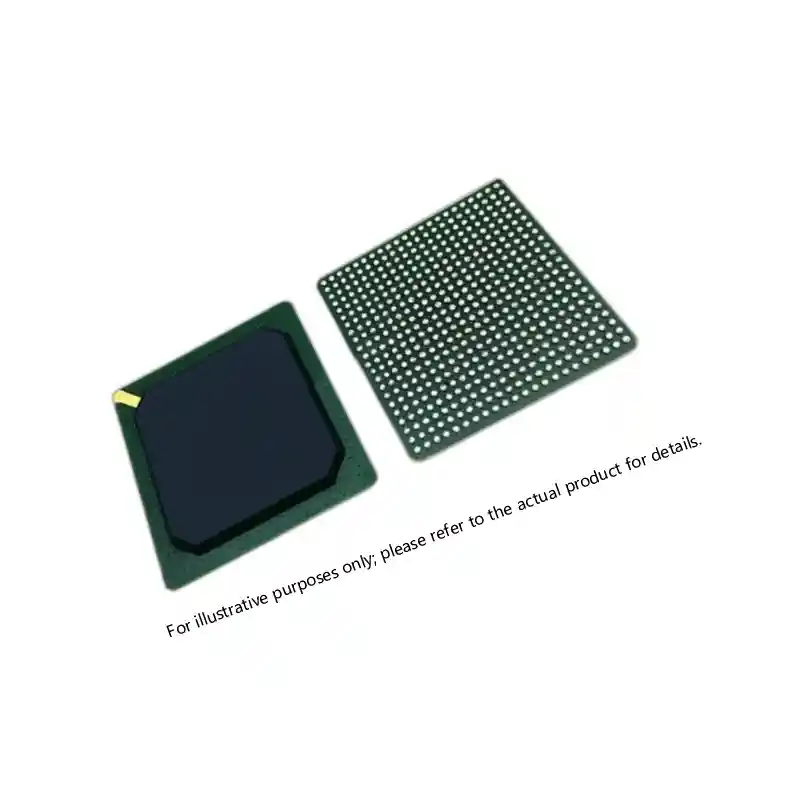
MIL-STD-1553 ICs carry a small share of a modern avionics bill of materials, but they cause a disproportionate number of……
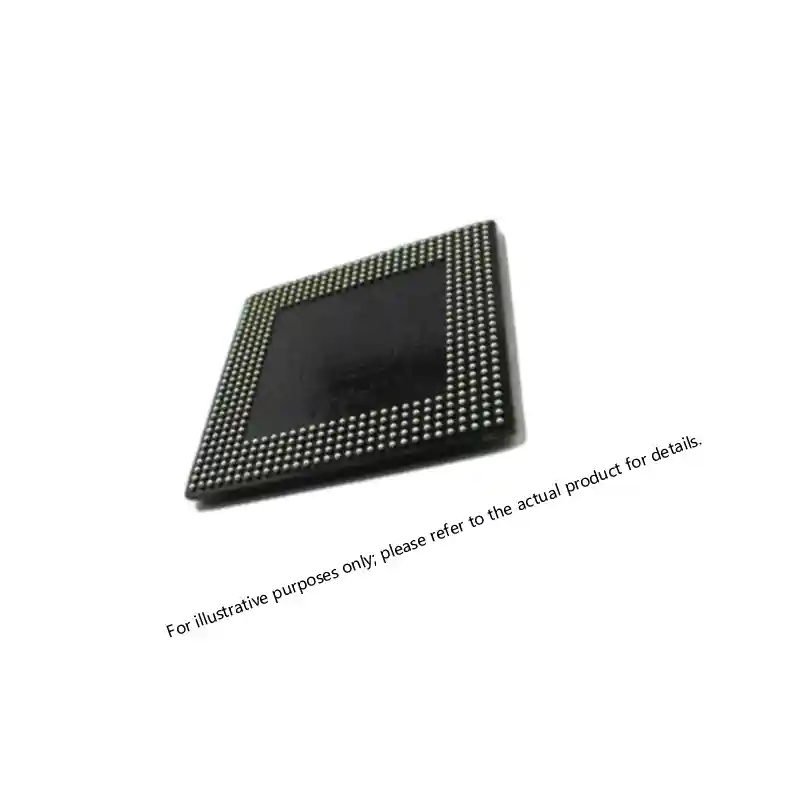
Defense avionics programs do not fail because of the 1553 bus concept; they stall when the wrong MIL-STD-1553 IC supplie……
DDC MIL-STD-1553 ICs sit at the center of avionics data buses that defense programs cannot afford to redesign. A part nu……
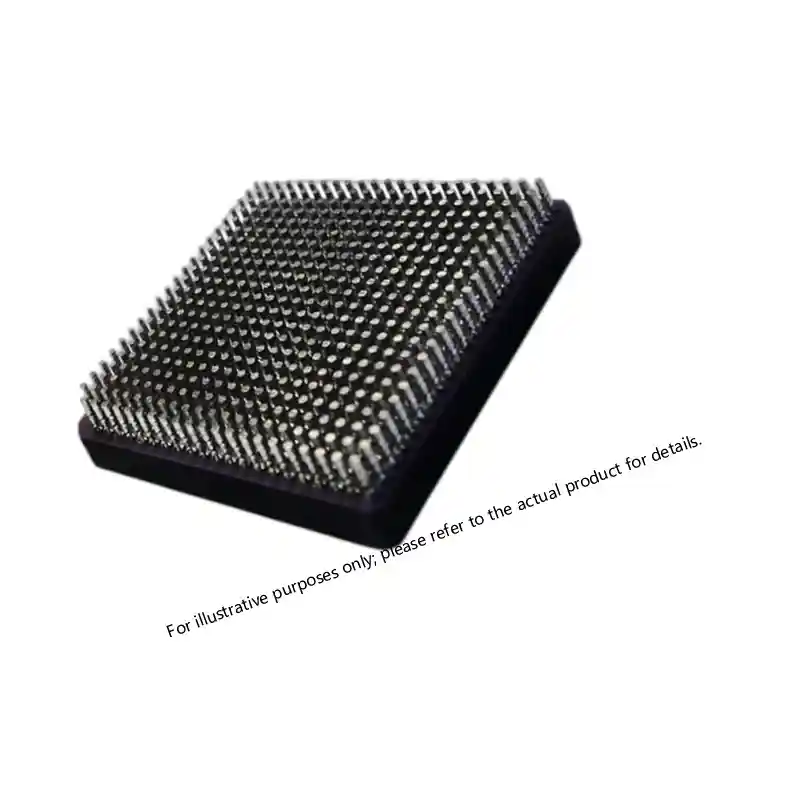
Defense avionics programs do not get second chances when a data bus interface fails. Holt MIL-BUS ICs have become a defa……
A military part number decoder that only splits the digits solves half the problem. The 5962 series follows MIL-PRF-3853……
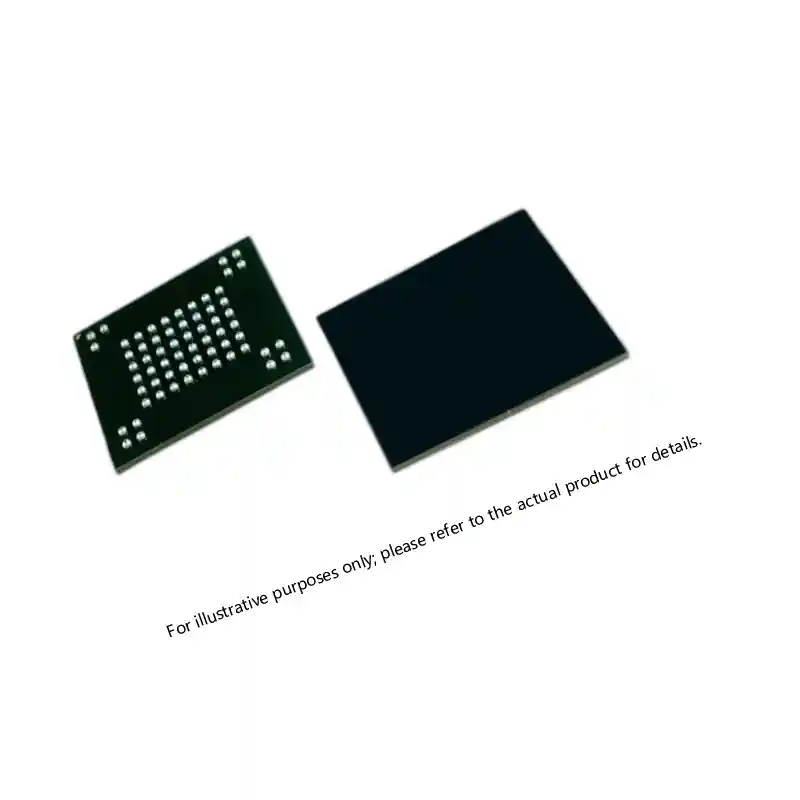
Cross referencing military part numbers is one of the procurement tasks where a formatting difference creates a false ma……
Military-grade parts identification depends less on memorizing part numbers than on knowing which data fields confirm a ……
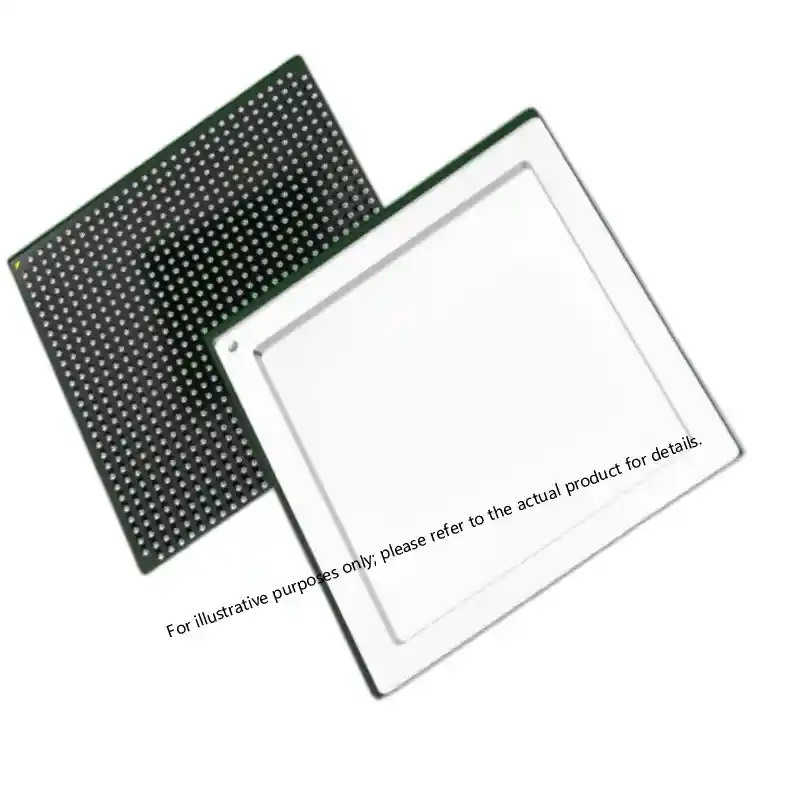
Military tantalum capacitors hold a narrow position in defense electronics because commercial parts cannot carry the sam……