Salt Fog Rated Military ICs for Naval Environments
Table of Contents
- How Salt Fog and Humidity Degrade Naval Electronics
- MIL-SPEC Environmental Ratings That Matter for Salt Fog
- Package Types and Materials That Withstand Corrosive Naval Conditions
- Verifying Salt Fog Compliance Before You Buy
- Long-Term Supply Considerations for Naval-Grade Components
- Common Questions About Salt Fog Rated Military Components
- Do I need hermetic packages for below-deck electronics, or is conformal coating enough?
- How do I compare salt fog test results between MIL-STD-883 Method 1009 and commercial corrosion tests?
- What is the most common salt fog failure mode you see in field returns?
- Can I upscream a commercial part to meet salt fog requirements, or do I need a QML device?
Naval electronics operate in one of the most aggressive corrosion environments on the planet. Salt-laden air, continuous high humidity, and the thermal cycling between deck-level heat and air-conditioned compartments create conditions that degrade unprotected components within months. While most procurement teams focus on enclosure sealing and conformal coating at the system level, the component-level selection decision, specifically which ICs carry the right salt fog and humidity ratings, determines whether a circuit survives the first deployment or fails mid-mission. In programs we have supported, the difference between a part that passes initial qualification and one that lasts five years at sea comes down to three factors: the environmental test credentials on the datasheet, the package material, and the supply chain that guarantees you receive exactly what was qualified.
How Salt Fog and Humidity Degrade Naval Electronics
Salt fog does not simply coat a circuit board. It deposits chloride ions that form a conductive electrolyte film across exposed metal surfaces. When humidity stays above 70 percent RH, as it routinely does in shipboard electronics bays and topside enclosures, that film becomes active. The result is galvanic corrosion between adjacent pins, bond pad dissolution inside non-hermetic packages, and dendritic growth that creates leakage paths where none existed on the schematic.
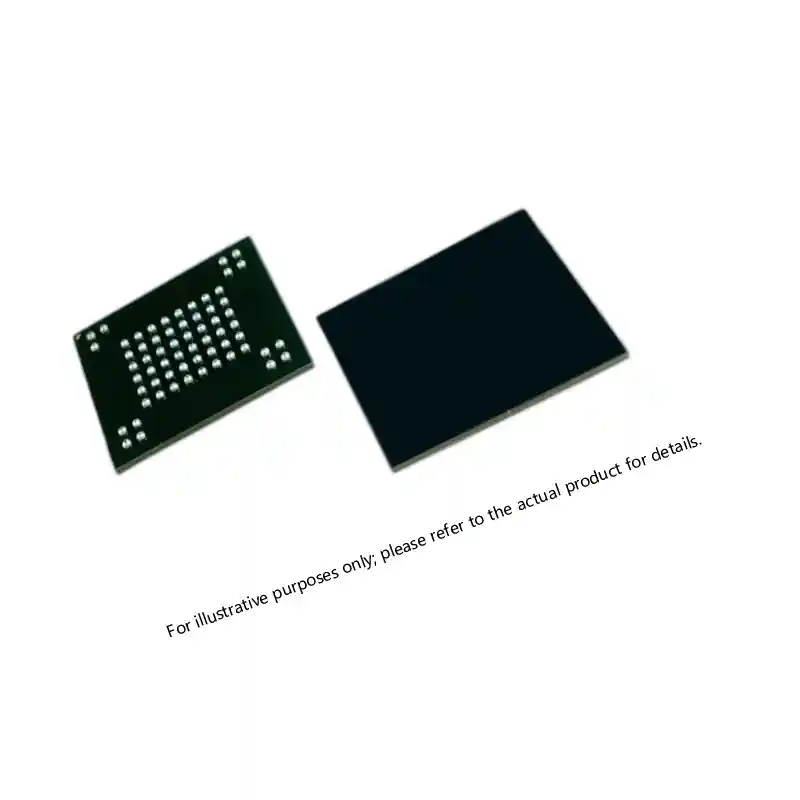
The failure mechanism inside an IC follows a predictable sequence. Moisture penetrates the package through the leadframe-to-molding-compound interface or through microcracks in the package body. Once inside, the combination of chloride contamination from salt spray and bias voltage across internal bond pads triggers electrochemical migration. We have seen this produce intermittent short circuits that are nearly impossible to diagnose because the dendrite disappears when the board is powered down for bench testing, only to re-form when voltage is reapplied at sea. For mixed-signal parts like ADCs and DACs, the first symptom is often a drift in offset voltage or an increase in noise floor, subtle degradation that can be mistaken for a calibration issue rather than a corrosion problem.
Temperature swings compound the humidity effect. When a topside enclosure heats to 60 degrees Celsius in direct sunlight and then cools rapidly as the ship moves through a squall, the pressure differential across the package seal pulls moisture inward. Components rated for industrial temperature range lack the hermeticity margins to survive this cycle count. Military-qualified parts subjected to MIL-STD-883 Method 1009 salt atmosphere testing and Method 1010 temperature cycling address this specific failure pathway.
MIL-SPEC Environmental Ratings That Matter for Salt Fog
Not all environmental test methods are equal for naval conditions. Procurement engineers need to know which MIL-STD test methods correlate to salt fog survival and which address unrelated environmental stresses. The three test standards that directly govern salt fog and humidity resistance in military ICs are MIL-STD-883 Method 1009 (Salt Atmosphere), MIL-STD-883 Method 1004 (Moisture Resistance), and MIL-STD-202 Method 103 (Humidity, Steady State).
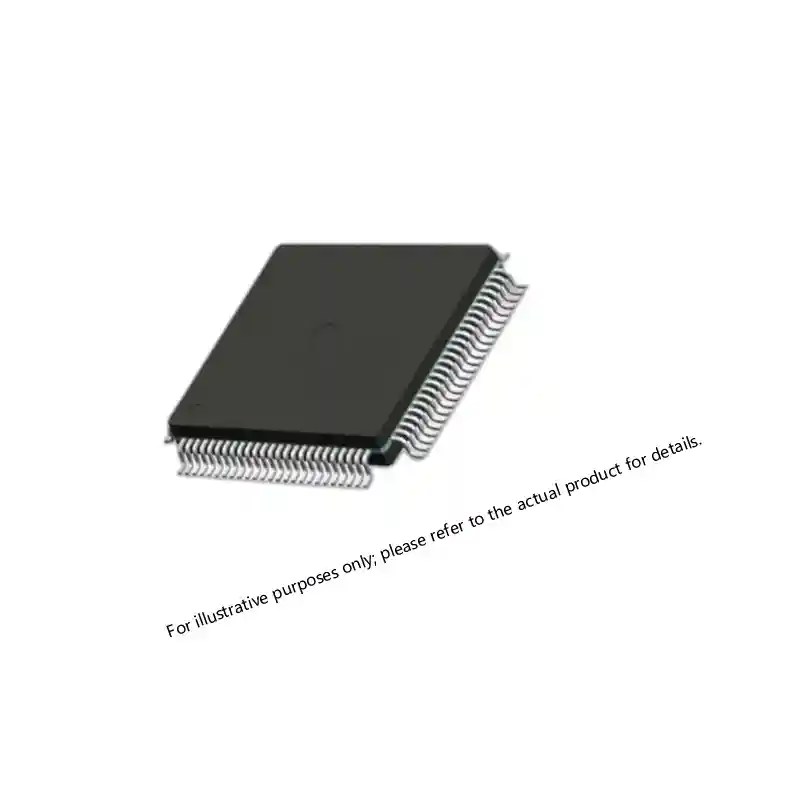
MIL-STD-883 Method 1009 exposes components to a fine salt fog mist at 35 degrees Celsius for 24 or 48 hours depending on the specified condition. Passing this test means the part shows no evidence of corrosion on exposed metal surfaces and no degradation in electrical parameters after exposure. However, Method 1009 alone is insufficient for naval applications because it tests corrosion resistance with the part unpowered and unbiased. In real shipboard operation, components sit at operating voltage in humid conditions for thousands of hours. That is why Method 1004 (Moisture Resistance) matters more for long-term reliability at sea. It cycles the part through 10 days of temperature and humidity cycling with bias applied, verifying that no internal corrosion or dendritic growth occurs under powered conditions.
For system-level qualification, MIL-STD-810 Method 509 tests salt fog exposure at the equipment level, but this addresses enclosure performance, not component-level robustness. We advise customers to look for parts that carry qualification to MIL-PRF-38535 QML Class Q or Class V, which includes salt atmosphere and moisture resistance screening as part of the standard test flow, rather than relying on one-time qualification data from the OEM.
Beyond the primary salt and humidity tests, two related standards deserve attention. MIL-STD-883 Method 1010 (Temperature Cycling) verifies that the package can survive the thermal excursions that drive moisture ingress in naval environments. Method 2009 (External Visual) is the post-test inspection that catches corrosion evidence after environmental exposure. When reviewing a part’s qualification summary, confirm that both the test method and the post-test inspection are documented, not just the test exposure itself.
Package Types and Materials That Withstand Corrosive Naval Conditions
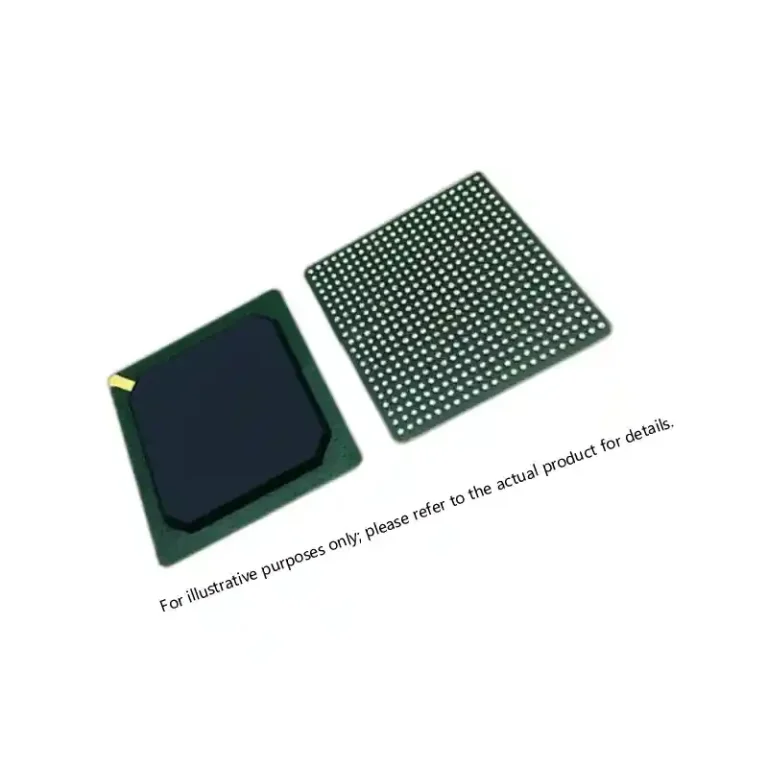
The package is the first line of defense against salt fog, and the choice between hermetic and non-hermetic packaging is the single most consequential decision in naval component selection. Hermetic packages, ceramic DIPs, flatpacks, LCCCs, and metal-can packages with welded or soldered seals, prevent moisture ingress at the molecular level. They do not rely on the molding compound to act as a moisture barrier. For naval topside applications where salt spray is direct and continuous, hermetic ceramic packaging is the baseline requirement, not an option.
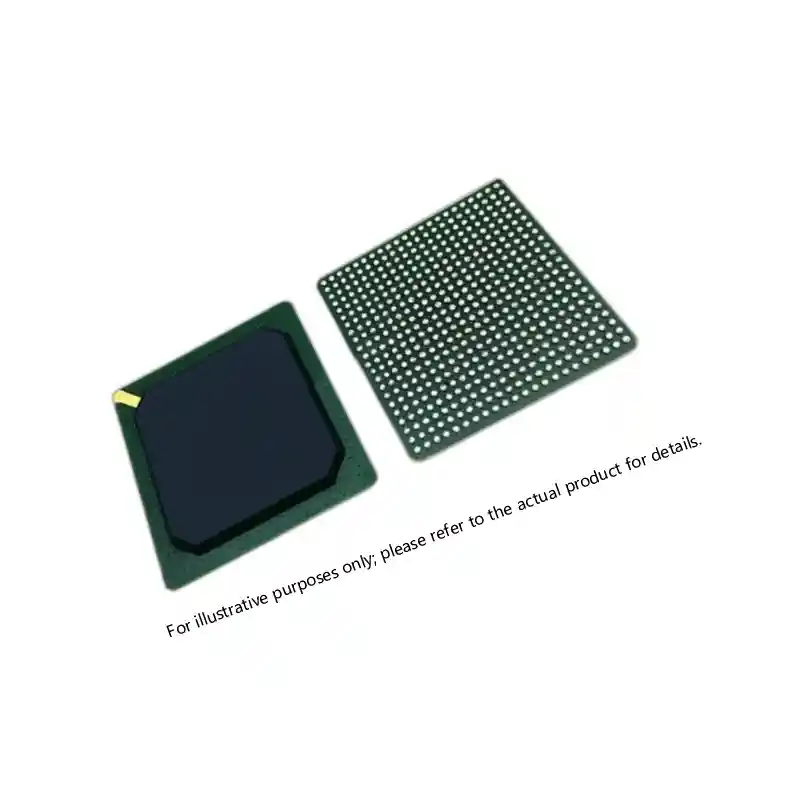
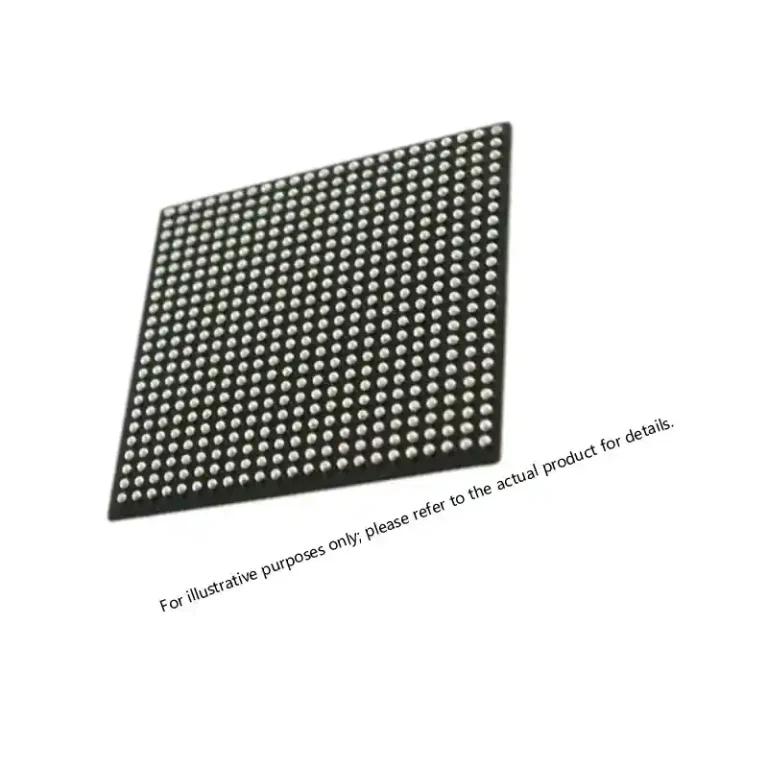
Non-hermetic plastic packages dominate the commercial and industrial market, and some are qualified to MSL (Moisture Sensitivity Level) ratings that suggest humidity tolerance. MSL 1 parts are rated as unlimited floor life at 30 degrees Celsius and 85 percent RH, and on paper this looks adequate for shipboard use. In practice, MSL ratings address moisture absorption during solder reflow, not long-term electrochemical corrosion under bias. A plastic BGA that passes MSL 1 testing can still develop internal corrosion after 18 months in a naval environment because the molding compound provides no ionic barrier. Chloride ions eventually reach the die surface.
For mixed-technology boards where hermetic parts are not available in the required function, we recommend parts in ceramic-substrate BGA or flip-chip packages with underfill that has been qualified to MIL-STD-883 Method 5011 (Polymeric Adhesive Evaluation). These are not true hermetic packages, but the combination of a ceramic interposer and a well-characterized underfill provides a substantially longer corrosion-free service life than a standard plastic BGA. In one naval radar program we supported, migrating the FPGA from a commercial plastic BGA to a ceramic-column grid array with qualified underfill extended the mean time between corrosion-related failures from approximately 14 months to over four years.
Lead finish also matters. Tin-lead hot solder dip finishes provide better corrosion resistance in salt fog than pure tin or nickel-palladium-gold finishes because the lead oxide that forms on the surface is self-limiting and non-conductive. Pure tin finishes risk tin whisker formation, and in the presence of chloride contamination, the whisker growth rate accelerates. For naval applications, we specify MIL-PRF-38535 compliant tin-lead finishes on all leaded components unless the program has an explicit RoHS exemption strategy.
Verifying Salt Fog Compliance Before You Buy
Documentation is where procurement meets reliability. A datasheet that lists salt atmosphere or moisture resistance testing is a starting point, but it does not constitute verification that the specific production lot you are buying actually passed those tests. In our experience supporting defense procurement teams across multiple naval programs, three verification steps separate components that will fail at sea from those that will survive.
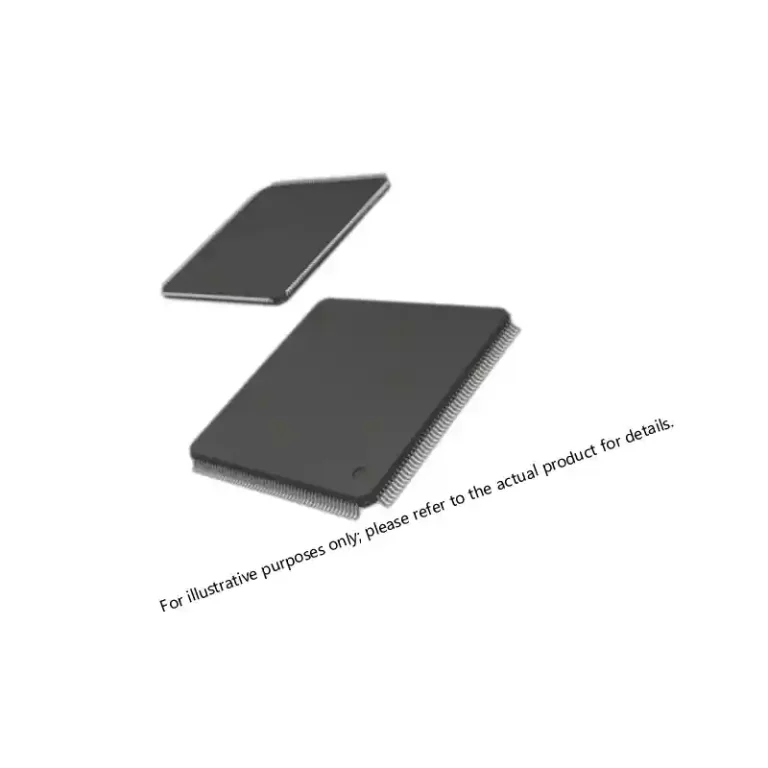
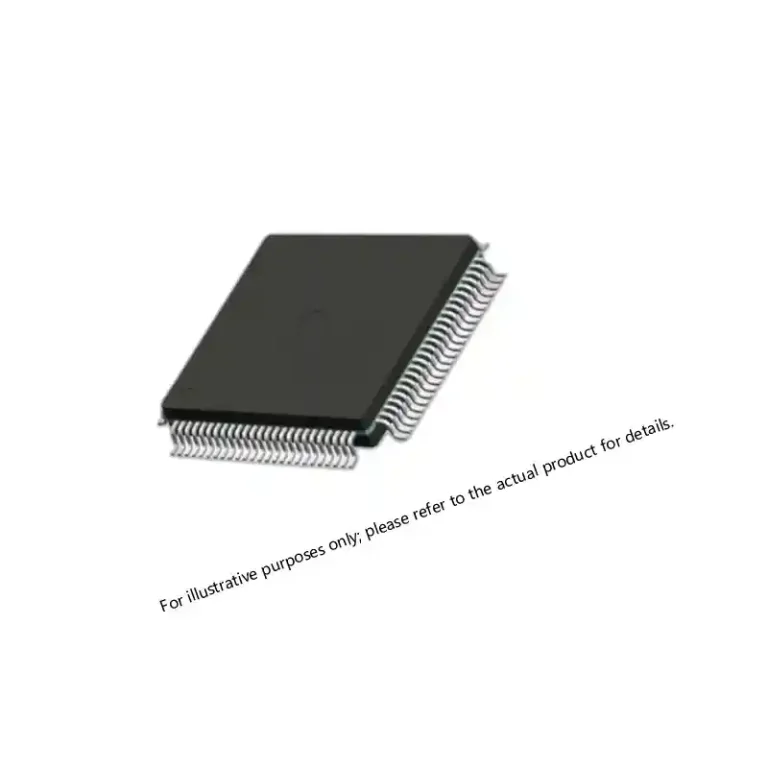
First, request the qualification test report for the exact part number and package variant. Many OEMs qualify a device in one package type and then extend the qualification to other package options by similarity. For salt fog, similarity arguments are weak because the corrosion resistance is package-dependent, not die-dependent. A Ceramic LCCC-qualified part does not automatically qualify the same die in a plastic QFP. The qualification report must cover the specific package and lead finish combination on your purchase order.
Second, confirm lot-level conformance testing. QML Class Q and Class V devices undergo Group A, B, C, and D testing on each production lot, which includes salt atmosphere and moisture resistance as part of Group C or D depending on the device type. The Certificate of Conformance must reference the lot date code and the test group results. If your distributor cannot provide lot-level test documentation, you are buying based on type qualification alone, which does not protect against process shifts at the foundry or assembly house.
Third, inspect incoming parts against the purchase order and the qualification documentation before they enter your stockroom. This is not a functional test. It is a documentation audit plus external visual inspection under magnification for any evidence of corrosion, lead finish inconsistencies, or package damage. We have caught parts where the lead finish on the received lot did not match the qualification report because the OEM had changed plating subcontractors without updating the documentation. In a naval environment, that discrepancy can mean the difference between a five-year service life and a corrosion failure in the first deployment cycle.
Long-Term Supply Considerations for Naval-Grade Components
Naval programs run for decades, and the component you qualify today will likely go out of production before the platform retires. Salt fog requirements make this obsolescence problem harder because the corrosion-resistant package variants are the lowest-volume and first-to-be-discontinued options in the OEM’s product line. Once the hermetic ceramic version of a part is EOL, there is rarely a drop-in replacement with identical salt fog credentials.
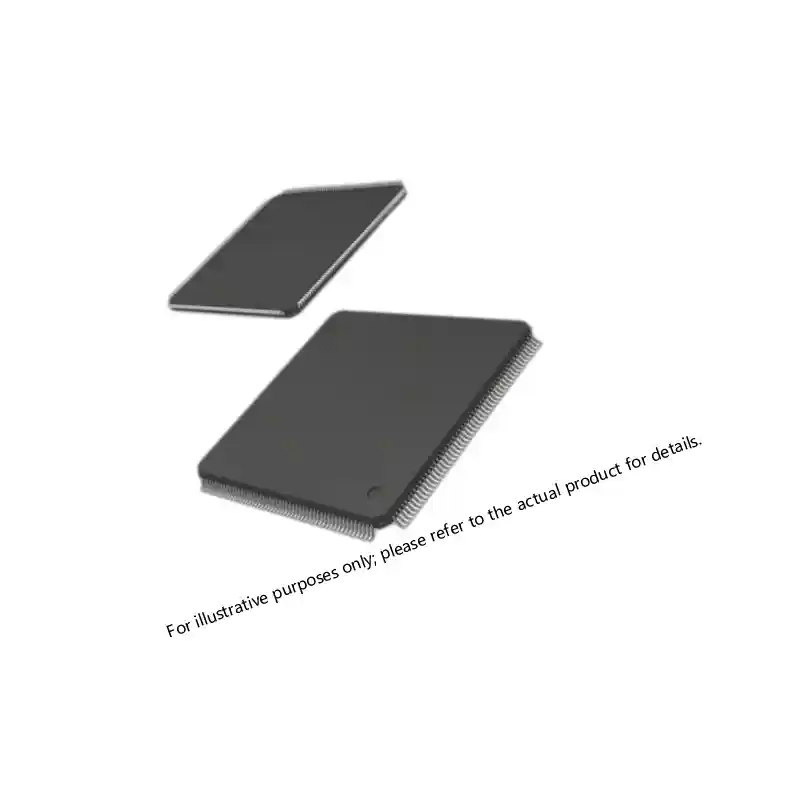
We recommend three sourcing strategies for naval programs with long production timelines. First, at design qualification, identify at least two package variants of each critical component that meet the salt fog requirement and qualify both. If one goes obsolete, the second is already approved, avoiding a requalification cycle that can take 18 months for a naval system. Second, for components where only one qualified source exists, execute a last-time buy that covers the program’s projected lifetime demand plus a 30 percent buffer for repair and attrition. Store that inventory in dry-nitrogen cabinets at less than 5 percent RH and perform periodic solderability testing on samples to confirm the stock remains usable. Third, work with a distributor that maintains long-term relationships with multiple OEMs and can provide advance notice of EOL announcements, typically 12 to 24 months before the last order date, so you have time to act.
For new designs, we are seeing a shift toward ceramic-substrate system-in-package modules for naval signal processing chains. These modules consolidate the ADC, DAC, clock, and power management into a single hermetically sealed ceramic package, reducing the number of exposed interconnects and simplifying the corrosion protection problem. They cost more than discrete implementations, but when weighed against the cost of a single corrosion-driven system failure at sea, the math favors the integrated approach for functions that are difficult to protect with conformal coating alone.
| Corrosion Protection Strategy | Effective Life in Naval Environment | Relative Cost | Best Application |
|---|---|---|---|
| Standard plastic package with conformal coating | 18-36 months | 1x | Below-deck, humidity-controlled spaces |
| MSL 1 plastic with enhanced underfill | 3-5 years | 1.3x | Protected enclosures with regular maintenance |
| Hermetic ceramic package | 10+ years | 2-5x | Topside, mast-mounted, direct salt spray |
| Ceramic SiP module | 15+ years | 3-8x | Critical signal chains, hard-to-repair locations |
If your program involves direct salt spray exposure on topside or mast-mounted electronics, it is worth confirming the package hermeticity certification and lot-level salt atmosphere test data before finalizing your BOM. Reach out to our team at xuansc2144@gmail.com with your part numbers, and we can verify the qualification status and availability of the hermetic variants you need.
Common Questions About Salt Fog Rated Military Components
Do I need hermetic packages for below-deck electronics, or is conformal coating enough?
Below-deck spaces with climate control and low air exchange with the outside environment can often use non-hermetic packages with conformal coating, but this is not a universal rule. The deciding factors are whether the space maintains humidity below 60 percent RH continuously and whether salt aerosol can enter through ventilation systems. In programs we have supported, below-deck spaces near air intakes or hatches that open frequently experience salt contamination levels approaching topside conditions. If your system must remain powered and operational for months without access for cleaning or rework, the margin that a hermetic package provides is worth the cost even below deck. For systems that are accessible for periodic inspection and cleaning, conformal-coated industrial-grade parts with MSL 1 ratings and tin-lead finishes can provide adequate service life.
How do I compare salt fog test results between MIL-STD-883 Method 1009 and commercial corrosion tests?
MIL-STD-883 Method 1009 and commercial tests like IEC 60068-2-11 or ASTM B117 are not directly comparable because they specify different salt concentrations, test durations, and post-test evaluation criteria. Method 1009 uses a 0.5 to 3.0 percent salt solution by weight with a pH between 6.5 and 7.2 and requires a 24 or 48 hour exposure with post-test visual and electrical verification. ASTM B117 is typically run for much longer durations, 96 hours or more, but does not include the same electrical parameter verification. A part that passes 96 hours of ASTM B117 may still fail Method 1009 because the post-test electrical check reveals parameter drift that the commercial test does not evaluate. For naval military applications, accept only MIL-STD-883 Method 1009 or its international equivalents such as AEC-Q100 salt atmosphere test with the same end-point electrical verification requirements.
What is the most common salt fog failure mode you see in field returns?
Intermittent operation caused by dendritic growth between adjacent pins or bond pads is the most common corrosion-related failure in our experience with naval field returns. The failure presents as a short circuit or leakage path that appears after the system has been powered and exposed to humidity for an extended period, then disappears when the board is removed for testing because the dendrite dries out and breaks contact. This failure mode is particularly difficult to diagnose because standard production testing does not replicate the powered humidity exposure that triggers it. If your program has experienced unexplained intermittent failures in naval-deployed electronics, it is worth conducting a powered humidity stress test at 85 degrees Celsius and 85 percent RH with bias applied for at least 168 hours on a sample of field-returned boards to determine whether dendritic growth is the root cause. Share your findings with our team and we can help identify alternative components with demonstrated resistance to this failure mechanism.
Can I upscream a commercial part to meet salt fog requirements, or do I need a QML device?
Upscreening a commercial part for salt fog resistance is rarely successful because the failure mechanisms are package-dependent, not die-dependent. You can electrically test a commercial part to tighter limits and burn it in to screen for infant mortality, but you cannot change the package material or the leadframe-to-molding-compound interface through testing alone. A commercial plastic package that has not been designed and qualified for salt atmosphere exposure will eventually allow moisture ingress regardless of how many screening tests you perform. For functions where a QML-qualified hermetic part is not available, the more practical approach is to use a ceramic-substrate version of the commercial part, if one exists, or to work with the OEM to qualify a hermetic package variant through a Source Control Drawing. This is a longer and more expensive path than buying an off-the-shelf QML device, but it provides genuine corrosion protection rather than false confidence from upscreening. If you are evaluating this route, contact us at xuansc2144@gmail.com with your part requirements and timeline, and we can discuss the feasibility and lead time for a custom package qualification.
If you’re interested, check out these related articles:
Virtex-7 690T FPGA: Performance for Mission-Critical Systems
Virtex-7 XC7VX690T: Performance and Reliability Insights
Virtex-7 690T FPGA: Performance, Packaging, and Reliability Insights
A1020B-PG84B ACT2 FPGA: Specs, Sourcing, and Availability