High-Temperature Military IC Reliability: Desert Deployment
Table of Contents
- Desert Environmental Stresses on Military ICs
- Key Component Specifications for High-Temperature Use
- How Junction Temperature Affects Long-Term Reliability
- What MIL-STD-883 Screening Covers for High-Temperature ICs
- Sourcing MIL-SPEC ICs for Extreme Desert Environments
- What to Look for in a Military Component Distributor for Harsh Environments
- Verification, Traceability, and Compliance Documentation
- Certifications That Matter for Desert-Deployed Components
- Long-Term Supply Continuity for Desert-Based Programs
- Securing Component Supply for Desert Operations
- Common Questions About Military IC Reliability in Extreme Environments
- How do I know if a component is genuinely rated for desert military use and not just advertised as such?
- What documents should I request to verify a component’s environmental rating?
- Is -55°C to +125°C range sufficient for every desert application, or can I use industrial parts?
- How does a specialized distributor reduce lead time risk for MIL-SPEC components?
- If my system operates in sandstorms and high heat simultaneously, what additional precautions should I take?
Component reliability in desert military environments is not only a matter of selecting parts with wide temperature ratings. The combination of ambient heat, thermal cycling, and abrasive sand challenges every IC in ways that spec sheets alone cannot fully predict. After twelve years in military component sourcing, I have seen programs falter not because the chosen IC was under-specified, but because it arrived without proper compliance documentation or with a fragmented supply chain that could not sustain long-term field support. High-temperature military IC reliability demands that procurement engineers look beyond datasheets and invest in verified supply channels that deliver traceable, tested components with the support structures to keep them operational throughout the deployment lifecycle.
Desert Environmental Stresses on Military ICs
Desert environments add stressors that standard reliability predictions often miss. Airborne sand and fine dust work into connectors and enclosures, accelerating contact corrosion even when components sit within sealed housings. Day-to-night temperature swings of 30°C or more produce repeated thermal expansion mismatches between die, bond wires, and package materials. Sand abrasion strips conformal coatings from exposed edges, opening moisture pathways.
The table below matches common failure modes to the environmental conditions that trigger them.
| Failure Mode | Primary Desert Stressor | Effect on IC Reliability |
|---|---|---|
| Solder joint fatigue | Temperature cycling between 50°C daytime and near-freezing nights | Crack propagation, intermittent opens |
| Contact corrosion | Fine sand mixed with humidity or condensation | Increased resistance, signal degradation |
| Coating delamination | Sand abrasion and UV exposure | Loss of moisture barrier, shorting |
| Wire bond liftoff | Repeated thermal expansion mismatches | Open circuits at die-to-package interface |
| Parametric drift | Sustained high junction temperature | Timing violations, degraded analog accuracy |
Beyond the obvious, sustained high ambient temperature forces ICs to operate at junction temperatures that may exceed the rated maximum even when the datasheet says the part is rated to +125°C. We routinely advise design teams to derate power dissipation by at least 20% for desert air-cooled systems.
Key Component Specifications for High-Temperature Use
Specifying an IC for high-temperature desert use goes beyond checking the datasheet’s operating temperature range. The military -55°C to +125°C band defines survivability, but long-term reliability under sustained heat requires attention to thermal resistance, junction-to-case dissipation, and the margin between actual operating junction temperature and the absolute maximum rating.
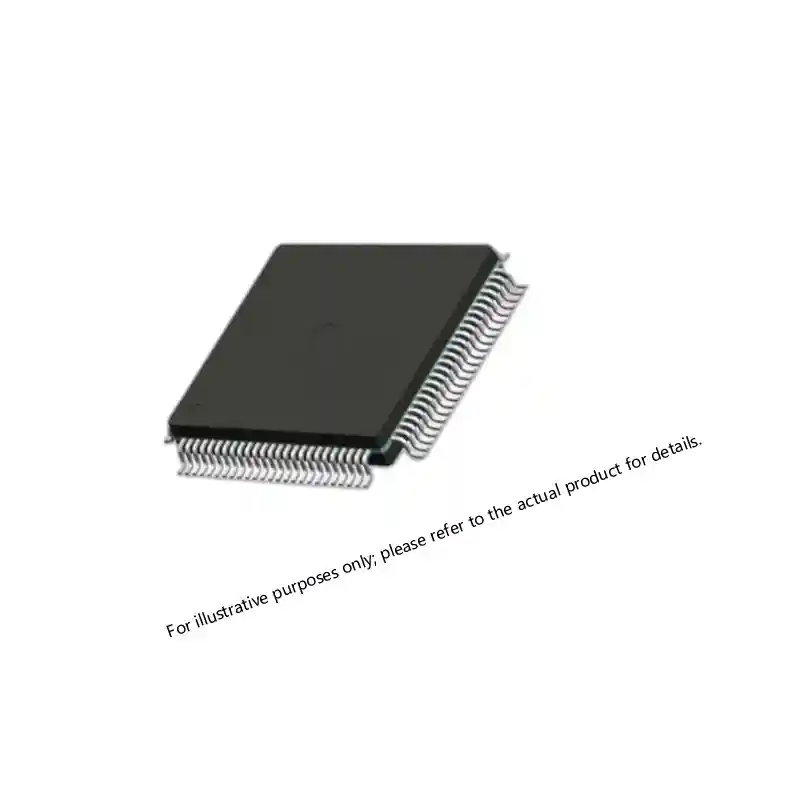
Ceramic-packaged parts (ceramic DIP, flatpack, LCCC) outperform plastic over multiple thermal cycles because their coefficient of thermal expansion matches the silicon die more closely. For repeated sand exposure, we look for hermetic sealing or at least a qualified conformal coating process. QML-qualified devices and JANTX/JANTXV discretes carry the benefit of standardized screening, often with burn-in that catches early-life failures that would surface in a desert’s accelerated aging.
How Junction Temperature Affects Long-Term Reliability
Junction temperature directly controls the rate of electromigration, time-dependent dielectric breakdown, and other wear-out mechanisms. For every 10°C rise above the rated continuous junction temperature, mean time to failure can halve. Field data from programs operating in the Middle East show that ICs running near their absolute maximum junction temperature fail at two to three times the rate of those derated to 85°C junction under similar ambient conditions.
What MIL-STD-883 Screening Covers for High-Temperature ICs
MIL-STD-883 methods 5004/5005 define the screening and quality conformance inspections for military microcircuits. Method 1010 (temperature cycling), 1011 (thermal shock), and 1004 (high-temperature storage) directly address desert-relevant failure modes. When sourcing, verify that the supplier provides test data for these specific methods, not just a blanket /883 statement on the label.
Sourcing MIL-SPEC ICs for Extreme Desert Environments
Finding an IC that meets your temperature and environmental spec is only half the battle. The second half is securing it through a channel that preserves authenticity, delivers full traceability, and can respond when the program timeline tightens. At Sparkle Electronics, we maintain inventory spanning FPGAs, high-speed ADCs/DACs, memory, power modules, and passives from manufacturers including Xilinx, ADI, TI, Microchip, and VICOR. Every shipment includes a certificate of conformance and documented chain of custody.
What to Look for in a Military Component Distributor for Harsh Environments
- Documented incoming inspection procedures aligned with AS6081
- Segregated storage for MIL-SPEC parts with ESD and humidity controls
- Capability to coordinate additional screening (burn-in, temperature cycling) through accredited labs
- Willingness to provide full lot traceability back to the original manufacturer
- Experience supporting programs that require desert environmental qualification evidence
A distributor who lacks these basics introduces supply chain risk that no amount of design margin can offset.
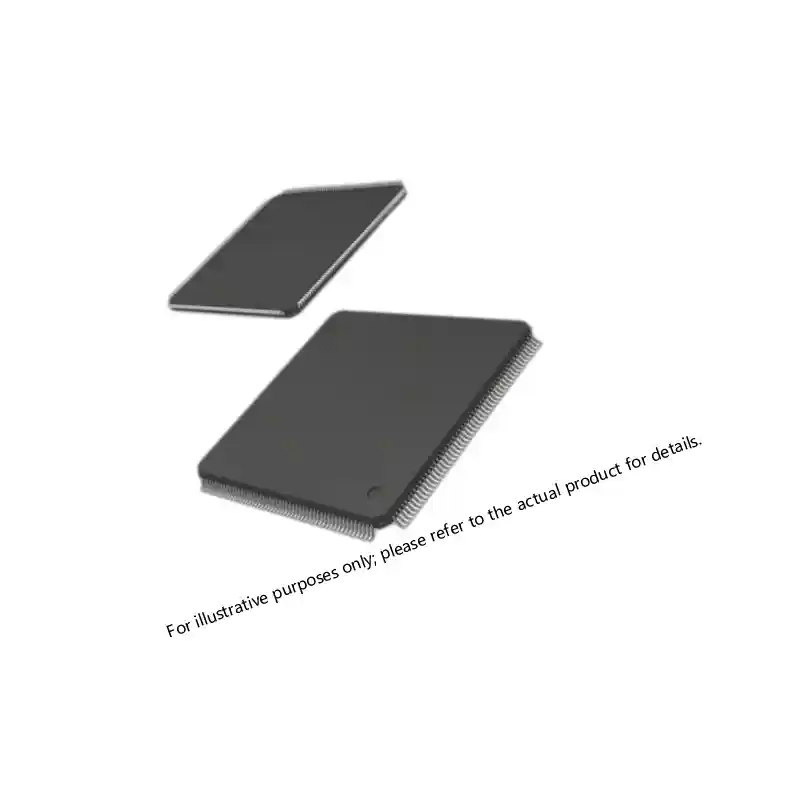
If your program uses FPGAs or converters that will operate in both extreme heat and frequent sandstorm exposure, it is worth confirming the package format and coating compatibility before freezing the BOM — send your part numbers to xuansc2144@gmail.com and we will verify suitability against known field performance.
Verification, Traceability, and Compliance Documentation
A part number and a temperature rating on a datasheet do not guarantee that the component in your hand has passed the requisite screening. For desert-deployed military systems, the documentation package matters as much as the silicon inside. A complete documentation trail should include the original manufacturer’s test reports, the independent distributor’s incoming inspection record, and a certificate of conformance that references the relevant MIL standard.
Defense procurement teams operating under DFARS and NDAA 889 must additionally verify that components are not sourced from prohibited entities, a check that requires access to supply chain data that goes beyond a standard vendor declaration. I have seen programs where missing traceability records delayed fielding by months, simply because the paperwork could not be reconstructed after a part change.
Certifications That Matter for Desert-Deployed Components
- AS9120: Quality management for aerospace and defense distributors
- AS6081: Counterfeit avoidance practices for independent distribution
- ISO 17025 accredited lab reports for any outsourced testing
- ITAR registration for export-controlled shipments
When selecting a supplier, ask not only for the certifications but for evidence that they were audited recently and apply to the specific location handling your orders.
Long-Term Supply Continuity for Desert-Based Programs
Programs that deploy into desert theaters often run for a decade or more. The ICs fielded today may become obsolete before the platform completes its operational life. Building supply continuity means more than placing a single purchase order; it requires proactive obsolescence forecasting, die banking where appropriate, and establishing a relationship with a distributor who can secure last-time buys and manage inventory across program phases.
At Sparkle Electronics, we assist long-running defense programs by holding strategic stock of critical MIL-SPEC ICs, coordinating die bank purchases with manufacturers, and providing regular lifecycle status reports. For FPGA-based systems, technology refresh planning becomes essential when the original device reaches end-of-life; we work with customers to identify pin-compatible next-generation parts and manage the transition without disrupting fielded systems.
Securing Component Supply for Desert Operations
The gap between a datasheet temperature rating and actual desert reliability is filled by supply chain diligence. Procurement teams that treat sourcing as a transactional step, chasing the lowest quote, end up absorbing the cost of non-conforming parts, schedule delays, and field failures. Building a resilient supply base with a partner who understands the documentation, testing, and lifecycle demands of desert-deployed military electronics reduces program risk far more effectively than adding margin to the design.
If your next BOM includes high-temperature ICs destined for desert operation, send the part numbers and estimated quantities to xuansc2144@gmail.com. Our team can confirm availability, lead times, and compliance documentation within one business day.
Common Questions About Military IC Reliability in Extreme Environments
How do I know if a component is genuinely rated for desert military use and not just advertised as such?
If the part carries a full 5962-series part number or is listed on a QML, the manufacturer has demonstrated compliance to MIL-PRF-38535. For commercial off-the-shelf parts advertised as “military temperature range,” request the specific screening standard (MIL-STD-883, method) and the test lot data. Without that documentation, the claim means nothing.
What documents should I request to verify a component’s environmental rating?
At a minimum, a certificate of conformance that cites the applicable MIL standard and lot date code, the original manufacturer’s qualification test summary for the package and screening level, and the distributor’s incoming inspection record showing environmental storage conditions. For desert programs, add a temperature cycling report if the part is not a QML device.
Is -55°C to +125°C range sufficient for every desert application, or can I use industrial parts?
The temperature range is necessary but not sufficient. Most desert ground equipment sees ambient temperatures up to 55°C, but internal enclosure temperatures with solar loading can exceed 85°C. If junction temperature rise adds another 20°C, you may break 105°C, which is beyond many industrial ratings. In our experience, using military-temperature parts with at least 20% thermal derating is the safer path.
How does a specialized distributor reduce lead time risk for MIL-SPEC components?
A distributor who keeps inventory of the common hi-rel ICs, including FPGAs, ADCs, and power modules, can ship within days rather than the 20–40 weeks typical of OEM factory lead times. They also maintain buffer stock during unpredictable demand spikes, which is common when defense programs accelerate fielding for desert contingencies.
If my system operates in sandstorms and high heat simultaneously, what additional precautions should I take?
Combine hermetic packaging with a qualified conformal coating, and pay close attention to connector ingress protection. In programs we have supported in Middle Eastern theaters, the most reliable configurations used ceramic-packaged ICs, sealed connectors meeting MIL-DTL-38999, and a secondary coating over the assembled board. Confirming these measures during design avoids expensive rework. Send your part numbers and environmental requirements to xuansc2144@gmail.com, and we can confirm compliance documentation availability.
If you’re interested, check out these related articles:
XC7VX485T Virtex-7 FPGA: Performance and Sourcing for Defense
XCKU115 UltraScale FPGA: Powering Critical Defense Systems
Virtex-7 690T FPGA: Performance for Mission-Critical Systems
Virtex-7 XC7VX690T: Performance and Reliability Insights