
Military Components for Extreme Temperature Defense Systems
Table of Contents
- How Temperature Ratings Define Military Component Selection
- MIL-SPEC Standards That Govern Extreme Temperature Performance
- Packaging and Material Choices That Extend Temperature Range
- Sourcing Verified Military Components for Extreme Environments
- Documentation and Traceability Requirements for Temperature-Rated Parts
- Common Questions About Military Temperature-Rated Component Procurement
- What separates industrial temperature range from military temperature range in practice?
- Is ceramic packaging always necessary for extreme-temperature military components?
- How are military components verified to survive repeated thermal cycling?
- What lead times should procurement teams plan for with temperature-rated military components?
- How does Sparkle Electronics verify extreme-temperature components before they reach the program?
When a radar system on a high-altitude UAV cycles from ground-level heat to stratospheric cold in under twenty minutes, the electronic components inside cannot merely survive the thermal shock. They must maintain calibrated performance through the full transition, or the mission fails. Military electronic components rated for extreme temperatures operate across temperature swings that commercial parts cannot handle, typically from -55°C to +125°C or beyond. Selecting these components requires more than matching a part number to a datasheet. It demands understanding the MIL-SPEC testing regime behind each rating, the packaging technology that makes wide-temperature operation possible, and the supply chain controls that ensure the part you receive matches the documentation you filed.
How Temperature Ratings Define Military Component Selection
Military temperature range specifications exist because battlefield and aerospace environments impose thermal stresses that commercial electronics were never designed to withstand. A component rated for 0°C to 70°C commercial range will experience parametric drift, accelerated aging, or outright failure when exposed to the thermal extremes common in defense applications.
The standard military temperature range of -55°C to +125°C, often called the full military or MIL temperature range, is not an arbitrary benchmark. It reflects decades of operational data from programs where electronics must function in desert heat, arctic cold, and the rapid transitions between them. Components qualified to this range have passed screening tests that verify electrical parameters at both temperature extremes, not just at room temperature.
Beyond the standard MIL range, some applications require even wider operating windows. Cryogenic systems for space sensors may need operation down to -196°C, while engine-mounted electronics on hypersonic platforms can face junction temperatures exceeding 200°C. In these cases, component selection moves beyond standard MIL-SPEC parts into specialized devices with extended temperature characterization, often requiring direct engagement with manufacturers to obtain characterization data beyond published datasheet limits.
The key selection parameter is not just the rated temperature range but the guaranteed electrical performance across that range. A part may be rated for -55°C to +125°C, but if its gain bandwidth drops by 40% at the cold extreme, the system design must account for that degradation. This is where the difference between rated and characterized becomes critical, and where procurement decisions intersect directly with design verification.
MIL-SPEC Standards That Govern Extreme Temperature Performance
Temperature tolerance in military components is not a feature added at the end of manufacturing. It is built into the design, verified through standardized testing, and documented through specifications that defense programs rely on for qualification.
MIL-STD-883, the core test method standard for microelectronic devices, defines the temperature cycling, thermal shock, and burn-in procedures that validate a component’s ability to operate across its rated temperature range. Method 1010 of this standard specifies temperature cycling from -65°C to +150°C for up to 1,000 cycles, while Method 1011 covers thermal shock testing with liquid-to-liquid transfers between temperature extremes. Parts that pass these tests have demonstrated not just survival but continued electrical performance through repeated thermal stress.
MIL-PRF-38535, the performance specification for integrated circuit manufacturing, establishes the Quality Manufacturer List program that certifies fabrication lines for military IC production. QML-certified devices carry the assurance that every process step, from wafer fabrication to final test, operates under documented controls verified by the Defense Logistics Agency. For extreme temperature applications, QML parts provide an additional layer of confidence because the manufacturing process itself, not just final screening, is designed for wide-temperature reliability.
Other relevant standards include MIL-PRF-19500 for discrete semiconductors and MIL-PRF-55681 for ceramic capacitors, each defining temperature characteristic codes that specify capacitance variation across the operating temperature range. For procurement engineers, understanding these codes means the difference between selecting a capacitor that maintains ±15% tolerance at temperature extremes versus one that loses 70% of its rated capacitance at -55°C. The 5962-series microcircuit drawings similarly encode temperature range, package type, and screening level into a standardized part number that allows direct cross-referencing across manufacturers.
Packaging and Material Choices That Extend Temperature Range
The package surrounding a silicon die determines how heat flows out of the junction, how thermal expansion stresses distribute across bond wires, and whether moisture ingress will cause delamination during thermal cycling. In extreme temperature applications, the package material and construction matter as much as the silicon inside.
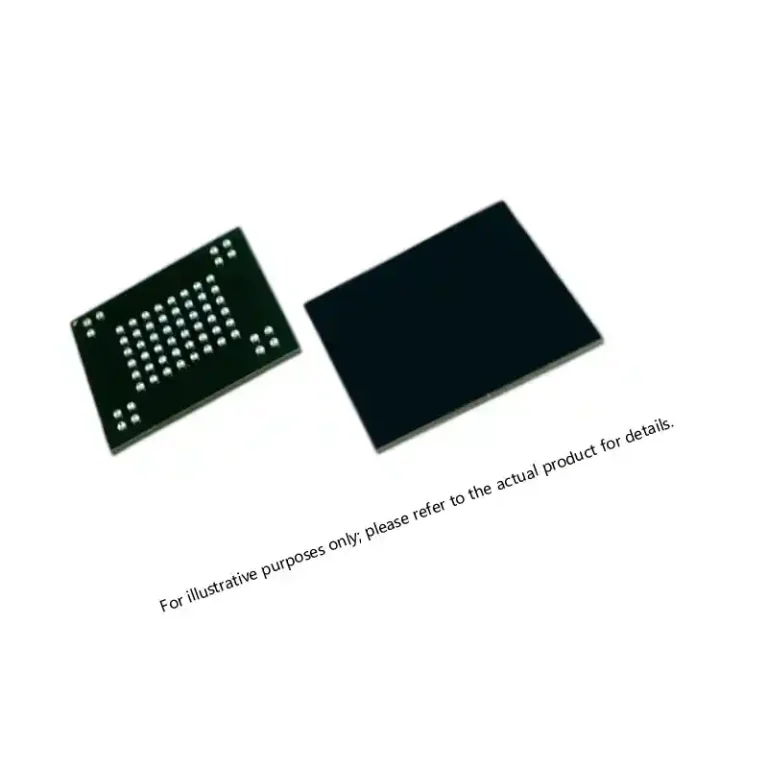
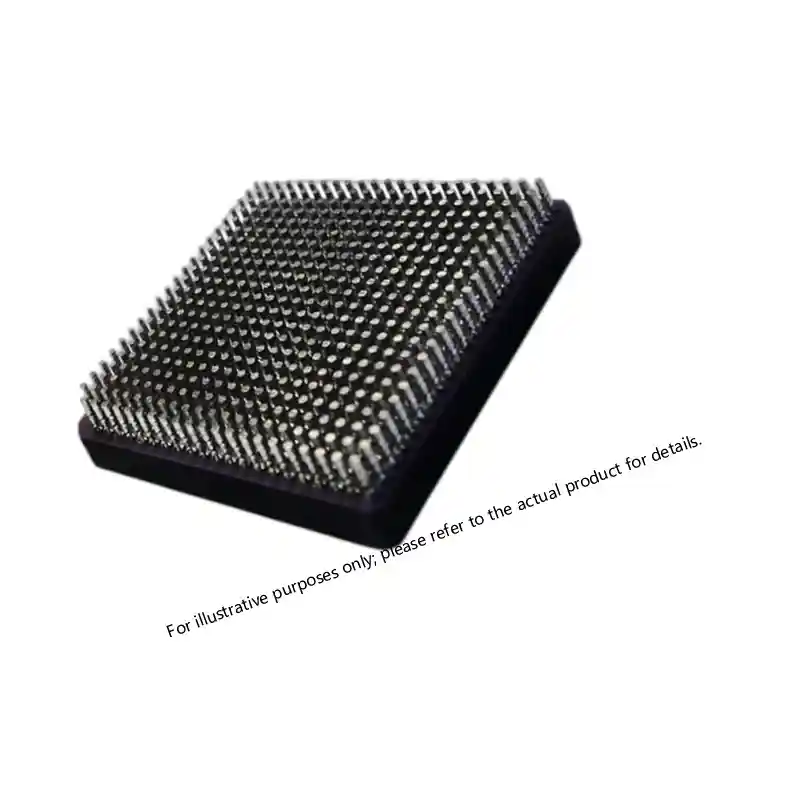
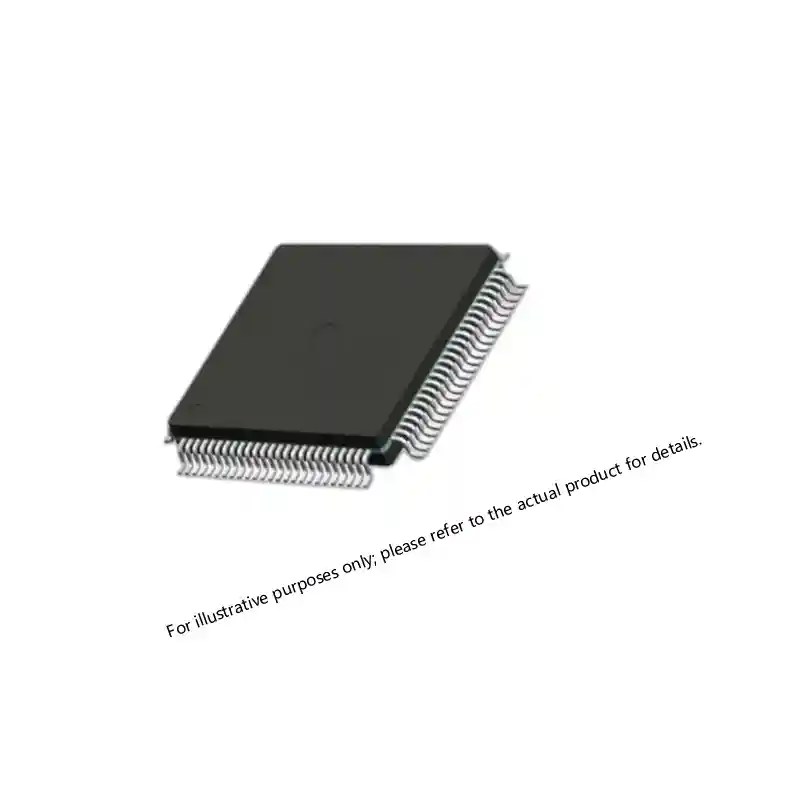
Hermetic ceramic packages remain the standard for military extreme-temperature components. Unlike plastic encapsulated devices, ceramic packages with glass or metal seals prevent moisture ingress and outgassing that degrades performance over wide temperature swings. The coefficient of thermal expansion for alumina ceramic closely matches that of silicon, reducing the shear stress on die attach materials and wire bonds during temperature transitions. This is why ceramic DIP, LCCC, and flatpack packages dominate MIL-SPEC logic devices, operational amplifiers, and data converters destined for temperature-extreme environments.
For high-power applications, the packaging challenge intensifies. A GaN power amplifier dissipating 50 watts in a 70°C ambient environment needs a thermal path that keeps the junction temperature within safe limits while the case temperature can vary by over 100°C across an operating cycle. Copper-tungsten base plates, diamond-reinforced composites, and advanced thermal interface materials become necessary considerations that go beyond the standard packaging options in a distributor’s line card. If your program involves high-power RF or power conversion in a sealed enclosure with no active cooling, it is worth confirming the thermal impedance path with your component supplier before committing to a package variant. Reach out with your thermal requirements at xuansc2144@gmail.com and we can verify that the specified package will handle your worst-case dissipation scenario.
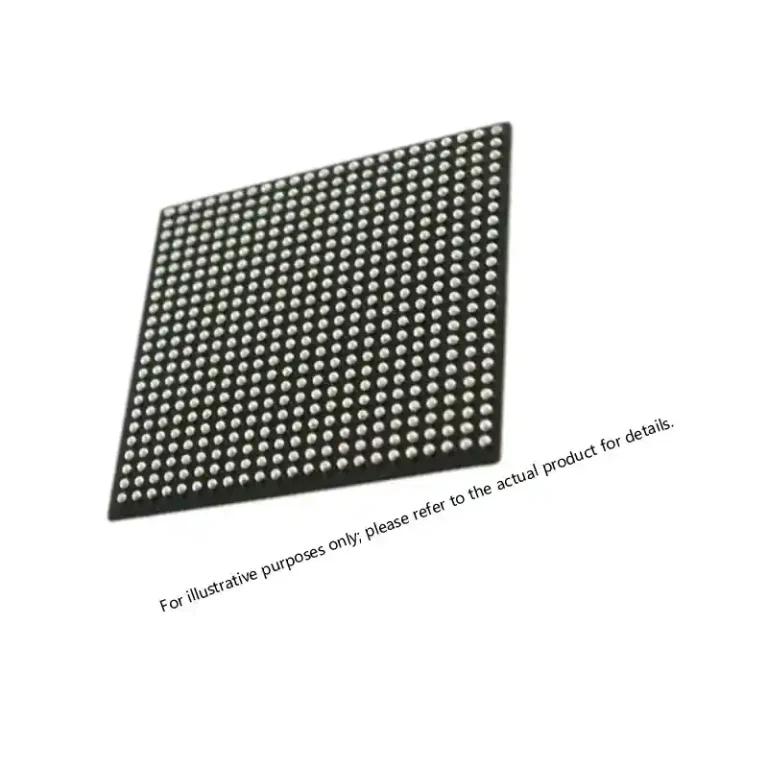
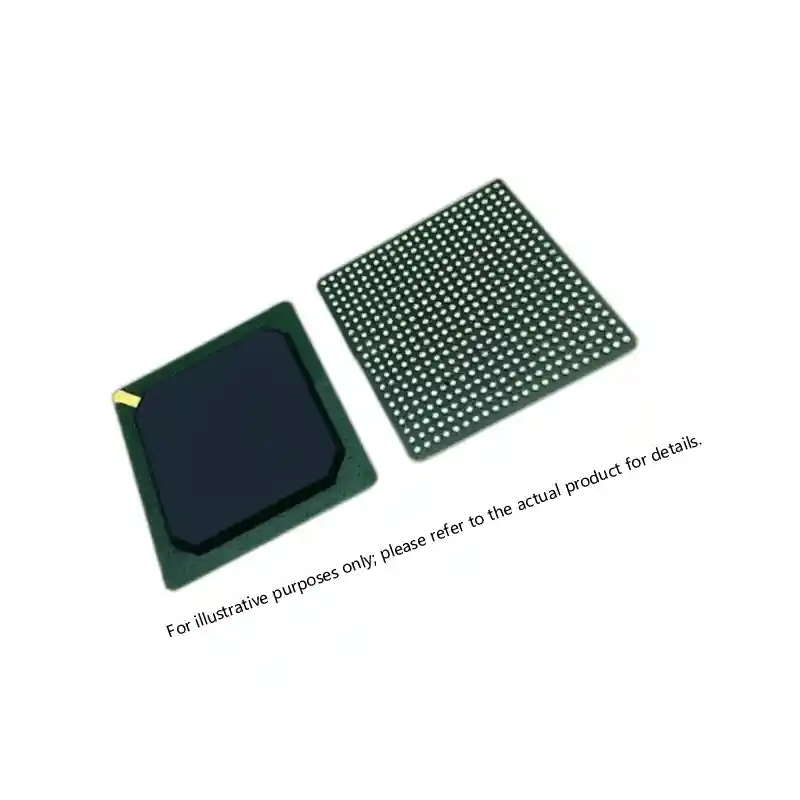
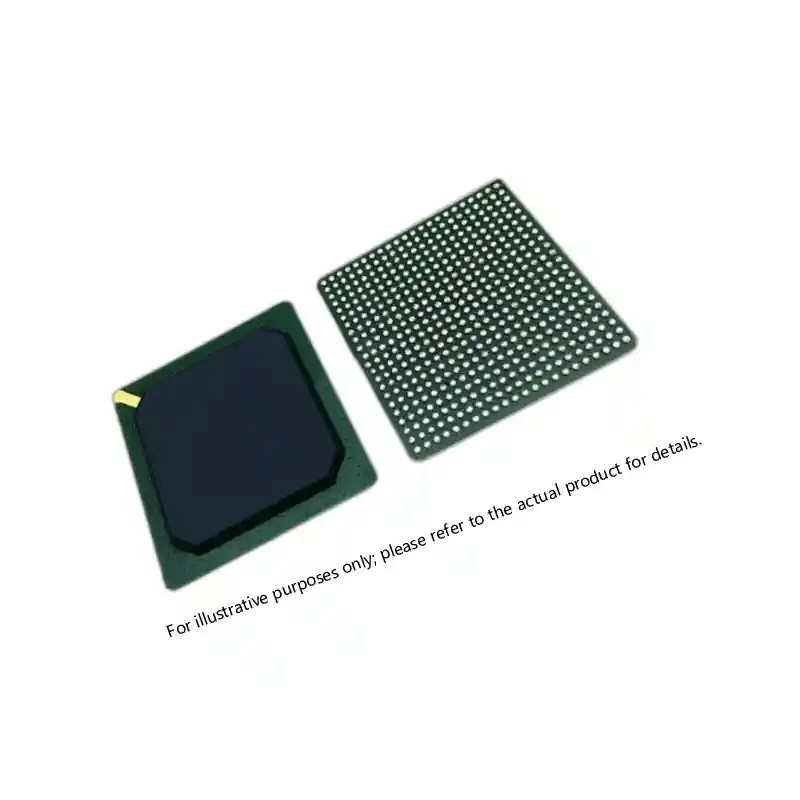
FPGA and high-density digital devices present a different challenge. Large ball-grid array packages with thousands of solder balls must survive repeated thermal expansion cycles without developing cracks at the board interface. Underfill materials with matched CTE and controlled reflow profiles become part of the component selection criteria, not just the assembly process. When selecting an FPGA for an extreme-temperature defense application, the package technology is as important as the logic cell count. We have seen programs where a seemingly equivalent FPGA in a different package failed qualification because the solder joint fatigue life was inadequate for the required thermal cycling profile.
Sourcing Verified Military Components for Extreme Environments
Finding a part number that matches your temperature requirements is the easy part. Ensuring that the components you receive actually meet those requirements, with full documentation and traceability, is where procurement programs succeed or fail.
The military component supply chain has multiple legitimate paths: direct from qualified manufacturers, through authorized distribution, and via independent distributors who specialize in MIL-SPEC inventory. Each path has tradeoffs in lead time, minimum order quantities, and available documentation. For extreme-temperature applications specifically, the documentation trail matters more than for commercial temperature parts because the consequences of a substituted or relabeled component are severe.
Counterfeit military components remain a persistent threat, and extreme-temperature parts are attractive targets because their price premium makes substitution profitable for bad actors. A relabeled commercial-temperature part may function at room temperature during incoming inspection but fail catastrophically at -40°C when deployed. Verification steps that protect your program include lot-level testing on samples, comparison of date codes against manufacturer shipment records, and physical inspection of package markings and lead finish under magnification. In programs we have supported, a systematic incoming inspection protocol that includes temperature-range verification has caught mismarked parts that would have passed a standard visual check alone.
Working with a distributor who maintains documented chain of custody from manufacturer to shipment reduces this risk substantially. When a distributor can provide the original manufacturer’s certificate of conformance, test reports for the specific lot, and shipping documentation that traces the parts through every intermediate stop, the procurement engineer has the evidence needed to satisfy both internal quality requirements and customer audits.
Documentation and Traceability Requirements for Temperature-Rated Parts
Every military component procurement generates paperwork. For extreme-temperature parts, specific documents carry weight that procurement engineers must understand before placing an order.
The Certificate of Conformance attests that the shipped components conform to the specified military standards and drawings. For temperature-rated parts, the C of C should explicitly reference the temperature range and the applicable test methods. A C of C that states compliance to a generic MIL-SPEC without specifying the temperature test conditions is insufficient for programs that require auditable evidence of extreme-temperature qualification.
Lot test data provides the electrical and environmental test results for the specific production lot from which your parts were drawn. For extreme-temperature applications, lot test summaries that include parametric measurements at both cold and hot extremes give procurement engineers the data needed to verify that the parts match the datasheet across the full operating range. Without this data, you are relying on the manufacturer’s type qualification, which only proves that the design is capable of meeting the spec, not that your specific parts do.
Traceability documentation links each component back to its manufacturing origin. For QML devices, the manufacturer’s QML certification number provides a direct reference to the qualified production line. For JANTX and JANTXV discrete semiconductors, the lot traveler documents detail the screening flow each device underwent. Procurement programs that maintain this documentation in an accessible format are better positioned for customer audits, failure investigations, and long-term sustainment planning.
The gap between what a datasheet promises and what a shipment delivers is where programs lose weeks of schedule and thousands of dollars in re-qualification. At Sparkle Electronics, we close that gap by verifying documentation before parts ship, not after. If your program requires military temperature-rated components with full lot traceability and test documentation, send your part numbers and quantity targets to xuansc2144@gmail.com. We will confirm stock availability, documentation status, and lead times so your procurement file is complete before the parts reach your receiving dock.
Common Questions About Military Temperature-Rated Component Procurement
What separates industrial temperature range from military temperature range in practice?
Industrial temperature range typically covers -40°C to +85°C, while the full military range spans -55°C to +125°C. The additional 15°C on each end is not a minor margin. It reflects the reality that military electronics may need to cold-start at -54°C in arctic conditions or operate at +125°C ambient inside an engine bay with no active cooling. Components rated only for industrial temperature may function temporarily outside their specified range, but their long-term reliability and parametric performance are not guaranteed, and the manufacturer will not support failure analysis claims for operation beyond published ratings.
Is ceramic packaging always necessary for extreme-temperature military components?
For the widest temperature ranges and highest reliability requirements, ceramic packaging is strongly preferred because it eliminates the moisture sensitivity and CTE mismatch issues that affect plastic packages. However, some modern plastic packages with improved mold compounds and leadframe designs can operate reliably across the full military temperature range, particularly for logic and memory devices with low power dissipation and small die sizes. The decision should rest on the specific part’s qualification data, not a blanket rule. If the manufacturer offers the same die in both ceramic and plastic packages with identical military temperature ratings, the ceramic version typically carries a higher reliability margin for long-duration programs where field replacement is impossible or prohibitively expensive.
How are military components verified to survive repeated thermal cycling?
MIL-STD-883 Method 1010 specifies temperature cycling tests that subject components to alternating extremes, typically for 100 to 1,000 cycles depending on the equipment class. Components that pass this testing have demonstrated resistance to the cumulative damage that thermal expansion and contraction cause over time. When sourcing, request the lot-specific test data showing the number of cycles completed and the post-test electrical verification results. If your program’s thermal cycling requirements exceed the standard test conditions, discuss extended testing with your distributor early in the procurement process, as additional screening may need to be arranged before shipment.
What lead times should procurement teams plan for with temperature-rated military components?
Lead times for military temperature-rated components consistently run longer than commercial equivalents, often ranging from 20 to 52 weeks depending on the device type and manufacturer backlog. Components requiring QML certification, radiation testing, or extended temperature screening add additional processing time. For extreme-temperature parts with specialized packaging or screening requirements, procurement planning should begin 12 to 18 months before production need dates. Building strategic inventory of critical long-lead parts is standard practice, and working with a distributor who maintains stocked inventory of common MIL-SPEC temperature-rated devices can provide a buffer against supply interruptions.
How does Sparkle Electronics verify extreme-temperature components before they reach the program?
Our verification process for temperature-rated military components begins with supplier qualification, confirming that every source meets documented requirements for authenticity and traceability. Incoming inspection includes visual examination under magnification for package integrity, marking verification against manufacturer records, and sample-based electrical testing where specified by the procurement contract. For extreme-temperature parts specifically, we confirm that lot test documentation includes parametric data at both temperature extremes. If your program has requirements beyond standard incoming inspection, sharing those specifications early allows us to coordinate the necessary testing or third-party lab services before your parts ship. Share your part numbers and temperature requirements at xuansc2144@gmail.com and we will confirm availability with full documentation support.
If you’re interested, check out these related articles:
XC7VX485T FPGA: Virtex-7 Performance for Defense
A1020B-PG84B ACT2 FPGA: Specs, Sourcing, and Availability
Virtex-7 690T FPGA: Performance for Mission-Critical Systems
XCKU115 UltraScale FPGA: Powering Critical Defense Systems