High-Altitude Military Electronic Components for UAVs
Table of Contents
- What High Altitude Does to Electronic Components
- Component Categories That Must Be Rated for Altitude
- MIL-SPEC and Environmental Testing Requirements for Altitude Survival
- Sourcing Strategies for Long-Lead-Time Hi-Rel Components
- Ensuring Component Authenticity and Compliance Documentation
- Common Questions About Sourcing Components for High-Altitude UAV Platforms
- What temperature range do high-altitude UAV components need?
- Can commercial-grade components be used after upscreening?
- How do I verify a component’s altitude rating?
- What is the typical lead time for military FPGAs used in UAVs?
- How can I mitigate counterfeit risk in my supply chain?
High-altitude military surveillance UAVs operate in punishing environments. At 60,000 feet, air pressure is less than 10% of sea level, temperatures swing from -55°C to +70°C in minutes, and the thin atmosphere provides almost no cooling for high-power electronics. Sourcing components that survive these conditions without compromising signal integrity is not routine — it demands rigorous environmental qualification, documentation verification, and supply chain planning. In over a decade of supporting defense electronics, I’ve seen too many BOMs fail at qualification because a single part wasn’t rated for the actual altitude profile. This article outlines what engineers and program managers need to know about selecting and procuring electronic components for high-altitude UAV payloads.
What High Altitude Does to Electronic Components
Low air pressure at altitude causes problems that are easy to overlook at sea level. Dielectric strength drops, so the clearance distances that work on the bench can lead to corona discharge and arcing inside unsealed enclosures. Outgassing from organic materials in plastic packages, adhesives, and conformal coatings contaminates optics and degrades thermal interfaces. Standard FR4 boards outgas as well — some programs switch to polyimide or ceramic substrates for critical nodes.
Cooling becomes a major constraint. Convection airflow carries away less than 10% of the heat it does at sea level, so the thermal design has to rely on conduction. That usually means heat sinks coupled directly to cold plates or airframe structures, and it limits how much power you can push through a single device. We’ve worked on payloads where a commercial-grade FPGA running at 8 watts had to be derated by 30% just to stay within junction temperature limits at 70,000 feet.
Temperature extremes add mechanical stress. Thermal cycling from -55°C to +125°C cracks solder joints and wire bonds if the CTE mismatch isn’t managed. Hermetic ceramic packages handle this far better than plastic, which is why so many hi-rel FPGAs and ADCs come in ceramic BGAs or CQFPs. Vibration and shock profiles during launch and recovery, per MIL-STD-810 Methods 514.6 and 516.6, impose additional structural requirements on mounted components and connectors.
Component Categories That Must Be Rated for Altitude
Not every component in a UAV payload needs altitude-specific rating, but the critical signal chain, power train, and interconnect do. The table below summarizes the categories that demand attention.
| Component Type | Function | Altitude-Specific Requirement | Key Specification | Example Part |
|---|---|---|---|---|
| FPGA | Sensor processing, ISR data handling | Hermetic package, wide temperature range, radiation tolerance | QML-Q or QML-V, -55°C to +125°C | Actel AX2000-FG896M |
| High-Speed ADC | Wideband signal acquisition, EW | Low outgassing, stable performance at reduced pressure | MIL-PRF-38535 Class Q, 12–16 bit, >1 GSPS | ADI AD9680BBPZ-1000 (military version) |
| DC-DC Converter | Power distribution | Conduction-cooled, altitude derating, hi-rel screening | MIL-PRF-38534, hermetic packaging | VICOR V300A28H500BN |
| MIL-DTL-38999 Connector | Interconnect | Environmental sealing, corrosion resistance | Series III, aluminum or composite shell | AERO MS27499E14F35PB |
| SRAM | Data buffer, configuration storage | Hermetic, radiation tolerant, wide temp range | QML-Q, 55°C to +125°C | AEROFLEX ACT-S512K32N-017P7EQ |
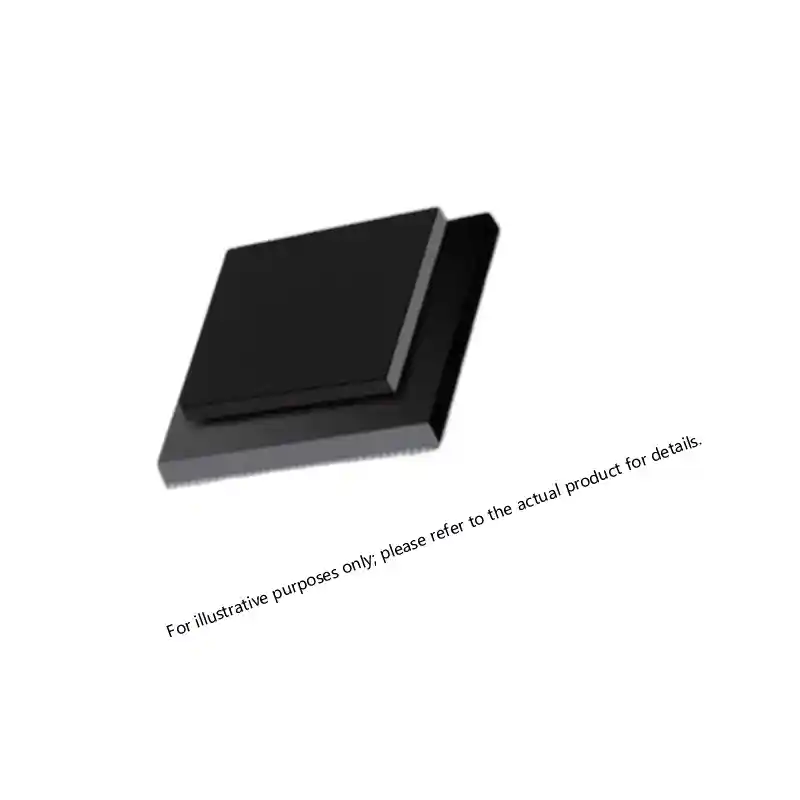
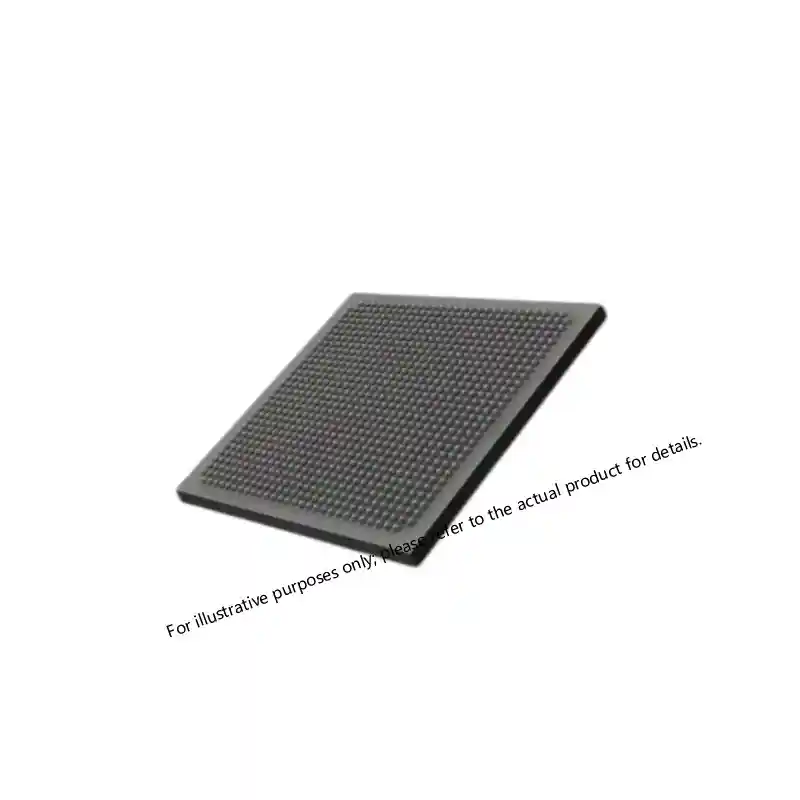
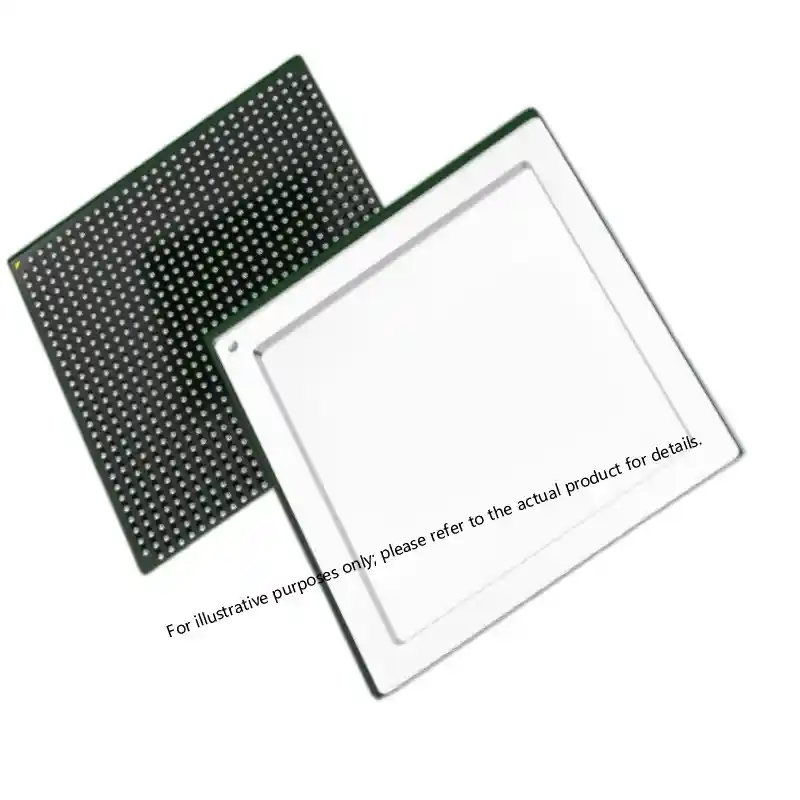
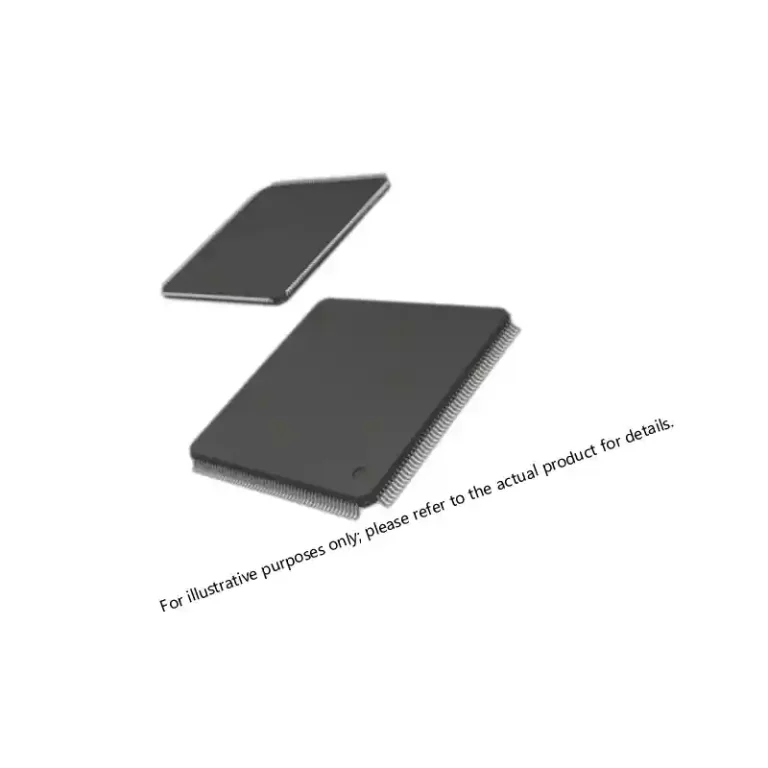
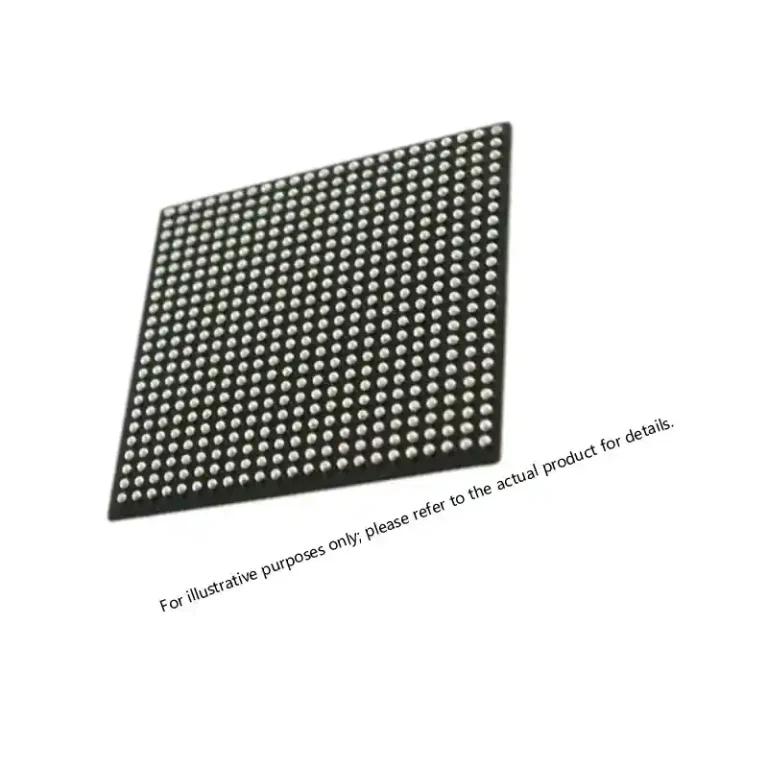
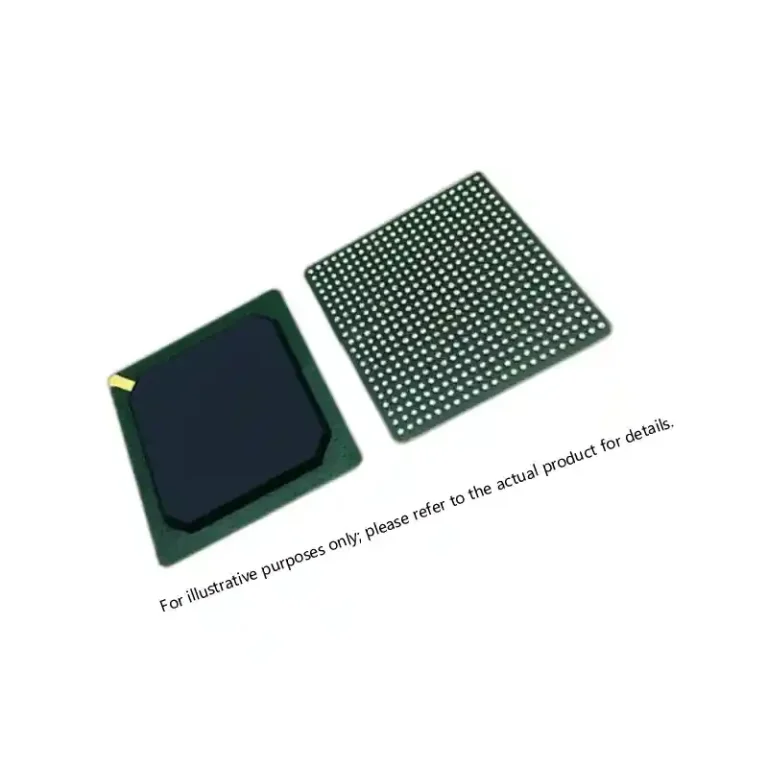
FPGAs are the heart of most ISR payloads. They handle wideband digital downconversion, image processing, and encryption. For high-altitude UAVs, we have used Actel/Microsemi ProASIC3 and Axcelerator parts because they are available in hermetic ceramic packages and are QML-Q certified. Flight-qualified FPGAs from Xilinx and Altera also work, but packaging and screening level are what matter — not just the logic density.
High-speed ADCs capture RF signals directly from the sensor front end. At altitude, aperture uncertainty and clock jitter degrade SNR if the ADC isn’t characterized over the full temperature and pressure range. Parts like the AD9680 family, when screened to MIL-PRF-38535 Class Q, hold their performance specs well at low pressure. Power modules from Vicor or VPT need to be derated for altitude, and conduction-cooled versions are preferred. We often specify modules with integrated baseplates that bolt directly to the cold structure.
Connector outgassing and seal integrity become weak links if ignored. MIL-DTL-38999 Series III connectors with fluoro-silicone inserts and backshell sealing reliably prevent moisture ingress and corona at altitude. Passives such as ceramic capacitors must be derated for voltage — a 50V capacitor at sea level might handle only 30V at 70,000 feet because of reduced dielectric strength.
MIL-SPEC and Environmental Testing Requirements for Altitude Survival
Altitude qualification per MIL-STD-810 Method 500.6 subjects components to reduced pressure, often down to 15,000 feet equivalent or lower, while they are operating. We require our suppliers to provide test reports that show the component maintained electrical performance during the pressure dwell, not just survived after the test. This is especially important for parts with air-filled cavities — relays, crystal oscillators, some transformers.
Thermal testing (Methods 501.6 and 502.6) cycles the component between cold and hot extremes while monitoring for parametric drift. For UAV payloads that experience rapid ascent and descent, the ramp rate matters. Vibration and shock tests per Methods 514.6 and 516.6 verify that solder joints and wire bonds survive the mechanical environment. Outgassing is measured using ASTM E595; we look for total mass loss below 1.0% and collected volatile condensable material below 0.1%.
Derating guidelines for altitude: reduce maximum operating voltage by 5% for every 10,000 feet above sea level on plastic-packaged parts. For hermetic parts, derating is less aggressive but still recommended. Power dissipation limits should be re-evaluated based on conduction path thermal resistance, not convection assumptions.
If your UAV program involves altitude profiles outside the typical MIL-STD-810 test range, confirm test data with your component supplier before finalizing the BOM — send your part list to xuansc2144@gmail.com for a quick compliance review.
Sourcing Strategies for Long-Lead-Time Hi-Rel Components
Military-grade FPGAs, ADCs, and power modules routinely carry 30 to 52-week lead times. When a UAV program runs on a 24-month development cycle, waiting a year for parts eats half the schedule. We address this by engaging component suppliers at the architecture stage, not after the design review. Distributors who stock QML and hi-rel parts can provide partial quantities from inventory while the balance is on order, which keeps firmware development moving.
Die banking is another strategy we use for FPGAs. Purchasing wafers or die and storing them under controlled conditions locks in a specific revision and ensures supply for the program’s life. This works well for Actel and Microsemi products that have long production lives.
For ADCs and DACs, we often identify pin-compatible alternates early. Even if the program only qualifies one part, having a second source identified reduces risk. We have seen programs lose six months when a sole-sourced ADC went end-of-life with no transition plan.
Maintaining buffer stock of critical MIL-SPEC parts is not a cost — it’s an insurance policy. At Sparkle Electronics, we hold inventory of military FPGAs, ADCs, and SRAMs specifically to support UAV programs that cannot afford line-down delays. If your program relies on components with lead times over 26 weeks, we can help verify current stock levels and suggest alternate sourcing paths before design freeze.
Ensuring Component Authenticity and Compliance Documentation
Counterfeit components are a grave concern in military UAV supply chains. A single remarked commercial part in a flight-critical system can cause mission failure. Every component we ship comes with a Certificate of Conformance that traces back to the original manufacturer or an authorized source. We reject parts that lack a clear chain of custody, even if they test electrically good.
Defense programs in the U.S. must comply with DFARS and NDAA Section 889, which restrict sourcing from certain foreign entities. Beyond legal compliance, many prime contractors now require AS6081 or AS9120 certification from their distributors. These standards mandate incoming inspection, authorized supply chain verification, and documented test procedures.
Verifying authenticity goes beyond paperwork. We visually inspect date codes, lot codes, and package markings against manufacturer records. X-ray inspection of BGAs catches die inconsistencies. For high-value FPGAs, we perform sample electrical testing to confirm the device ID and revision. These steps add time, but they prevent the far larger schedule impact of discovering a counterfeit part during integration.
Procurement teams should request a sample test report and traceability documentation with every high-risk order. Without it, a BOM that looks compliant on paper may hide a single non-conforming part that fails at altitude. We have seen programs delayed months because one memory IC lacked proper provenance.
Common Questions About Sourcing Components for High-Altitude UAV Platforms
The combination of extreme altitude, mission-critical reliability, and long program timelines means component selection and procurement cannot be afterthoughts. At Sparkle Electronics, we support defense programs by supplying QML-qualified MIL-SPEC components with full traceability and competitive lead times. For a BOM review or to verify availability of specific hi-rel parts for your UAV program, contact us at xuansc2144@gmail.com.
What temperature range do high-altitude UAV components need?
Payload electronics need to operate from -55°C to +125°C, which is the standard military temperature range. Some systems can use industrial-range parts if the thermal management is robust, but that approach adds risk because cold-soak conditions at altitude often dip below -40°C. We recommend starting the selection with full mil-temp-rated components and only relaxing the requirement after a thermal analysis that accounts for worst-case altitude cold soak and solar loading.
Can commercial-grade components be used after upscreening?
Upscreening commercial parts for military use is possible but limited. MIL-PRF-38535 allows upscreening under specific protocols, but the process does not change the inherent material properties — a plastic package will still outgas. For high-altitude UAVs, we avoid upscreening on anything that touches the signal path or operates at low pressure unless the part is already in a hermetic package and the supplier has documented compliance with the upscreening flow.
How do I verify a component’s altitude rating?
Request the component’s MIL-STD-810 altitude test report, specifically Method 500.6. Look for data that shows the part operated and met electrical specifications during the reduced-pressure dwell, not just after. The report should include pressure profile, temperature during test, and parametric limits. If the supplier cannot provide this, the part has not been qualified for altitude, regardless of what the datasheet temperature range says.
What is the typical lead time for military FPGAs used in UAVs?
Military-grade FPGAs from Microsemi, Xilinx, or Intel typically have lead times between 30 and 52 weeks from the factory. Some distributors hold stock of popular flight-qualified parts and can ship within weeks. For new designs, involve component sourcing early. We have helped programs lock in delivery slots by placing orders before the final design review, and we keep inventory of Actel ProASIC and SmartFusion parts to bridge the gap.
How can I mitigate counterfeit risk in my supply chain?
Buy only from authorized or trusted independent distributors who maintain documented chain of custody. Insist on a Certificate of Conformance for every lot, and request sample inspection reports for high-value parts. Use visual inspection, X-ray, and sample electrical testing for incoming verification. If your program demands parts that are hard to find, verify the supplier’s audit trail before ordering. Share your requirements with us and we can confirm compliance documentation availability and sample test results for the parts you need.
If you’re interested, check out these related articles:
XC7VX485T Virtex-7 FPGA: Performance and Sourcing for Defense
Virtex-7 690T FPGA: Performance, Packaging, and Reliability Insights
XCKU115 UltraScale FPGA: Powering Critical Defense Systems
UltraScale KU085 FPGA Specifications for Defense Systems