Conformal Coating for Military Electronics in Harsh Settings
Table of Contents
- What Does Conformal Coating Do for Military Electronics?
- Which Conformal Coating Chemistries Work Best in Harsh Military Environments?
- When Acrylic or Silicone Fits the Board
- When Polyurethane or Parylene Justifies the Cost
- How Do You Apply Conformal Coating Without Compromising Hi-Rel Components?
- Masking and Keepouts Around Connectors and BGAs
- Selective Robotic Coating Versus Manual Touch-Up
- What Inspection and Testing Do Military Conformal Coating Programs Require?
- When Should You Involve a Distributor in Conformal Coating Decisions?
- Common Questions About Military Conformal Coating
- Does conformal coating eliminate the need for sealed enclosures?
- Can a coated board be reworked after the coating has cured?
- Which coating is best for salt fog exposure?
- How thick should conformal coating be on military electronics?
Conformal coating for military electronics is not a cosmetic step; it is the barrier that keeps salt fog, condensation, and trapped moisture from reaching soldered joints and exposed leads. In our work supporting defense sourcing, we see boards come back from qualification with corrosion under QFN packages and dendrite growth between fine-pitch pads. The failure is rarely the component. It is the coating decision made three design cycles earlier. The decision is not whether to coat, but how the coating boundary is drawn around the component technologies on the board.
What Does Conformal Coating Do for Military Electronics?
Conformal coating forms a thin dielectric layer over assembled PCBs, isolating conductors from moisture and loose contaminants. In a military environment the threat is not only rain. Condensation cycles bring liquid water into contact with biased circuits, and salt fog deposits hygroscopic residue that stays wet at lower relative humidity. Without a barrier, the result is electrolytic migration, corrosion, and intermittent leakage paths. Coating thickness typically ranges from 25 to 75 microns for acrylic and silicone systems, with thinner parylene films used when the coating must follow fine-pitch topography without bridging.
In our support work we have seen coating gaps at component standoffs become failure sites within one qualification cycle. A connector body or tall capacitor creates a shadowed area that brush coating misses. The board passes visual inspection because the coating is present, but the thinnest edge coverage is the point where moisture wicks underneath. That is why coating inspection has to focus on edges, terminations, and standoff regions rather than only confirming visible coverage.
Which Conformal Coating Chemistries Work Best in Harsh Military Environments?
Selecting a chemistry starts with the dominant environment. Acrylic remains the most common for general humidity and salt fog because it is easy to apply and rework. Silicone tolerates wider temperature swings and softens less at low temperature, which matters for arctic or high-altitude use. Polyurethane offers stronger chemical and abrasion resistance but is harder to remove for rework. Epoxy delivers hard mechanical protection but is brittle and best used when rework is not planned. Parylene is applied by vapor deposition and produces a pinhole-free film at very low thickness, but it requires specialized equipment and longer lead times.
| Chemistry | Best use | Reworkability | Key limitation |
|---|---|---|---|
| Acrylic | General humidity, salt fog | Good | Lower chemical resistance |
| Silicone | Wide temperature range, vibration | Moderate | Low abrasion resistance |
| Polyurethane | Chemical and solvent exposure | Poor | Long cure and difficult rework |
| Epoxy | Mechanical protection | Very poor | Brittle and can stress boards |
| Parylene | Fine-pitch, pinhole-free coverage | Poor | Dedicated CVD processing needed |
When Acrylic or Silicone Fits the Board
For condensation-prone avionics or ground vehicle modules, acrylic or silicone usually fits. The decision between them often comes down to temperature range. Silicone remains flexible at low temperature and can handle repeated thermal cycling without cracking. Acrylic is easier to touch up after rework and dries faster in production. Both require careful masking around connectors and uncoated test points.
When Polyurethane or Parylene Justifies the Cost
Polyurethane earns its cost in fuel vapor, hydraulic fluid, or cleaning solvent environments. Parylene earns it on high-density boards where liquid coating would bridge fine leads or wick into MEMS structures. In those cases the coating material is specified alongside the component package, because pad finish, lead spacing, and standoff height all change how the film forms.
How Do You Apply Conformal Coating Without Compromising Hi-Rel Components?
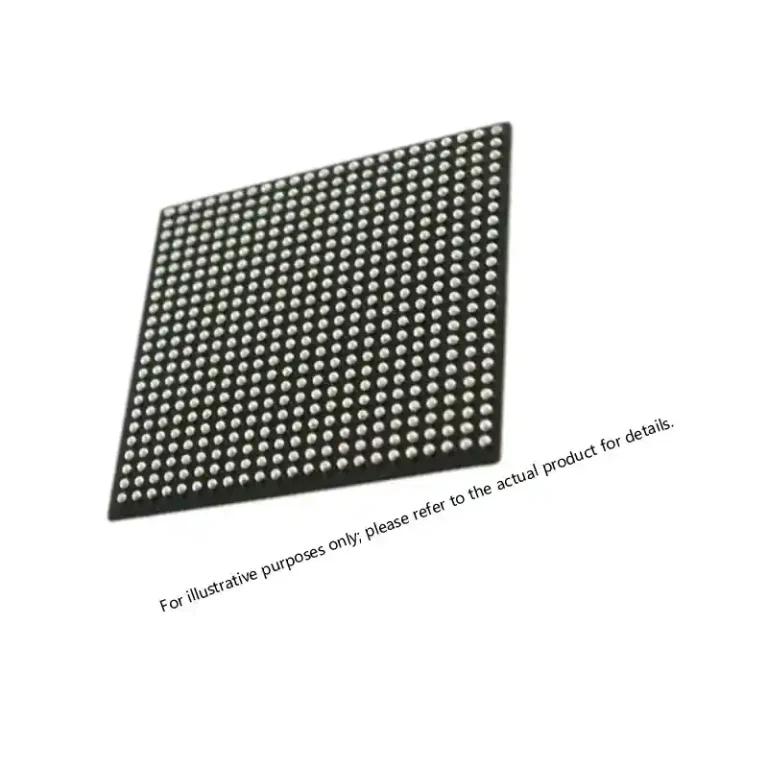
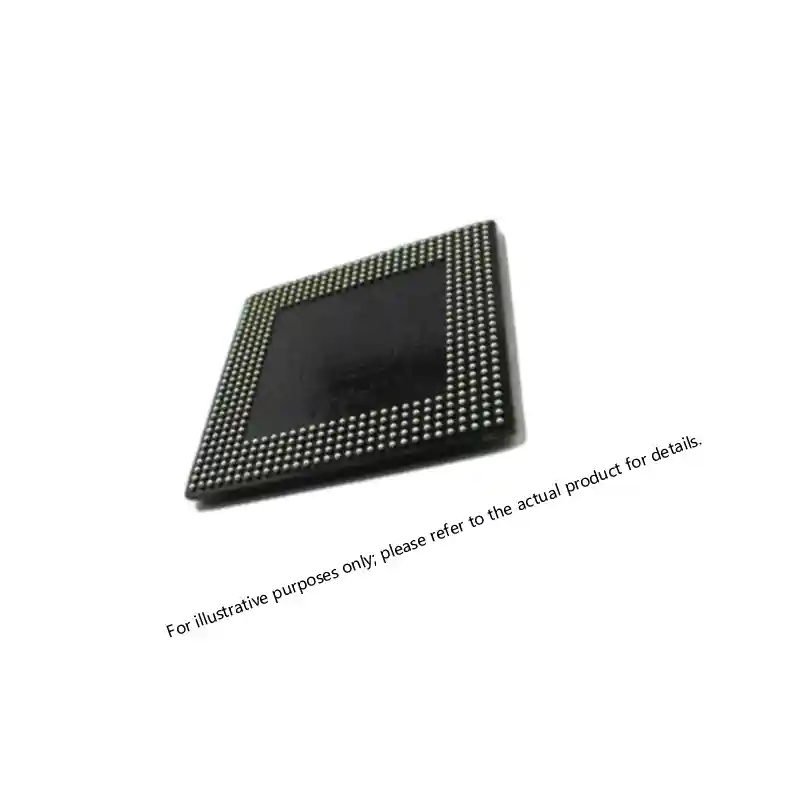
Application is where most coating failures begin. A coating that is too thin at a solder joint edge does not protect. A coating that is too thick can bridge connector contacts, wick into switches, or create thermal insulation around power devices. Military boards carry fine-pitch FPGA and ADC packages, BGA arrays, and MIL-SPEC connectors. Each of those has a different acceptable coating boundary. Masking is not a post-process fix; it must be designed into the layout before the first board goes through the line.
Masking and Keepouts Around Connectors and BGAs
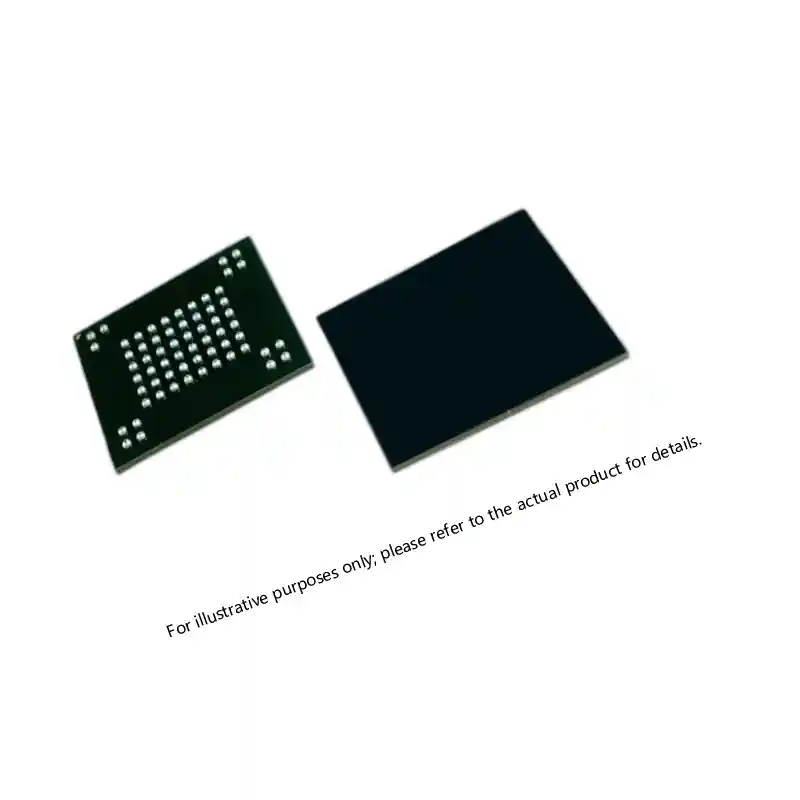
Connectors require exact keepout zones so the coating never enters the contact area. On BGA and QFN packages, the coating edge should stop at the package edge or a defined boundary. If the film fills the standoff region, thermal expansion differences can crack solder joints during thermal cycling. Coating that wicks under a package is one of the hardest defects to inspect and rework, because it is invisible from the top view.
Selective Robotic Coating Versus Manual Touch-Up
Selective robotic coating works well for volume boards with repeatable geometry. Manual brush touch-up handles short runs, rework, and shadowed areas. The risk in manual work is variation: operator A coats a connector edge differently than operator B. We have seen qualification lots where the only difference between pass and fail was hand-applied coverage around a mounting hole. The way to control that is a clear mask drawing and a defined thickness check at every edge.
If your assembly uses fine-pitch connectors or BGA packages and you are not sure whether the coating boundary will pass qualification, it is worth confirming the mask drawing with your coating house before releasing the build. Share your board stackup and component list with Sparkle Electronics at xuansc2144@gmail.com and we will check which hi-rel components need special masking or keepout.
What Inspection and Testing Do Military Conformal Coating Programs Require?
Coating verification has to catch the defects that visual inspection alone misses: voids, bubbles, pinholes, and thin edges. Most military programs specify IPC-CC-830 or the older MIL-I-46058C criteria as a baseline. Thickness is measured on witness coupons or board edges with a dry film gauge. The exact range depends on chemistry, but 25 to 75 microns is a common starting band for acrylic, silicone, and polyurethane.
Testing should then follow the operational profile. Salt fog exposure per the relevant MIL-STD-810 method checks whether the coating protects under humid corrosive conditions. Thermal cycling checks whether the film and the solder joints survive repeated expansion and contraction. Adhesion tests on coupons catch the coating delamination that leads to moisture trapping. The final inspection step is ultraviolet or automated optical inspection, with particular attention to shadowed areas under tall components.
When Should You Involve a Distributor in Conformal Coating Decisions?
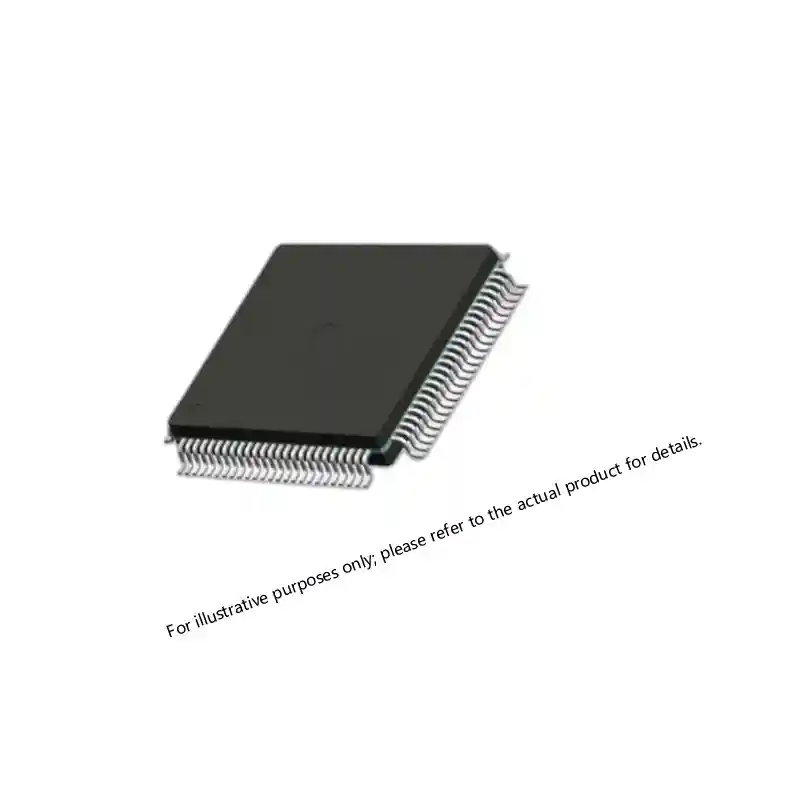
Coating and component selection are usually treated as separate tasks. That separation creates problems. A QML-qualified component with a gold finish may bond differently than a tin-lead part under the same coating. A high-density BGA may require parylene coverage, while a tall axial capacitor can tolerate a heavier silicone film. The component distributor rarely sees the coating drawing, and the coating house rarely sees the component data sheet.
Bringing those documents together early reduces requalification loops. We often work with defense contractors at the point where a board has been designed but the coating system is not yet finalized. The discussion starts with the part list: which packages are present, which terminations are exposed, which connectors carry high-voltage signals, and which areas must remain uncoated for test access. That review shapes both the coating recommendation and the sourcing list.
Moisture and contamination failures are expensive because they often appear late, after depanelization and conformal coating have already locked the process. If your board has fine-pitch packages, mixed finish components, or connectors that must stay uncoated, send your part list and coating requirements to xuansc2144@gmail.com. We will check which hi-rel components in your BOM are available with the correct finish and documentation before you commit to a coating system.
Common Questions About Military Conformal Coating
Does conformal coating eliminate the need for sealed enclosures?
No. Conformal coating reduces moisture and contamination risk but does not replace a sealed enclosure in sustained immersion or high-pressure water environments. Coating protects against condensation, light spray, and humid air. It will not hold back a continuous water column. For naval or ground systems that see direct water ingress, the design still needs an enclosure or potting at the connector and cable entry points. Coating works best as one layer in a broader environmental protection strategy.
Can a coated board be reworked after the coating has cured?
A common misconception is that coated boards cannot be reworked. In practice rework is possible but more involved. Acrylic and silicone coatings can be removed locally with solvent or a controlled microblade. Polyurethane and epoxy are harder to strip without damaging the board. The removed area must be recleaned, recoated, and reinspected after the component is replaced. Reworked boards need the same thickness check and adhesion test as the original lot, because the repair boundary is a new potential entry point for moisture.
Which coating is best for salt fog exposure?
It depends on how often the electronics cycle through wet and dry conditions. For intermittent salt fog and condensation, acrylic performs well and is easy to inspect under UV light. Silicone is the better choice when the same board also sees wide temperature swings. Parylene offers the most uniform barrier on fine-pitch boards but costs more and cannot be touched up on site. The operating profile, not the salt fog test alone, should drive the selection.
How thick should conformal coating be on military electronics?
In boards we have supported, the coating thickness that passes qualification is rarely a single number. Acrylic, silicone, and polyurethane typically fall in a 25 to 75 micron band. Parylene films are thinner, often below 25 microns, and rely on uniformity rather than bulk. The exact range must come from the coating standard and the component geometry. If your program has a specific thickness requirement, share the coating standard and part list at xuansc2144@gmail.com and we will confirm which components and documents need to align.
If you’re interested, check out these related articles:
A1020B-PG84B ACT2 FPGA: Specs, Sourcing, and Availability
XCKU085 UltraScale FPGA: Performance for Critical Systems
Virtex-7 690T FPGA: Performance for Mission-Critical Systems
XC7VX485T FPGA: Virtex-7 Performance for Defense
XCKU115 UltraScale FPGA: Powering Critical Defense Systems