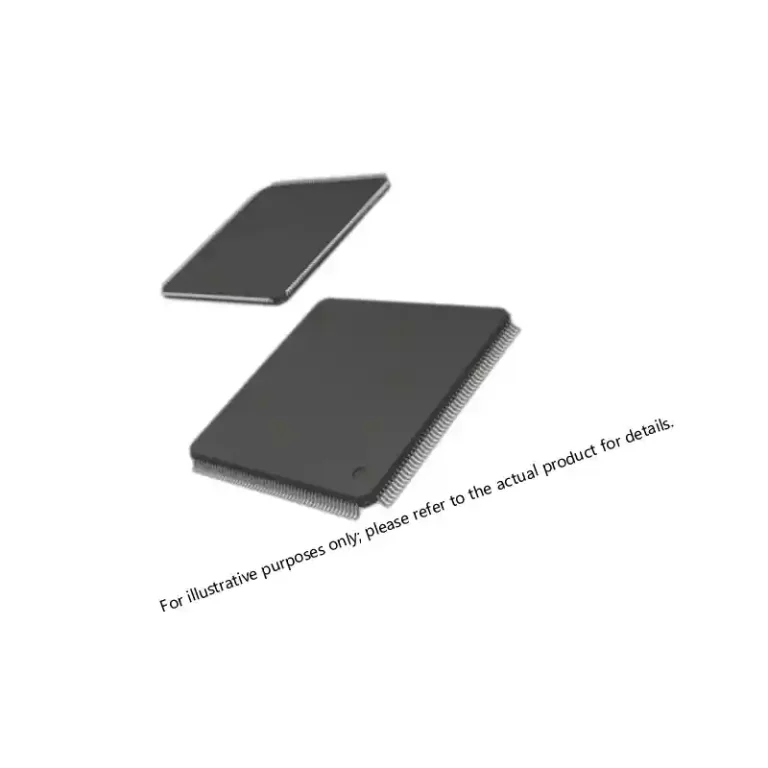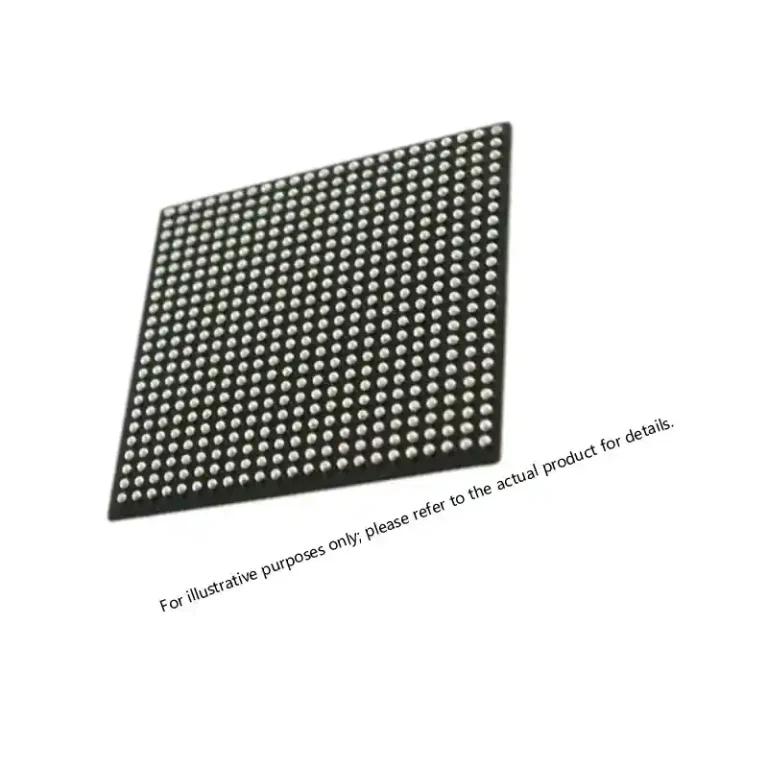
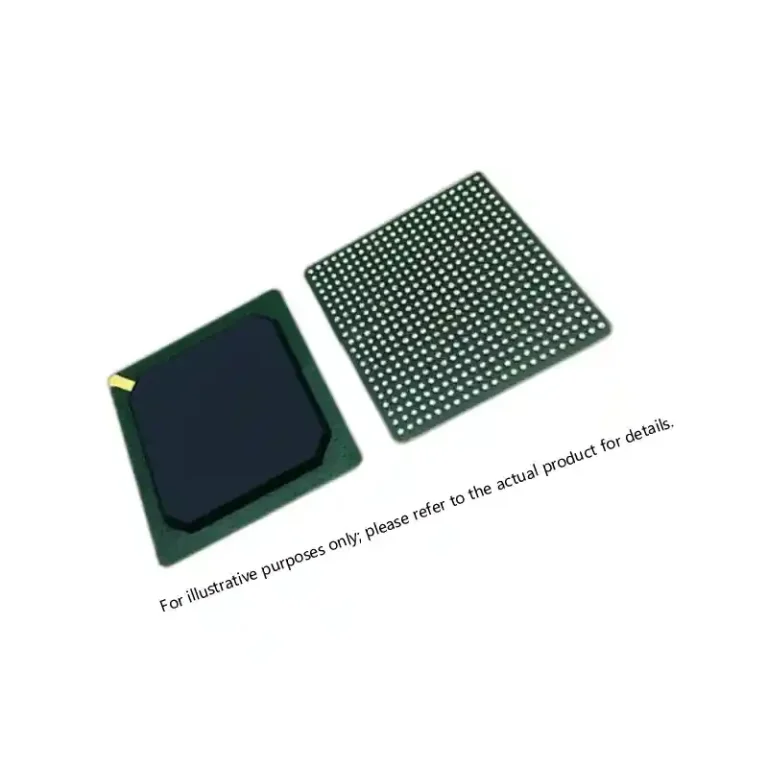
EUVIS Military ADCs for High-Speed Defense Signal Chains
Table of Contents
- EUVIS Military ADC Placement in Defense Signal Chains
- EUVIS Military ADC Specifications to Verify Before Sourcing
- Authenticity and Traceability Requirements
- Lifecycle Planning for Long-Duration Defense Programs
- Sourcing EUVIS Military ADCs Without a Qualification Loop
- Common Questions About EUVIS Military ADCs
- Are EUVIS military ADCs suitable for both radar and electronic warfare signal chains?
- Can a commercial ADC with the same resolution and sample rate replace a military EUVIS ADC?
- What documentation should a defense buyer request before accepting an EUVIS military ADC shipment?
- How can a defense program avoid long lead time surprises with high-speed ADCs?
High-speed military ADCs determine how clearly a radar, electronic warfare, or SIGINT system sees its environment. EUVIS military ADCs sit in the signal acquisition chain where sample rate, spurious-free dynamic range, and deterministic latency decide whether a threat is detected in time. I evaluate these parts by what happens after the datasheet: silicon provenance, lot traceability, and how a device behaves across temperature, voltage, and time. This article focuses on the sourcing and verification decisions that prevent a qualified design from turning into a field failure.
EUVIS Military ADC Placement in Defense Signal Chains
Military ADC selection starts with the receiver architecture, not the converter datasheet. A single-channel, high sample rate EUVIS military ADC can simplify a direct sampling front end by removing analog downconversion stages. That changes the bill of materials and the failure surface. When the ADC moves closer to the antenna, the burden shifts to the anti-alias filter, the clock source, and the FPGA that deserializes the data.
In radar and EW systems, I look at the signal chain as a system-level decision. Some designs need a wideband ADC to capture multiple threats across a broad spectrum. Others need a more modest sample rate with deeper resolution for weak signal recovery. The EUVIS military ADC usually earns a place when the program needs a qualified, documented path rather than an upscreened commercial converter.
EUVIS Military ADC Specifications to Verify Before Sourcing
Three specifications have caused more sourcing rework than any others in my experience: clock input compatibility, digital output format, and screening level. Clocking deserves attention first. A high-speed defense ADC is only as good as the aperture jitter at the conversion instant. If the system clock source cannot meet the phase noise budget, a better ADC will not fix the basic measurement.
The table below groups the verification points I use when a BOM reaches our desk.
| Selection area | What to verify before procurement |
|---|---|
| Sampling and bandwidth | Confirm sample rate, analog bandwidth, and JESD204B/C lane count against the FPGA receiver plan |
| Clocking and jitter | Confirm aperture jitter and acceptable phase noise with the system timing source |
| Environmental grade | Confirm temperature range, hermetic package, and screening level suitable for the platform |
| Provenance | Request lot documentation and supply chain traceability back to the manufacturer |
| Lifecycle status | Confirm production status, last-time buy alerts, and alternate sourcing options |
One point that does not appear in the table is configuration memory. Some high-speed military ADCs expose register maps through SPI or JESD204B/C control lanes. I ask whether the exact silicon revision matches the FPGA receiver core the design team validated. A revision mismatch may appear only as intermittent link failure at temperature.
Authenticity and Traceability Requirements
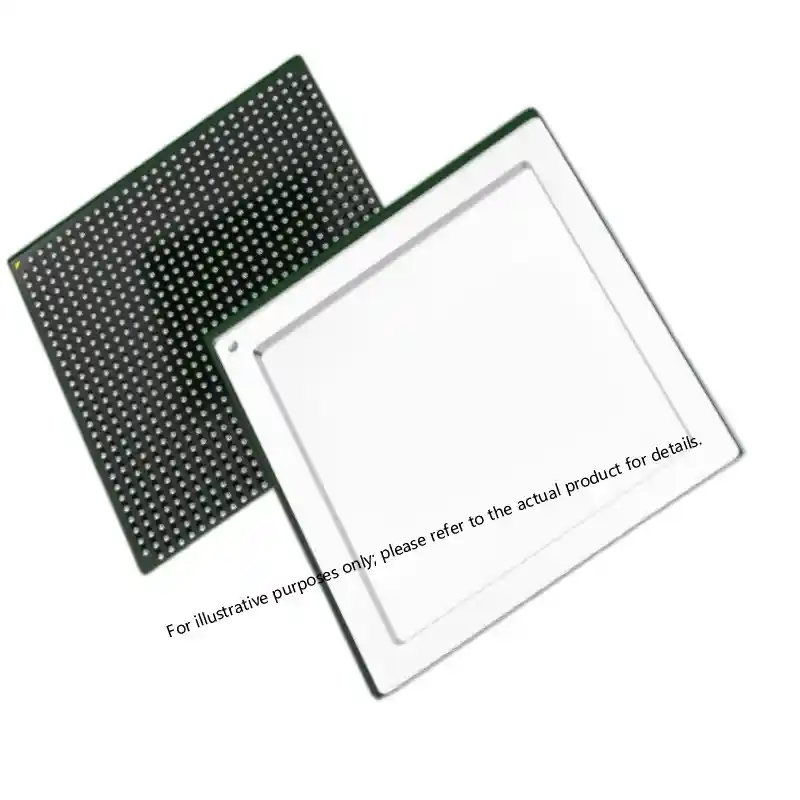
Military ADC procurement fails quietly when the part is authentic but the documentation is not. A converter may meet every electrical test and still create a compliance problem if the certificate of conformance does not trace to the original manufacturer lot. I treat traceability as a binary gate: it is either complete or the procurement stops.
When we have compared incoming inspection records against manufacturer lot documentation, mismatched date codes and incomplete test data were the most common early warnings of a problem. In those cases, quarantine before line placement was the only outcome that protected the program. That slowed the schedule, but it prevented building a system around parts with unknown handling history.
EUVIS military ADCs should arrive with documentation that matches the part numbering exactly. If a packing slip uses a different suffix or date code from the certificate, I stop the line. It is cheaper to resolve a paperwork mismatch before soldering than after failure analysis.
If your program involves a nonstandard jitter budget, a specific JESD204B/C lane configuration, or a second-source mismatch, it is worth confirming the exact EUVIS ADC silicon revision before you freeze the BOM. Send the part number and system clock details to xuansc2144@gmail.com and we will verify stock and documentation against your build.
Lifecycle Planning for Long-Duration Defense Programs
Defense signal acquisition programs often outlive the commercial lifecycle of a data converter. That is why sourcing decisions should include the end of life plan from the start. For an EUVIS military ADC, I ask three questions: is the device in active production, what is the last-time buy position, and has the manufacturer committed to wafer banking or extended production commitment.
A radar program can run for a decade. If the ADC disappears in year four, requalifying a replacement may consume more engineering time than the original design. I recommend locking the part number, documenting alternate pin-compatible options, and setting a review trigger against the distributor’s lifecycle notice. That structure keeps the program ahead of the shortage instead of reacting to it.
Sourcing EUVIS Military ADCs Without a Qualification Loop
A known part number is easier to source than a loose requirement. When a defense team sends us a complete EUVIS military ADC part number with the build quantity and screening level, we can confirm stock, lot documentation, and lead time in a single pass. If the requirement is still general, the conversation usually cycles through architecture choices, interface variants, and environmental grades before a quote can be accurate.
Sparkle Electronics works with defense contractors across more than thirty countries by keeping that confirmation tied to traceability. Send your part number, required quantity, and any QML or screening constraints to xuansc2144@gmail.com. We will verify availability and documentation against your program before you commit.
Common Questions About EUVIS Military ADCs
Are EUVIS military ADCs suitable for both radar and electronic warfare signal chains?
Yes, but the interface and clocking architecture usually decide how cleanly a device fits a specific program. Radar and EW chains both need high sampling rates and wide input bandwidth, but EW often adds a faster tuning requirement. I would confirm the JESD204B/C lane configuration and the FPGA receiver compatibility before committing.
Can a commercial ADC with the same resolution and sample rate replace a military EUVIS ADC?
A common misconception is that identical headline numbers produce identical field behavior. Commercial ADCs may share the same core but differ in screening, temperature range, packaging, and lot documentation. Without a qualified upscreening process, the replacement may not survive the same environmental profile. In defense signal acquisition, the documentation trail is part of the specification.
What documentation should a defense buyer request before accepting an EUVIS military ADC shipment?
It depends on the program’s quality and inspection requirements, but three documents are the minimum starting point. Request the certificate of conformance, the original manufacturer lot traceability record, and the incoming inspection report. Programs with QML or MIL-PRF-38535 requirements may also need screening lot records and failure analysis data. Confirming these documents before payment reduces the chance of a costly line stop.
How can a defense program avoid long lead time surprises with high-speed ADCs?
In defense programs I have sourced, the fastest path has been to lock the exact EUVIS ADC part number early and avoid last-minute second-source swaps. Long lead time surprises usually appear when a BOM changes after the build plan is fixed. I recommend reviewing the distributor’s lifecycle notices every quarter and placing a last-time buy alert on the approved part. Share your part number and required screening level with xuansc2144@gmail.com and we will confirm current availability and documentation.
If you’re interested, check out these related articles:
UltraScale KU085 FPGA Specifications for Defense Systems
Virtex-7 XC7VX690T: Performance, Reliability, and Integration
XC7VX485T Virtex-7 FPGA: Performance and Sourcing for Defense
Virtex-7 XC7VX690T: Performance and Reliability Insights
XCKU085 UltraScale FPGA: Performance for Critical Systems