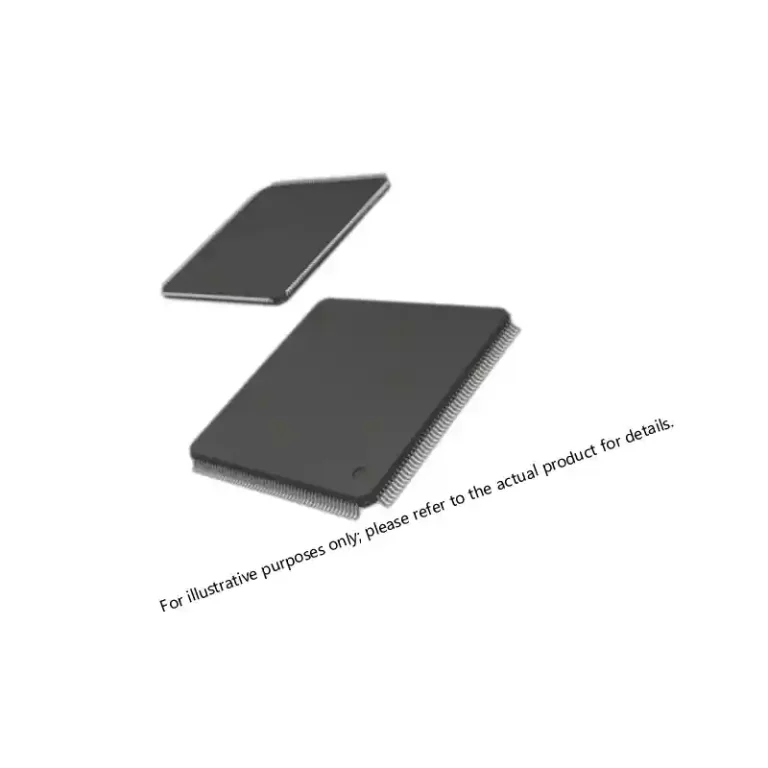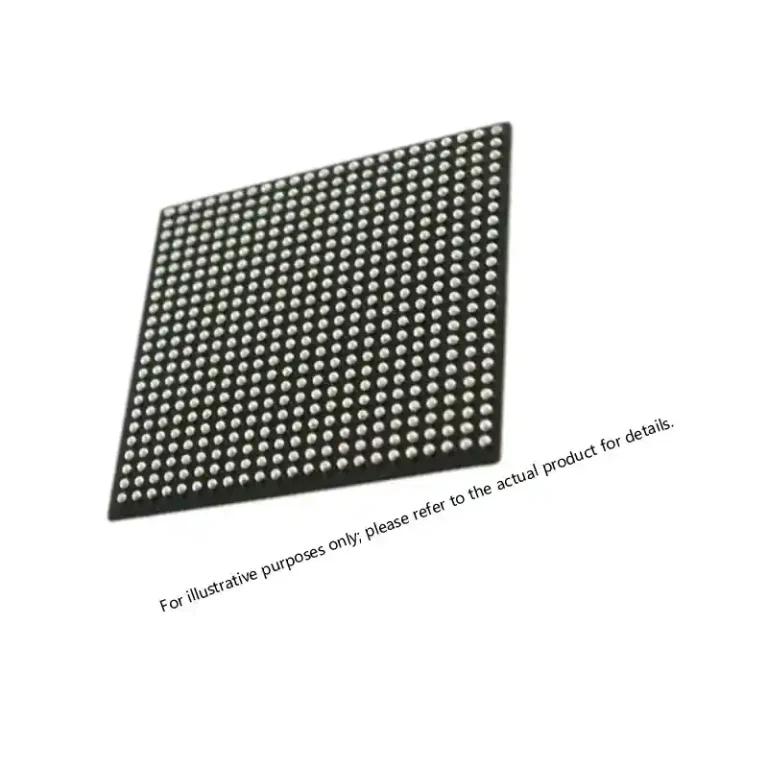
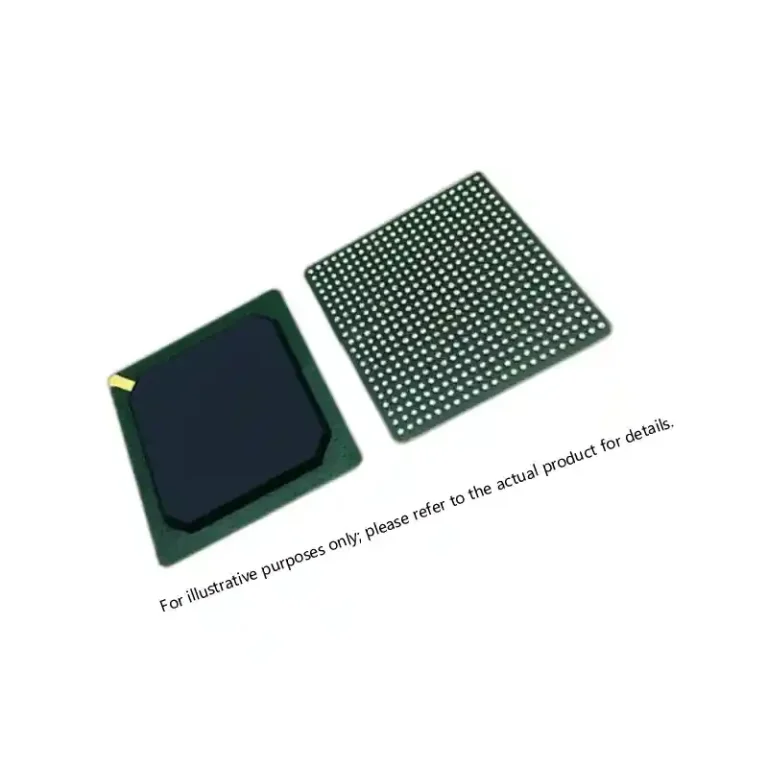
Freescale NXP Military Processors for Defense Computing
Table of Contents
- Freescale NXP Military Processor Roles in Defense Embedded Computing
- Key Processor Families and Part Number Selection Factors
- Qualification and Documentation Required for Hi-Rel Procurement
- Sourcing Risk Controls and Lifecycle Planning
- Procurement Support for Defense Embedded Computing Programs
- Common Questions About Freescale NXP Military Processors
- Are Freescale NXP military processors still available after the NXP acquisition?
- Do these processors meet QML or MIL-PRF requirements?
- Which NXP processor families work in radar and avionics systems?
- How do we verify sourcing when buying from an independent distributor?
Freescale NXP military processors remain a practical choice for defense embedded computing because they combine Power Architecture processing with long production life cycles, extended temperature handling, and broad legacy support. In our work at Sparkle Electronics, we see program teams choose these devices not for a single benchmark, but because the processor family aligns with qualification histories, existing board support packages, and avionics interfaces that cannot be redesigned on short notice. The families, specifications, documentation, sourcing risks, and lifecycle planning determine whether a part is actually program ready.
Freescale NXP Military Processor Roles in Defense Embedded Computing
These processors usually sit at the control plane or mission computer layer of a defense system. They handle command, data movement, sensor fusion, and interface management rather than raw signal capture, which falls to FPGAs and high-speed ADCs. In radar and electronic warfare systems, NXP Power Architecture processors manage configuration and data flow while dedicated logic performs waveform processing. In avionics, they run display, navigation, and bus controller tasks where long software qualification histories matter more than peak throughput.
Freescale ran these lines for decades before NXP acquired the business in 2015. The part number heritage survived, which is why procurement documents still list Freescale prefixes even when the device is NXP branded. We see this consistently in defense BOMs and legacy maintenance programs. The important step is to treat the complete part number suffix as the procurement identifier, not the family name alone.
Key Processor Families and Part Number Selection Factors
The useful split for defense programs is between legacy PowerQUICC and QorIQ lines. PowerQUICC II and II Pro devices such as the MPC8265, MPC8270, and MPC8349 appear in older avionics boxes and mission computers. QorIQ P-series parts such as the P2010 and P2020 bring the e500 core and integrated security acceleration into secure communications and radar control functions. QorIQ T-series devices such as the T1040 move to 64-bit cores and higher throughput for newer embedded computing cards.
| Processor line | Representative devices | Typical defense embedded role | Selection check |
|---|---|---|---|
| PowerQUICC II / II Pro | MPC8265, MPC8270, MPC8349 | avionics control, mission computer data plane | temperature suffix, C of C, legacy BSP |
| QorIQ P-series | P2010, P2020 | secure communications, radar control plane | speed grade, security engine, core count |
| QorIQ T-series | T1040 | high-throughput embedded computing | 64-bit core, package thermal, long lifecycle |
| PowerPC 74xx / e600 | MC7447A, MC8640 | ruggedized single-board computers | qualified screening, pin compatibility |
One thing we look for at quote stage is the full ordering part number. A family name such as QorIQ P2020 does not specify package, speed, temperature, or RoHS version. Defense planning fails at this step more often than at the architecture choice. A missing suffix is enough to change what arrives at incoming inspection.
Qualification and Documentation Required for Hi-Rel Procurement
Not every processor labeled military is a QML device. Many Freescale NXP Power Architecture parts enter defense programs through established temperature grades, long line life, and controlled screening rather than a 5962 listing. If a program requires QML or MIL-PRF-38535 qualification, the buyer should check the manufacturer qualification record for the exact part number before writing the requirement. For COTS-based defense designs, the standard path is usually extended temperature selection plus documented lot screening, not full QML.
Documentation matters as much as the silicon. We require a Certificate of Conformance that lists the exact part number, date code, lot code, and quantity. We also verify that the shipping documents match the original manufacturer or the authorized chain. MIL-STD-883 screening, if specified, adds burn-in, temperature cycling, and electrical verification depending on the screen level. Those records need to stay with the lot through incoming inspection and into program records.
If your program involves a specific NXP processor derivative with a particular temperature suffix or speed grade, it is worth confirming the full part number and screening flow before finalizing the BOM. Send the part number and your target quantity to xuansc2144@gmail.com and we will confirm stock and documentation.
Sourcing Risk Controls and Lifecycle Planning
Processor sourcing risk concentrates in a few places: mixed date codes, incomplete suffix information, gray market parts with uncertain handling history, and ESD damage from poor packaging. The controls are not complicated, but they must be enforced before parts reach the production floor. We check part number and suffix, lot and date code consistency, original packaging, and storage conditions. We reject lots that show re-tinning or pin damage.
We have seen a sourcing problem arise when a buyer accepted a quote that listed only the family name, not the full suffix. The line item reached incoming inspection with a commercial temperature part instead of the extended range version. The correction was to require the complete manufacturer part number and screening code on every order confirmation before shipment. That single change removed most of the downstream qualification risk.
Lifecycle planning follows the same logic. Defense embedded computers often stay in service for 15 years or more, while processor generations move faster. Product change notices and last-time buy windows become procurement decisions, not technical notes. We monitor the lines we supply and flag discontinuance early enough for a program to buy ahead or qualify an alternate.
Procurement Support for Defense Embedded Computing Programs
Waiting for a processor only to discover the wrong temperature suffix at incoming inspection disrupts a qualified build and adds weeks to a program schedule. We work from the full manufacturing part number, confirm the screen level and documentation, and verify date code consistency before quotation. If your program needs Freescale NXP military processors for defense computing, send the full part number, required screen level, and target delivery date to xuansc2144@gmail.com and we will confirm stock, documents, and lead time.
Common Questions About Freescale NXP Military Processors
Are Freescale NXP military processors still available after the NXP acquisition?
Yes. The Freescale to NXP transition in 2015 did not remove the legacy Power Architecture lines. Many part numbers continue under NXP branding, and older Freescale-marked inventory still moves through authorized and independent channels. The real check is supply continuity for the exact suffix your board needs. Before ordering, verify the full part number, temperature grade, and date code because the original Freescale suffix and the current NXP version can differ.
Do these processors meet QML or MIL-PRF requirements?
Many teams assume that a military processor is automatically QML qualified. That assumption is wrong for most Freescale NXP Power Architecture devices. They serve defense embedded systems through established industrial temperature ranges, long line life, and controlled screening, not through a 5962 listing. If your program mandates QML or MIL-PRF-38535, check the manufacturer qualification for the exact part number. For COTS-based designs, documented upscreening may be acceptable, but the engineering responsibility stays with your team.
Which NXP processor families work in radar and avionics systems?
It depends on the workload and the interface set. For legacy avionics buses and control functions, PowerQUICC II and II Pro devices remain common because the software and board support packages are already qualified. For secure communications and radar control planes, QorIQ P-series parts with security acceleration fit well. For higher-throughput embedded computing, QorIQ T-series 64-bit parts handle more data movement. Confirm the exact part number against the bus interfaces, temperature range, and existing BSP before releasing the BOM.
How do we verify sourcing when buying from an independent distributor?
For defense programs we serve, the distributor needs to show the original manufacturer packaging label, lot traceability, and a C of C with exact part number and date code. We ask for photographs of the physical part and labels before shipment. Then we check for date code mixing, pin damage, and re-tinning. If any check fails, the lot stops at incoming inspection and the distributor corrects it. Share your part number, screen level, and target delivery date with us at xuansc2144@gmail.com and we will confirm documentation and stock.
If you’re interested, check out these related articles:
XC7VX485T FPGA: Virtex-7 Performance for Defense
A1020B-PG84B ACT2 FPGA: Specs, Sourcing, and Availability
Virtex-7 XC7VX690T: Performance and Reliability Insights
Virtex-7 XC7VX690T: Performance, Reliability, and Integration