Getting Accurate BOM Quotes for Military Components
Table of Contents
- What a BOM Quote Must Include for Military Programs
- Why Vague RFQs Get Vague (or Misleading) Quotes
- How to Evaluate a Quote’s Authenticity Before You Commit
- Common Mistakes That Inflate BOM Costs and Delay Fielding
- Building an RFQ Process That Distributors Actually Respond To
- Common Questions About Military Component BOM Quoting
- Does every BOM line need full MIL-SPEC traceability?
- Why do some distributors require an NDA before quoting?
- How do I handle a quote where the distributor is not the OEM but claims authorized stock?
- Can I get a BOM quote without sharing my company name?
- What is the biggest warning sign that a BOM quote is unreliable?
Every defense procurement team eventually hits the same wall: a BOM lands on your desk, you need quotes fast, and the responses that come back are all over the map — some 40% apart on price, some missing crucial lead-time detail, a few looking suspiciously too good to be true. BOM quotes for military components are not just pricing exercises; they are the first real test of whether a supplier understands the documentation, traceability, and compliance demands of your program. I have seen programs delayed by months because a quote was accepted without confirming that the parts were from authorized channels, and I have seen others burn budget chasing cheap quotes that later turned into counterfeit returns. This article is what I wish every buyer had before sending out their next RFQ — a straightforward checklist for getting quotes that are detailed enough to act on and honest enough to trust.
What a BOM Quote Must Include for Military Programs
A BOM quote for military electronics is not a simple price per part. The bare minimum that turns a line-item number into something your quality team can work with includes the manufacturer part number (with any suffix or dash number), the quantity break, and the target delivery date, but that is where the easy part ends. The quote must also clarify the supply channel: whether the parts are from authorized distribution, OEM direct allocation, or independent open-market stock. When I evaluate a quote that lacks this distinction, I treat it the same as an incomplete one. If the parts are MIL-SPEC or QML devices, the quote should reference the applicable specification sheet and the screening level, because a JANTX transistor quoted as a JANTXV will change both cost and program compliance. Then there is the documentation package — at minimum, a Certificate of Conformance for each line item, and for high-reliability programs, the lot-test data and chain-of-custody records. A quote that arrives without those commitments upfront will almost always require follow-up questions that add days to the procurement cycle.
Why Vague RFQs Get Vague (or Misleading) Quotes
I have lost count of how many BOM quotes I have seen that looked competitive on price but fell apart the moment you asked for lot-trace documentation. When an RFQ arrives at a distributor’s desk with just a part number and a quantity, the person quoting it has no incentive to flag that the part they are offering is from a single-source surplus lot with no chain of custody. Worse, a vague RFQ invites mixed-market quotes where the distributor blends authorized stock with open-market parts to hit a lower number, without disclosing which line items come from which source. For many defense programs, that alone can trigger a compliance audit nightmare. The antidote is not complicated: require the supplier to declare the supply type per line item in the quote itself. I also recommend specifying the documentation standard you need — if you are going to need full lot-trace per AS6081 inspection, say so in the RFQ. Distributors who cannot meet that will either decline to quote or will adjust the price upward, and both outcomes are better than discovering the lack of traceability during incoming inspection.
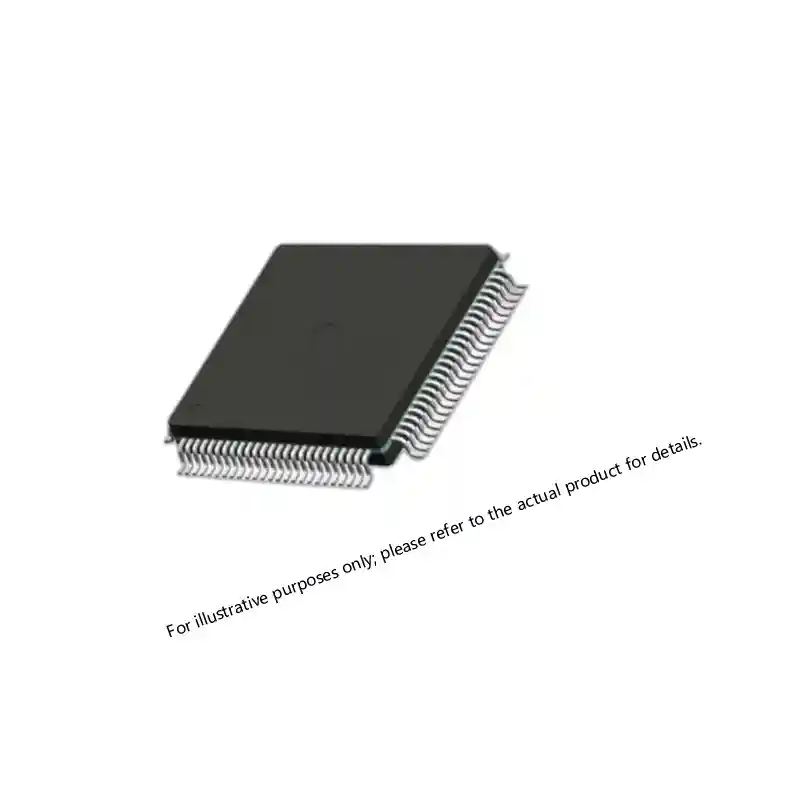
If your BOM includes mixed 5962-series and commercial off-the-shelf parts, it is worth confirming traceability expectations per line item before you evaluate the quote, because not every part number will carry the same certification chain — reach out at xuansc2144@gmail.com if you need a second opinion on a complex BOM.
How to Evaluate a Quote’s Authenticity Before You Commit
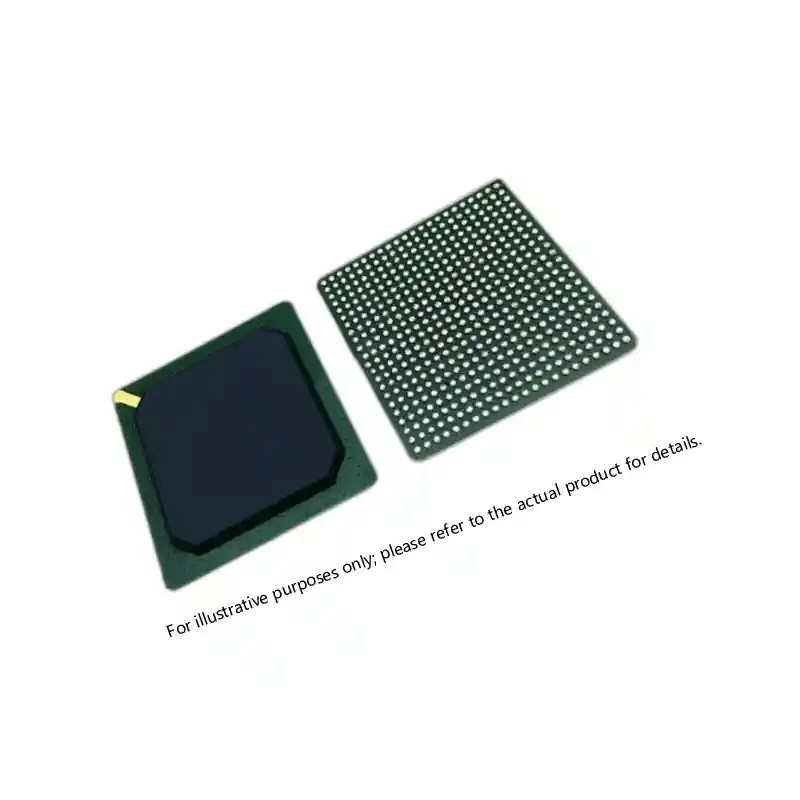
Price anomalies are the first signal, but they are not the only one. A quote that comes in 25% below every other source for a known EOL Xilinx Virtex-II part should trigger an immediate request for the lot-origin documentation. I have personally seen cases where the quoted part number matched exactly, but the date code placed the lot three years past the manufacturer’s last-time-buy window, making it virtually impossible for the stock to be fresh authorized inventory. Beyond price, check whether the quote includes testing and inspection clauses that match what the distributor claims to provide. A supplier who advertises AS6081-compliant inspection but does not list the specific incoming test steps in the quote is worth questioning. The following table summarizes the documentation tiers I use when vetting a quote for program-critical components.
| Documentation Level | What It Confirms | Typical Requirement |
|---|---|---|
| Certificate of Conformance (C of C) | Part conforms to specified Mil standard | All MIL-SPEC line items |
| Lot Test Data | Electrical and environmental test results per lot | QML, JANTXV, Rad-Hard |
| Chain of Custody | Handoff records from OEM to distributor | High- criticality ASICs, FPGAs |
| AS6081 Inspection Report | Independent verification of authenticity | Open-market or broker-supplied parts |
A quote that cannot produce at least the first two tiers for MIL-SPEC line items is not one I would carry forward into a purchase order without a detailed risk assessment.
Common Mistakes That Inflate BOM Costs and Delay Fielding
One mistake I see across small and mid-tier defense contractors is treating BOM quoting as a one-time event instead of a phased process. Sending the same BOM to a dozen distributors without qualifying any of them first generates noise, not competition. Some suppliers will quote aggressively on the easy lines and mark up the difficult ones; others will low-ball the entire BOM and hope you do not notice the omitted lead times. A better approach is to pre-qualify two or three distributors who understand your program’s specific standards — MIL-PRF-38535, QML, JANTX screening, ITAR restrictions — and send the BOM only to them. The time saved in not having to re-educate a new supplier on every quote cycle is substantial. Another mistake is ignoring obsolescence flags. A BOM that contains parts flagged as not recommended for new design (NRND) or end-of-life needs a supply continuity plan built into the quote, not just a price. I always ask the distributor to confirm the remaining manufacturer allocation for any EOL part and to propose a form-fit-function alternate if one exists. Without that, the quote may look cheaper today but will trigger a redesign and requalification cycle later.
Building an RFQ Process That Distributors Actually Respond To
The way an RFQ is packaged can make the difference between a same-day response and radio silence. Every BOM sent for quote should be accompanied by a brief program description — unclassified, general enough — that tells the distributor whether they are quoting for a one-time repair, a production run, or a long-term sustainment program. This context changes how a supplier allocates inventory: a program that needs 50 units over five years gets a different priority than a spot buy. I also include a clear NDA upfront if the BOM itself is sensitive, because a distributor who cannot sign your NDA is not one you want quoting your parts. Format matters too. A clean spreadsheet with separate columns for manufacturer, full part number, quantity, required lead time, and documentation level will get a cleaner quote back than a PDF scan of a handwritten list. When I work with new defense clients, I spend the first few RFQs essentially training the quoting process; after that, the turnaround time drops significantly because the supplier already knows the documentation requirements for every line.
If your program is moving from prototype to low-rate production and you are unsure how that changes your BOM quoting strategy, a short discussion can clarify whether you need allocation quotes, consignment stock, or just a fast-turn RFQ — send your part list to xuansc2144@gmail.com and I will point out which lines are likely to cause lead-time trouble.
Common Questions About Military Component BOM Quoting
Does every BOM line need full MIL-SPEC traceability?
Only if the part’s end-use requires it. A power management IC going into a radar exciter may need full lot-trace per MIL-PRF-38535, while the same part used in a lab test fixture may only need a standard Certificate of Conformance. I recommend marking the traceability requirement per line in the BOM spreadsheet itself; this prevents the distributor from over-documenting and inflating the quote on non-critical lines, or under-documenting and causing a qualification failure on critical ones.
Why do some distributors require an NDA before quoting?
When a BOM reveals the component mix of a sensitive defense subsystem, the NDA protects both sides. From the supplier’s perspective, it also allows them to share internal allocation data or OEM supply agreements that they would not disclose without a confidentiality agreement in place. I send NDAs as a matter of routine for any BOM that combines FPGAs, high-speed ADCs, and frequency-agile RFICs in obvious signal-chain configurations.
How do I handle a quote where the distributor is not the OEM but claims authorized stock?
Ask for a copy of the authorization letter from the manufacturer. Every legitimate authorized distributor can produce this, usually as a PDF on demand. If the supplier hesitates or offers an explanation like “we source through a partner,” the quote is effectively independent stock, no matter how it is presented. I treat these as open-market quotes and require AS6081 inspection before acceptance.
Can I get a BOM quote without sharing my company name?
Yes, many distributors will provide a preliminary quote based on part numbers and quantities alone, but the quote will typically carry a validity disclaimer and may exclude volume pricing. For defense programs with strict disclosure policies, I structure the initial RFQ with just the technical details and add an NDA-cleared cover sheet once the pricing is close enough to move forward.
What is the biggest warning sign that a BOM quote is unreliable?
A quote that arrives within hours on a complex BOM with no questions asked. Any distributor with genuine experience in military components will have questions about date codes, revision levels, or alternate packaging options. A zero-question quote usually means the supplier applied a standard markup to a database lookup without verifying actual stock age or source. Share your requirements and we will help you confirm that the documentation matches the promise before you commit.
If you’re interested, check out these related articles:
Virtex-7 690T FPGA: Performance for Mission-Critical Systems
XC7VX485T Virtex-7 FPGA: Performance and Sourcing for Defense