MIL-SPEC Power ICs for Defense: What Designers Need to Know
Table of Contents
- MIL-SPEC Power IC Specifications and Standards for Defense
- Key MIL-SPEC Power IC Types and Their Defense Applications
- Supply Chain Integrity and Counterfeit Prevention for MIL-SPEC Power ICs
- MIL-SPEC Power IC Obsolescence and Long-Term Availability
- Sourcing Strategies for MIL-SPEC Power ICs
- Achieving Long-Term Success with Reliable MIL-SPEC Power ICs
- Common Questions About MIL-SPEC Power ICs
- What screening level do I actually need?
- How do I verify that a MIL-SPEC power IC is authentic?
- Can I use commercial power ICs with upscreening instead of MIL-SPEC?
- What are the lead times for MIL-SPEC power ICs today?
Defense electronics demand power management components that perform reliably across extreme temperatures, withstand shock and vibration, and meet rigorous qualification standards. But choosing the right MIL-SPEC power ICs for a program goes beyond datasheet parameters. My twelve years in military-grade component sourcing have shown that supply chain integrity, from batch traceability to authentic documentation, is what separates a successful deployment from a program delay caused by counterfeit or non-compliant parts. This article breaks down the key specifications, IC types, and sourcing strategies that defense designers and procurement teams must align to keep mission-critical systems powered without compromise.
MIL-SPEC Power IC Specifications and Standards for Defense
MIL-SPEC power ICs are defined by performance requirements far stricter than commercial equivalents. The foundational standard is MIL-STD-883, which covers environmental, mechanical, and electrical test methods. For hybrid microcircuits and power modules, MIL-PRF-38534 specifies design, qualification, and quality assurance. Devices qualified under this standard carry a QML (Qualified Manufacturers List) marking, indicating they are produced on a DLA Land and Maritime certified manufacturing line.
Temperature range is the most immediate differentiator. Standard MIL-SPEC devices are rated for -55°C to +125°C operation, with burn-in screening per MIL-STD-883 method 1015. Parts intended for space or extreme environments may require additional radiation hardness assurance (RHA) or shallower derating. Screening levels such as JANTX, JANTXV, and QML Class Q or V define the intensity of lot acceptance testing, with Class V representing the most stringent space-grade standard. When specifying a power IC, the required screening level impacts both cost and lead time, so it should be matched to the program’s reliability budget rather than always defaulting to the highest grade.
Key MIL-SPEC Power IC Types and Their Defense Applications
MIL-SPEC power management spans several device categories, each dominant in specific subsystems. The table below summarizes common types with example series used in defense programs.
| Type | Example Series | Key Specifications | Typical Defense Application |
|---|---|---|---|
| DC-DC converter module | Vicor V24C12M100B | 24V input, 12V/100W output, full military temp | Phased array radar power rails |
| Low-dropout regulator (LDO) | TI TPS73601MDBVREP | 400mA, adjustable output, EP grade | Sensitive analog supply in SIGINT receivers |
| EMI filter module | Vicor FARM1H21 | 250 kHz filter, H-grade | Power input conditioning on naval platforms |
| AC-DC rectifier | Vicor URAM2H21 | H-grade military, full-wave | Shipboard 28V bus power |
| Isolated DC-DC converter | VPT DVHF2812S | 28V to 12V, 5W hermetic | Avionics instrument power isolation |
DC-DC converters are the workhorses of defense power distribution. The Vicor Maxi, Mini, and DCM series provide wide input ranges and efficient isolated outputs. For example, the V24C12M100B delivers 100W at 12V from a 24V bus, which is common in ground vehicle and airborne electronics. Similarly, VPT’s hermetic modules are frequently selected for avionics and satellite applications where vacuum compatibility and radiation tolerance are critical.
LDO regulators handle point-of-load noise-sensitive circuits. The TI TPS736 series offers low dropout and high PSRR in a compact package, while the TPS7A8500 supplies higher current for FPGA core voltages in signal processing. These parts often require extended temperature testing beyond standard industrial grades.
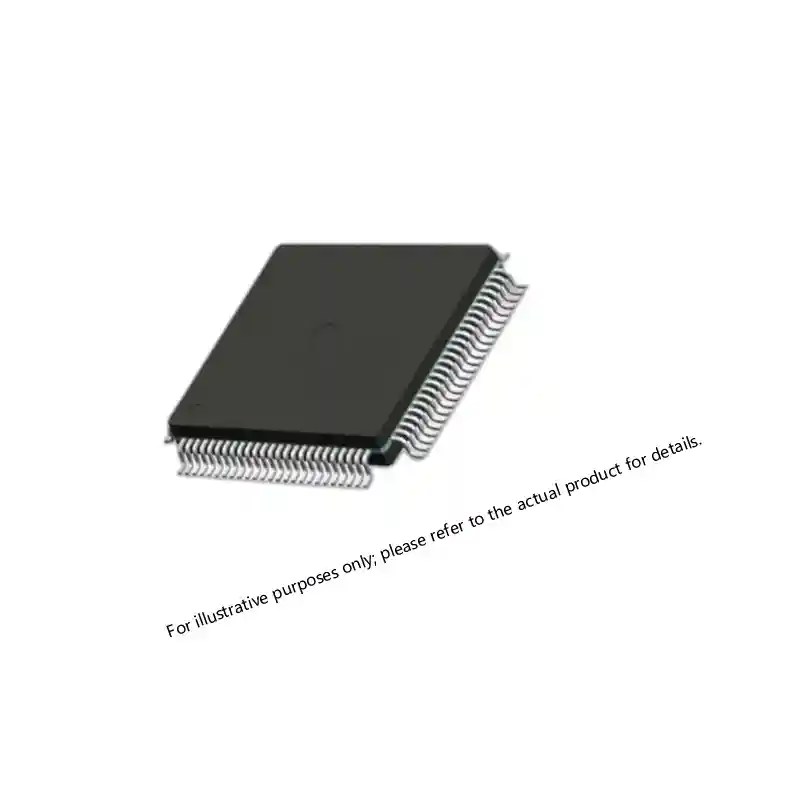
Supply Chain Integrity and Counterfeit Prevention for MIL-SPEC Power ICs
My experience sourcing MIL-SPEC power ICs has taught me that the most technically perfect component is worthless if it arrives without traceable documentation. Counterfeit parts, often repainted commercial components, enter the supply chain through unauthorized brokers and pose a direct threat to program integrity. I have seen programs that discovered suspect power converters only after in-circuit testing showed out-of-spec ripple; the root cause was a batch of imported parts with falsified marking and a missing Certificate of Conformance. The cost of field failure analysis and replacement can exceed the original component cost by orders of magnitude, and the reputational damage to a contractor is severe.
To prevent this, every MIL-SPEC power IC procurement should include a chain of custody record. The distributor must supply a valid Certificate of Conformance (C of C) referencing the manufacturer’s lot trace codes, along with test reports for screening levels claimed. For example, a component sold as JANTXV must have documentation matching the lot’s burn-in and electrical test data. Additionally, compliance with DFARS regulations and NDAA Section 889 requires suppliers to certify that parts are not sourced from prohibited entities.
Independent verification is a second line of defense. Incoming inspection procedures per MIL-STD-883 method 2009 or AS6081 can detect visual anomalies, but for critical parts, X-ray inspection and decapsulation may be warranted. Building a relationship with a distributor that has its own inspection and test capabilities reduces this burden. At Sparkle Electronics, we perform incoming lot verification on all MIL-SPEC power ICs before shipping to customers, and we maintain full documentation packages for each delivery.
Before finalizing your BOM, confirm that the power ICs have been tested to MIL-STD-883 method 1010 (thermal shock) and method 2007 (variable frequency vibration) if your program involves high-vibration or thermal cycling environments. For documentation guidance on specific part numbers, reach out at xuansc2144@gmail.com.
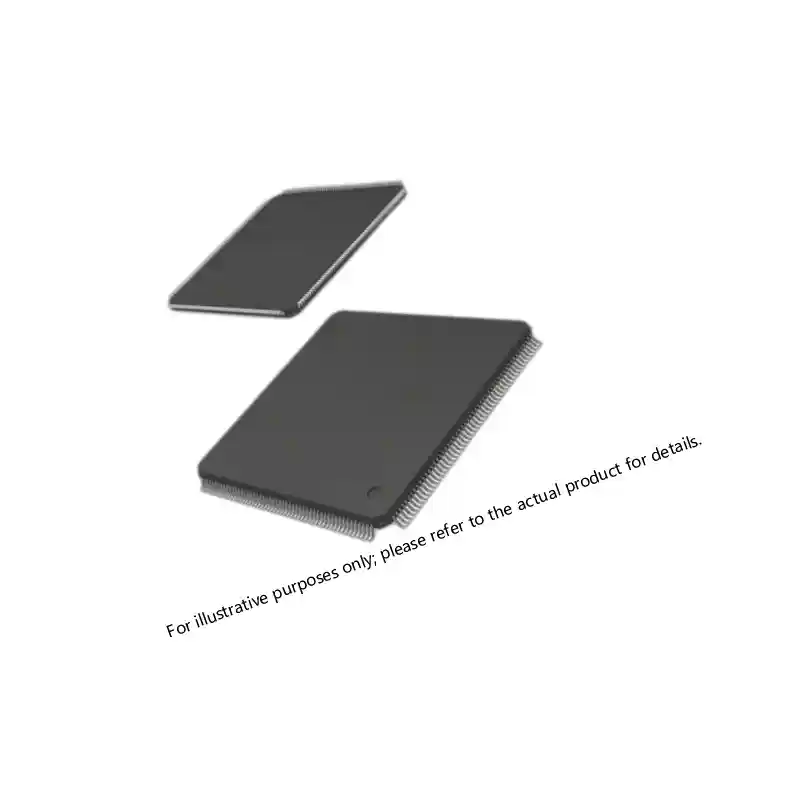
MIL-SPEC Power IC Obsolescence and Long-Term Availability
Defense programs often span decades, but power IC manufacturing lifetimes rarely exceed ten years. Obsolescence management is therefore not a future problem but a present one. For MIL-SPEC power modules like the Vicor Maxi series, many configurations are already End-of-Life, forcing designers to either redesign or find compatible drop-in replacements. I have supported programs that relied on die-banked components to sustain production long after the original wafer lot was depleted.
A proactive approach combines three elements: incorporate lifecycle analysis into component selection by choosing families with documented long-term availability commitments from the manufacturer; negotiate Last Time Buy (LTB) notifications with your supply chain partners and secure sufficient buffer stock for planned production runs; and monitor the supply base for form, fit, and function equivalents. When a Vicor V24C28M100BN becomes obsolete, a V24C28H100BL with H-grade screening may serve as a satisfactory replacement if the program can qualify the higher screening grade.
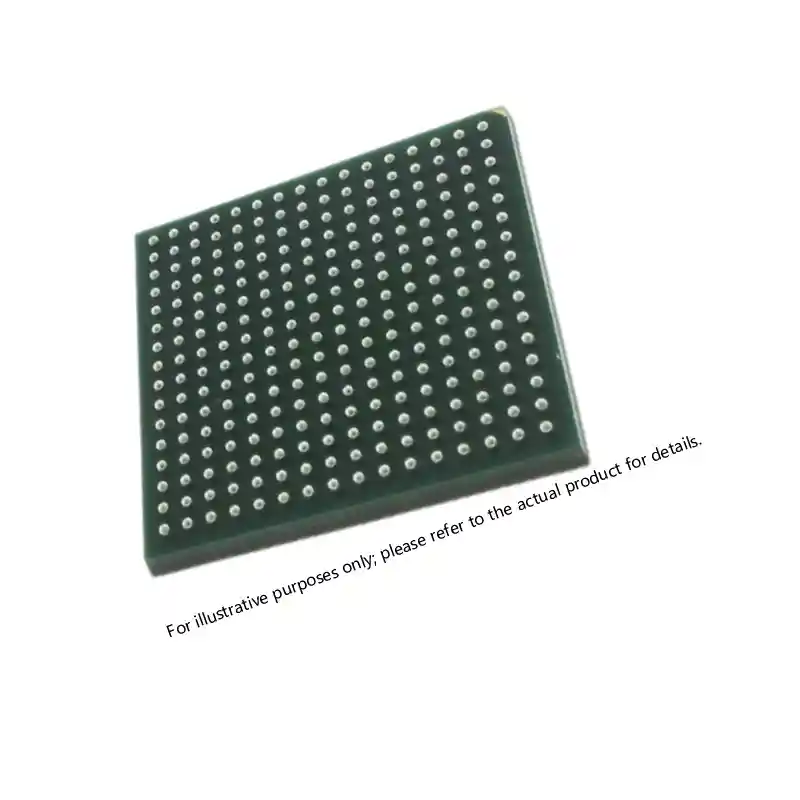
Sourcing Strategies for MIL-SPEC Power ICs
Fragmented supply chains create hidden risks. When a program sources power ICs from multiple brokers to chase availability, the documentation trail often breaks. I have witnessed cases where a program accepted a lower-cost lot without full traceability, only to find during an audit that the parts did not meet the required screening level, forcing a line stoppage. Consolidating with a single, vetted distributor avoids these documentation gaps.
Successful sourcing hinges on building a qualified supplier network that prioritizes documentation over lead time. Defense procurement teams should consider distributors with deep MIL-SPEC inventory and in-house compliance expertise. Rather than issuing an RFQ each time a part is needed, adding a trusted distributor to the Approved Vendor List (AVL) streamlines future orders and maintains consistent traceability.
A competent distributor can also support program milestones beyond delivery. For example, during the design phase, they can notify you of product change notices (PCN) and advise on alternate sources. For programs facing long lead times, a distributor that holds stock locally can reduce delivery from months to days. Sparkle Electronics’ inventory of MIL-SPEC power ICs, including Vicor Maxi, Mini, and DCM modules, TI LDOs, and VPT hermetic converters, is maintained with full traceability documentation. When a program requires a specific screening level or a hard-to-find part number, having a single point of contact for sourcing eliminates the risk of fragmented documentation.
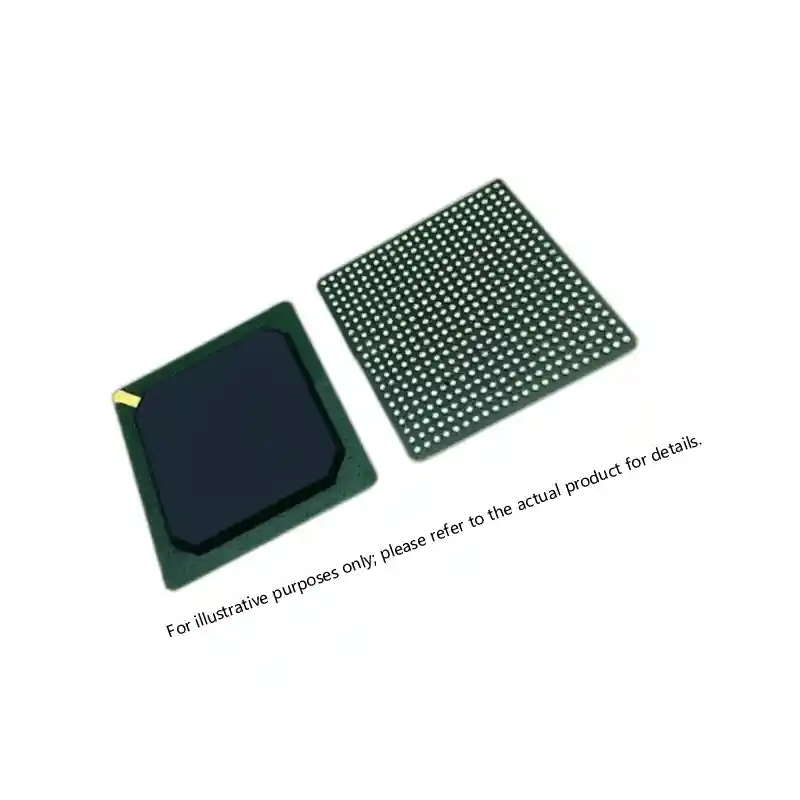
Achieving Long-Term Success with Reliable MIL-SPEC Power ICs
Selecting the right power ICs is only the beginning. Field reliability, supply continuity, and compliance documentation determine whether a defense program stays on schedule or faces costly redesigns. Sparkle Electronics helps defense contractors navigate these challenges by providing genuine, traceable MIL-SPEC power ICs with complete documentation. For your next program, share your part numbers and target timeline with us at xuansc2144@gmail.com, and we will confirm inventory, lead time, and compliance records within 24 hours.
Common Questions About MIL-SPEC Power ICs
What screening level do I actually need?
The appropriate screening level depends on the reliability impact of the power function. For non-critical paths, JANTX may suffice, but for power rails feeding flight control processors or radar processors, JANTXV or QML Class Q is standard. The difference in cost and lead time between levels can be significant, so align screening with the program’s FMECA (Failure Modes, Effects, and Criticality Analysis) rather than a blanket requirement.
How do I verify that a MIL-SPEC power IC is authentic?
Request the manufacturer’s original Certificate of Conformance with lot traceability, then verify that the lot code on the component matches the documentation. For higher confidence, perform a sample test per MIL-STD-883 visual and electrical checks. Third-party test labs can also conduct decapsulation analysis if the risk is high. Working with a distributor that pre-screens parts eliminates the burden of piecemeal verification.
Can I use commercial power ICs with upscreening instead of MIL-SPEC?
Some programs upscreening commercial components to JANTX or equivalent, but this is not a universal solution. The base die must be designed with military temperature ranges and ruggedized packaging, which many commercial parts lack. Additionally, upscreening may not satisfy contract requirements for QML devices. I have seen cases where upscreened parts passed initial testing but failed after thermal cycling because the commercial mold compound could not handle the stress. Rely on parts built to MIL standards from the start when reliability is non-negotiable.
What are the lead times for MIL-SPEC power ICs today?
Lead times vary by manufacturer and part complexity. Standard Vicor Maxi modules can be 12 to 20 weeks, while custom screening may add 6 to 8 weeks. Distributors with active stock can often deliver immediately, which is essential for repair and sustainment programs. If your program timeline is tight, share your specific part numbers with Sparkle Electronics and we can confirm availability and documentation packaging within 24 hours. Send your requirements to xuansc2144@gmail.com and we will verify stock and compliance documentation for your part numbers.
If you’re interested, check out these related articles:
UltraScale KU085 FPGA Specifications for Defense Systems
XC7VX485T FPGA: Virtex-7 Performance for Defense
Virtex-7 690T FPGA: Performance, Packaging, and Reliability Insights