Military FPGA Technology Refresh Planning: Key Steps
For defense programs running on FPGA-based systems that were designed years ago, component obsolescence is not a distant threat. It is a calendar event. I have seen too many sustainment teams scramble when a critical FPGA goes end-of-life with no form-fit-function replacement lined up, forcing an expensive and rushed redesign. Military FPGA technology refresh planning is the disciplined process that prevents that scramble, aligning part-number migration, re-qualification, and long-term supply agreements before the last-time-buy window closes. This article walks through the key steps, drawing on over a decade of sourcing and compliance support for military electronic systems.
What a Military FPGA Technology Refresh Actually Involves
Technology refresh in the defense context means replacing an aging FPGA with a newer component while preserving the function, form factor, and qualification status of the end system. It is not a simple swap of a faster chip. The replacement must match voltage rails, I/O standards, pin assignments, and often the same compiled bitstream or a minimally modified one. In some cases the refresh cascades: a new FPGA requires a new configuration memory, a different power module, and updated board-level test procedures.
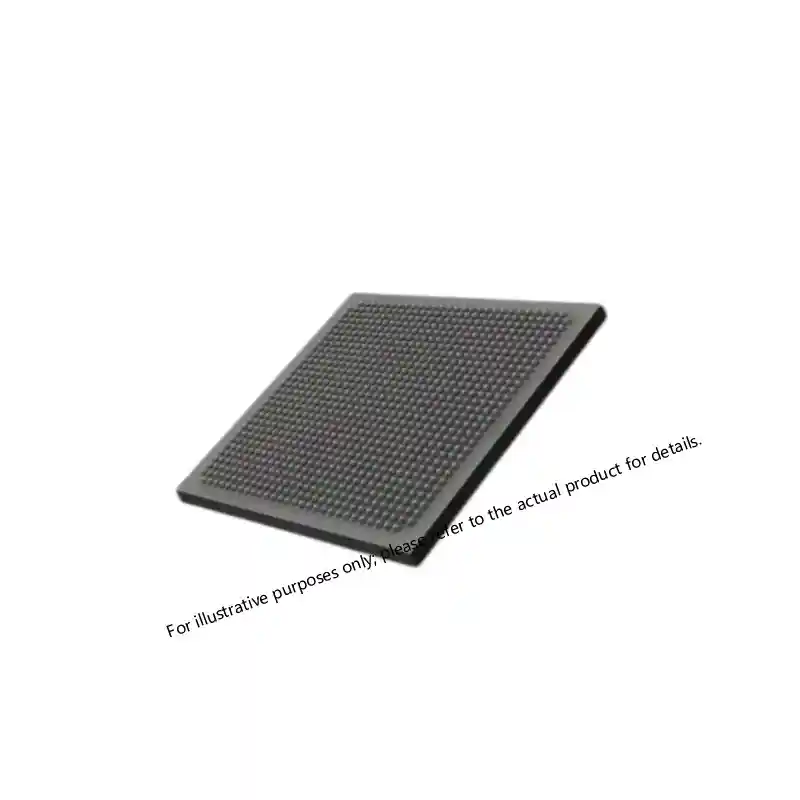
I have supported programs where the original FPGA was an ACTEL ProASIC3 series, and the refresh moved to a SmartFusion2 or PolarFire device. The logic density was there, but the I/O bank voltages and package footprints did not line up without a board spin. In such cases the refresh becomes a risk management exercise, not just a component order. The goal is to lock the new part number early enough that qualification can be completed while legacy inventory still exists.
Identifying Obsolescence Triggers and Timing
Military programs rarely receive a formal end-of-life notice with enough lead time to act comfortably. Obsolescence signals come from foundry process changes, declining order volumes, or the manufacturer’s product roadmap shift. I recommend maintaining active manufacturer notifications for every FPGA part number on the bill of materials, not just the primary logic device. It is equally important to monitor configuration PROMs, power modules, and clocking chips that were selected to mate with that FPGA.
A practical rule we use is the 15-year horizon: if an FPGA family is more than 15 years old and no pin-compatible upgrade has been announced, begin refresh planning even if no EOL notice exists. The time from procurement authorization to qualified first article can easily consume three years in a defense program, and that clock starts before the supply disruption, not after.
Part Number Migration and Pin-Compatibility Challenges
Direct drop-in replacements are rare in military FPGA refreshes. Even within the same manufacturer, package dimensions, pinouts, and voltage requirements shift between generations. The table below illustrates a few real-world migration paths we have navigated.
| Legacy Part | Likely Refresh Family | Pin-Compatible? | Key Consideration |
|---|---|---|---|
| ACTEL A3P1000-FG256I | Microsemi SmartFusion2 M2S150 | No | I/O bank voltages differ; board redesign required |
| Xilinx Virtex-II XC2V2000 | Xilinx Kintex-7 XC7K160T | No | Different core voltage and ball pitch |
| Altera Cyclone III EP3C25 | Intel Cyclone 10 GX | No | Configuration interface changed from parallel to serial |
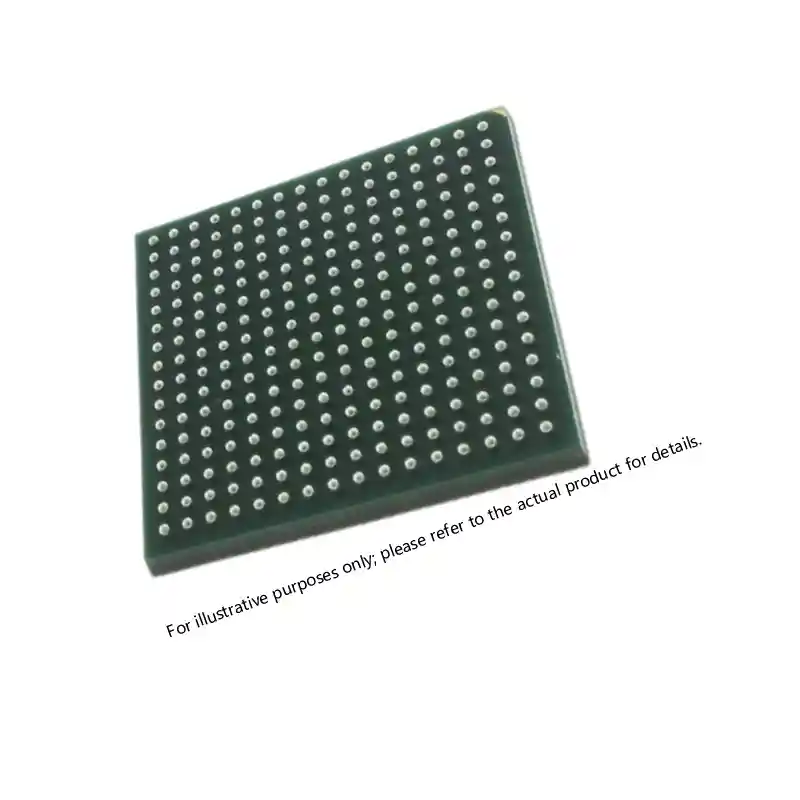
When a pin-compatible path does not exist, the refresh plan must budget for board layout changes, re-spin costs, and at least one round of qualification testing. That is not a sourcing problem; it is a program management reality that needs to be accepted and resourced early.
Compliance and Re-Qualification: What Changes with a New FPGA
Plugging a different FPGA into a qualified system triggers a chain of compliance reviews. Even if the logic design is ported successfully, the new component may introduce different electromagnetic interference signatures, power sequencing requirements, or thermal behavior. The program office will expect evidence that the refresh does not degrade system performance against the original specification.
In our experience, a full re-qualification to MIL-STD-461 and MIL-STD-810 is often required, not just a delta analysis. That means the refresh plan must allocate six to twelve months for testing and documentation, plus the time to produce qualification units. I recommend ordering engineering samples of the candidate FPGA early, even before the EOL notice hits, so that signal integrity and thermal bench tests can begin while the business case is still being prepared.
Building a Long-Term Supplier and Inventory Strategy
A technology refresh that is planned on paper but not backed by component inventory will still fail. Once the replacement FPGA is selected, the next step is securing enough volume to cover qualification, initial production, and a buffer for unexpected demand. We work with programs to negotiate non-cancellable, non-returnable orders with the manufacturer or authorized distribution to lock production slots, especially for military-temperature-range or QML-qualified grades.
Beyond the immediate buy, there is the question of sustaining the new part for the remaining life of the defense system, which may be another twenty years. Die banking, last-time-buy agreements, and periodic inventory refreshes need to be included in the long-term support plan. A distributor with experience in military FPGA supply can hold bonded inventory, manage date-code rotation, and provide traceability documentation that satisfies government contract requirements. That is not a transaction; it is a logistics program that runs alongside the engineering effort.
If your program is evaluating a technology refresh for a military FPGA-based system, the component path is only half the story. The other half is making sure the candidate parts will be available in production quantities when the qualification is complete and that the supporting documentation meets your contract’s compliance standard. Share your part numbers and timeline with us at xuansc2144@gmail.com, and we will confirm availability, lead times, and qualification-grade options before your design review commits to a path.
Common Questions When Planning a Military FPGA Technology Refresh
How long should a technology refresh plan span?
A realistic plan spans three to five years from concept to qualified production, depending on the complexity of the board changes and the testing required. Programs that start the planning when the original FPGA is two generations behind have the most margin.
Do I need to re-qualify if the new FPGA is functionally identical?
Functionally identical does not mean electrically or thermally identical. Most program offices will require a delta qualification at minimum, and many will insist on full re-qualification. Budget for it from the start.
What if no direct replacement FPGA exists in the manufacturer’s roadmap?
In that case the refresh becomes a board redesign. It is still manageable if caught early, but it will require a new board spin and likely updated firmware. The earlier a sourcing partner flags this gap, the more options the program retains.
Can I use commercial-grade FPGAs if the system does not require full MIL-SPEC?
Some programs use industrial-temperature-range FPGAs and perform additional screening. However, for airborne, naval, or ground combat systems, QML or MIL-STD-883 qualified parts remain the expectation. Using a lower grade must be approved through a deviation process that evaluates reliability risk against the operational environment.
We have supported military customers through technology refreshes on ProASIC3, Virtex-5, and Cyclone III platforms, helping them transition to modern families while keeping qualification timelines intact. If your bill of materials includes legacy FPGAs and the next program milestone is approaching, share your part numbers and timeframe with us to confirm availability and compliance documentation before the last-time-buy window closes.
If you’re interested, check out these related articles:
Virtex-7 XC7VX690T: Performance and Reliability Insights
XC7VX485T Virtex-7 FPGA: Performance and Sourcing for Defense