FPGA Die and Wafer Sourcing for Defense Program Longevity
Table of Contents
- The Case for Die and Wafer Procurement in Defense
- Challenges in FPGA Die Supply
- Strategies for Wafer and Die Procurement Security
- Compliance and Traceability Requirements
- Die Banking for Long-Life Programs
- Qualifying a Wafer and Die Supplier
- Long-Term Die and Wafer Supply Support
- Common Questions About FPGA and IC Die Procurement
- Can I buy bare die for any military-grade FPGA part number?
- Does a die bank eliminate the risk of counterfeit components?
- How long can bare die be stored before use?
- What is the difference between wafer procurement and die procurement?
- Is a die bank cost-effective for a program with only a few hundred units per year?
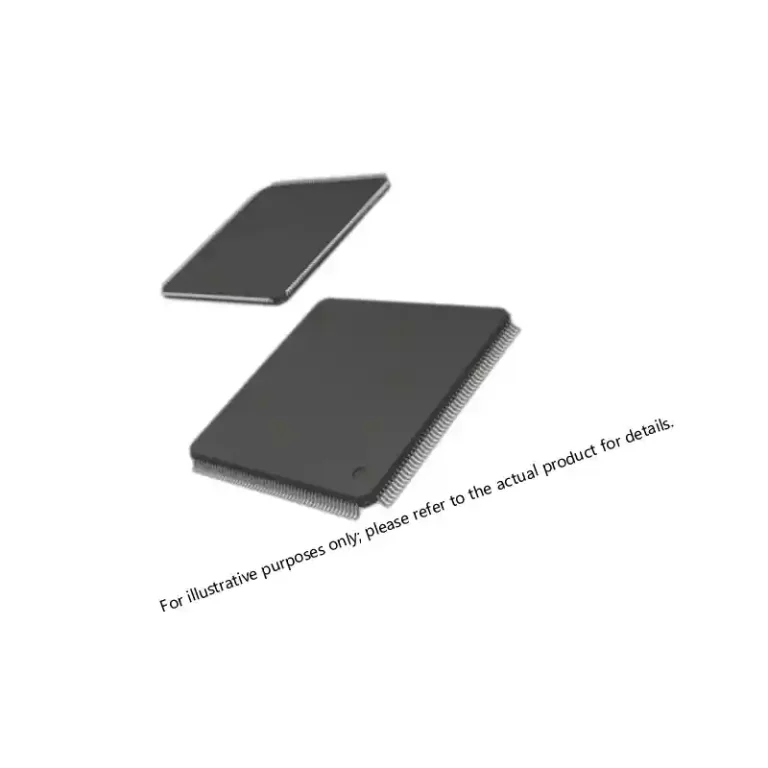
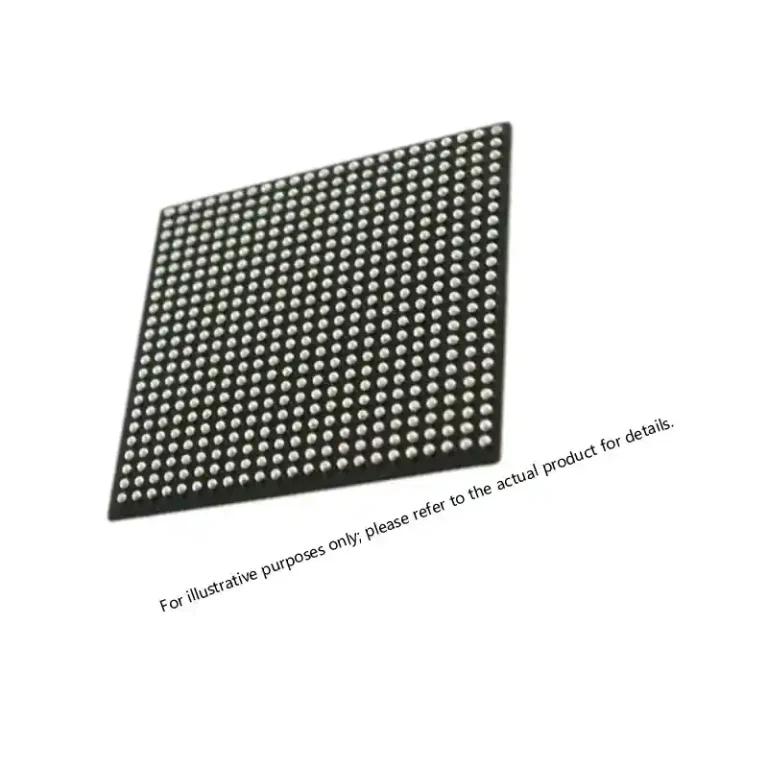
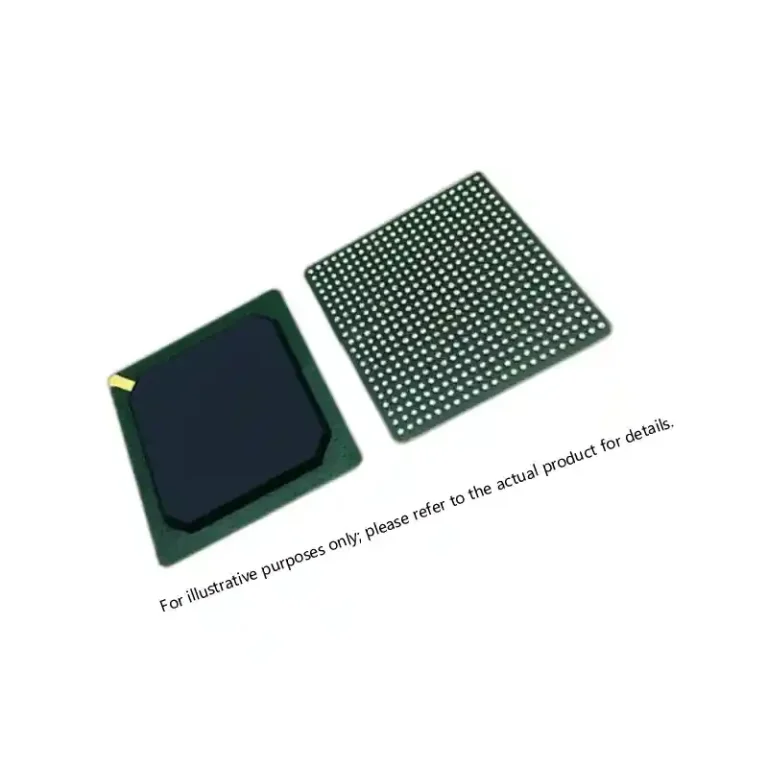
When a defense program is expected to operate for twenty or thirty years, the component procurement strategy cannot rely on the same supply channels that serve commercial manufacturers. FPGA and custom IC die and wafer procurement is not a scaled-up version of buying packaged parts; it is a distinct discipline that involves bare die sourcing, wafer banking, and a tightly controlled chain of custody that can survive multiple program extensions and technology refreshes. For defense electronics teams, the moment to lock in a die supply plan is during the design phase, not when the first shortage hits. A well-structured approach reduces the risk of counterfeit material, keeps qualification costs under control, and provides a predictable path through end-of-life notices that would otherwise force a costly redesign.
The Case for Die and Wafer Procurement in Defense
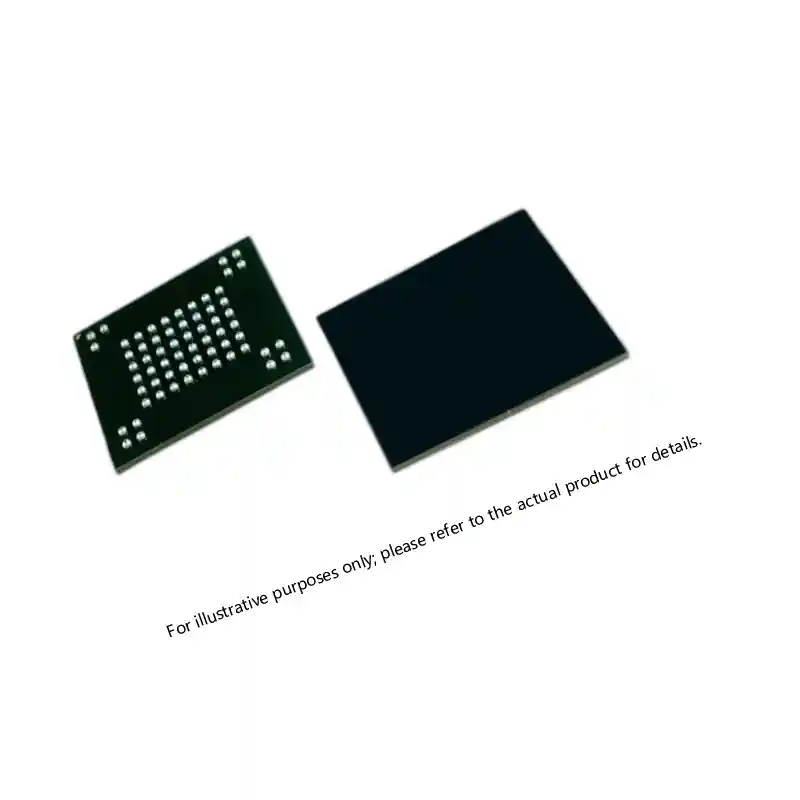
Long-life defense systems, from radar signal processors to satellite payload controllers, depend on FPGA and ASIC components that are often unavailable as packaged, military-grade parts for the entire production run. Many high-reliability designs start with a commercial device that is up-screened or repackaged, but when the original wafer fabrication line closes, the only remaining authenticated source is previously reserved die or wafers. Procuring at the wafer or die level gives program managers direct control over packaging, burn-in, and qualification to MIL-STD-883 or MIL-PRF-38535, eliminating the variable of an intermediate distributor’s inventory decisions. In programs where a single part number obsolescence can trigger a board re-layout and re-certification cycle, the cost of early die procurement is a fraction of the engineering risk it mitigates.
Challenges in FPGA Die Supply
Securing bare die for FPGAs introduces complexities that do not exist with finished packages. FPGA manufacturers typically allocate wafer starts based on high-volume commercial demand, and defense-specific die requirements—especially for radiation-tolerant or extended-temperature parts—may not align with those production schedules. Lead times can stretch beyond twelve months, and minimum order quantities for a dedicated wafer lot are often prohibitive for smaller programs. Additionally, not every FPGA variant is available as a known good die; the product change notice may only cover packaged parts, leaving the procurement team to negotiate a custom die sale with the vendor or work through a trusted die supplier that has purchased and stored wafers from a previous run. Traceability from wafer lot to individual die is essential but not automatic; a supplier must provide full lot history and visual inspection records to maintain the chain of custody that defense auditors expect.
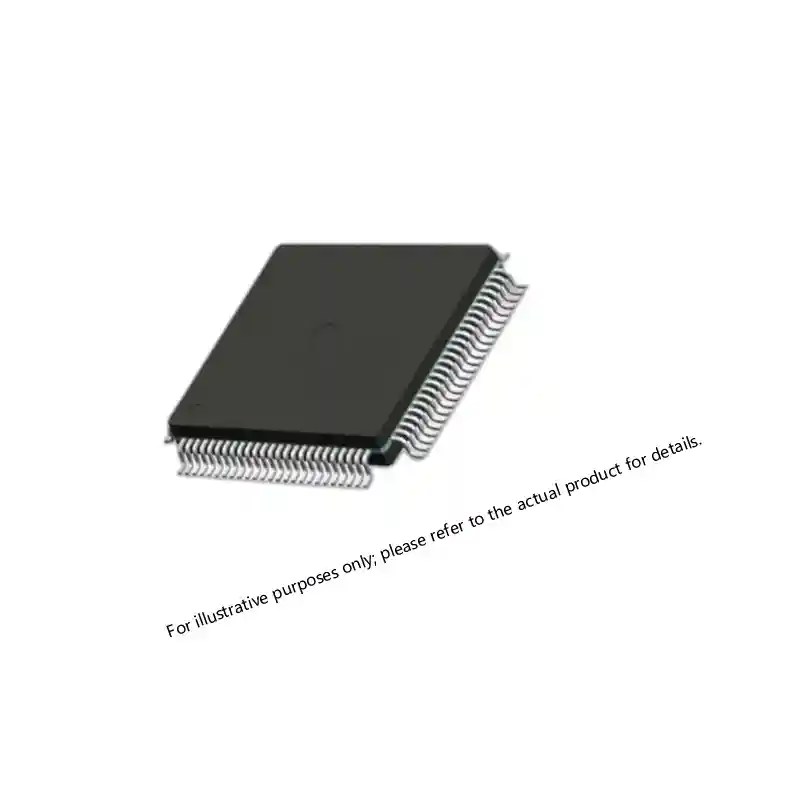
If your program depends on a specific FPGA speed grade or package that is approaching end-of-life, the die-level roadmap becomes the single most important document in your sourcing binder. We regularly help teams cross-reference part numbers and identify whether additional die stock exists that can be packaged to the required form factor. Reach out with your FPGA part number and quantity forecast to xuansc2144@gmail.com to start a feasibility check.
Strategies for Wafer and Die Procurement Security
One of the most reliable methods for protecting a long-term program is establishing a die bank early. This involves purchasing a quantity of known good die or a portion of a wafer lot while the fabrication line is still active, storing the material under controlled temperature and humidity conditions, and pulling die for packaging only as needed. Die banking shifts the procurement team’s role from reactive market buyer to strategic inventory manager. The cost of a die bank compares favorably against repeated small-lot purchases where availability and pricing fluctuate. For multi-project programs, a shared die bank across several board variants can further reduce per-unit cost and simplify the qualification paperwork.
A second strategy is contracting for future wafer starts through a semiconductor broker or distributor with established foundry access. This requires technical due diligence: the foundry process must be qualified for the end application, and the distributor must demonstrate that it can enforce export control compliance, maintain lot traceability, and deliver die with full visual and electrical test data. Without these controls, even a genuine die from the correct wafer lot can become untraceable, and a single gap in documentation puts the entire procurement at risk during a government audit.
Compliance and Traceability Requirements
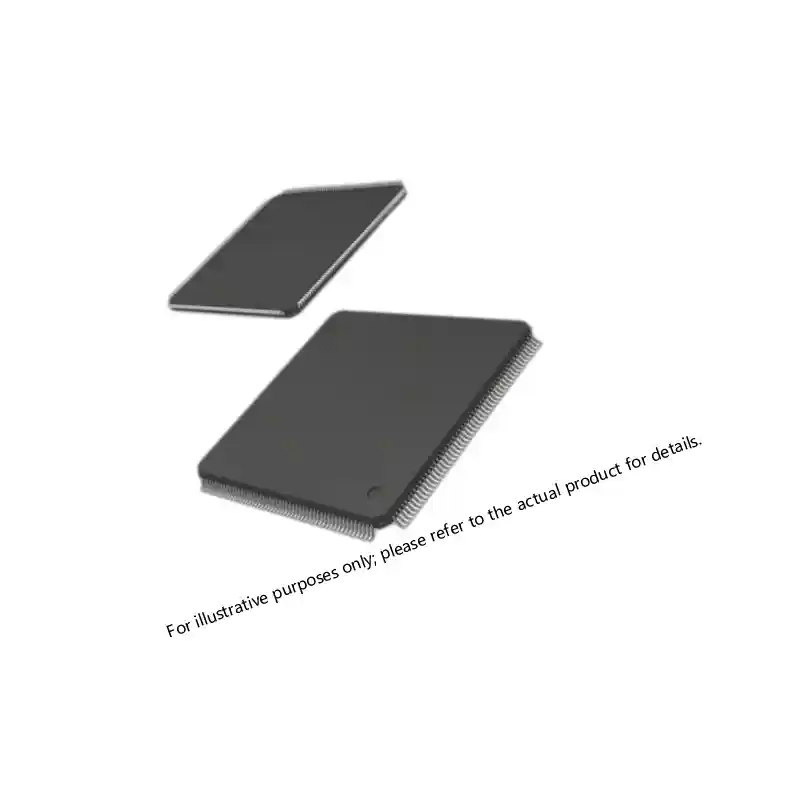
For defense procurement, the difference between a usable die and an unacceptable one often comes down to paperwork. A complete die procurement package includes the wafer lot number, fabrication date, foundry location, electrical test limits, visual inspection criteria, and storage history. The supplier must be able to provide a Certificate of Conformance that references the relevant military specification, and if the die is sourced from outside the original component manufacturer’s authorized channel, additional screening to AS6081 or IDEA-STD-1010 standards becomes necessary. Traceability must extend back to the wafer level, not just the die lot, because a wafer lot may contain material from multiple diffusion runs, and a defect found in one portion can affect all dice from that run. In our own procurement support work, we have found that programs which require only a C of C without scrutinizing the underlying lot structure often accept material that is technically compliant but practically suspect. Demand full traceability.
| Procurement Step | Documentation Required | Risk If Missing |
|---|---|---|
| Wafer Lot Reservation | Foundry process ID, lot number, date code | Unverifiable origin, potential counterfeit |
| Die Visual Inspection | Inspection criteria, defect map, MIL-STD-883 method | Latent reliability failures |
| Electrical Testing | Test program, limits, binning data | Out-of-spec parts passed as compliant |
| Storage and Handling | Temperature/humidity logs, ESD protection records | Degradation, moisture-related failures |
| Shipping and Transfer | Chain of custody, export license if required | Customs holds, ITAR violations |
Die Banking for Long-Life Programs
The mechanics of die banking are straightforward: procure, store, and draw down as needed. The practical challenges are storage environment stability, periodic re-inspection to verify that no degradation has occurred, and the logistics of pulling die for packaging on demand. Military-grade die should be stored in nitrogen-purged, dry cabinets with continuous monitoring; even brief excursions above the specified humidity can initiate corrosion on exposed bond pads. For programs spanning more than a decade, a re-inspection schedule tied to the storage duration—typically every two to three years—keeps the die bank current and prevents a situation where the stored dice are discovered to be nonconforming only at the time of need. A well-managed die bank also accommodates packaging flexibility. If the original package style becomes obsolete, the stored die can be repackaged into a newer, pin-compatible format without altering the board layout, as long as the die pad coordinates and I/O assignments remain unchanged.
Qualifying a Wafer and Die Supplier
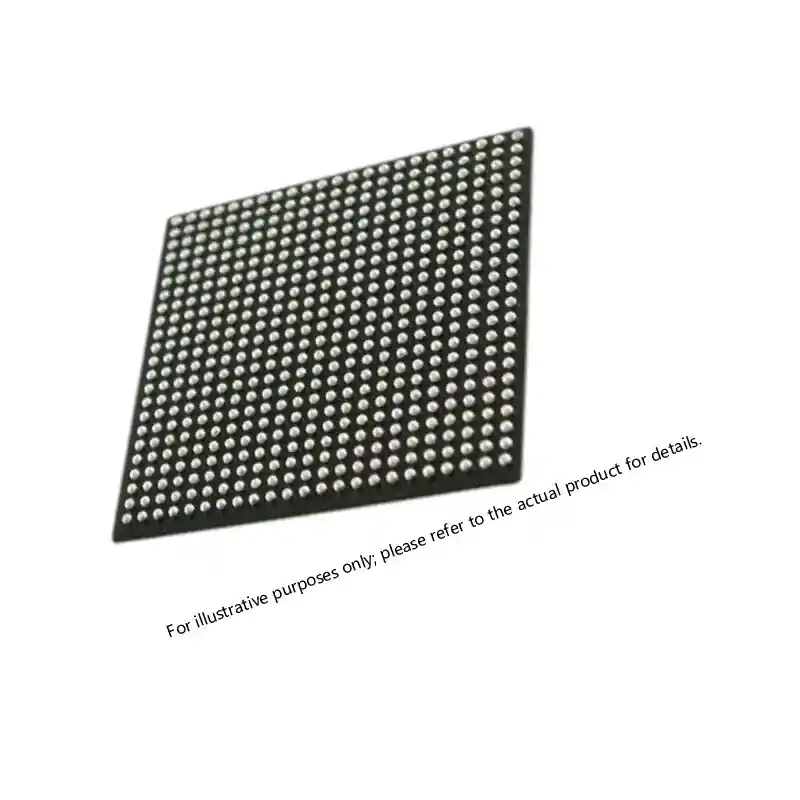
Not every component distributor can handle bare die. The qualification process for a wafer and die supplier should include a review of their storage facility, inspection equipment, and their history with the specific FPGA or IC families your program uses. A supplier that has successfully managed die for one Xilinx or Microsemi part number does not automatically have the expertise for a different technology node or pad metallization. We recommend asking for evidence of previous die shipments for the same manufacturer and technology generation, not just general experience, and verifying that their incoming inspection procedure covers the same test parameters your program requires. A supplier that is transparent about lot conditions—including any observed anomalies and their disposition—saves the program from discovering problems after the dice are already packaged and mounted.
Long-Term Die and Wafer Supply Support
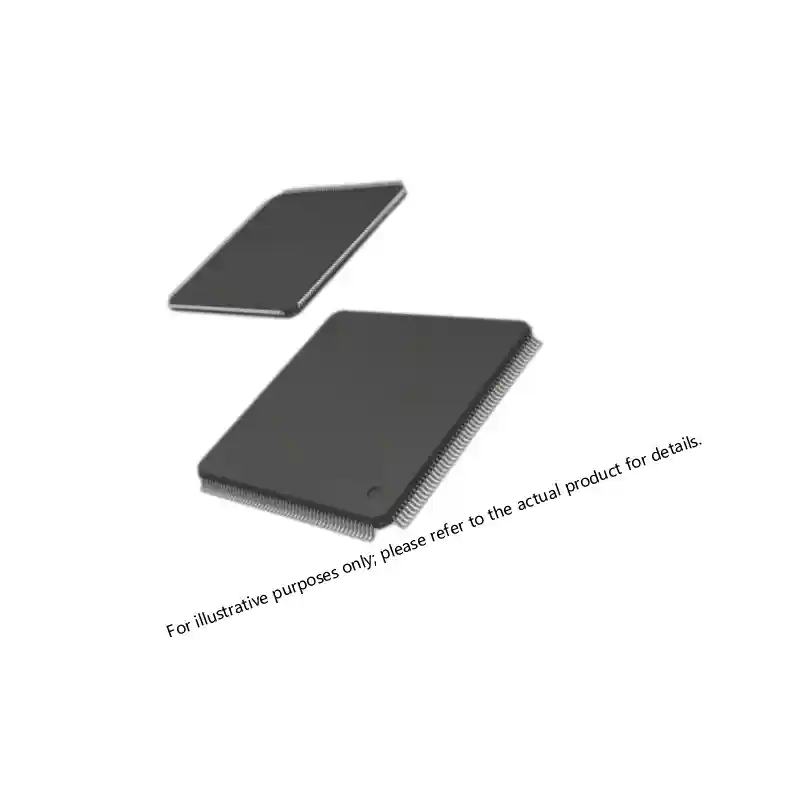
The programs that avoid the most costly procurement failures are the ones that treat die and wafer sourcing as a continuous function, not a one-time transaction. That means monitoring the foundry roadmap for process changes that could affect future wafer availability, staying ahead of product discontinuance notices, and maintaining a relationship with a distributor that can move quickly when a lot becomes available. A responsive partner will not just quote a price; they will advise whether a given die lot is appropriate for the program’s reliability requirements, suggest alternative packaging paths, and flag potential supply discontinuities before they appear on a formal PCN. At Sparkle Electronics, we have spent years building the infrastructure to support die-level procurement for defense programs across multiple FPGA families and IC types. Send your die requirements and program timeline to xuansc2144@gmail.com, and we will provide a sourcing assessment based on current lot availability and long-term wafer forecast data.
Common Questions About FPGA and IC Die Procurement
Can I buy bare die for any military-grade FPGA part number?
No. Many FPGA manufacturers restrict bare die sales to specific qualified customers, and not all part numbers are available in die form. For those that are, the minimum purchase may be an entire wafer lot or a fractional lot through a distributor that has pre-purchased capacity. The best approach is to identify die availability early in the design phase, when alternative part numbers or packaging options are still viable.
Does a die bank eliminate the risk of counterfeit components?
It reduces the risk substantially but does not eliminate it. A properly sourced die bank with full traceability from the foundry provides a controlled supply of known-authentic dice. However, the bank must be stored under strict conditions, and all subsequent handling—inspection, packaging, and testing—must be performed by qualified facilities. Any break in the chain of custody reintroduces the possibility of contamination or substitution.
How long can bare die be stored before use?
Under proper conditions of nitrogen storage with controlled temperature and humidity, most silicon die can be stored for ten years or more without measurable degradation. The limiting factor is usually the bond pad metallization; aluminum pads can corrode if moisture is present, while gold pads are more resilient. Periodic re-inspection confirms that the stored dice remain bondable and electrically intact.
What is the difference between wafer procurement and die procurement?
Wafer procurement involves purchasing a full or partial wafer with arrays of untested or partially tested dice. Die procurement means purchasing individual known good die that have been probed, tested, and separated. Wafers offer more flexibility for future repackaging but require additional processing. Die provide a ready-to-package solution but limit the ability to choose alternative packaging later.
Is a die bank cost-effective for a program with only a few hundred units per year?
It can be, especially when the alternative is redesigning a board around a new FPGA every few years. The cost of a small die bank is often comparable to the re-engineering effort required to accommodate a different part. The calculation should include the cost of board re-layout, software updates, and the testing and qualification burden, not just the component unit price. If you are weighing a die bank against a redesign, share your BOM and we can help you quantify the trade-off at xuansc2144@gmail.com.
If you’re interested, check out these related articles:
A1020B-PG84B ACT2 FPGA: Specs, Sourcing, and Availability
XC7VX485T Virtex-7 FPGA: Performance and Sourcing for Defense
Virtex-7 XC7VX690T: Performance and Reliability Insights
UltraScale KU085 FPGA Specifications for Defense Systems
Virtex-7 XC7VX690T: Performance, Reliability, and Integration