Military IC Supply Shortage: Strategies for Defense
Table of Contents
- Why Military IC Shortages Hit Differently Than Commercial Cycles
- Qualifying a Distributor for MIL‑SPEC and Hi‑Rel Parts
- Securing Priority Allocation When Lead‑Times Stretch
- Building a Second‑Source and Cross‑Reference Engine
- Compliance as a Shortage‑Era Risk Control
- Building a Long‑Term Procurement Posture
- Common Questions Defense Teams Ask About Military IC Shortages
- Are independent distributors a safe option when an authorized channel has no stock?
- How do I convince my program office to fund strategic inventory when budgets are tight?
- What is the fastest way to find a drop‑in replacement for an obsolete MIL‑SPEC IC?
- Should I share my full demand forecast with a distributor or is that a negotiation risk?
Military IC supply shortages are not a forecast — they are a daily reality for defense procurement teams. Since 2022, I have watched MIL‑SPEC FPGA lead times stretch from 16 weeks to over a year, and allocations on high‑speed ADCs become a program‑critical constraint. The conventional fix — adding a few weeks of schedule margin — no longer works. What does work is a deliberate procurement posture that qualifies alternate distribution channels, secures priority inventory through direct engagement, and validates second‑source options before the shortage hits. This article lays out the practical moves I have seen keep defense programs moving, grounded in real sourcing experience across missile systems, radar platforms, and satellite payloads.
Why Military IC Shortages Hit Differently Than Commercial Cycles
Commercial shortages are driven by fab capacity and consumer demand. Military shortages add an entirely separate layer of constraint. The parts are built to MIL‑PRF‑38535, screened per MIL‑STD‑883, and often require Trusted Foundry or QML certification. When a single wafer‑start for a radiation‑tolerant FPGA is delayed, there is no second‑shift burst capacity on another line because the line itself is qualified. I have seen this pattern repeat across 5962‑series logic, JANTXV discretes, and legacy fast‑access SRAMs that were designed into programs 20 years ago and never re‑qualified. Add to that the tightening of export controls and the growing number of platforms competing for the same limited batches of ADI‑series ADCs and TI DSPs, and you have a supply environment where simple blanket orders fail. Procurement teams need to treat every long‑lead part as a small project with its own risk register.
Qualifying a Distributor for MIL‑SPEC and Hi‑Rel Parts
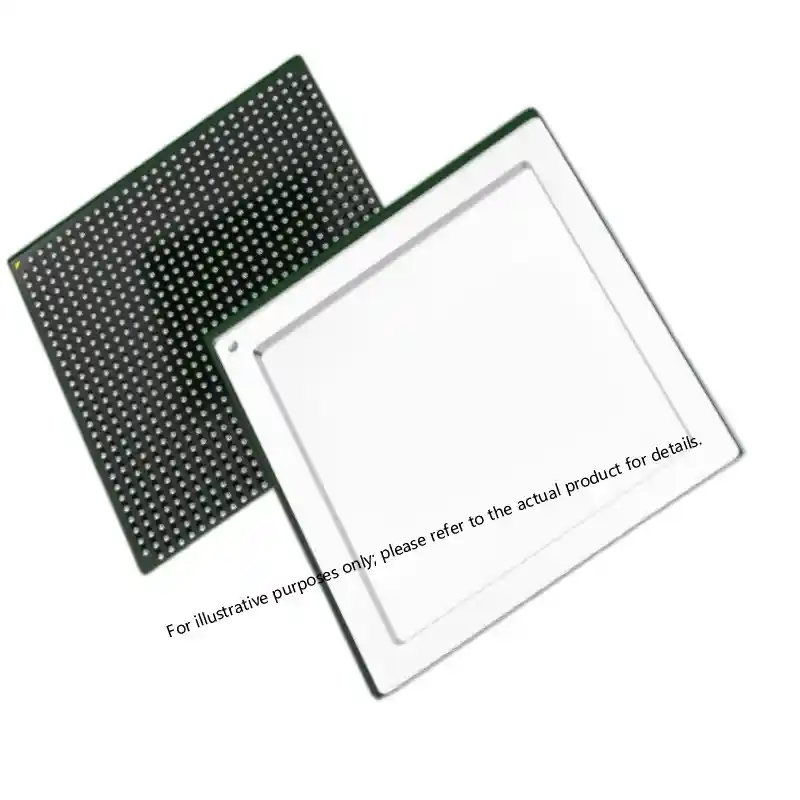
The first fork in a shortage is always: do I stay with the authorized channel or bring in an independent distributor? The answer is not either/or. Many programs run both tracks simultaneously, provided the independent partner clears a structured qualification. I look for five things. First, certification depth: AS9120 is a minimum, but AS6081‑specific anti‑counterfeiting controls signal a distributor that understands the cost of a single bad lot. Second, traceability documentation: every shipment must include a certificate of conformance tracing back to the original manufacturer, not just a distributor‑generated paper trail. Third, physical inspection and sample testing capability: the distributor should be able to perform x‑ray, decapsulation, and electrical verification when the provenance is not OEM‑direct. Fourth, brand‑specific expertise: a partner familiar with Microsemi PolarFire and SmartFusion families or Analog Devices high‑speed ADCs can validate date codes and package markings that a generalist might miss. Fifth, program continuity: if the distributor stocks multiple part numbers across your BOM, you reduce the number of qualification cycles. At Sparkle Electronics, we maintain active inventory across Actel, Xilinx, Altera, TI, and ADI, with QML‑compliant storage and full lot traceability, which simplifies this qualification step.
| Qualification Factor | What to Verify | Why It Matters During Shortages |
|---|---|---|
| Certification | AS9120 + AS6081 | Counterfeit risk spikes when supply is tight |
| Traceability | OEM‑to‑distributor chain of custody | Protects against grey‑market insertion |
| Inspection capability | X‑ray, decapsulation, electrical test | Allows rapid incoming screening of alternate lots |
| Brand‑specific expertise | Familiarity with Microsemi, Xilinx, ADI, TI packaging | Catches counterfeit date‑code alterations |
| Stock breadth | Multiple BOM line items from one distributor | Reduces qualification overhead per part |
If your program involves a mix of FPGAs, ADCs, and power modules, it is worth confirming that a potential distributor can cross‑reference not just one part number but the entire signal‑chain and processing block. Send your BOM to xuansc2144@gmail.com and our team will map each line item to verified inventory with supporting documentation examples.
Securing Priority Allocation When Lead‑Times Stretch
The most effective move I have observed in prolonged shortages is shifting from purchase‑order relationships to allocation agreements. When a foundry allocates a fixed number of QML‑grade FPGA dice per quarter, the distributors who secured allocation positions six months earlier are the ones that ship. Building that position requires a shared forecast. Defense contractors that share a rolling 12‑month demand outlook, supported by program authority letters, get allocation visibility from qualified distributors who, in turn, commit buffer stock. This is not a theoretical exercise. I have seen a missile‑guidance program secure a continuous supply of Teledyne e2v high‑speed ADCs for 18 months because the distributor and end‑user aligned on a die‑banking schedule early in the design phase. Procurement teams that treat allocation as a transactional negotiation — trying to extract a lower price while supply is constrained — lose their place in the queue. The conversation that works is: “Here is our firm 12‑month requirement with non‑cancelable releases; what stock can you reserve and at what confirmation interval?” At Sparkle, we support that model by offering quarterly reservation against confirmed inventory, with periodic re‑confirmation so programs do not lose allocation.
Building a Second‑Source and Cross‑Reference Engine
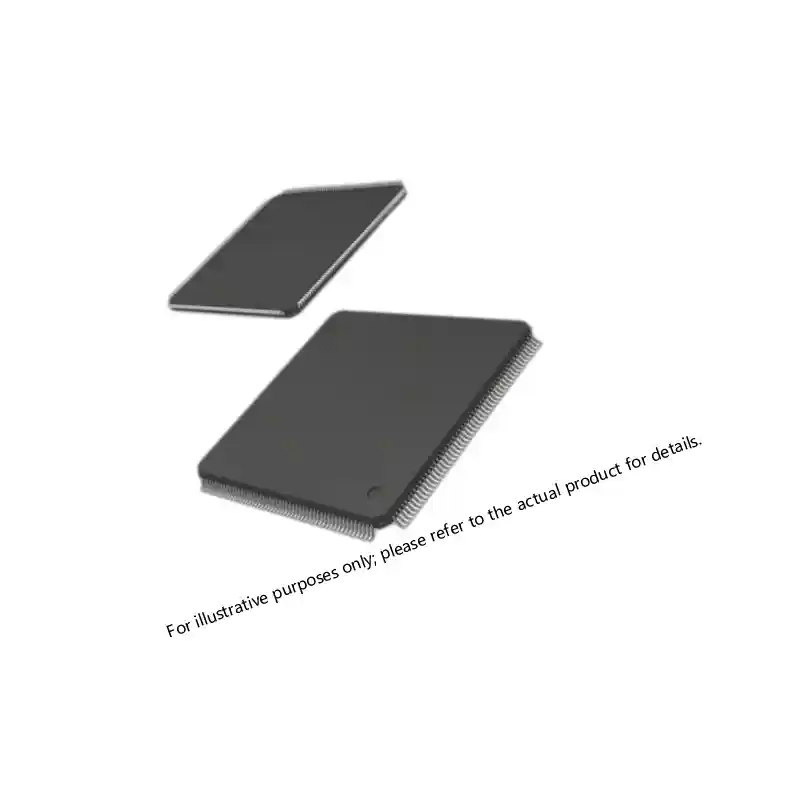
A shortage on a single part number should not halt a program if the engineering team has already validated a drop‑in replacement. Yet many defense contractors wait until the shortage hits to start the cross‑reference effort. That delay can cost a quarter or more, especially if the alternate part requires a different package footprint or a minor board layout change. I recommend that every program maintain a living alternate‑source file for any component with a lead‑time greater than 26 weeks. For discrete logic and memory, second‑source options are often abundant. For FPGAs and data converters, the analysis is more nuanced. An Actel AX2000 may have a direct replacement in the A54SX72A family under different speed‑grade conditions, but a Xilinx Virtex‑5 LX330T will require deeper analysis of block RAM utilization and I/O standards. Our team has built cross‑reference maps that cover Microsemi, Altera, Xilinx, and Analog Devices families, identifying pin‑compatible and functionally equivalent parts that have been qualified on previous programs. Having that analysis in hand before the shortage moves the timeline from reactive search to deliberate reorder.
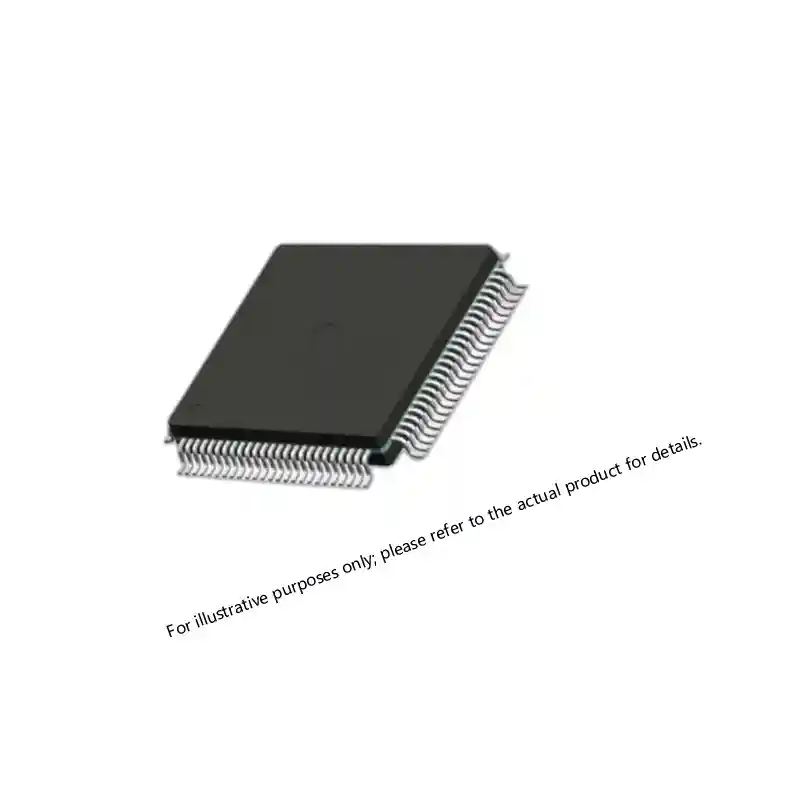
Compliance as a Shortage‑Era Risk Control
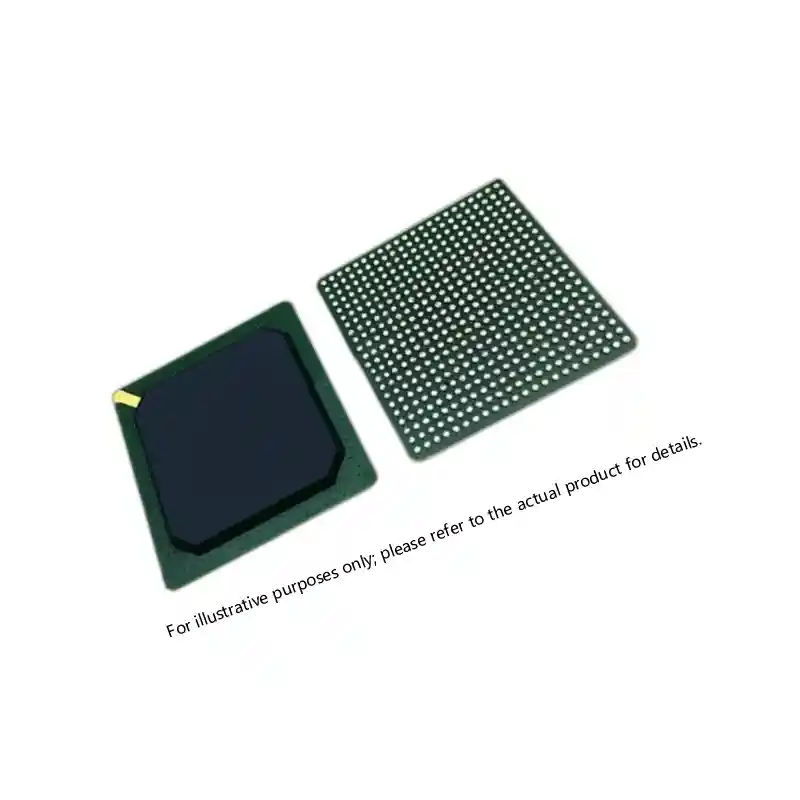
When supply is tight, the temptation to accept parts that skirt documentation requirements grows because the alternative is a line‑down event. That is exactly when counterfeit material enters the supply chain. I have seen military programs receive parts with laser‑etched markings that match the data sheet but fail electrical test because the die inside is a commercial‑grade off‑the‑shelf part. The shortage‑era defense is a pre‑agreed documentation standard: every line item that arrives without a manufacturer‑issued certificate of conformance or a DD‑Form 250 is held for inspection. NDAA Section 889 and DFARS 252.225‑7014 add further sourcing restrictions that narrow the acceptable supply base; verifying compliance before issuing a purchase order avoids downstream conformity audits. For ITAR‑controlled programs, we also require confirmation that no restricted parties are in the distribution chain. Compliance is not a nice‑to‑have checklist — it is what separates a trusted distributor from a transactional reseller. Programs that treat documentation as a parallel requirement to cost and lead‑time are the ones that survive shortage periods without introducing latent quality failures.
Building a Long‑Term Procurement Posture
A shortage is the worst time to design a procurement strategy. The programs that ride through supply crises with the least disruption are those that built a resilient sourcing posture years earlier. That posture rests on three pillars. First, a strategic inventory of known‑critical long‑lead parts, maintained at the distributor where they can be called off against confirmed orders. Second, a qualified alternate‑supplier list that is refreshed at annual program reviews, not when a line is about to stop. Third, a relationship with a military‑components distributor that functions as an extension of the supply‑chain team — one that understands the program’s part‑number history, qualification data, and lifecycle status. I have supported programs where a single Actel ProASIC3 FPGA shortage could have delayed a flight‑test milestone by six months, but the inventory was already reserved and the cross‑reference analysis completed, so the program re‑routed to an alternate lot within two weeks. That outcome only happens when procurement treats component shortage management as a standing discipline, not an emergency response.
Military IC supply shortages stress‑test every assumption about lead‑time, allocation, and source qualification. Programs that respond by strengthening distributor partnerships, formalizing cross‑reference libraries, and enforcing documentation standards come out of the shortage period more capable than they entered. Sparkle Electronics works alongside defense contractors to build that capability — supporting thousands of MIL‑SPEC part numbers with traceable inventory, engineering‑level cross‑reference support, and allocation planning that maps directly to program timelines. If a shortage is threatening your program milestone, send your part number and required quantity to xuansc2144@gmail.com. We will respond with verified availability, compliance documentation examples, and a firm quote.
Common Questions Defense Teams Ask About Military IC Shortages
Are independent distributors a safe option when an authorized channel has no stock?
Independent distributors can be safe if they meet AS9120 and AS6081 standards, provide manufacturer‑traceable certificates of conformance, and perform in‑house inspection. The risk is not the independent channel itself — it is skipping the qualification step. I have seen programs accept parts from un‑vetted sources and later discover re‑marked commercial‑grade die. The safe path is to qualify the distributor before the shortage, using the five‑factor framework above, so that when stock appears only in the independent channel, the decision is already backed by audit results.
How do I convince my program office to fund strategic inventory when budgets are tight?
Frame the argument around schedule risk, not inventory cost. Quantify the delay cost of a line‑down event caused by a part with a 40‑week lead‑time, then compare it to the carrying cost of a small buffer stock held at a qualified distributor. In most defense programs, a single missed milestone due to a component shortage costs far more than the 2–3 percent inventory‑holding cost of the few dozen long‑lead parts that actually constrain production. A rolling reserve tied to the program’s critical path is not excess inventory — it is insurance with a predictable premium.
What is the fastest way to find a drop‑in replacement for an obsolete MIL‑SPEC IC?
Start with the original manufacturer’s migration guide, then cross‑reference against military‑grade part‑number databases, including the DLA Land and Maritime Qualified Products List. For FPGAs, Active and Microsemi provide family‑migration application notes that map legacy devices to current QML equivalents. Working with a distributor that maintains cross‑reference libraries across Actel, Xilinx, and Altera families compresses the search from weeks to hours. If your program relies on a part approaching end‑of‑life, we can run a pin‑compatible and functionally equivalent search using the original part number as the starting point — share that part number and we will return a qualified alternate list with current lead‑times.
Should I share my full demand forecast with a distributor or is that a negotiation risk?
Sharing a non‑binding 12‑month forecast, supported by program authority, is the single most impactful step you can take to secure allocation. A distributor that does not know your demand cannot hold stock for you. The risk of price leverage is real, but that risk is managed by working with a distributor that offers quarterly confirmed resupply and fixed‑price windows rather than spot‑market pricing. In my experience, programs that treat allocation as a partnership conversation — not a transaction — are the first to get inventory when supply tightens. If you would like to see an example of how we structure rolling reservations with fixed‑price confirmation intervals, reach out to xuansc2144@gmail.com and we will walk you through the model.
If you’re interested, check out these related articles:
UltraScale KU085 FPGA Specifications for Defense Systems
Virtex-7 XC7VX690T: Performance, Reliability, and Integration
Virtex-7 690T FPGA: Performance, Packaging, and Reliability Insights
XCKU115 UltraScale FPGA: Powering Critical Defense Systems
Virtex-7 690T FPGA: Performance for Mission-Critical Systems