Sourcing Radiation-Hardened FPGAs for Space Programs
Table of Contents
- Why Radiation Hardening Matters for Spaceborne FPGAs
- Rad-Hard FPGA Families for Space Missions
- Sourcing Realities: Lead Times, Availability, and Part Number Transitions
- Verifying Authenticity and Traceability in the Supply Chain
- Building a Long-Term Supply Partnership
- Common Questions About Rad-Hard FPGA Sourcing
- How do I determine whether my mission needs rad-hard or rad-tolerant devices?
- Can I still buy obsolete rad-hard FPGAs for a legacy program?
- What is the difference between QML-V and QML-Q for rad-hard FPGAs?
- How does the Trusted Foundry Program relate to rad-hard FPGA sourcing?
- Do I need to test every lot of rad-hard FPGAs before acceptance?
- Is it better to source rad-hard FPGAs directly from the OEM or through a distributor?
Radiation-Hardened FPGAs are critical for space missions where total ionizing dose and single-event effects can corrupt unhardened logic. Yet the engineering challenge does not stop at selecting the right device family. In my twelve years sourcing hi-rel components for defense and space programs, I have watched many teams underestimate the procurement pipeline. Lead times, documentation requirements, and vendor-specific qualification processes often determine whether a program stays on schedule or slips by months. This article outlines the rad-hard FPGA landscape and provides a practical sourcing framework that I rely on when supporting customers through the entire acquisition cycle.
Why Radiation Hardening Matters for Spaceborne FPGAs
Radiation effects in orbit are not uniform. Low earth orbit satellites face different particle spectra than geostationary or interplanetary spacecraft, so the hardening strategy must match the mission profile.
Total ionizing dose accumulates over time, shifting threshold voltages and eventually preventing switching. Single-event effects are instantaneous: a heavy ion can latch up a CMOS structure, flip a memory cell, or induce a transient pulse that propagates through logic. A commercial SRAM-based FPGA in an unshielded LEO satellite can experience multiple configuration upsets per day. That is unacceptable for a payload processor or a bus controller.
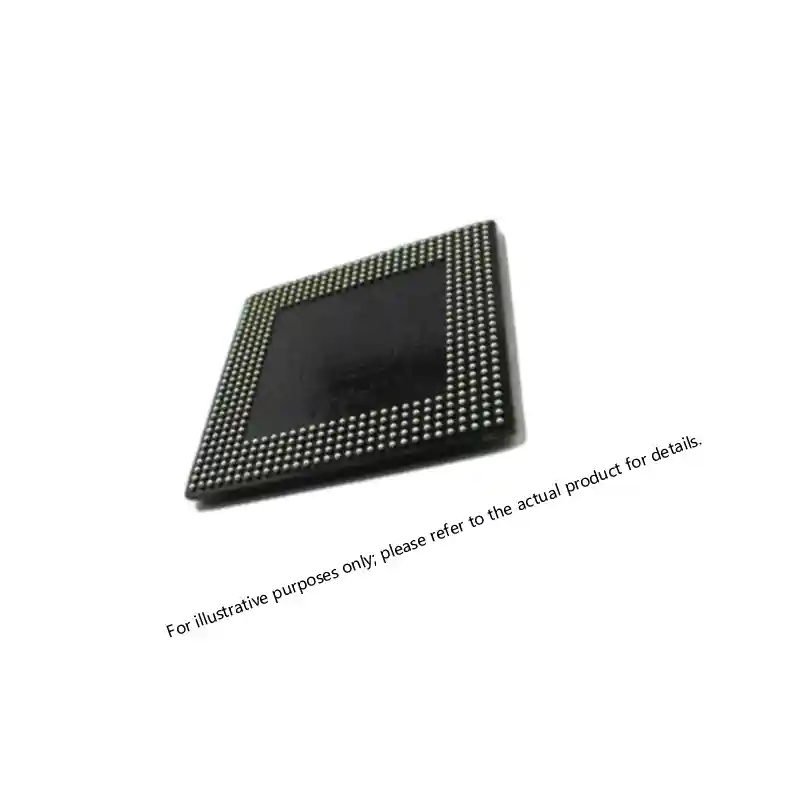
Rad-hard FPGAs address these mechanisms through process technology and architecture. Epitaxial layers suppress latch-up. Silicon-on-insulator wafers isolate charge collection. The logic cell may use triple modular redundancy at the transistor level, as seen in Microchip’s RTG4 family, or employ flash-based configuration that is inherently immune to SEU, as in ProASIC3E and PolarFire RH devices. The antifuse architecture in older Actel AX and SX-A families is also single-event immune, though those parts are now obsolete and available only through end-of-life brokers, a sourcing scenario I will address later.
Rad-Hard FPGA Families for Space Missions
The vendor landscape has consolidated, but a few viable families remain for new programs. The table below summarizes current options with flight heritage.
| Vendor | Device Family | Technology | TID Rating (krad) | SEU Immunity | Notes |
|---|---|---|---|---|---|
| Microchip (Microsemi) | RTG4 | Flash-based 65 nm | 100 | Immune to configuration SEU | Radiation-hardened by design, MIL-PRF-38535 QML-V support |
| Microchip | PolarFire RH | Flash-based 28 nm | 100 | Immune | Lower power, fast qualification |
| Microchip | ProASIC3E | Flash-based 130 nm | 100 | Immune | Mature, still available through stock |
| AMD (Xilinx) | Kintex-7 Space | SRAM-based 28 nm with TMR | 60 | Configuration SEU mitigated by TMR and scrubbing | Available as XQRKU060 with SMD qualification |
| AMD | Virtex-4QV / Virtex-5QV | SRAM-based 90/65 nm with TMR | 60 | Mitigated | Obsolete for new design, buy only for ongoing programs |
| NanoXplore | NG-Medium / NG-Large | SRAM-based 65/28 nm with DMR | 100 | SEU-immune memory cells by design | European alternative, rad-hard by process |
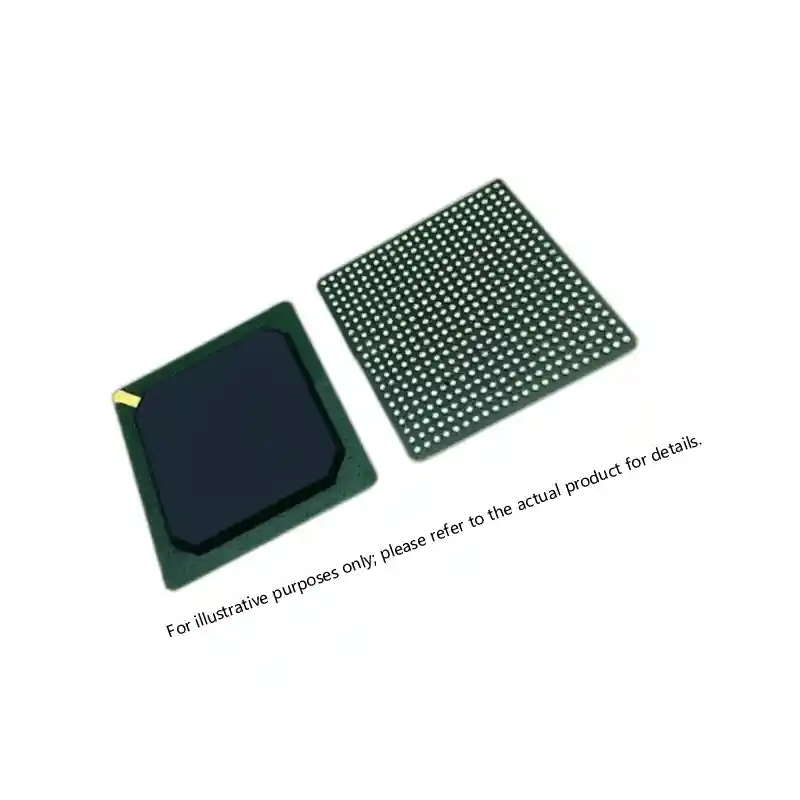
The legacy Actel RTAX and RT ProASIC3 families are no longer recommended for new programs because of diminishing wafer support. I have seen teams cling to a proven RTAX2000 design only to discover that the only available stock is from excess inventory with incomplete traceability. That leads directly to the sourcing challenges that follow.
Sourcing Realities: Lead Times, Availability, and Part Number Transitions
If your program’s BOM calls for an AX1000 from a legacy design, you face an immediate sourcing problem. Antifuse parts were discontinued years ago, yet some defense systems still require them because the design cannot be changed without extensive requalification. We have helped customers bridge that gap by sourcing remaining factory-authorized stock with verified certificates of conformance, but each lot must be inspected before acceptance. That is not a hypothetical concern; in one case, a lot of pulled AX2000 devices we evaluated showed reprocessing marks that rendered them unacceptable for a flight program. Having a distributor that understands these risks matters.
For new designs, PolarFire RH and RTG4 are the most straightforward paths, but lead times can stretch to 26 weeks or more when demand spikes. I recommend placing a reservoir order even if the program is still in the prototyping phase. Waiting until the critical design review to source devices often results in a schedule slip that no amount of overtime can recover.
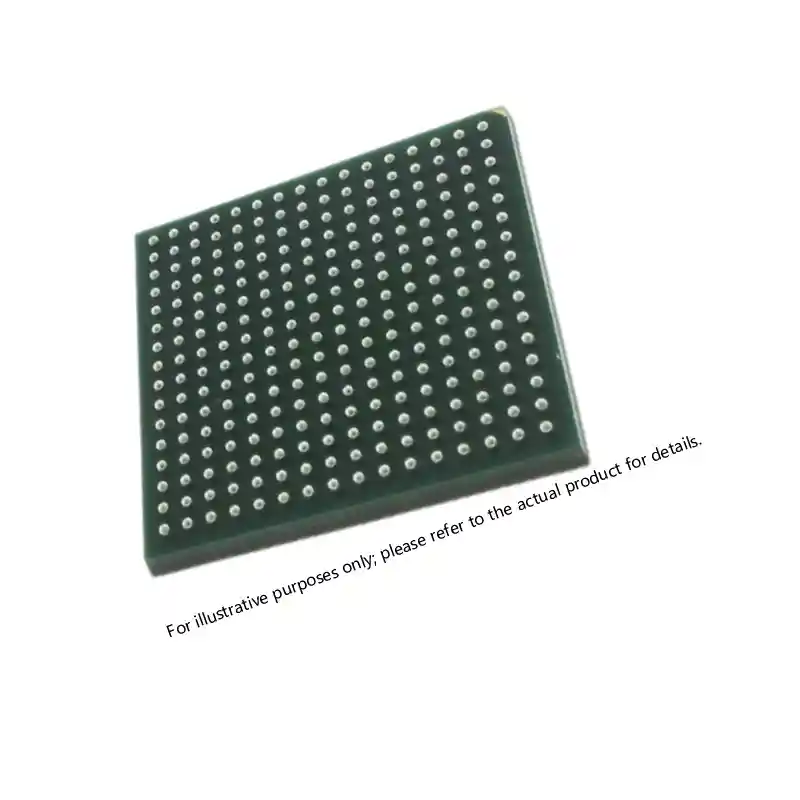
If your architecture relies on SRAM-based devices like the Kintex-7 Space, factor in the additional qualification effort. The scrubbing controller and memory must be designed, validated, and matched to the device. You will also need a firmware update path and mitigation against multi-bit upsets. Some programs manage this internally; others offload the risk by procuring pre-qualified modules. In either case, the sourcing conversation should start earlier than any other component category.
Verifying Authenticity and Traceability in the Supply Chain
Rad-hard FPGAs have a counterfeit rate that demands scrutiny. A reprogrammed commercial-grade FPGA relabeled as a rad-hard unit can pass a functional bench test and still fail within weeks of orbital operation. We enforce a strict incoming inspection protocol that includes visual inspection, X-ray, decapsulation sampling, and comparison against OEM records.
Traceability means more than a packing slip. Every device should be traceable to the original manufacturer’s wafer lot and test data. The distributor should provide a certificate of conformance referencing the DLA SMD number or MIL-PRF-38535 slash sheet, and when available, a DLA Qualified Manufacturers Listing entry. If the supplier cannot produce these documents, the lot should be rejected regardless of price. I have advised programs to walk away from “bargain” stock that lacked proper certification, and in each case, subsequent analysis confirmed the risk was real.
Building a Long-Term Supply Partnership
A program that spans a decade or more needs a supply partner who understands the documentation rhythm, export controls, and funding cycles that come with government contracts. Sparkle Electronics supports programs by maintaining a dedicated BOM line, holding safety stock where the program budget permits, and coordinating with OEMs for scheduled deliveries. When a part number transition occurs (for example, when a legacy product control drawing is superseded by a new SMD), we manage the data review so the engineering team does not have to chase paperwork.
We also help procurement teams forecast EOL risks. For instance, when Microchip announced the last-time buy for certain ProASIC3E speed grades, we worked with customers to secure their remaining requirements before the window closed. Such proactive planning avoids the emergency buys that often lead to authenticity compromises.
Common Questions About Rad-Hard FPGA Sourcing
How do I determine whether my mission needs rad-hard or rad-tolerant devices?
It depends on the orbit, shielding design, and acceptable error rate. A LEO nanosat with a short mission life may accept a rad-tolerant flash-based FPGA, while a GEO telecommunications satellite carrying revenue-generating payloads typically requires full rad-hard assurance. We recommend sharing your radiation environment analysis with the supplier early so the correct part class can be identified before the design is frozen.
Can I still buy obsolete rad-hard FPGAs for a legacy program?
In limited cases, yes, through distributors that maintain controlled excess inventory with verified provenance. The key is not just locating the part number, but confirming that it has been stored correctly and that the original packaging and lot documentation are intact. We have sourced AX and SX-A devices for programs that cannot redesign, but each procurement requires dedicated inspection effort that a general-line distributor typically cannot provide.
What is the difference between QML-V and QML-Q for rad-hard FPGAs?
QML-V is the highest reliability level under MIL-PRF-38535, certifying that the device has passed extended life testing and is suitable for the most demanding space applications. QML-Q is a step down, still hi-rel but with less stringent burn-in requirements. For mission-critical functions, QML-V is preferred but can add cost and schedule. I find that many programs specify QML-V for the payload processor but accept QML-Q or even enhanced COTS for telemetry and power management if the system architecture includes fault tolerance.
How does the Trusted Foundry Program relate to rad-hard FPGA sourcing?
The Department of Defense Trusted Foundry Program ensures that devices are fabricated in secure, U.S.-based facilities with verified supply chains. Some rad-hard FPGAs, particularly those from Microchip, are eligible under Trusted Accreditation. If your contract requires Trusted supplier status, you will need a distributor that can provide the appropriate documentation without disrupting the delivery schedule. We help customers navigate these requirements by maintaining traceable records for every shipped lot.
Do I need to test every lot of rad-hard FPGAs before acceptance?
For flight applications, a sample lot test is a strong quality assurance step. At a minimum, we recommend verifying visual, marking permanency, and X-ray against the OEM reference. For QML-V devices, the OEM test data is sufficient for most programs. For stock from a non-authorized channel, full electrical testing and decapsulation should be mandatory. We have caught several suspect lots through this protocol before they reached the customer’s assembly line.
Is it better to source rad-hard FPGAs directly from the OEM or through a distributor?
OEMs typically sell through authorized distribution for small to medium volumes, and a distributor can aggregate multiple part numbers from different OEMs within a single procurement, which simplifies logistics. More importantly, a distributor with defense expertise can provide pre-screening, consolidated documentation, and buffer stock that an OEM direct channel often cannot offer. For programs that need flexibility and documentation support, working with a specialized distributor saves time and lowers supply chain risk.
If your program requires stress-free sourcing of rad-hard FPGAs with full traceability, I encourage you to contact Sparkle Electronics. We provide detailed BOM quotes, lead-time intelligence, and complete certification packages tailored to your contract requirements. Send your part number and quantity to xuansc2144@gmail.com and we will confirm availability the same business day.
If you’re interested, check out these related articles:
XC7VX485T FPGA: Virtex-7 Performance for Defense
Virtex-7 690T FPGA: Performance for Mission-Critical Systems
XCKU115 UltraScale FPGA: Powering Critical Defense Systems