Why Military IC Traceability Matters for Defense Procurement
Table of Contents
- Why Traceability Failure Is a Program‑Level Risk
- What Full Lifecycle Traceability Looks Like for Military ICs
- How to Verify Traceability on Your Next Military IC Order
- The Documentation Trail: What to Demand from Your Supplier
- Evaluating an Independent Distributor’s Traceability Capability
- What Procurement Teams Need to Know About Military IC Traceability
Military IC traceability is not a paperwork formality. It is the single most effective defense against counterfeit components entering a program’s bill of materials. In over a decade of supporting defense procurement, I have seen traceability gaps derail qualification schedules, force costly rework, and in the worst cases, put mission readiness at risk. What follows is not a general benefits list. It is the practical traceability framework procurement teams should demand from every supplier, whether they are buying from the OEM or an independent distributor like Sparkle Electronics.
Why Traceability Failure Is a Program‑Level Risk
A component without a credible origin trail is a liability. Defense programs operate under compliance regimes where proof of authenticity is not optional. When a single part cannot be traced back to its manufacturing lot, the consequences cascade. A $50 counterfeit IC can force a $500,000 board replacement. Worse, a part that fails in the field because it was never screened to MIL‑STD‑883 creates a readiness gap that no amount of cost savings justifies.
I have seen procurement teams accept traceability gaps to meet a launch deadline, only to face a full lot rejection during incoming inspection. The re‑procurement lead time then pushes the program months behind schedule. The real cost is not the part; it is the schedule uncertainty and the engineering hours burned on failure analysis. In military electronics procurement, the risk is never just the component — it is the system integration delay that follows.
What Full Lifecycle Traceability Looks Like for Military ICs
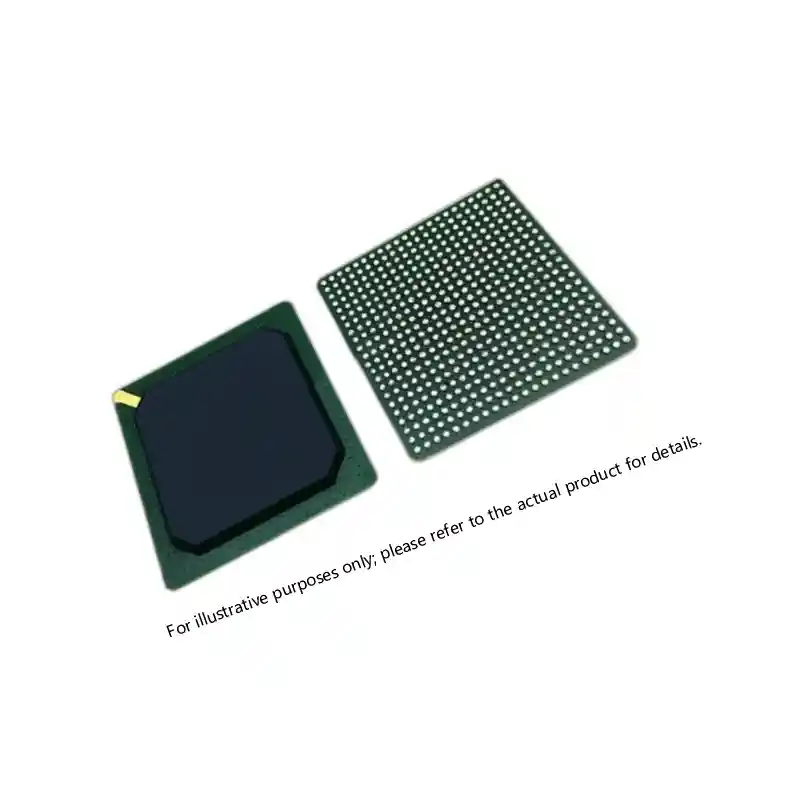
Traceability means a documented, uninterrupted chain of custody from the original component manufacturer to the end user. For military ICs, that chain must include the wafer fab, assembly site, test facility, and every distribution touchpoint. The level of granularity matters. A lot number alone is not traceability if the date code, test records, and any repackaging events are missing.
Three elements distinguish credible traceability from a paperwork placeholder. First, the original manufacturer’s certification, typically a Certificate of Conformance or Certificate of Analysis aligned with the purchase order. Second, the distributor’s own lot traceability record, linking incoming OEM stock to outgoing shipments without mixing lots. Third, any intermediate handling or third‑party test reports, such as X‑ray inspection or solderability testing, must be attached to the same lot identifier.
This structure answers the PAA question “How does traceability differ between OEMs and distributors?” The OEM holds the manufacturing records. The distributor holds the chain of custody from OEM to buyer. A defense‑grade distributor does more than forward documents — it maintains the lot integrity through controlled storage and shipment, ensuring the part you receive is exactly the part the OEM shipped.
How to Verify Traceability on Your Next Military IC Order
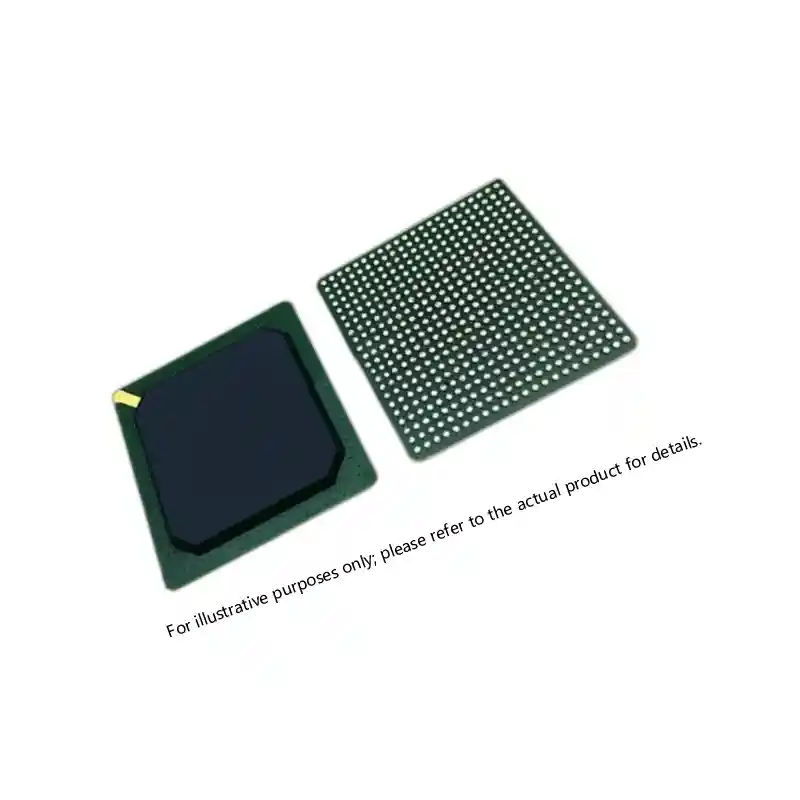
Verifying traceability starts before the purchase order is signed. The fastest way to test a supplier’s traceability capability is to request lot‑specific documentation for a part you have already sourced, or a sample line item from their current inventory. A distributor with a mature traceability system will return a complete document package within a business day. Hesitation, placeholder responses, or “we can get that later” are red flags.
On receipt, verify the following practical checks. Compare the date code and lot number on the physical component marking against the Certificate of Conformance and the distributor’s packing slip. Look for consistency across all documents — a mismatch between the test report date and the date code is often the first signal of a remarking issue. For high‑reliability programs, request photographs of the actual parts before shipment. I have caught discrepant packaging labels this way, before the parts ever left the distributor’s facility.
For buyers wondering “What are the consequences of a traceability gap?”, the answer is that an acceptance test failure on a single untraceable part triggers a lot rejection, supplier notification, and often a root cause investigation. The engineering time lost to that investigation regularly exceeds the component cost by a factor of ten in programs I have supported.
The Documentation Trail: What to Demand from Your Supplier
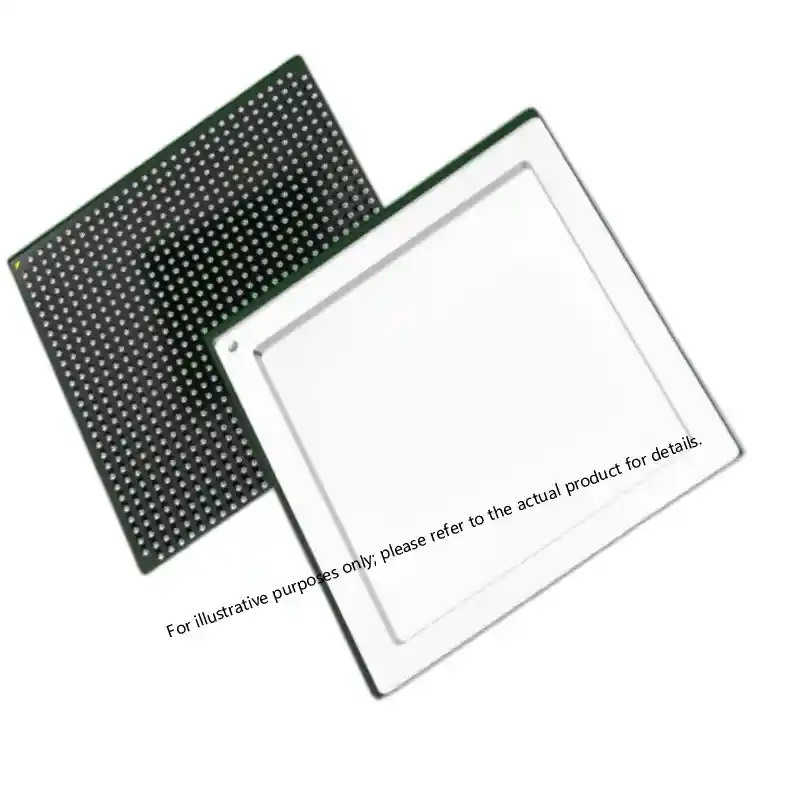
A procurement file should contain a traceability package that stands on its own during a DCMA or customer audit. The minimum documents for every line item are the Certificate of Conformance, the distributor’s lot traceability record, and any applicable test reports. For QML and 5962‑series parts, add the manufacturer’s qualification test summary.
| Document | What It Confirms | Red Flag If Missing |
|---|---|---|
| Certificate of Conformance (CoC) | Part meets the specified MIL‑SPEC or source control drawing | Generic CoC without lot reference |
| Lot Traceability Record | Incoming OEM lot number mapped to outgoing shipment | Different lots on CoC and packing slip |
| Date Code Verification | Part age and factory timeline | Date code later than test report date |
| Third‑Party Test Reports | Electrical test, X‑ray, or decapsulation results | Report without lot identifier match |
| Photographic Lot Image | Visual confirmation of marking consistency | Images received after payment |
Demanding this package before shipment is not obstruction. It is the only way to confirm authenticity before the parts enter your receiving dock. I routinely provide a pre‑shipment documentation package that includes photos of the actual lot, so the buyer’s quality team can verify markings against their approved vendor list before accepting delivery.
Evaluating an Independent Distributor’s Traceability Capability
Many defense buyers default to OEM‑only sourcing for traceability confidence. That assumption misses a significant portion of the market: independent distributors who have built traceability into their operational DNA. The right independent distributor can supply long‑lead‑time parts, end‑of‑life components, and small lot quantities with the same documentation rigor as the OEM channel.
When evaluating an independent distributor, ask three specific questions. First, “Can you provide lot traceability back to the OEM for every line item on this BOM?” A credible answer includes the OEM invoice or packing slip reference, not just an internal lot number. Second, “Do you mix customer‑returned stock with factory‑sealed inventory?” The answer must be no, with a documented segregation process. Third, “What is your counterfeit mitigation procedure?” Look for alignment with AS6081 inspection requirements, including incoming visual inspection, remarking detection, and X‑ray or XRF testing as needed.
Sparkle Electronics maintains lot‑level traceability on all military‑grade inventory, with original manufacturer documentation retained for every part number. Our incoming inspection process includes microscopic visual examination, date code and marking verification, and lot traceability checks against OEM records. This is not a premium add‑on — it is the baseline for any component we supply to a defense program.
If your program involves parts with limited OEM availability or long lead times, it is worth confirming traceability documentation before finalizing your BOM — reach out to xuansc2144@gmail.com to share your part numbers and quantity, and we will confirm stock and documentation in parallel.
What Procurement Teams Need to Know About Military IC Traceability
Why is component traceability required for military programs?
It is required because a component without a verifiable origin cannot be authenticated against the manufacturer’s qualified process. Defense contracts flow down requirements such as DFARS 252.246‑7007 and MIL‑STD‑883 that place the burden of proof on the buyer. Traceability provides that proof. Without it, a part is not sellable into a military end‑item.
How can buyers verify a component’s origin when the OEM has no direct relationship with them?
Buyers verify origin through the distributor’s documentation. A competent distributor maintains the OEM packing slip, invoice, or a direct manufacturer’s certificate that links the specific lot to the OEM. If the distributor cannot produce that link, the origin is unproven. I always recommend requesting the OEM source documentation, not just a distributor‑generated statement.
What makes an independent distributor’s traceability credible versus a marketing claim?
Credibility rests on three observable practices: lot segregation in storage, pre‑shipment photographic evidence, and a willingness to provide OEM source documents before payment. Suppliers that promise traceability but deliver document packages only after shipment are not credible. In programs we have supported, the pre‑shipment documentation preview has caught more issues than post‑delivery inspection.
Can full traceability be maintained for obsolete or end‑of‑life military ICs?
Yes, and it is even more critical for these parts because the counterfeit risk is highest when a device is no longer in active production. Traceability for EOL parts relies on the distributor’s original purchase records from the OEM, storage conditions, and any re‑testing documentation. We maintain archives of OEM procurement records for components that have been in our inventory for years, so traceability does not expire with the part’s production status.
How long should traceability records be retained?
For defense programs, retention typically aligns with the end‑item’s life of type or the contract’s recordkeeping requirement, often ten years or more. I recommend procurement teams retain the full traceability package — CoC, lot traceability record, photographs, and test reports — for the duration of the program plus any sustainment period. If your program has specific retention requirements, we can structure documentation delivery to match your internal archive system. Share your traceability documentation requirements at xuansc2144@gmail.com, and we will confirm compatibility with your quality system.
If you’re interested, check out these related articles:
XCKU085 UltraScale FPGA: Performance for Critical Systems
Virtex-7 690T FPGA: Performance, Packaging, and Reliability Insights
Virtex-7 XC7VX690T: Performance, Reliability, and Integration