How to Source Military DSP Chips From an Authorized Distributor
Table of Contents
- What Authorized Distribution Means for Military DSP Chips
- Vetting the Supply Chain Behind a Military DSP Distributor
- Counterfeit Risks in the Military DSP Market
- Managing Long-Term Supply of DSPs for Defense Programs
- How to Validate Distributor Documentation Before an Order
- Common Questions About Sourcing Military DSP Chips
- Are all distributors with stock of a TI military DSP authorized?
- How can I tell if a TMS320C6678 is genuine without destructive testing?
- What documentation should I require for a 5962-series SMJ320 DSP?
- Does buying from an authorized distributor cost more than open-market sourcing?
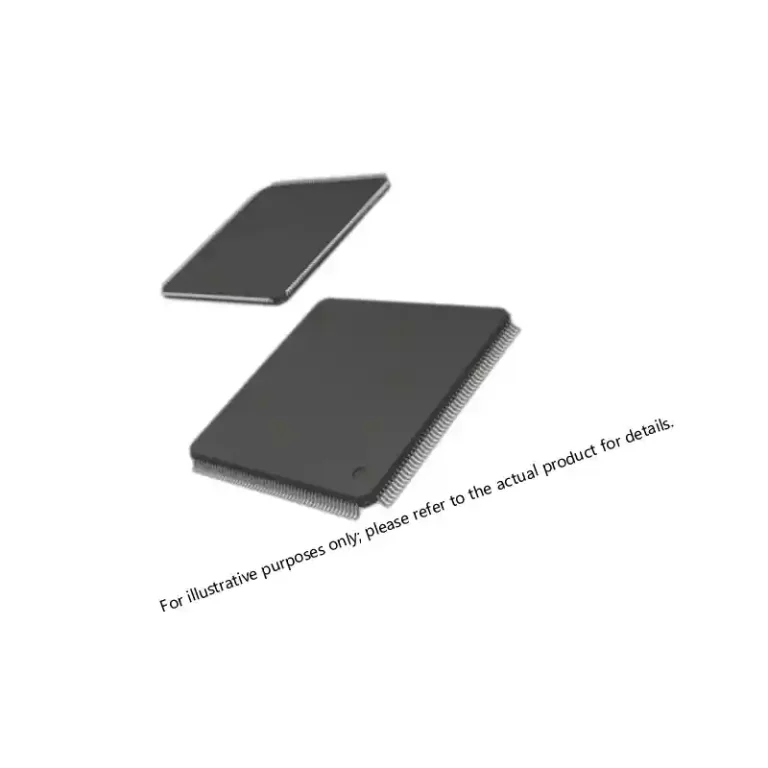
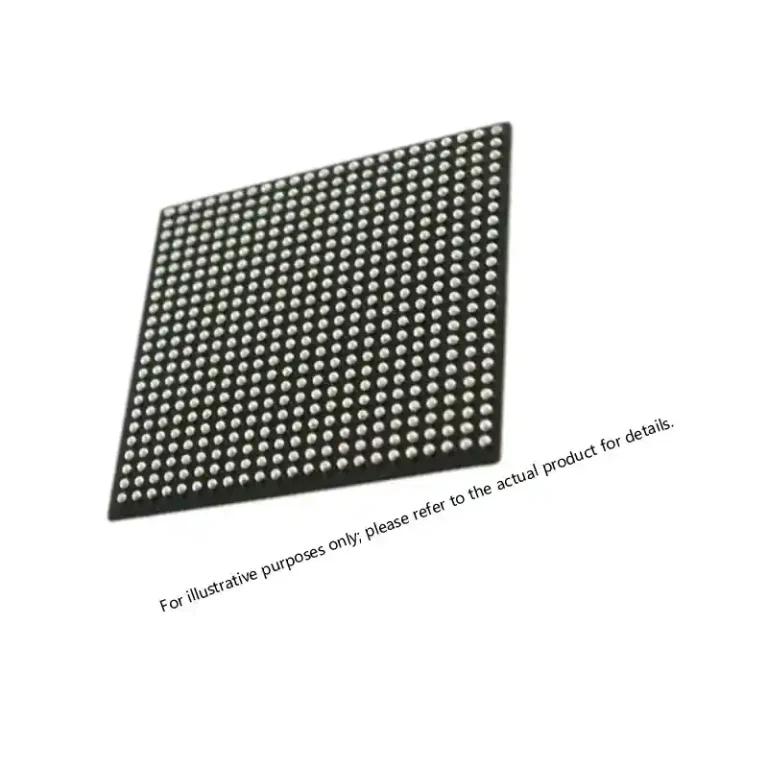
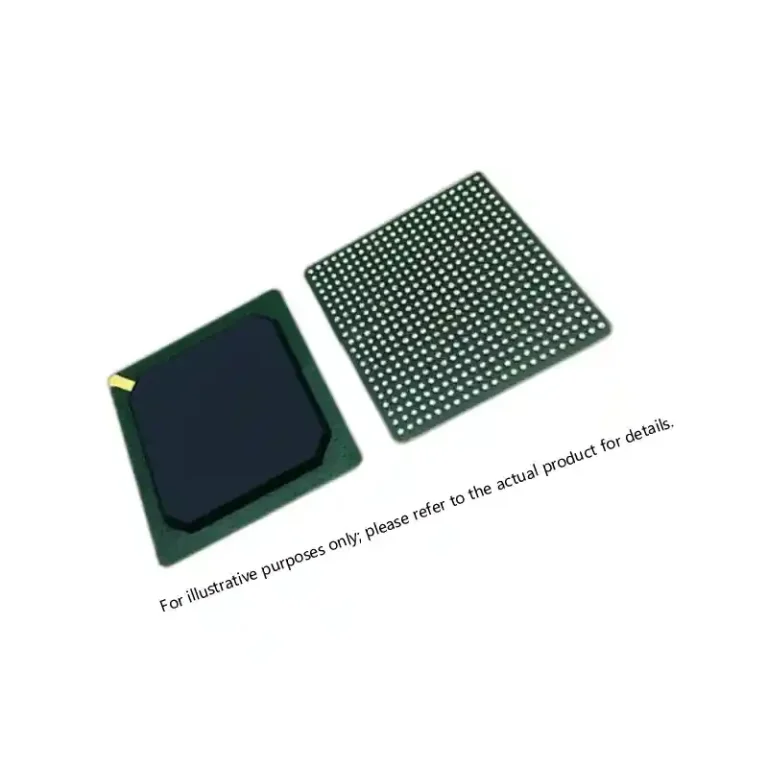
Sourcing military-grade DSP chips is not a catalog exercise. The part number that works on paper often becomes a program risk the moment you receive devices with incomplete lot documentation, questionable date codes, or subtle re-marking artifacts. After more than a decade managing hi-rel component procurement for defense programs, I have learned that the difference between an authorized distributor and a general stocking supplier is the difference between a documented chain of custody and a gamble. For programs requiring Texas Instruments TMS320C6678 C66x multicore DSPs or SMJ320-series MIL-qualified DSPs, the distributor you select either strengthens your source control documentation or becomes the weakest link in your compliance chain.
What Authorized Distribution Means for Military DSP Chips
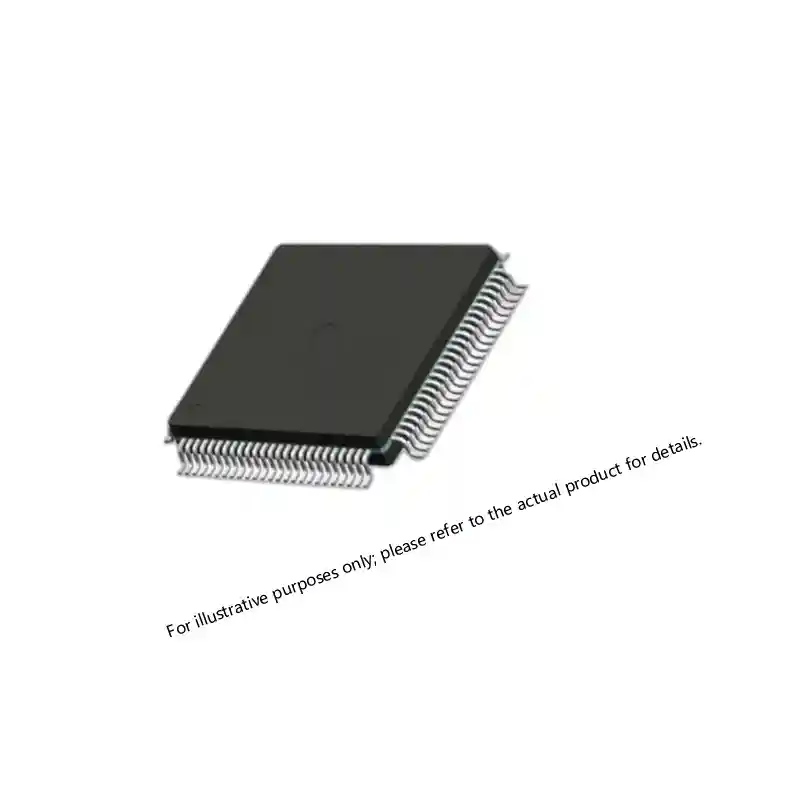
An authorized distributor for military DSP chips has a direct contractual relationship with the original component manufacturer. This is not a loose affiliation. Texas Instruments, for example, operates a structured channel program that designates specific partners for MIL-SPEC and QML-qualified devices. When you buy an SMJ320C6701 or a 5962-series DSCC-compliant part through that channel, the device comes with a direct-purchase record from the manufacturer. The paperwork traces from wafer lot through assembly and screening, not through an intermediate broker.
Many procurement teams conflate stock availability with authorization. A supplier may hold inventory of TMS320C6414 DSPs and claim full traceability. The question you need to ask is whether that traceability runs to the distributor’s purchase from the OEM or only to a previous transaction in the open market. Open-market traceability is shallow. It gives you a vendor name, not a manufacturer’s certificate of conformance. For programs subject to DFARS material traceability requirements, that distinction is audit-relevant.
Vetting the Supply Chain Behind a Military DSP Distributor
The effectiveness of an authorized distributor is only as strong as its inbound supply chain controls and handling discipline. At Sparkle Electronics, we treat incoming inspection of military DSP chips as a gatekeeping function, not a formality. Every lot of TI DSPs, from the C6678 multicore devices to the older SMJ320C31 floating-point DSPs, undergoes physical inspection under magnification before any part enters controlled stock.
I recommend three checks when evaluating a distributor’s internal controls. First, ask about ESD handling protocols: MIL-STD-1686 compliance should be standard, and you want to see it applied across all storage and re-packaging operations. Second, verify whether the distributor performs sample-level solderability or X-ray inspection on long-stored lots; moisture ingress in ceramic packages can go undetected without it. Third, examine the segregation between franchise-sourced inventory and any brokered inventory. If both streams sit in the same inventory system without a clear batch-level distinction, the risk of mix-up is real, and your procurement audit trail becomes harder to defend.
Counterfeit Risks in the Military DSP Market
Counterfeit military DSPs are a persistent threat, and the sophistication of re-marking operations has advanced well beyond surface sanding and blacktopping. We have seen parts where laser engraving was removed and reapplied with enough precision to pass a visual check against the manufacturer’s datasheet, but the electrical test at -55°C or +125°C exposed a commercial-grade die that would have failed in a deployed system within months.
The most effective defense is not testing alone. It is the combination of authorized-source procurement and selective verification testing. When you buy an SMJ320C6203 VLIW DSP from an authorized distributor, you are buying a part that left the manufacturer’s screening flow with full MIL-PRF-38535 back-end processing. That is fundamentally different from buying the same part number from an independent source and then attempting to authenticate it through X-ray or decapsulation. Decapsulation is a destructive process that loses warranty and may still miss an internally re-marked die. The cost of that testing, in both time and program risk, almost always exceeds the price premium of authorized distribution.
Managing Long-Term Supply of DSPs for Defense Programs
Military programs routinely span 15 to 25 years, and DSP silicon lifecycles are far shorter. TI C6000 series multicore DSPs, including the TMS320C6674 and TMS320C6678, are still in active production, but the SMJ320C40 and SMJ320C31 families are long-discontinued. A competent authorized distributor manages this lifecycle mismatch proactively.
What you are looking for is a distributor that offers more than a webquote response. When we support a program that uses an aging DSP, we work with the procurement team to build a demand forecast that considers the remainder of the production run plus depot-level spares provisioning. For devices approaching end-of-life, we coordinate last-time buy notifications with the OEM and maintain segregated die-bank or finished-goods inventory under long-term storage conditions. A simple question to ask any distributor: show me your temperature- and humidity-monitored storage for components you hold against a program forecast. If the answer is a general warehouse statement, the shelf-life risk on a ten-year program is yours to carry alone.
How to Validate Distributor Documentation Before an Order
The single most common procurement failure I have seen is accepting a certificate of conformance or test report at face value without matching it to the specific lot trace code on the part. A manufacturer’s C of C for an SMJ320F2812 DSP should include the DSCC 5962 part number, the MIL-PRF-38535 slash sheet reference if applicable, and the lot date code. The distributor’s packing slip must repeat that lot code exactly.
I recommend that procurement teams request a pre-shipment document preview for any military DSP order. This preview should include the manufacturer’s certificate of conformance, any third-party test reports if the distributor performed additional screening, and the lot traceability code. After reviewing, the distributor ships the exact units corresponding to those documents. This eliminates the mismatch that can occur when warehouse staff pick from a different lot than the one documented, which is the single most common source of paperwork rejection during incoming inspection at the prime contractor level.
Most procurement risk in military DSP sourcing is preventable through a methodical distributor qualification process. The best defense programs I have supported had one thing in common: they treated component distributors as supply chain partners rather than transactional vendors. The authorized relationship, the document discipline, and the long-term planning commitment are what separate a partner from a one-time source. If your program depends on a specific Texas Instruments military DSP, email your part number and quantity to xuansc2144@gmail.com. We will confirm current availability, OEM authorization status for that device family, and provide the documentation you need to clear your purchasing review.
Common Questions About Sourcing Military DSP Chips
Are all distributors with stock of a TI military DSP authorized?
No. A distributor may have genuine parts in stock through a broker purchase or excess inventory acquisition. That does not make them authorized. Authorization is a contractual relationship with the manufacturer. You can verify a distributor’s authorization by checking directly with the manufacturer’s channel program. For Texas Instruments military DSPs, the authorized channel list changes periodically. I recommend confirming authorization at the time of PO placement, not relying on a past approval.
How can I tell if a TMS320C6678 is genuine without destructive testing?
Visual inspection under 30x magnification is the first line. Check for consistent marking alignment, manufacturer logo fidelity, and date code format that matches the period of manufacture. Second, measure the ball coplanarity and solder sphere diameter against the package drawing. Third, perform X-ray for die orientation and bond wire anomalies. These are non-destructive and can catch most re-marking attempts. If any of these raise suspicion, the device should not enter your production flow without a full electrical characterization.
What documentation should I require for a 5962-series SMJ320 DSP?
At minimum, the manufacturer’s certificate of conformance listing the DSCC 5962 part number, lot date code, and any QML certification markings. If the part is subject to ITAR, you may also need a destination control statement. The distributor should provide full lot traceability back to the manufacturer’s production batch, not a middle step. If the part was purchased through the OEM’s authorized channel, the vendor will have the back-to-back C of C. If they cannot produce it, assume the chain is broken.
Does buying from an authorized distributor cost more than open-market sourcing?
The quoted unit price may be higher than what an independent broker shows on a spot basis. But when you factor in the cost of incoming inspection rework, the risk of a field failure due to a misrepresented part, and the program delay from a rejected lot, the premium shrinks or disappears. For programs that carry strict AS9100 or MIL-STD-883 screening requirements, the cost of authenticating a suspect lot through third-party testing often exceeds the authorization premium. Send me your part number and I will quote the authorized-source price so you have a direct comparison against your current supplier.
If you’re interested, check out these related articles:
XCKU115 UltraScale FPGA: Powering Critical Defense Systems
Virtex-7 XC7VX690T: Performance and Reliability Insights
XCKU085 UltraScale FPGA: Performance for Critical Systems
UltraScale KU085 FPGA Specifications for Defense Systems