QML Qualified Components: Why Defense Programs Require Them
Table of Contents
- What Does QML Qualification Mean for Electronic Components?
- Why Do Defense Programs Require QML‑Certified Components?
- What Are the Different QML Qualification Levels?
- How Can You Verify a Component’s QML Certification?
- Where Should You Source QML Components to Avoid Supply Chain Risks?
- Questions Defense Buyers Ask About QML Components
- Is every military component required to be QML‑qualified?
- Can a commercial part be used in a defense system even if it is not QML?
- How do I check a part’s QML status online?
- What documentation should I request when buying QML parts?
- Strengthening Your QML Component Supply Base
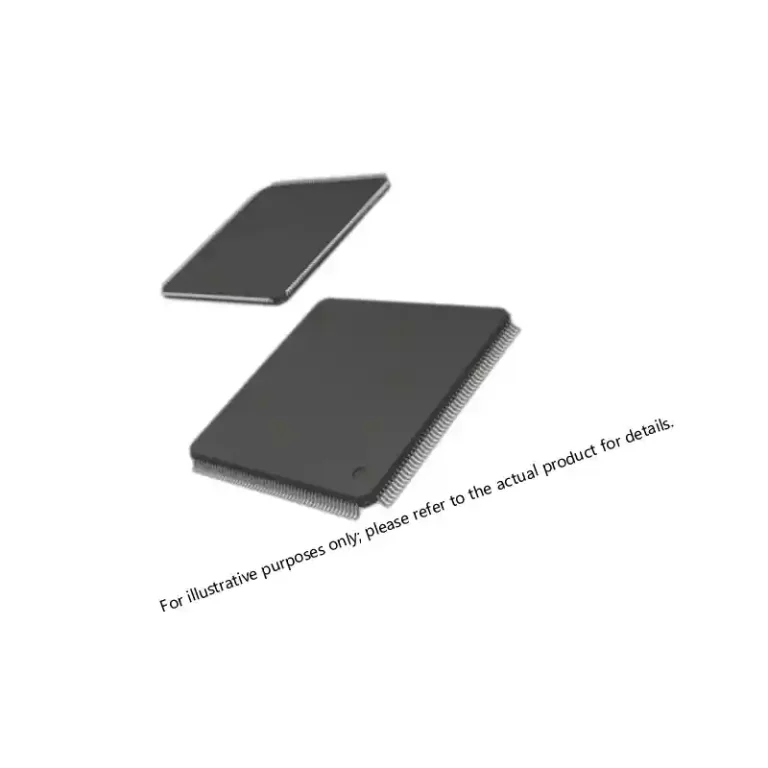
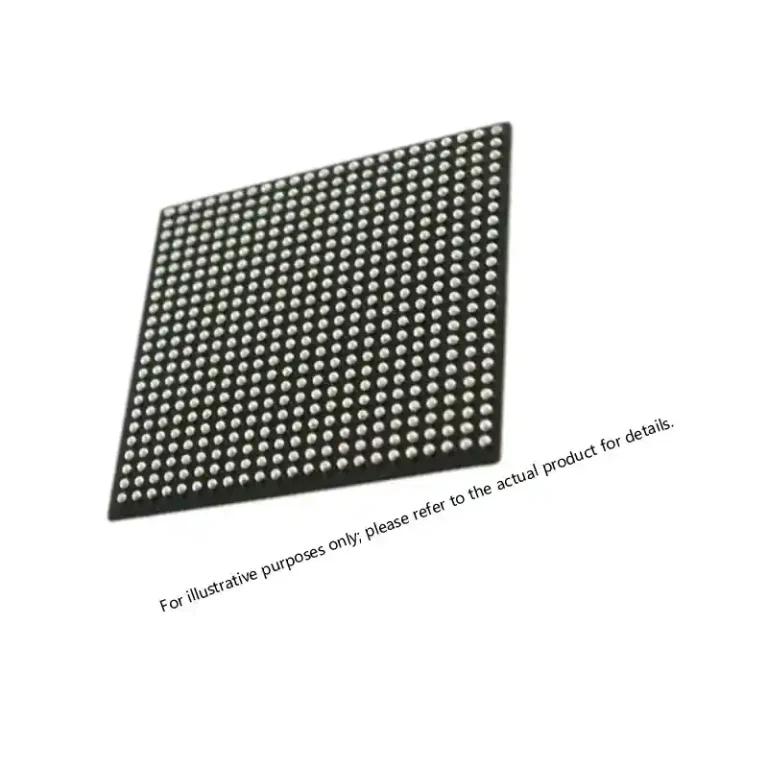
For defense electronics procurement teams, the term QML qualified components signals a specific threshold of reliability and documentation that goes far beyond commercial‑grade parts. QML, short for Qualified Manufacturers List, is a certification program administered by the Defense Logistics Agency (DLA) under MIL‑PRF‑38535. It certifies that semiconductor devices meet rigorous military performance and traceability standards. Defense programs mandate QML‑certified components because mission‑critical systems cannot tolerate field failures from uncertified parts. Yet a QML marking alone is not a guarantee; verification remains essential.
What Does QML Qualification Mean for Electronic Components?
QML qualification is the highest level of certification for monolithic microcircuits in defense and space applications. A semiconductor manufacturer does not earn QML status by passing a single test. It undergoes a comprehensive audit of its design, wafer fabrication, assembly, screening, and quality‑conformance inspection (QCI) processes. The DLA’s Land and Maritime division oversees the listing, and only facilities that demonstrate sustained process control and lot‑level traceability gain acceptance.
Every QML‑certified device must carry a complete paper trail back to the wafer lot, including electrical test data, environmental screening logs, and burn‑in results. This level of documentation enables defense contractors to confirm that each part meets the exact electrical and environmental parameters specified for the program.
Why Do Defense Programs Require QML‑Certified Components?
Military systems operate in conditions where a single component failure can cascade into mission loss or personnel danger. Radar signal processors, missile guidance computers, and satellite payload controllers run for years in vibration, extreme temperatures, and radiation environments. Commercial‑off‑the‑shelf (COTS) parts cannot accommodate these stresses with the same confidence.
QML‑certified components reduce supply‑chain risk at the design stage. They eliminate the guesswork about lot homogeneity, electrostatic discharge (ESD) susceptibility, or long‑term parameter drift. When a program submits a bill of materials (BOM) for review, having QML‑listed devices simplifies the qualification process and shortens the path to production approval.
What Are the Different QML Qualification Levels?
Not all QML devices are rated for the same environment. The defense industry categorizes QML components by class, each tied to a specific reliability envelope.
| QML Level | Typical Application | Temperature Range | Screening Requirement |
|---|---|---|---|
| QML‑V / Class V | Space, strategic missiles | −55°C to +125°C | In‑line wafer lot acceptance, 100% burn‑in, particle impact noise detection (PIND) |
| QML‑Q / Class Q | Military avionics, ground vehicles, shipboard | −55°C to +125°C | Periodic lot‑level QCI, temperature cycling, 100% burn‑in |
| QML‑H / Class H | Less‑critical military, ruggedized industrial | −55°C to +125°C | Reduced QCI frequency, standardized screening flows |
Choosing the correct class is not simply a matter of cost. A design that errs on the side of Class V for an airborne radio may lock the program into unnecessary lead‑time and minimum‑order constraints. I have seen engineering teams default to the highest class out of caution, only to face delays when Class Q parts would have met the performance specification with equal confidence.
How Can You Verify a Component’s QML Certification?
Verification starts before the purchase order, not during incoming inspection. Three checks separate a genuine QML part from a listing that exists only on paper.
First, confirm the manufacturer’s active QML listing through the DLA’s Qualified Products Database (QPD). Search by the core part number and validate that the specific package, temperature range, and screening level appear under an active QML line item.
Second, request a lot‑specific certificate of conformance (C of C) that references the MIL‑PRF‑38535 slash sheet and the DLA certification number. A generic statement of compliance without a lot date code is insufficient. In my experience supporting defense contractors, I have encountered cases where a part number matched a QML‑registered device but the actual lot had not passed its QCI inspection. A quick cross‑check of the C of C against the manufacturer’s lot‑level test report prevented a design issue from reaching production.
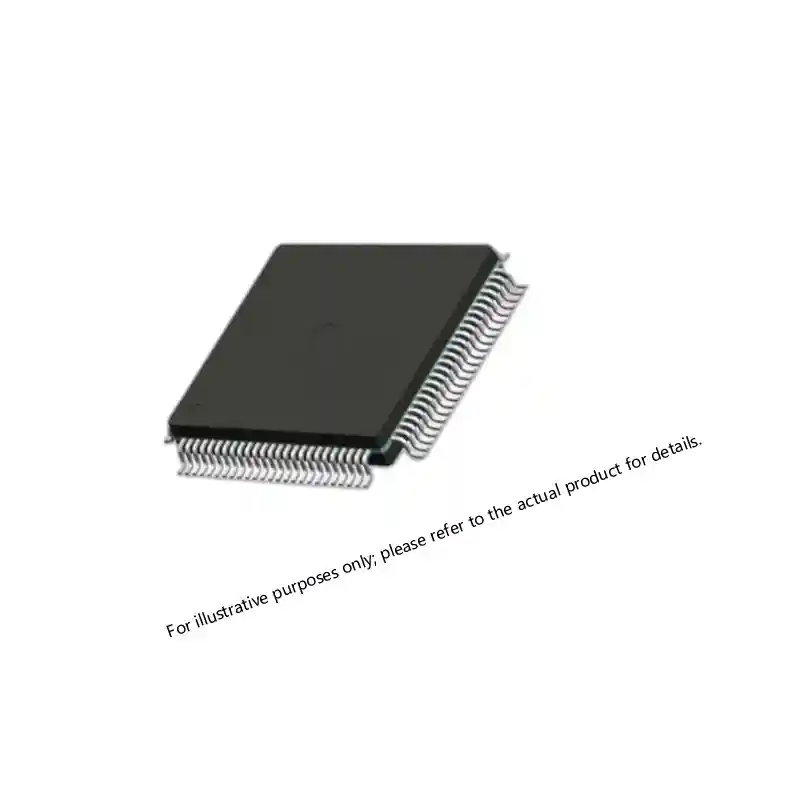
Third, inspect the physical marking. QML‑certified packages carry a specific marking format, including the manufacturer’s CAGE code, part number, date code, and a QML compliance indicator. Distributors that maintain photographic records of each shipment simplify this validation.
Where Should You Source QML Components to Avoid Supply Chain Risks?
QML certification does not eliminate the need for supply‑chain diligence. Authorized distribution channels with documented chain‑of‑custody remain the safest path. Secondary or independent sources can introduce inspection gaps, and parts that change hands multiple times are harder to trace.
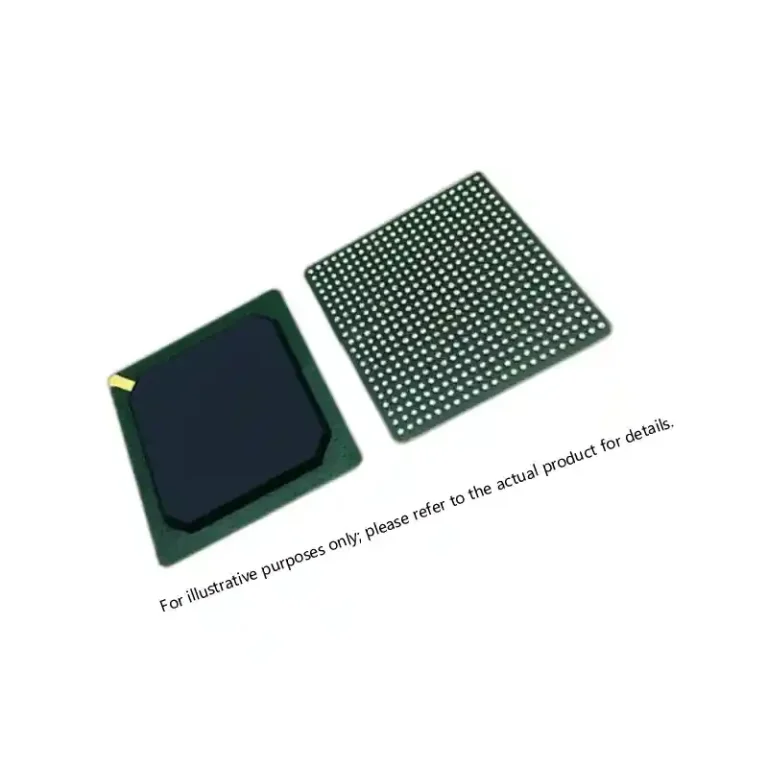
When sourcing QML‑certified FPGAs, ADCs, DACs, or memory ICs, prioritize distributors that stock from manufacturers with active QML listings. At Sparkle Electronics, we maintain an inventory of QML‑qualified devices — including ProASIC, Axcelerator, and PolarFire FPGAs, as well as high‑speed ADCs from Analog Devices — with lot‑specific documentation available before shipment. Our process includes direct coordination with manufacturers to confirm qualification status for each part number requested.
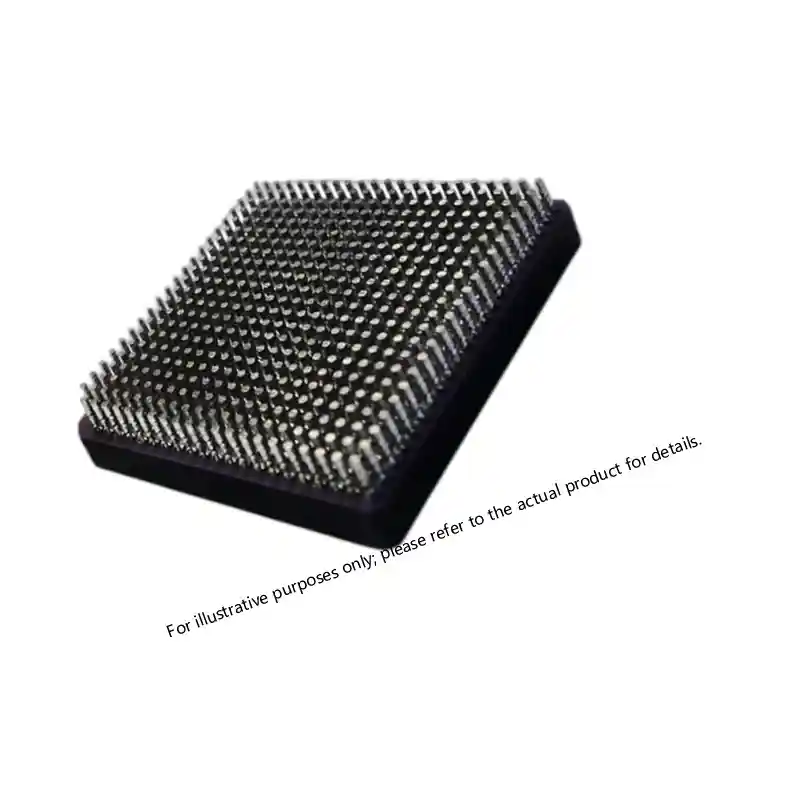
Verification at the point of sourcing removes the pressure from incoming inspection teams. If a program involves components that must be QML‑V or QML‑Q, confirming part number compliance with a distributor that carries active QML stock shortens the procurement cycle.
Questions Defense Buyers Ask About QML Components
Is every military component required to be QML‑qualified?
No. QML applies specifically to monolithic microcircuits under MIL‑PRF‑38535. Other military specifications, such as MIL‑PRF‑19500 for discrete semiconductors and MIL‑PRF‑55681 for ceramic capacitors, have their own qualification systems. A part can be fully compliant for defense use without being on the QML if it meets a different qualifying specification. The program’s parts‑management plan determines which qualification scheme applies.
Can a commercial part be used in a defense system even if it is not QML?
Yes, under certain conditions. Programs may accept commercial parts through a documented upscreening process that adds electrical and environmental testing per MIL‑STD‑883 methods. The burden then shifts to the user to demonstrate that the tested lot meets the required reliability level. In practice, many programs avoid upscreening because it adds cost and testing time, and it does not provide the same lot‑wide confidence as QML certification.
How do I check a part’s QML status online?
The DLA Qualified Products Database (QPD) is the official reference. Enter the base part number and look for the active QML line items. The listing confirms the manufacturer, package type, temperature range, and screening class. If no QML listing exists for that exact part number configuration, the device is not QML‑certified regardless of what a datasheet may claim.
What documentation should I request when buying QML parts?
At minimum, request the lot‑specific certificate of conformance (C of C) that references the MIL‑PRF‑38535 slash sheet. Where available, also obtain the manufacturer’s lot‑level test summary and the chain‑of‑custody records. This documentation closes the inspection loop and is typically required for program audit purposes. If you are uncertain about the qualification status of a part on your BOM, share the details and we can verify it against current QML listings — that usually takes less than a business day.
Strengthening Your QML Component Supply Base
Procurement teams sometimes discover late in the design cycle that a selected component lacks current QML certification or that the only listed manufacturer has a 40‑week lead time. These surprises can stall critical path milestones. Working with a distributor that verifies QML status at the quoting stage, rather than at the shipment stage, moves the qualification decision upstream where it belongs.
Send your part numbers and required QML class to xuansc2144@gmail.com. We will confirm current availability, certification status, and documentation support so your team can focus on system integration instead of qualification paperwork.
If you’re interested, check out these related articles:
XCKU115 UltraScale FPGA: Powering Critical Defense Systems
Virtex-7 XC7VX690T: Performance, Reliability, and Integration
A1020B-PG84B ACT2 FPGA: Specs, Sourcing, and Availability
XC7VX485T FPGA: Virtex-7 Performance for Defense
XCKU085 UltraScale FPGA: Performance for Critical Systems