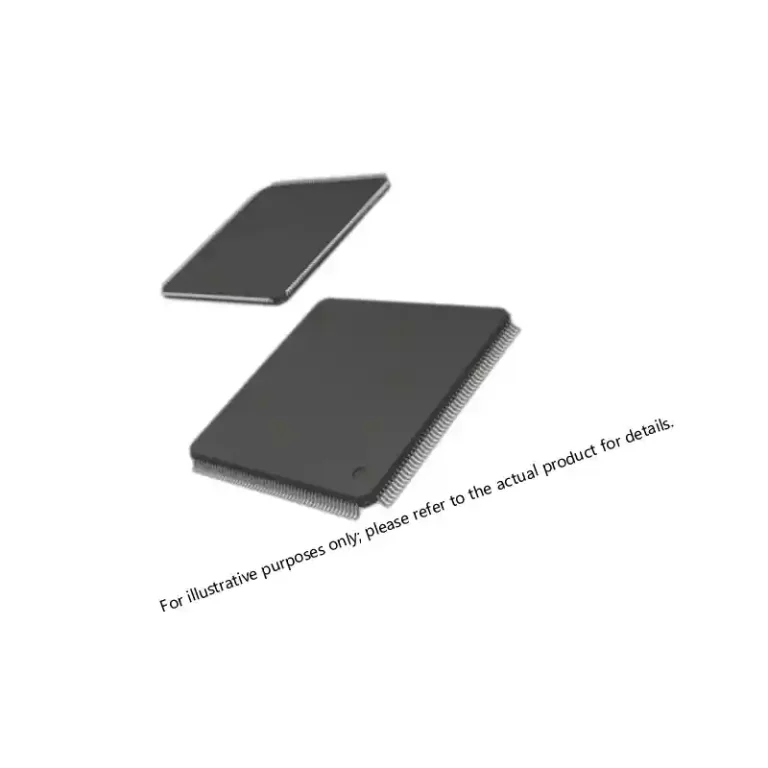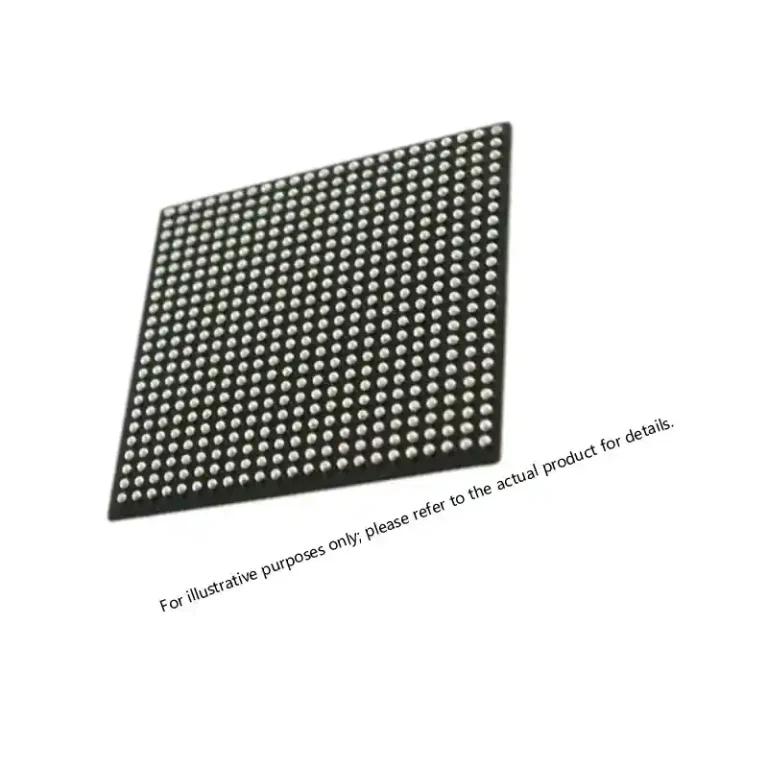
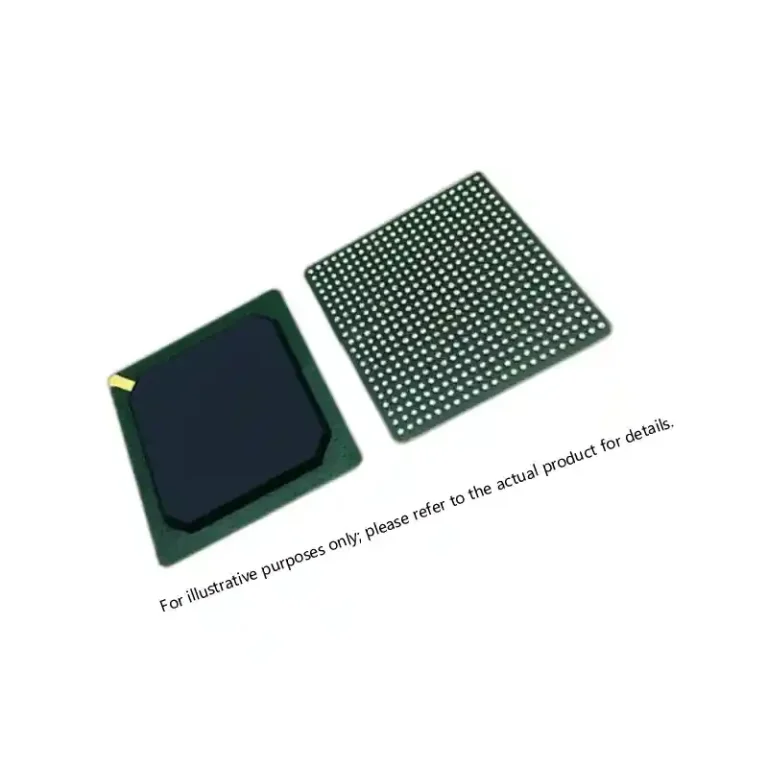
Military FPGAs for Secure Communications: Selection Criteria
Table of Contents
- What Should Secure Communications Programs Look for in a Military FPGA?
- Which FPGA Architecture Fits Encrypted Tactical Data Paths?
- How Are Military FPGAs Qualified for Secure Communications?
- What Screening Level Should Buyers Verify First?
- Where Does Secure Configuration Storage Fit in Qualification?
- What Sourcing and Lifecycle Factors Protect Long-Running Programs?
- What Should You Check Before Locking a Military FPGA Source?
- Common Questions About Military FPGAs for Secure Communications
- Does a secure communications design always need a QML-qualified FPGA?
- Can an upscreened commercial FPGA replace a military FPGA in a secure radio?
- What matters more for secure communications: logic density or configuration security?
- How do we manage long-lead or obsolete military FPGAs in a secure communications program?
Military FPGAs for secure communications are selected on different evidence than general-purpose logic devices. The deciding factors are configuration security, qualification level, and supply-chain continuity, because in tactical radios and encrypted data links the FPGA usually sits between the RF front end and the processing complex. That position makes any unverified device a single point of compromise. After twelve years of sourcing hi-rel components for defense programs, I now ask for the security architecture and screening package before I ask about density. Selecting by logic capacity alone has caused more schedule slips than any device shortage I have seen.
What Should Secure Communications Programs Look for in a Military FPGA?
Every secure communications design has a threat model that should drive the device shortlist. A radio that stores crypto keys on board has different requirements from a wideband SIGINT receiver that only processes digitized samples. Buyers who start with the data sheet logic count usually have to revisit the selection after the security review.
The first checkpoint is configuration memory. Flash-based FPGAs keep the bitstream on chip, which simplifies anti-tamper reviews and removes the external SPI flash component as an attack surface. SRAM-based FPGAs deliver higher logic density and DSP capability for complex waveforms, but they require an authenticated and encrypted boot path from external configuration storage. If the program cannot define that boot path early, the device choice is not final.
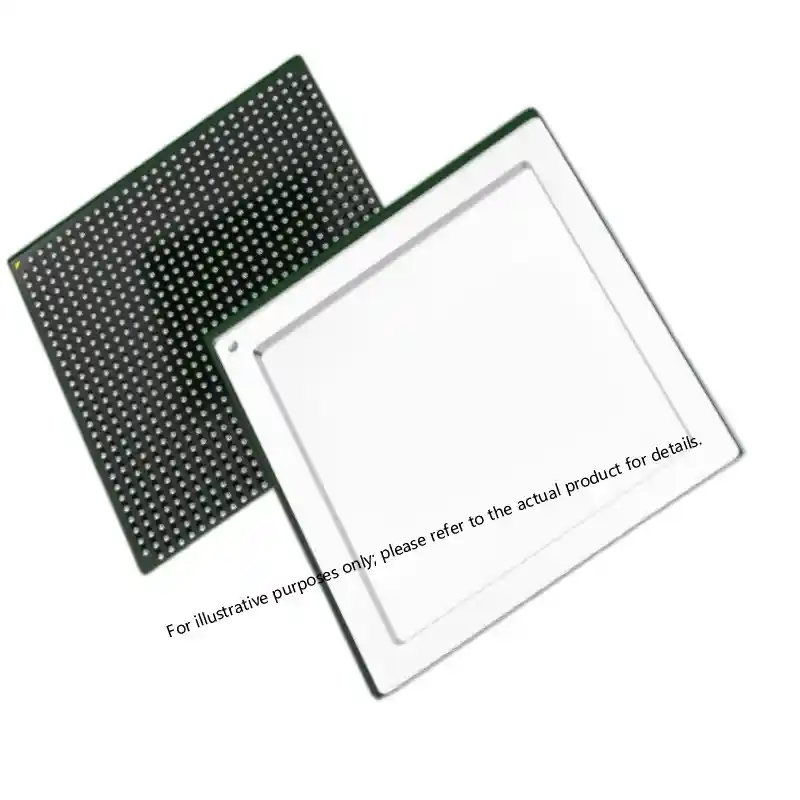
The second checkpoint is qualification evidence. Military FPGAs should be sourced with the exact screening level the program requires, not with a commercial data sheet and a promise of upscreening later. MIL-PRF-38535 QML devices, 5962-series parts, and controlled baseline lots carry different documentation weight. I ask buyers to send the program requirement first, because a QML part that cannot be traced to a lot is not a QML part in practice.
Which FPGA Architecture Fits Encrypted Tactical Data Paths?
The secure communications segment splits into three practical architecture groups: flash-based FPGAs for control plane and lower power radios, SRAM-based high-density devices for software-defined radio and wideband processing, and SoC FPGAs when the design needs hardened embedded processors or cryptography blocks in a single device. The table below applies those groups to the tradeoffs that matter most.
| Architecture type | Typical secure communications use | Configuration storage | Key selection factor |
|---|---|---|---|
| Flash-based FPGA | Radio control planes and encryption state machines | On-chip, no external bitstream | Tamper resistance and single-chip security |
| SRAM-based FPGA | High-throughput SDR and wideband waveform processing | External flash or processor-fed | DSP resources and serial link density |
| SoC FPGA | Encryption offload and network processing | On-chip or external | Mixed control plane and data plane integration |
| Radiation-tolerant FPGA | Airborne and space segments of secure links | Vendor-dependent | Environment dominates device selection |
Flash-based devices are easier to defend at the configuration boundary because there is no external bitstream file moving between boards during production. In a secure voice terminal, that difference can decide whether the security acceptance test closes in days or weeks. For a multi-channel SDR, the pressure shifts to DSP slices, transceiver count, and high-speed serial links, which is where SRAM-based military FPGAs dominate. SoC FPGAs solve a mixed problem: they handle encryption offload and network processing alongside programmable fabric, but the qualification package becomes more complex because the hard processor cores and the fabric must satisfy the same screening level. Programs carrying radiation or high-altitude requirements should place environment first and then revisit the architecture tradeoffs.
How Are Military FPGAs Qualified for Secure Communications?
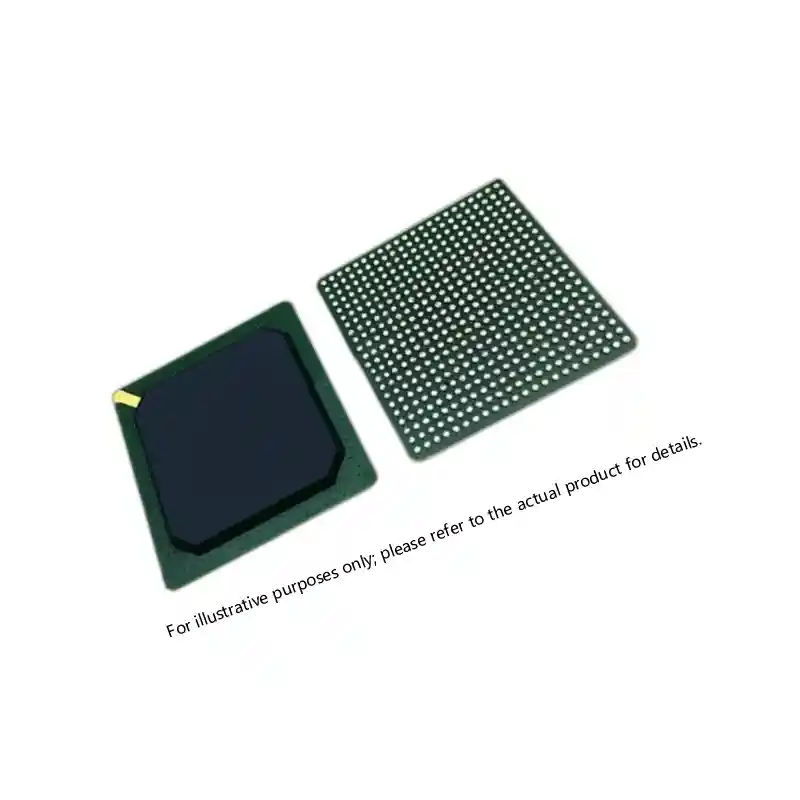
Qualification is where many sourcing decisions go wrong. A secure communications program should not accept the manufacturer’s commercial qualification as a substitute for the military screening level the program authority has specified. QML devices under MIL-PRF-38535 and 5962-series parts carry lot traceability and certification that commercial parts do not. Buyers should verify the exact device number, package, and screening class before comparing prices from different sources, because mixed lot and upscreened commercial replacements can carry different material sets.
What Screening Level Should Buyers Verify First?
Start with the program’s parts control board or equivalent requirement. If the drawing calls for QML Class Q or Class V, only devices with that marking and the corresponding Certificate of Conformance should be quoted. A distributor that cannot supply the C of C and lot documentation at quotation time is guessing, not sourcing. In secure communications systems, the FPGA often interacts with cryptographic components, so the screening baseline must be consistent across the whole BOM, not just the most exotic IC.
Where Does Secure Configuration Storage Fit in Qualification?
Configuration memory is part of the FPGA supply, not a separate afterthought. For SRAM-based parts, the external flash or processor-fed boot path must be included in the security and qualification review. For flash-based parts, the buyer should still confirm that the device is in the required temperature grade and that the configuration memory cells meet the program’s retention and endurance expectations. I have seen secure communications programs approve an FPGA while leaving the configuration memory unqualified, which creates a compliance gap that surfaces at first article inspection.
What Sourcing and Lifecycle Factors Protect Long-Running Programs?
Military FPGAs for secure communications live inside programs that can run for ten to twenty years. The component decision therefore has to account for obsolescence, wafer and die availability, and alternate source planning from the beginning, not after a discontinuation notice appears. A device with the right architecture but a weak industrial supply chain will eventually become the program’s biggest schedule risk.
Three factors matter: lot traceability, configuration memory and support components, and long-term availability. The distributor should be able to show where each lot came from, how long it has been stored, and whether the packaging and moisture controls were maintained. The FPGA alone does not make a functional secure data path; missing boot flash or clocking devices can stop production just as easily. If the device is single sourced and already near end-of-life, the buyer needs a last-time-buy or die banking decision before the design is locked.
If your program involves a mixed lot, a second-source risk, or a configuration memory qualification gap, it is worth confirming part number, date code, and available documentation before finalizing the BOM. Send those details to xuansc2144@gmail.com.
What Should You Check Before Locking a Military FPGA Source?
The most avoidable failure in secure communications sourcing is locking a BOM to a part number before the qualification and traceability evidence is in front of the program team. I see this in both small defense contractors and large primes: the engineering team selects a device on technical merit, procurement chases price and availability, and the compliance gap appears only when the documentation audit starts. That gap usually costs more time than the original component decision saved.
Sparkle Electronics carries hi-rel FPGA, ADC/DAC, memory, and power module inventories for defense programs, and we treat configuration memory and support components as part of the same supply package. Before you commit, send your part number, quantity, and required qualification level to xuansc2144@gmail.com. We will confirm stock position, screening documentation, and lot provenance so your next design review has the evidence it needs.
Common Questions About Military FPGAs for Secure Communications
Does a secure communications design always need a QML-qualified FPGA?
Not always. The program requirement controls the answer. If the system must be qualified to MIL-PRF-38535 or covered by a controlled baseline, order only QML-marked devices with clear lot documentation. For development, breadboards, or platforms with lower assurance requirements, a commercial or industrial device may be acceptable for early work. The mistake is letting a development part flow into production without a qualification review. Confirm the class your parts control board requires before quoting.
Can an upscreened commercial FPGA replace a military FPGA in a secure radio?
It depends on the failure mechanisms and the program’s qualification basis. Upscreening can close some temperature and electrical test gaps, but it does not recreate the original controlled baseline or wafer lot segregation. In encrypted data paths, the boot security and configuration memory still have to be resolved separately. If the program accepts risk-based qualification with full documentation, upscreening may be viable for a limited build. If the requirement is full QML compliance, it will not. Ask your supply partner to show the screening report before you treat the part as equivalent.
What matters more for secure communications: logic density or configuration security?
Many engineers start by comparing logic density, but configuration security causes more compliance failures in secure communications. A dense FPGA with an unauthenticated boot path can be attacked at the configuration boundary before any crypto function runs. A smaller flash-based part with on-chip configuration memory is easier to defend. Density becomes the deciding factor only after the boot path, key storage, and tamper response are defined. Programs that rank density first often redesign the board when the security review catches the external bitstream exposure.
How do we manage long-lead or obsolete military FPGAs in a secure communications program?
In long-running secure communications programs I work with, the most practical move is a controlled last-time buy or die banking decision before the part stops being available. That requires the distributor to hold or supply from a traceable lot with documented storage conditions. When an exact replacement is unavailable, a drop-in with the same pin-out, configuration approach, and screening class may work, but the security review must be repeated because the boot path is different. Share your part number and remaining forecast, and we will confirm what can be secured from the available supply.
If you’re interested, check out these related articles:
UltraScale KU085 FPGA Specifications for Defense Systems
Virtex-7 690T FPGA: Performance, Packaging, and Reliability Insights
Virtex-7 690T FPGA: Performance for Mission-Critical Systems