Military Part Number Decoder: How to Read 5962 Devices
Table of Contents
- How Is a 5962 Military Part Number Structured?
- What Does the Device Type Field Tell You?
- How Do You Read the Case Outline and Lead Finish in a 5962 Part Number?
- Which Test and RHA Characters Change Procurement?
- What Should Buyers Verify Before Using a Military Part Number Decoder?
- What Questions Do Buyers Ask About 5962 Decoding?
- Is the part number alone enough to confirm compliance?
- What is the difference between 5962 and MIL-SPEC?
- Does an RHA designator guarantee radiation performance?
- How do you tell if a 5962 part is obsolete?
A military part number decoder that only splits the digits solves half the problem. The 5962 series follows MIL-PRF-38535, but the risk sits in the fields buyers skip: radiation hardness assurance, case outline, lead finish, and the manufacturer-specific drawing path. If you treat a decoded part number as a qualification certificate, you can order a device that looks identical and fails source inspection. After working with defense contractors across 30+ countries, we see the same failure mode repeated. A part number is a verification chain. The decoder is the first link, not the last.
How Is a 5962 Military Part Number Structured?
The 5962 prefix identifies a microcircuit procured to a standardized military drawing rather than a vendor catalog number. In practice, a full 5962 part number is not one string; it is a stack of four to five decisions. The first is the drawing and device type, which locks the electrical function. The second is the radiation hardness assurance designator, where one letter changes total dose tolerance and screening. The third is the cast of physical characters: case outline, lead finish, and sometimes lead trimming. The fourth is the manufacturer or source identifier, which tells you whether the source is on the qualified manufacturers list.
| Field | What It Confirms | Sourcing Impact |
|---|---|---|
| 5962 prefix | Standardized military drawing | No vendor substitution |
| RHA designator | Total dose tolerance | Radiation-hardened option |
| Device type | Electrical function | Wrong type fails BOM |
| Case outline and lead finish | Physical and board compatibility | Package mismatch stops assembly |
| Manufacturer identifier and test lot | QML qualification and traceability | Source inspection risk |
The key point from a sourcing perspective is that the 5962 number is not a finished part. It is a reference to a drawing controlled by DLA Land and Maritime. When two manufacturers build to the same drawing, the resulting parts are electrically interchangeable, but the quality level and screening history can differ. We treat the decoded number as the entry point, then verify the drawing revision and manufacturer before quoting.
What Does the Device Type Field Tell You?
Device type is the field most engineers read first, and for good reason. It maps the part to a specific electrical function: a comparator, a dual RS-422 line receiver, an octal buffer, a precision ADC. A small digit shift can change input voltage range, speed grade, or package. In our quoting work, we have seen multiple RFQs where the device type matched but the drawing revision was older than the program requirement. The result was a part that met the printed number but not the current QML listing.
A military part number decoder that stops at the device type misses drawing revision risk. From a buyer’s perspective, device type verification means checking two documents: the SMD drawing itself and the manufacturer’s datasheet. The datasheet is not the controlling document for a 5962 part. The SMD is. If there is a conflict, the SMD wins.
How Do You Read the Case Outline and Lead Finish in a 5962 Part Number?
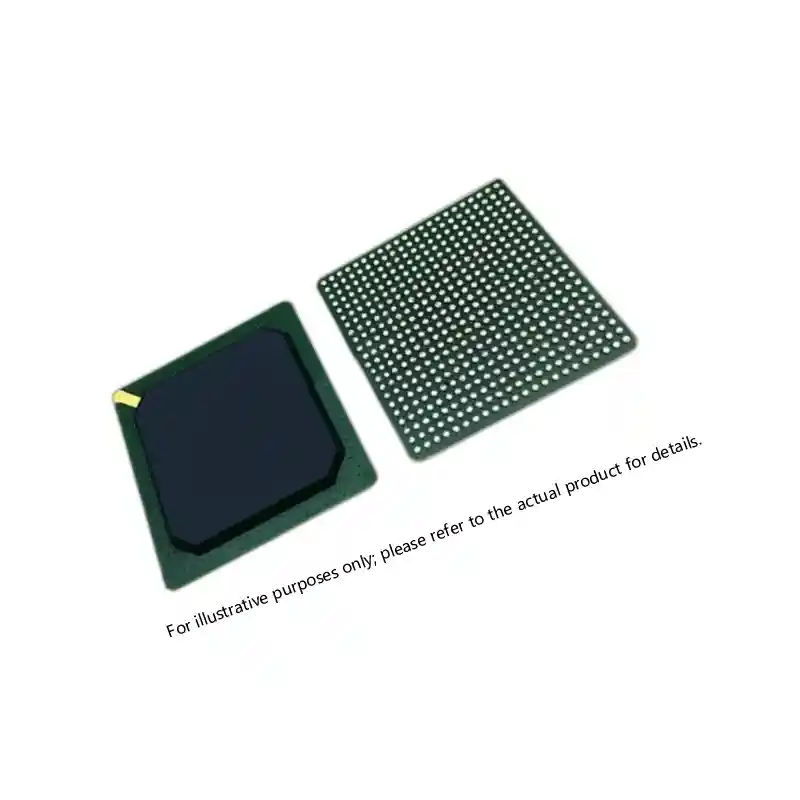
Case outline and lead finish are usually the final letters in the part number, but I repeat the caution: they are not universal. One drawing may use A for gold, another for hot solder dip. That is why we never decode these fields without the exact drawing. For ceramic packages in long-life defense programs, lead finish drives storage conditions, soldering windows, and dew point limits. A hot-solder-dipped lead will have a different shelf life than a gold-plated lead under humid storage.
If your program involves long-duration storage or mixed lead finishes, it is worth confirming the exact suffix against the current drawing before finalizing your BOM. Send the part number and quantity to xuansc2144@gmail.com and we will confirm the case outline and finish from the controlling SMD.
Which Test and RHA Characters Change Procurement?
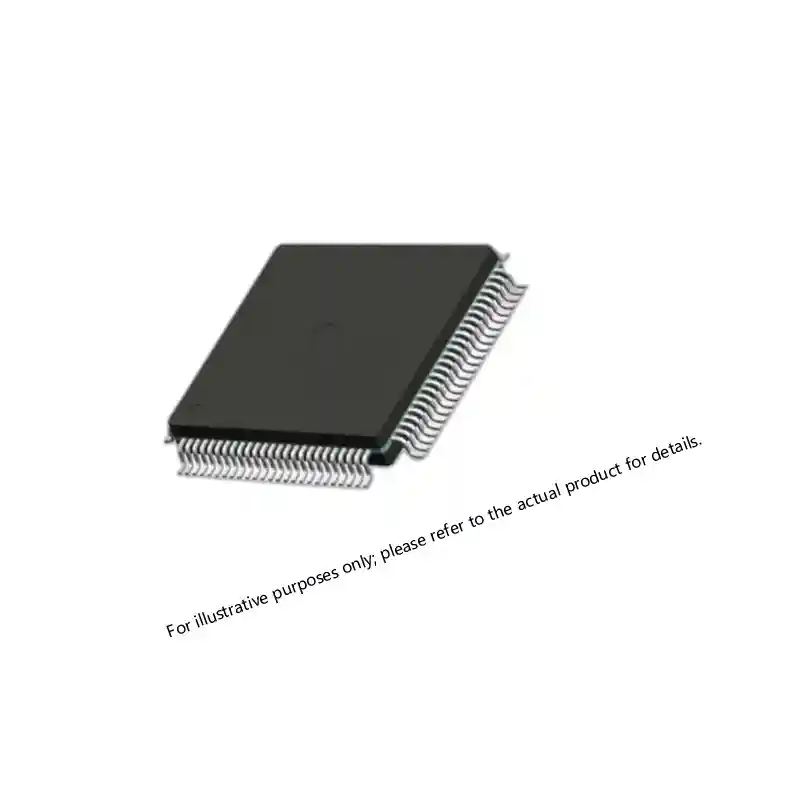
RHA designators appear where the drawing has a radiation requirement: M, D, R, and others correspond to total dose levels defined in MIL-STD-883 Method 1019, but the exact level is drawing-specific. For space and strategic systems, a one-letter difference can move the part from a standard military device to a radiation-hardened one. Screening flow, single event effects, and lot conformance all change. Class Q devices meet military quality levels, Class V devices meet space-level requirements, and the 5962 drawing plus RHA designator decides which path applies.
Compliance documentation follows the test flow, not the part number alone. Buying a 5962 with an RHA designator is not enough unless the certificate of conformance references the drawing, lot date code, and test method. We ask for the datasheet plus QML qualified product list entry. For space-grade parts, we also ask for Group B and Group D test data because the difference between a compliant part and a nonconforming one often appears only in those lots.
What Should Buyers Verify Before Using a Military Part Number Decoder?
At Sparkle Electronics, a military part number decoder works when it is paired with three verifications. First, confirm the drawing revision is current. A decoded number from an old SMD can lead to an obsolete or superseded device type. Second, confirm the manufacturer appears on the QML or qualified suppliers list. Third, confirm traceability to lot date code and certificate of conformance before accepting inventory.
From our sourcing work, the parts that cause the most rework are not counterfeit in the dramatic sense. They are genuine parts with outdated drawing references or missing lot-level test data. That gap is invisible if you stop at the part number.
If you are sourcing 5962 devices for a defense program, the fastest way to close the gap between a decoded part number and a compliant deliverable is to send the part number and quantity to xuansc2144@gmail.com. We will confirm the current drawing, manufacturer status, and lot traceability before quoting. You are not sending an RFQ into a queue; we treat every part number as a verification chain.
What Questions Do Buyers Ask About 5962 Decoding?
Is the part number alone enough to confirm compliance?
No. The part number encodes the requirement; it does not prove the lot passed the tests. You need a certificate of conformance tied to the lot date code and the drawing revision. Without that linkage, the part number is only a reference. We have rejected inventory that matched the number but carried documentation from a different lot.
What is the difference between 5962 and MIL-SPEC?
5962 is one drawing series within the broader MIL-SPEC system, so the two terms are not interchangeable. A MIL-SPEC device may be built to MIL-PRF-38535 or another slash sheet, while a 5962 part references a specific standardized military drawing. Buyers should state the drawing, device type, and case outline together to avoid receiving a component that meets a generic specification but not the exact SMD.
Does an RHA designator guarantee radiation performance?
It depends on the drawing and the lot test data. An RHA letter encodes a total dose requirement, but the drawing specifies the exact level and test condition. A part with the correct RHA designator but no lot-specific radiation test report is not automatically qualified for your program. If radiation tolerance is a requirement, request the radiation test data along with the certificate of conformance.
How do you tell if a 5962 part is obsolete?
In programs we have sourced, a part can look active in a broker listing but be superseded in the SMD. The best check is to look up the current drawing revision, not the part number alone. If the device type has been replaced, the SMD will identify the superseding part or establish last-time-buy conditions. Share your 5962 part numbers and target quantity with xuansc2144@gmail.com and we will confirm current drawing status before you commit.
If you’re interested, check out these related articles:
Virtex-7 690T FPGA: Performance, Packaging, and Reliability Insights
Virtex-7 XC7VX690T: Performance, Reliability, and Integration
XCKU085 UltraScale FPGA: Performance for Critical Systems
Virtex-7 XC7VX690T: Performance and Reliability Insights
XC7VX485T Virtex-7 FPGA: Performance and Sourcing for Defense