Military IC Traceability: Chain of Custody & Certification
Table of Contents
- Why Military IC Traceability Is Non‑Negotiable
- Core Certifications That Anchor Military Component Traceability
- How Independent Distributors Maintain Full Traceability
- Verifying Traceability Documentation Before You Buy
- Managing Traceability for Obsolete and Long‑Lead‑Time Military ICs
- Common Questions About Military IC Traceability
A single counterfeit integrated circuit inside a radar processor or missile guidance unit can turn a multimillion‑dollar defense program into a safety incident. Over twelve years in military‑grade component sourcing, I have seen procurement teams treat traceability as an afterthought until an inspection failure forced a line‑down situation. Military IC traceability is not paperwork overhead. It is the only verifiable proof that the part sitting in your avionics bay or shipboard system is exactly the device the OEM shipped, screened to the correct MIL‑SPEC, and handled through an unbroken chain of control from wafer fabrication to your receiving dock.
Why Military IC Traceability Is Non‑Negotiable
When a defense contractor accepts a tray of MIL‑PRF‑38535 devices without demanding a complete chain‑of‑custody record, the risk is invisible until it materializes. Counterfeit components in military supply chains regularly carry correct marking and packaging while containing recycled or completely different die. I have seen lot‑date mismatches discovered during incoming inspection that, if missed, would have put sub‑screened commercial parts into a weapons targeting system. The only protection against that failure mode is end‑to‑end traceability that links every component back to the original wafer lot, assembly site, and test record.
Traceability is also the primary defense against gray‑market dilution. Once a component leaves an authorized channel and passes through multiple intermediaries, gaps in custody destroy the evidence trail that procurement auditors rely on. Without that trail, the burden shifts entirely to costly and time‑consuming destructive testing, and even then, a pass does not guarantee that the lot is coherent. The countermeasure, proven across countless defense programs, is simple: the distributor must provide a documentary chain that survives audit scrutiny.
Core Certifications That Anchor Military Component Traceability
Traceability documentation is only as strong as the standards it references. The following certifications and specifications form the minimum documentary backbone for any military‑grade electronic component order.
| Document / Standard | What It Proves | Where It Appears |
|---|---|---|
| Certificate of Conformance (C of C) per MIL‑DTL‑3882 | Declares that the delivered parts conform to the specified military standard or drawing, with traceable lot/date code | Required with every shipment; must reference the applicable MIL‑SPEC or SMD number |
| MIL‑PRF‑38535 QML Certification | Confirms that the component was manufactured, screened, and qualified under the Qualified Manufacturers List program for monolithic microcircuits | Applies to 5962‑series and other QML‑listed devices; the manufacturer’s QML status must be current |
| Lot Acceptance Test Report (LAT) | Documents the results of electrical and environmental testing performed on a sample from the delivered lot | Required for high‑reliability applications; links test data to specific date and lot codes |
| AS6081 / AS9120 Distributor Certification | Demonstrates the distributor operates a quality management system for detecting counterfeit parts and maintaining traceability in the independent distribution channel | AS6081 is specific to electronic component distributors; AS9120 covers aerospace distribution quality |
| DFARS 252.225‑7008 Compliance | Mandates that the source of electronic parts is not a prohibited country, with traceability to the country of origin | Appears in contract flow‑downs and supplier representations |
In practice, procurement teams should require the entire package: C of C with manufacturer‑issued lot data, LAT report for the delivered batch, QML status confirmation, and the distributor’s current certification to AS6081 or AS9120. If any element is missing, the traceability chain is incomplete.
How Independent Distributors Maintain Full Traceability
A persistent misconception is that only OEM‑direct procurement guarantees traceability. In reality, an independent distributor with the right processes and accreditations can provide traceability that meets the same audit standards, including for parts no longer available from the original manufacturer.
I have built our own incoming inspection flow at Sparkle Electronics around three non‑negotiable verification steps. First, every inbound lot is inspected against the supplier’s provided documentation before it enters inventory. Second, date codes and lot codes are cross‑referenced against manufacturer lot history where available, and any discrepancy triggers full lot rejection. Third, all documentation — C of C, LAT reports, QML certificates, and chain‑of‑custody records — is digitized and retained for the full required retention period, not just for the duration of the current contract.
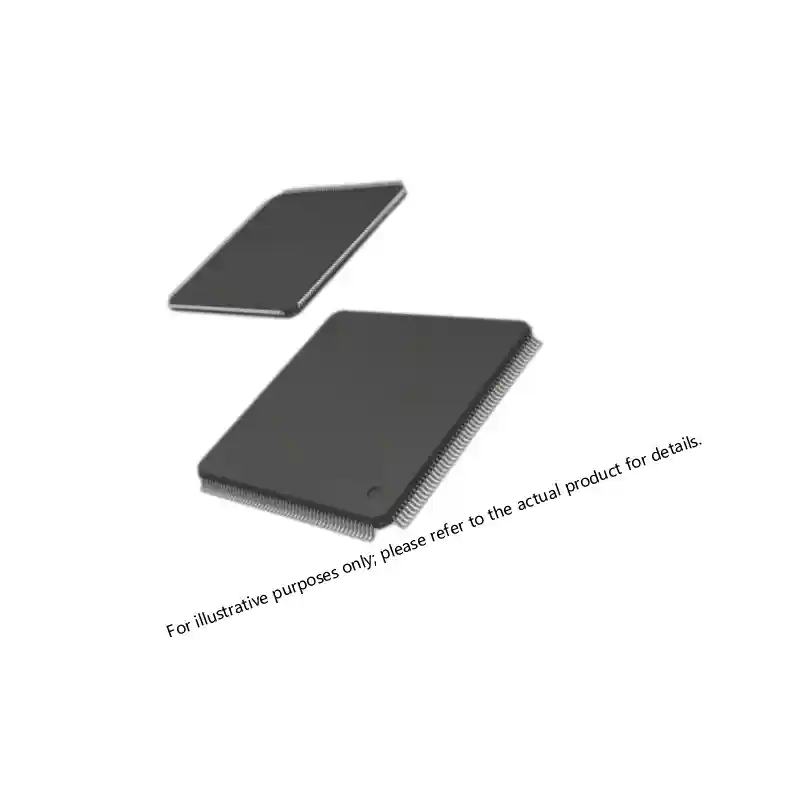
The key differentiator is that an independent distributor cannot claim OEM‑fresh supply for every part number but can transparently disclose the provenance — whether it is surplus from an authorized program, leftover from a certified EMS, or sourced from another AS6081‑certified supplier — and back that up with verifiable documentation. For a procurement engineer evaluating a BOM that includes long‑lead‑time FPGAs or memory ICs, that transparency is what turns a sourcing risk into a managed supply option.
Verifying Traceability Documentation Before You Buy
Asking for documentation is one thing; verifying its integrity is where many teams lose rigor. I recommend a four‑point checklist before approving any military‑grade component shipment:
- Cross‑check date/lot codes against the C of C and LAT report. The codes on the physical package must match exactly what the documents list. Any mismatch, even a single digit, stops the transaction.
- Confirm the distributor’s AS6081/AS9120 certificate is current and not self‑declared. Verify the certification body is accredited.
- Request photographic evidence of the actual parts with legible marking. This deters substitution between inspection and shipment and is now standard practice in defense procurement.
- Trace the chain of custody backward at least one step. If the part did not originate from the OEM directly, ask who the previous owner was and what documentation exists for that transfer. A credible distributor will have that record.
This audit‑level rigor may add a few days to the procurement cycle, but it eliminates the most common traceability failure — accepting a paperwork package that looks complete at a glance but collapses under detailed review.
Managing Traceability for Obsolete and Long‑Lead‑Time Military ICs
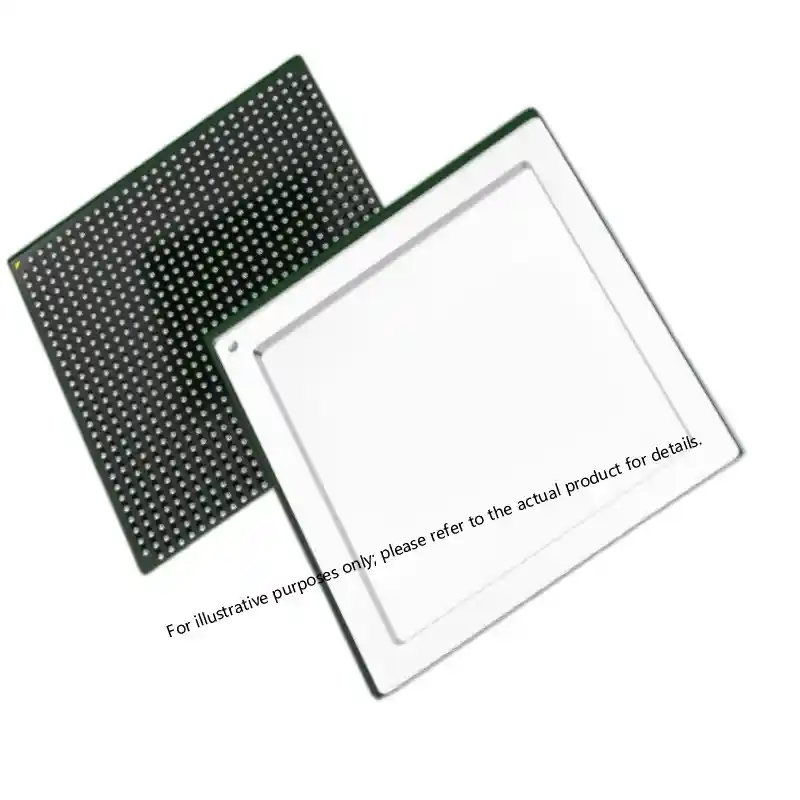
When a military program outlives the production run of a critical FPGA or ADC, traceability enters a different risk category. OEM traceability may no longer be obtainable, and residual inventory moves through secondary channels that do not always preserve chain‑of‑custody records.
In these cases, additional safeguards become mandatory. I have sourced EOL FPGAs for airborne radar programs by requiring the following from any supplier: full date‑code and lot‑code consistency across the offered quantity, visual inspection photographs with 40× magnification showing marking authenticity, and a sample test plan that includes X‑ray inspection and electrical verification at temperature. If the supplier cannot provide that, the parts do not enter the program’s approved vendor list.
Independent distributors that specialize in long‑duration military IC supply, such as Sparkle Electronics, maintain controlled storage conditions and document every movement of high‑reliability parts from receipt through final shipment. This creates a continuity of custody that is often absent from one‑off surplus sellers.
Common Questions About Military IC Traceability
Does a Certificate of Conformance alone guarantee traceability?
No. A C of C is only as reliable as the lot‑code linkage and the issuer’s quality system. Without an LAT report, QML certification, or chain‑of‑custody records, a standalone C of C provides no defense against counterfeiting.
Can an independent distributor really provide traceability for obsolete military parts?
Yes, when they operate under AS6081 or AS9120 and maintain an auditable document archive. Traceability for obsolete parts depends on lot‑code consistency and retained provenance records from when the parts left the OEM channel, not on active OEM endorsement.
What is the single most overlooked traceability gap in defense procurement?
Missing lot‑test correlation. Many teams accept a C of C without verifying that the LAT report references the same date and lot codes as the parts in hand. That disconnect is where counterfeit substitution hides.
How should I handle traceability if my program uses second‑source or form‑fit‑function replacements?
Treat each source as a separate traceability chain. Even if the replacement is functionally identical, its provenance must be independently verified. Never assume one supplier’s paperwork covers another’s parts.
What verifiable steps does Sparkle Electronics take to ensure traceability?
We perform incoming inspection on every lot, match date/lot codes against manufacturer records, retain full documentation, and supply photographic evidence with shipment. Our AS6081 accreditation requires annual third‑party audits. If your program requires a specific traceability package, share your BOM and we will confirm what documentation exists before you commit.
If you’re interested, check out these related articles:
Virtex-7 XC7VX690T: Performance and Reliability Insights
XC7VX485T FPGA: Virtex-7 Performance for Defense
XCKU115 UltraScale FPGA: Powering Critical Defense Systems