Sourcing DDC MIL-STD-1553 ICs for Defense Avionics Programs
Table of Contents
- Why Does Your Avionics Program Need DDC MIL-STD-1553 ICs?
- Which DDC MIL-STD-1553 ICs Fit Your Bus Controller and Remote Terminal Requirements?
- How Do You Verify Authentic DDC MIL-STD-1553 ICs Before They Ship?
- What Buying Terms Prevent Shortages and Counterfeit Risk?
- Where Can You Confirm DDC MIL-STD-1553 Supply Before Committing?
- What Should You Ask Before Ordering MIL-STD-1553 ICs?
- Are DDC MIL-STD-1553 ICs still available for long-term defense programs?
- Is an integrated BC/RT/MT device always the right choice?
- How do I know if a MIL-STD-1553 device is authentic?
- Does buying from an independent distributor weaken traceability?
DDC MIL-STD-1553 ICs sit at the center of avionics data buses that defense programs cannot afford to redesign. A part number is only the starting point: terminal role, transceiver pairing, package temperature range, and the documentation trail determine whether a quote is actually usable. Most procurement delays I see come from mixed terminal requirements and incomplete lot traceability, not from a missing device. Risk, not unit price, should drive the sourcing decision.
Why Does Your Avionics Program Need DDC MIL-STD-1553 ICs?
MIL-STD-1553 remains in service because it is deterministic, dual redundant, and transformer coupled. It runs a 1 Mbps Manchester II encoded bus with up to 31 remote terminals, and it still appears in flight control, navigation, stores management, and mission computer interfaces. In a defense avionics upgrade, the bus silicon is usually fixed long before the BOM is released. Replacing an incumbent terminal device with a different architecture creates hardware re-layout, software retest, and EMI recertification work that outweighs any unit cost difference. Procurement teams therefore treat the original manufacturer’s terminal parts as a constraint rather than an interchangeable line item.
Which DDC MIL-STD-1553 ICs Fit Your Bus Controller and Remote Terminal Requirements?
The first split is terminal role. A bus controller directs all traffic, a remote terminal responds only when addressed, and a bus monitor listens without transmitting. Many current designs consolidate all three roles in a single package, which reduces board area but locks the electrical interface. The second split is transceiver integration. Some devices expose digital protocol pins and require external transformer-coupled transceivers, while others integrate that function. That choice changes isolation, stub loading, and fault tolerance behavior.
| Terminal Role | What It Does | Procurement Impact |
| Bus Controller (BC) | Controls all bus traffic | Firmware and software stack matter most |
| Remote Terminal (RT) | Responds when addressed | Must match subsystem address and status word handling |
| Bus Monitor (MT) | Listens without transmitting | Usually shares silicon with BC or RT |
| Integrated BC/RT/MT | Covers all roles in one package | Simplifies BOM but changes second-source options |
If your design already locks a terminal configuration and transceiver pairing, it is worth confirming the exact dash number and bus loading before finalizing the BOM. Send your part number and quantity to xuansc2144@gmail.com and Sparkle will confirm date code, traceability, and lead time.
How Do You Verify Authentic DDC MIL-STD-1553 ICs Before They Ship?
Authentication starts before price. I want a certificate of conformance, the lot date code, and a clear chain of custody from the authorized source or a documented independent stock position. When we inspect incoming military parts at Sparkle, we check package marking, lead finish, and label consistency against the datasheet and the C of C. A single mismatched date code or missing lot identifier is enough to quarantine the line. That discipline matters because most counterfeits enter through documentation shortfalls, not obvious mechanical damage.
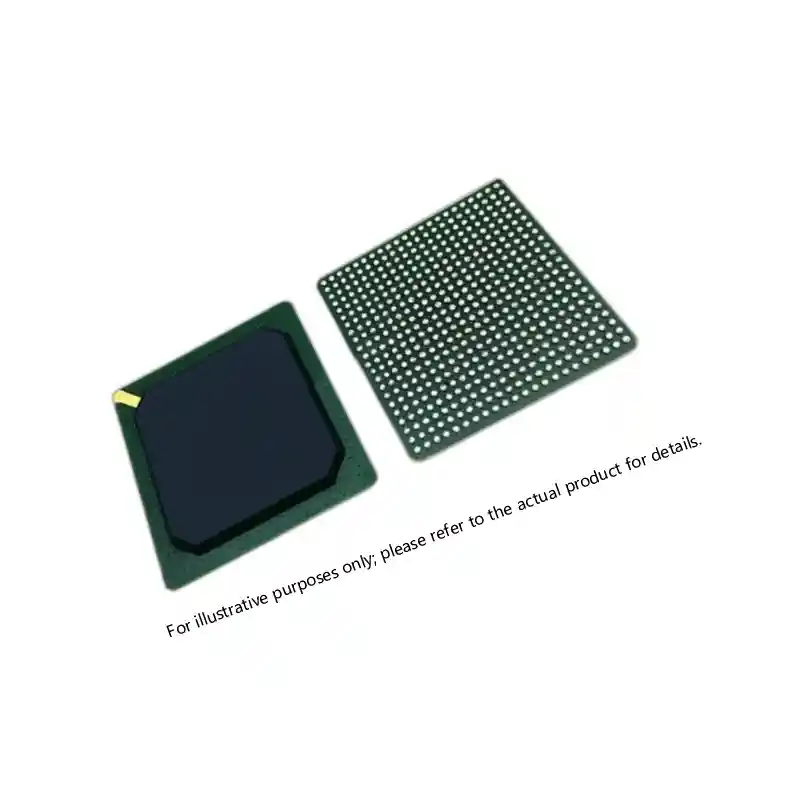
For flight-critical LRUs, request pre-ship photos of the top marking and the reel or tray label before payment. If the seller cannot produce both the C of C and a lot-specific photo, the lower unit price is not worth the downstream risk.
What Buying Terms Prevent Shortages and Counterfeit Risk?
In defense avionics programs I have handled, the most serious exposure was not unit price but receiving a last-time-buy notice after the production forecast was already locked. The buying terms matter more than the unit cost. I recommend fixing the date code window, minimum lot quantity, source inspection option, and cancellation terms at quote stage. For long-duration programs, reserve a safety stock position and put a second-source validation path in the plan while the current device remains available.
Diminishing Manufacturing Sources and Material Shortages planning should not begin when the part is already on a discontinuance list. If the DDC MIL-STD-1553 configuration in your BOM is old, the safer move is to buy from a documented stock position with a fixed date code rather than waiting for a factory schedule that may not restart. This is not about stockpiling every part; it is about isolating the few bus devices that are single-sourced in the design.
Where Can You Confirm DDC MIL-STD-1553 Supply Before Committing?
Too many quote requests stop at unit price and ignore whether the device can actually be delivered with the documentation a program requires. The gap appears later as rejected incoming inspection or a line stop. Sparkle Electronics carries hi-rel components for defense avionics and verifies lot history, date codes, and C of C documentation before shipment. Send your part number, annual quantity, and required date code to xuansc2144@gmail.com. We will confirm stock, lead time, and the documentation package before you lock the order.
What Should You Ask Before Ordering MIL-STD-1553 ICs?
Are DDC MIL-STD-1553 ICs still available for long-term defense programs?
Yes. These devices remain available through authorized and independent channels, but availability varies by terminal configuration, package, and date code. For long-running programs, the real question is whether your exact dash number is in an active production slot or has shifted to last-time-buy status. I ask teams to confirm lifecycle status and lead time at quote stage rather than after design freeze. If the design uses an older package variant, a documented stock position with a traceable date code is often the safest route.
Is an integrated BC/RT/MT device always the right choice?
There is a common assumption that combining bus controller, remote terminal, and monitor functions in one package automatically reduces risk. That is not always true. Integration saves board space and simplifies one part of the BOM, but it can create a single point of supply and force a larger requalification if the package goes obsolete. The better decision starts with the bus topology and the program’s required service life. If the design expects long production and maintenance, compare the integrated option against a separate transceiver architecture before locking the component.
How do I know if a MIL-STD-1553 device is authentic?
In inspection, the first thing we check is not the electrical specification but the physical and documentary record. A genuine device will have consistent marking, a traceable date code, and a C of C that ties back to the lot. Counterfeit or reworked parts often fail on label font, pin finish, or date-code consistency before any electrical test. We also compare re-ship photos against the datasheet package outline. If the lot history is incomplete, we quarantine the line and do not release it to a customer.
Does buying from an independent distributor weaken traceability?
It depends on how the distributor handles records and source of supply. A weak channel will offer a part number and a price with no lot-level evidence, which weakens traceability. A disciplined distributor will produce the C of C, date code, and full chain of custody before shipment. The key is not the channel type; it is whether the documentation survives an incoming inspection. If you need a specific MIL-STD-1553 configuration, send the part number and required date code to xuansc2144@gmail.com and we will confirm the paperwork before you commit.
If you’re interested, check out these related articles:
A1020B-PG84B ACT2 FPGA: Specs, Sourcing, and Availability
Virtex-7 690T FPGA: Performance, Packaging, and Reliability Insights
Virtex-7 690T FPGA: Performance for Mission-Critical Systems