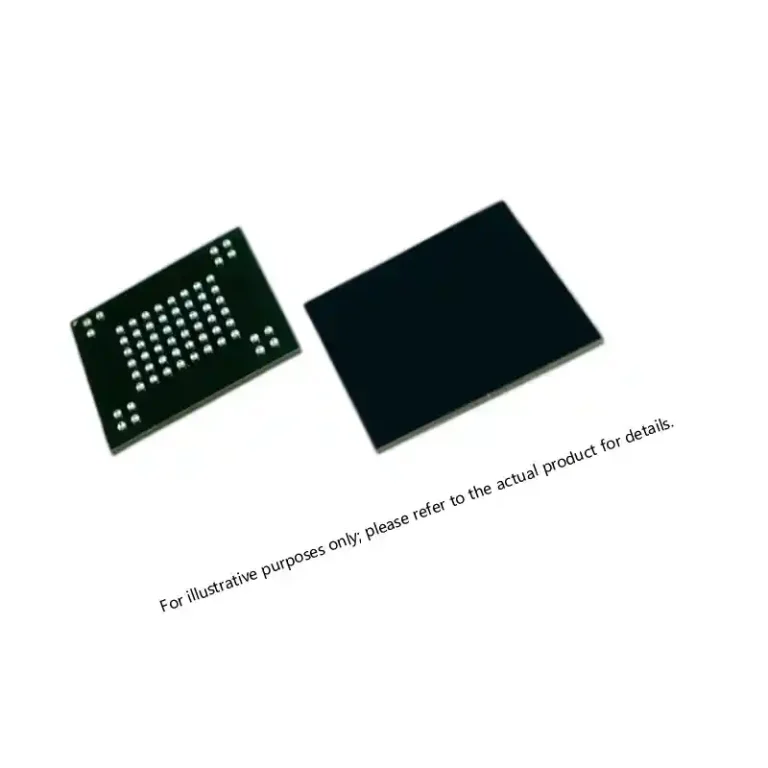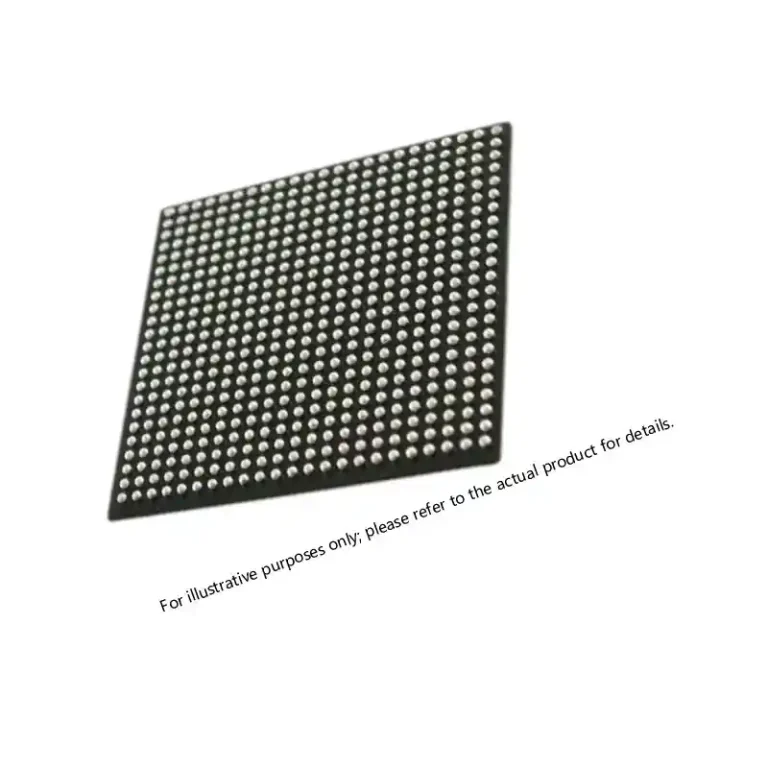

TMS320C6678ACYPA25: C6678 1.25GHz 8-Core DSP Sourcing Guide
Table of Contents
- TMS320C6678ACYPA25 Architecture and Key Specifications
- Why the 1.25 GHz 8-Core DSP Matters for Mission-Critical Signal Processing
- FPGA and DSP Co-Processing: Board-Level Sourcing Considerations
- Authenticity, Traceability, and Compliance for C6678ACYPA25 Procurement
- Expedited C6678ACYPA25 Sourcing Support
- Managing Long Lifecycles and Last-Time Buy Risk
- Request a TMS320C6678ACYPA25 Sourcing Quote
- FAQ
- What does the 25 suffix in TMS320C6678ACYPA25 mean?
- Is TMS320C6678ACYPA25 a military-qualified part?
- What should I look for when buying C6678ACYPA25 in BGA packaging?
- Can the C6678ACYPA25 be paired with an FPGA on the same board?
- How do I avoid counterfeit TMS320C6678ACYPA25 parts?
- References
The TMS320C6678ACYPA25 is the 1.25 GHz speed grade of the TMS320C6678, an eight-core KeyStone-based digital signal processor from Texas Instruments. It is regularly specified in radar processing, electronic warfare, SIGINT, software-defined radio, sonar, and other high-throughput signal chains where deterministic multicore DSP performance is more important than general-purpose CPU flexibility. For procurement teams, the part presents a familiar set of challenges: correct speed-grade verification, BGA package handling, traceability documentation, and long-term supply planning.
TMS320C6678ACYPA25 Architecture and Key Specifications
According to the Texas Instruments data manual [1], the C6678 device integrates eight TMS320C66x DSP cores in a single package. Each core supports both fixed- and floating-point operation, which allows teams to port legacy fixed-point signal processing code and modern floating-point algorithms onto the same silicon [2]. The “25” in the ordering code corresponds to a 1.25 GHz core clock, while the BGA package suffix identifies the mechanical footprint used for board layout and thermal management.
| Parameter | C6678 1.25 GHz DSP |
|---|---|
| DSP cores | 8× C66x |
| Core clock | 1.25 GHz |
| L1P / L1D memory | 32 KB / 32 KB per core |
| L2 memory | 512 KB per core |
| Shared on-chip memory | Multicore shared memory controller |
| External memory | DDR3 EMIF with ECC support |
| Package | BGA |
| Key interfaces | Serial RapidIO, PCIe, HyperLink, Gigabit Ethernet, EMIF16, TSIP |
The high-speed serial interfaces are a key reason the C6678 appears in tightly coupled signal processing modules. Boards often use Serial RapidIO or PCIe to move sample data between the DSP, FPGAs, and off-board processing elements without forcing all traffic through a host CPU. That architecture keeps throughput high, but it also means the DSP must be treated as part of a board-level supply chain rather than as an isolated socket.
Why the 1.25 GHz 8-Core DSP Matters for Mission-Critical Signal Processing
In radar and electronic warfare, the processor must sustain repeated FFT, filtering, beamforming, and detection functions across multiple channels. The C6678’s eight cores give design teams room to partition those tasks while preserving sync and deterministic timing. The fixed- and floating-point capability is also practical: legacy fixed-point code can be reused alongside newer floating-point processing without requiring a full algorithm rewrite [2].
For defense programs, this combination of high core count, serial I/O, and mature software support is often more valuable than a simple clock-speed comparison. The C6678 is used in systems where the data path is the constraint, not the control plane. That makes parts selection, board qualification, and supply continuity critical from the first prototype through long-duration production.
FPGA and DSP Co-Processing: Board-Level Sourcing Considerations
Many C6678-based designs pair the DSP with a high-density FPGA for channelization, custom I/O, or preprocessing before data reaches the DSP cores. In those BOMs, FPGA package reliability and long-term supply are evaluated right alongside the DSP, because a single packaging or availability problem can stop the entire signal chain.
In defense signal chains that combine DSP and FPGA processing, package reliability and long-term availability are evaluated together. <Virtex-7 XC7VX690T: Performance, Reliability, and Integration> covers packaging and reliability factors that affect co-processing board design.
For high-density FPGA fabric used in radar and EW co-processing, <XCKU115 UltraScale FPGA: Powering Critical Defense Systems> covers architecture decisions that influence throughput and board area.
Sparkle Electronics also supports companion FPGA sourcing for C6678-centric processing boards. Representative package images include:
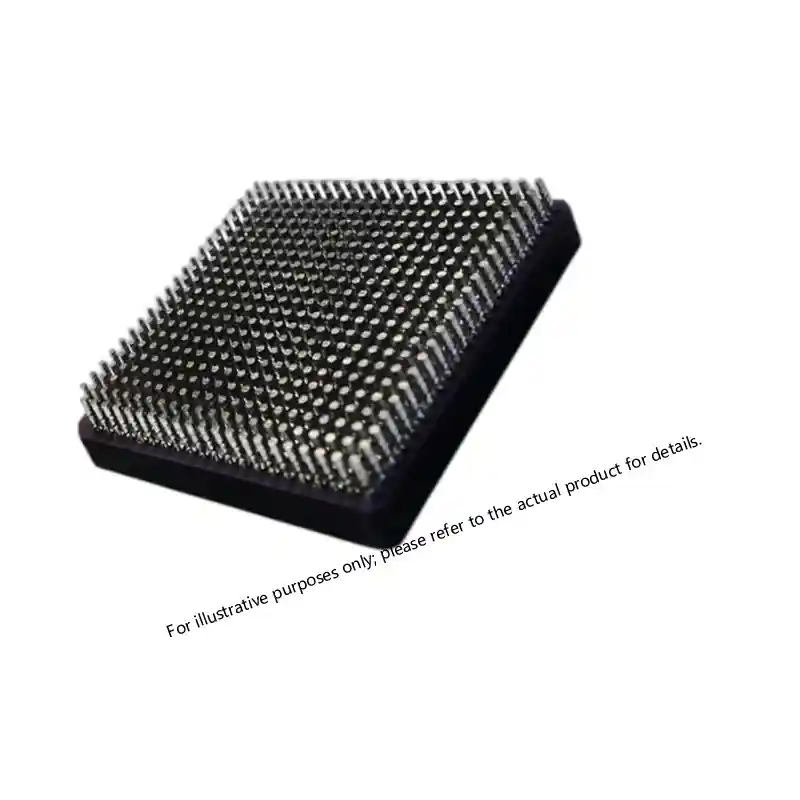
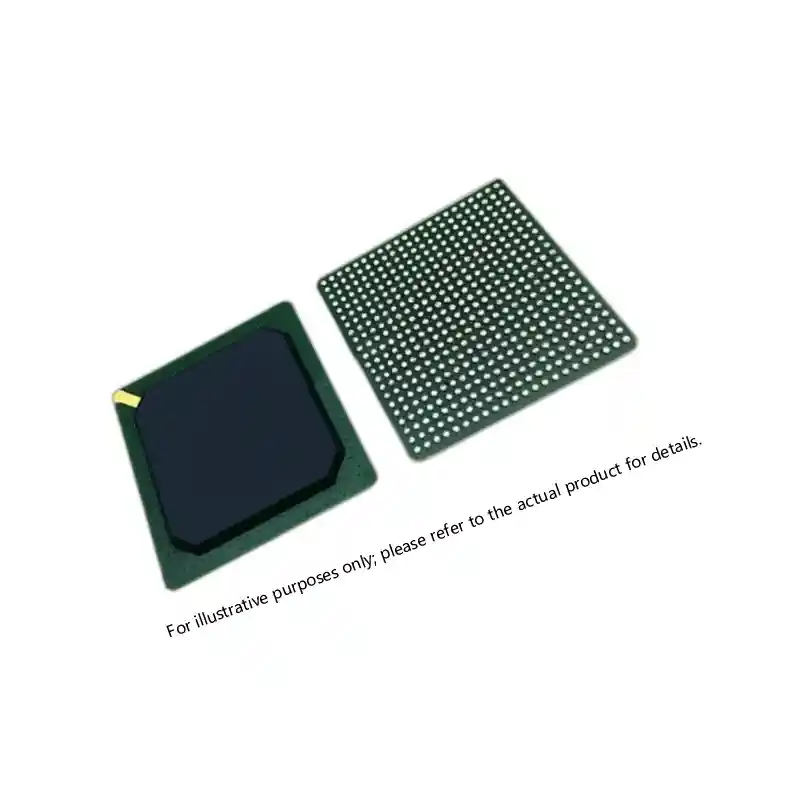
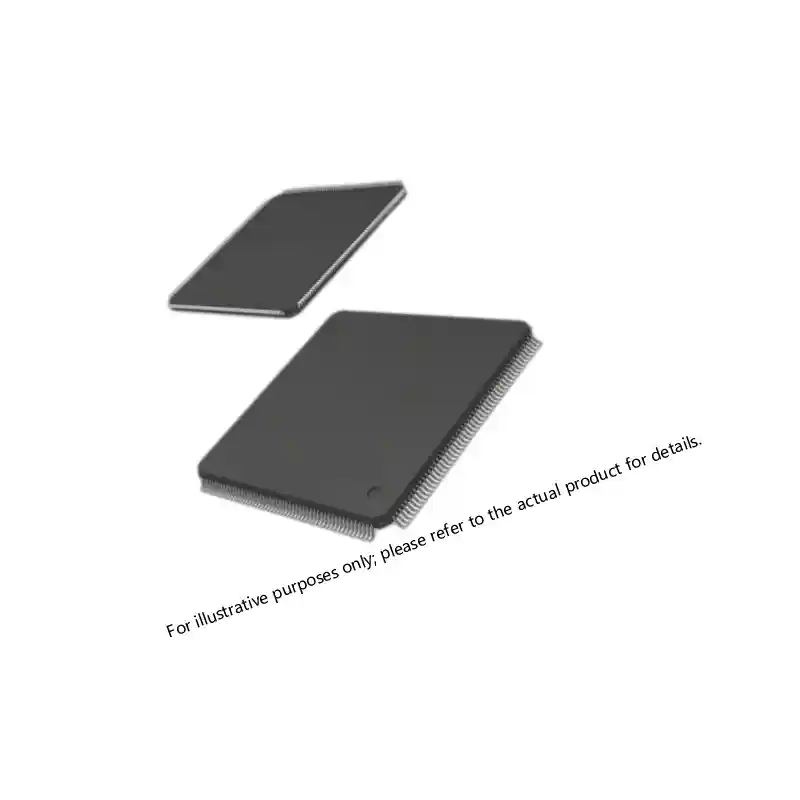
Before selecting a companion FPGA, confirm pinout, voltage rails, configuration memory, and package thermal characteristics against the board design. A visually identical package does not guarantee electrical or configuration compatibility.
Authenticity, Traceability, and Compliance for C6678ACYPA25 Procurement
The TMS320C6678ACYPA25 is a high-value, highly in-demand DSP. That makes it a target for counterfeit, reclaimed, failed, or relabeled parts entering the secondary market. Buyers should treat full part-number verification, date code review, and lot traceability as non-negotiable steps in the receiving process.
For defense and high-reliability programs, the following checks are useful before accepting parts:
- Verify the complete ordering code, including the 1.25 GHz speed-grade suffix and package suffix.
- Request top-side marking photographs and compare them with manufacturer marking conventions.
- Review date code and lot ID against the Certificate of Conformance or vendor documentation.
- Confirm BGA packaging integrity: moisture barrier bag, desiccant, and humidity indicator.
- Request supporting test or inspection records when available.
- Maintain chain-of-custody documentation from distributor to dock.
Inspection standards such as MIL-STD-883 can provide a reference framework for visual, electrical, and environmental verification [3]. Buyers should not assume that a clean photograph or a matching part number is enough to establish authenticity.
Expedited C6678ACYPA25 Sourcing Support
If your program needs the TMS320C6678ACYPA25 with a specific date code, lot requirement, or compliance document, send the full BOM, target quantity, and required delivery window to xuansc2144@gmail.com. A sourcing review can help identify available stock, verify traceability, and confirm packaging condition before a quote is issued.
Managing Long Lifecycles and Last-Time Buy Risk
The C6678 has been used across multiple defense and infrastructure programs for years. That longevity creates both opportunity and risk: existing board designs may need controlled date codes or specific manufacturing revisions, while new designs may benefit from planning the transition now. Procurement teams should review last-time buy notices, alternate speed-grade availability, and whether a BGA package variant is still in active production before committing to a long-term build.
For legacy boards, the safest approach is not a last-minute broker purchase. It is a documented sourcing decision that includes part-number verification, vendor qualification, and an agreed traceability path. For planned new builds, demand planning can reduce the cost of buffer inventory while protecting production from allocation cycles.
Request a TMS320C6678ACYPA25 Sourcing Quote
To submit an RFQ, include the following information:
- Full part number: TMS320C6678ACYPA25
- Package requirement: BGA
- Target quantity and annual usage forecast
- Required date code or lot restrictions, if any
- Compliance documents required: C of C, test reports, traceability records
- Delivery schedule and final destination
- Any special handling, marking, or packaging requirements
Send the RFQ to xuansc2144@gmail.com for a structured quote review.
FAQ
What does the 25 suffix in TMS320C6678ACYPA25 mean?
The “25” suffix identifies the 1.25 GHz speed grade of the eight-core C6678 DSP. Speed grade should always be confirmed on the purchase order because it affects both performance and part-number matching [1].
Is TMS320C6678ACYPA25 a military-qualified part?
The TMS320 prefix generally indicates a commercial or standard production flow rather than a QML or military-qualified device. Teams requiring hi-rel or mil-temperature variants should confirm the exact Texas Instruments ordering code for the required grade and screening level. For defense programs, additional source inspection, test, and traceability requirements may be added by the buyer or contract.
What should I look for when buying C6678ACYPA25 in BGA packaging?
Check the full part number, date code, lot ID, and moisture-sensitive packaging condition. BGA parts require careful ESD and moisture handling. If a vendor cannot provide clear traceability from the lot to the purchase order, that is a warning sign [3].
Can the C6678ACYPA25 be paired with an FPGA on the same board?
Yes. The C6678 is commonly used alongside FPGAs for preprocessing, channelization, and custom I/O. The board design must account for the serial protocol, clocking, voltage rails, and package placement of both devices.
How do I avoid counterfeit TMS320C6678ACYPA25 parts?
Use a controlled distributor or supplier, verify full part-number and date code data, inspect BGA packaging, and retain chain-of-custody documents. Avoid buying from unknown brokers when the price is significantly below market or when traceability is unavailable.
References
[1] Texas Instruments, “TMS320C6678 Multicore Fixed and Floating-Point Digital Signal Processor,” data manual SPRS691, https://www.ti.com/lit/ds/symlink/tms320c6678.pdf. Accessed 2026.
[2] Texas Instruments, “TMS320C66x DSP CorePac User Guide,” SPRUGW0, https://www.ti.com/lit/ug/sprugw0c/sprugw0c.pdf. Accessed 2026.
[3] U.S. Department of Defense, “Test Method Standard, Microcircuits,” MIL-STD-883K, https://everyspec.com/MIL-STD/MIL-STD-0800-0899/MIL-STD-883K_54359/. Accessed 2026.
If you’re interested, check out these related articles:
Virtex-7 690T FPGA: Performance, Packaging, and Reliability Insights
Virtex-7 XC7VX690T: Performance and Reliability Insights
A1020B-PG84B ACT2 FPGA: Specs, Sourcing, and Availability
XC7VX485T Virtex-7 FPGA: Performance and Sourcing for Defense
XC7VX485T FPGA: Virtex-7 Performance for Defense