W3E32M72S-266B2I: 32M×72 DDR SDRAM Specs and Sourcing
Table of Contents
- What the 32M×72 Organization Buys You
- Decoding the W3E32M72S-266B2I Part Number
- Specifications That Decide Whether It Fits Your Board
- Screening, Grade, and What the Paperwork Proves
- Where DDR-266 Still Fits in a Defense Board
- Sourcing Risk on a Legacy DDR SDRAM
- Building the RFQ and Verifying the Delivery
- Confirming Availability and Traceability Before You Commit
- FAQ
- Is the W3E32M72S-266B2I a 2 Gb or a 2.25 Gb device?
- Can it replace a 64-bit SDRAM without changing the controller?
- What does the B2I suffix tell me about temperature and screening?
- How do I confirm a quoted lot is not relabeled or refurbished?
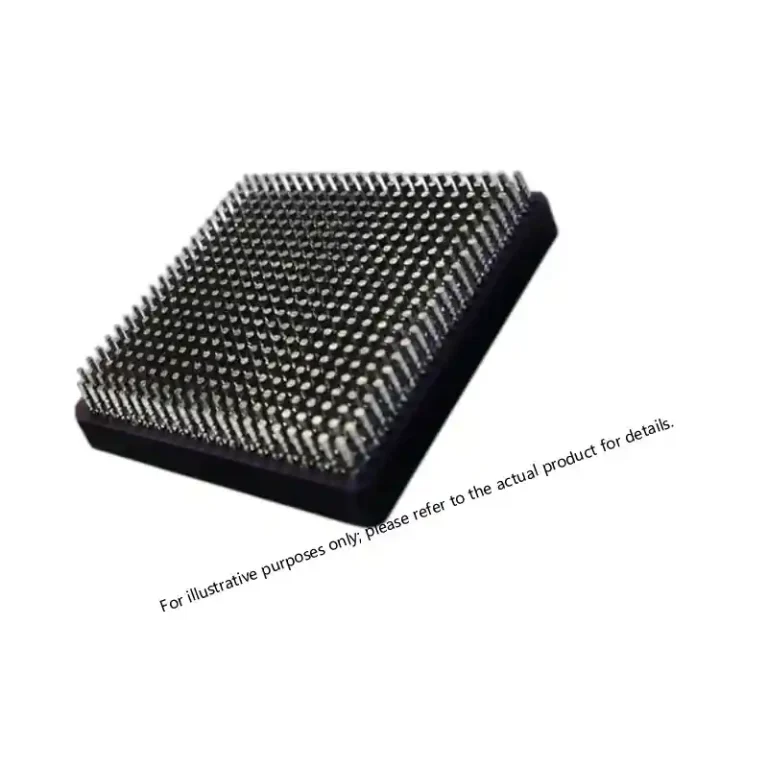
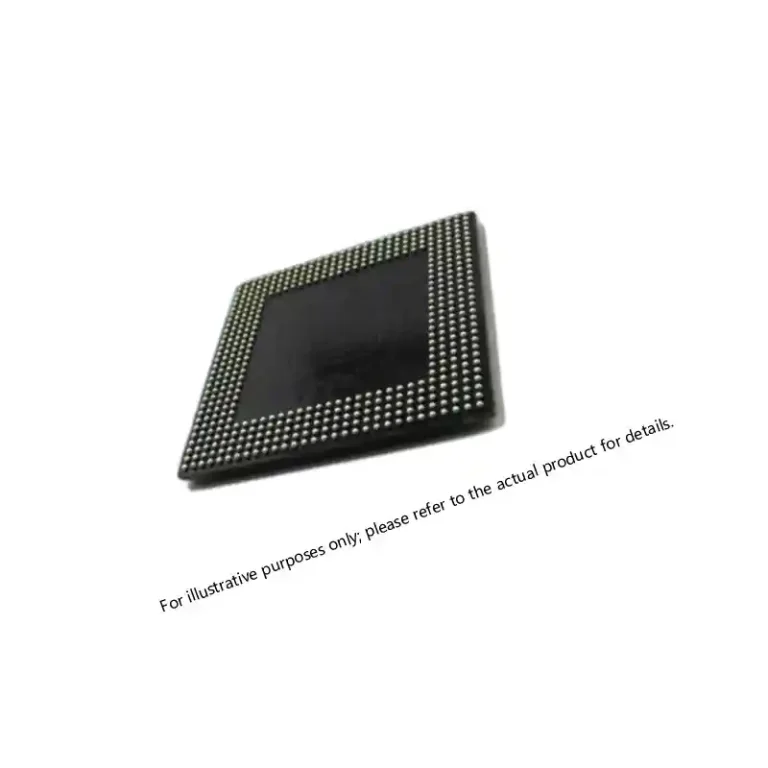
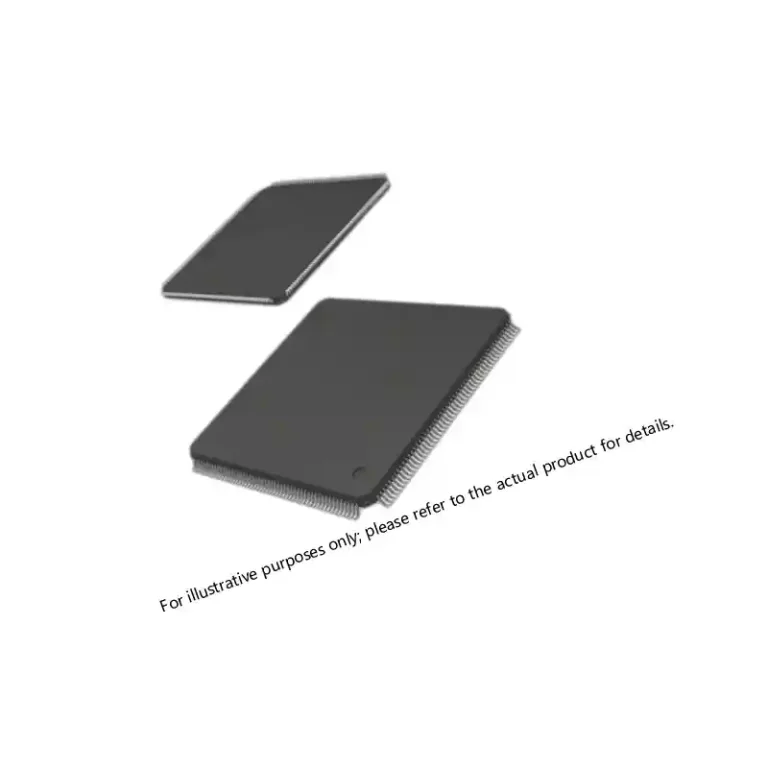
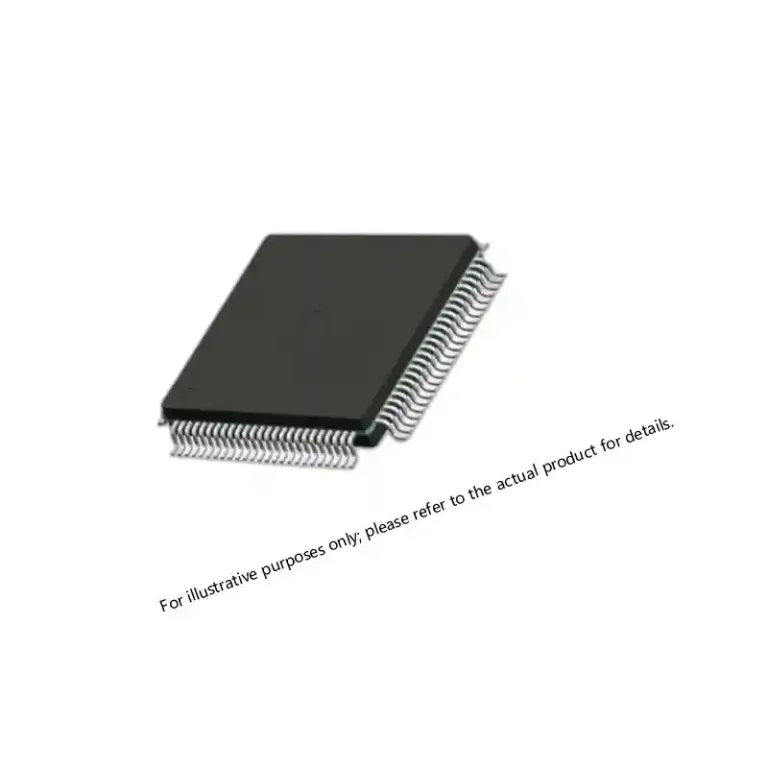
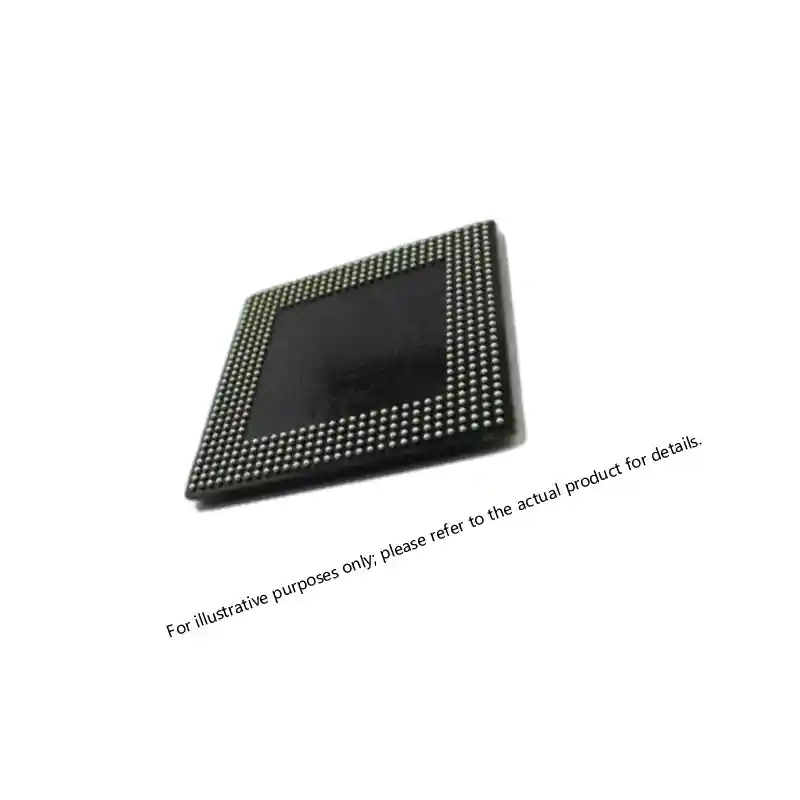
The W3E32M72S-266B2I is a 32M×72 DDR SDRAM: 256 MB of ECC-protected payload on a 72-bit bus at 266 MT/s, packaged and graded for hi-rel service. It is built for boards that need wide, protected main memory soldered down rather than a plug-in DIMM, which in defense work usually means an FPGA or processor design whose memory has to live as long as the program does. At this stage of the DDR lifecycle the specification is rarely the difficult part. The difficult part is proving that the parts in the box match the drawing and were screened to the level the program assumes.
What the 32M×72 Organization Buys You
The device holds 32M words of 72 bits each. Sixty-four of those bits carry data and eight carry check bits, so the usable payload is 2 Gb, or 256 MB, with a further 32 MB of array dedicated to error checking. Total density is 2.25 Gb.
The arithmetic of that ninth byte is what makes the 72-bit width worth the routing. With eight check bits per 64 data bits, an ECC-capable controller can compute a Hamming code that corrects any single-bit error inside a 72-bit beat and detects, without correcting, any double-bit error. On a 64-bit interface a single upset is an unrecoverable event that may pass unnoticed; on a 72-bit interface with ECC enabled the same upset becomes a logged correction, and a double-bit event becomes an interrupt instead of silent corruption. If the controller does not implement ECC, the extra byte is dead capacity and the wider package buys nothing.
Peak bandwidth follows from the same numbers. At 266 MT/s a 72-bit bus moves 72 × 266 = 19,152 Mb/s, about 2.39 GB/s, of which 64 × 266 = 17,024 Mb/s, about 2.13 GB/s, is payload. Those are theoretical ceilings. Refresh cycles, bank conflicts, and read-to-write turnaround reduce sustained throughput, and the datasheet timings at the selected CAS latency set the working limit for a given board.
The trade is board area against part count. One 72-bit device replaces nine discrete byte-wide memories and the routing between them, but it also commits the layout to a 72-bit controller interface, a wider escape region under the package, and a thermal path that has to be designed rather than inherited from a previous build.
Decoding the W3E32M72S-266B2I Part Number
The orderable number is a specification in compressed form, and each field narrows what you are buying.
W3E is the family prefix for the White Electronic Designs hi-rel memory line. Legacy memory lines change hands over time, so confirm the current manufacturer of record and the authorized channel instead of assuming that a familiar prefix still maps to the original owner.
32M is the depth in words. 72 is the I/O width, here 64 data bits plus 8 check bits. S is a family variant letter whose meaning is defined on the datasheet, and it should not be extrapolated from another device in the same family.
266 is the speed bin: 266 MT/s at a 133 MHz clock, which is a 7.5 ns cycle time. This is DDR, not DDR2 or DDR3. The interface runs 2.5 V SSTL-2 signaling with a 2n prefetch, and it will not interoperate with a DDR2 or DDR3 controller regardless of package similarity.
B2I is the package and grade suffix. On legacy hi-rel memory that suffix is where temperature range, package construction, and screening level live, and it is also where most procurement errors begin. Two listings can carry the same base number and different suffixes, and the difference may be a temperature grade or a quality flow rather than a visible package change.
A distributor listing is a search key, not a specification. Treat every field as provisional until you have read the manufacturer datasheet for the exact suffix.
Specifications That Decide Whether It Fits Your Board
| Parameter | What the part number already fixes | What to verify on the datasheet |
|---|---|---|
| Density and organization | 32M words × 72 bits, 2.25 Gb total | Bank count, page size, supported burst lengths |
| Data rate | 266 MT/s, 133 MHz clock, 7.5 ns cycle | CAS latency bin and timings at your actual clock |
| Interface | DDR SDRAM, SSTL-2, 2.5 V nominal | VDD and VDDQ tolerance, VREF and termination scheme |
| Error handling | 72-bit width, 64 data plus 8 check | Whether the controller supports ECC at this width |
| Package and grade | B2I suffix as published | Package type, pinout, thermal path, temperature range |
| Quality flow | Not encoded in the base number | Screening methods performed, QML status, C of C content |
Three rows decide most purchases. Timing first: a 266 MT/s bin only delivers its rated latency when the controller is configured for the matching CAS latency and the board meets the setup and hold budget at 133 MHz. Interface second: SSTL-2 requires a reference voltage and parallel termination that many modern designs no longer lay out, and a 3.3 V SDR interface will not tolerate a 2.5 V device. Package third: thermal resistance and the soldering profile depend on package construction, and a suffix change can move the part from a laminate module to a hermetic package with different handling requirements.
Density deserves its own note. Lifecycle decisions increasingly come down to what can still be bought authentically, so it helps to understand how legacy hi-rel memory is grouped and identified before you commit to a part number.
Screening, Grade, and What the Paperwork Proves
Screening is a flow applied to a lot, not a property that travels with a part number. That distinction matters because the phrase “MIL-STD-883 screened” appears in quotations without saying which methods were run, at what conditions, and on how many units.
| Record | Method context | Responsible use | Do not infer |
|---|---|---|---|
| Manufacturer datasheet grade suffix | Published device data for the exact suffix | Confirms timing, package, temperature range | That screening beyond the stated grade was performed |
| MIL-STD-883 Method 1010, temperature cycling | Lot-level stress across a specified temperature excursion | Evidence that the lot survived the stated cycling condition | A field failure rate or a service life figure |
| MIL-STD-883 Method 1015, steady state life | Accelerated life test at rated bias and temperature | Screens early-life failures in the sampled lot | That every unit will reach a specific lifetime |
| MIL-STD-883 Method 1014, seal | Gross and fine leak test for hermetic packages | Package integrity evidence for hermetic construction | The same integrity claim for a laminate module |
| MIL-PRF-38535 QML listing, Class Q or Class V | Facility and flow qualification for listed devices | Supports a qualified-flow claim for the listed part | That a similar memory number is automatically QML |
| Distributor certificate of conformance | Chain-of-custody document from the seller | Supports identity and lot traceability | Substitute test data or independent verification |
The most common error is reading a test report as a qualification. A burn-in record proves that a sampled lot passed a stress the program agreed to; it does not prove that the device is qualified to a military drawing, and it does not replace the QML listing that the program’s quality clause may actually require. Ask separately for the screening record, the qualification status, and the traceability document, then check which one your statement of work invokes.
Where DDR-266 Still Fits in a Defense Board
DDR-266 remains a rational choice under specific conditions. The strongest case is an existing, already qualified layout whose controller speaks SSTL-2 at 2.5 V and whose signal integrity budget has been validated on hardware in the field. Re-spinning a qualified assembly to gain memory bandwidth can cost more than the memory premium and restarts environmental qualification.
It is also the right answer when the program needs spares and repair support for fielded equipment, where the memory must match what the unit was qualified with rather than what is currently fastest. Legacy DDR supply in that situation comes from distributor stock and last-time-buy inventory.
The exclusion conditions are equally clear. Do not force a DDR-266 design when the processing budget exceeds roughly 2.4 GB/s of peak memory bandwidth, because the ceiling is a property of the interface and no amount of tuning changes it. Do not select it when the controller bank cannot be re-timed for 2.5 V SSTL-2, and do not select it when the program already funds a redesign that a DDR3 or DDR4 controller would serve with the same board area.
Companion silicon matters to the decision. A 72-bit memory usually sits next to an FPGA or processor that was chosen years earlier, and that device ages on a different schedule than the memory does.
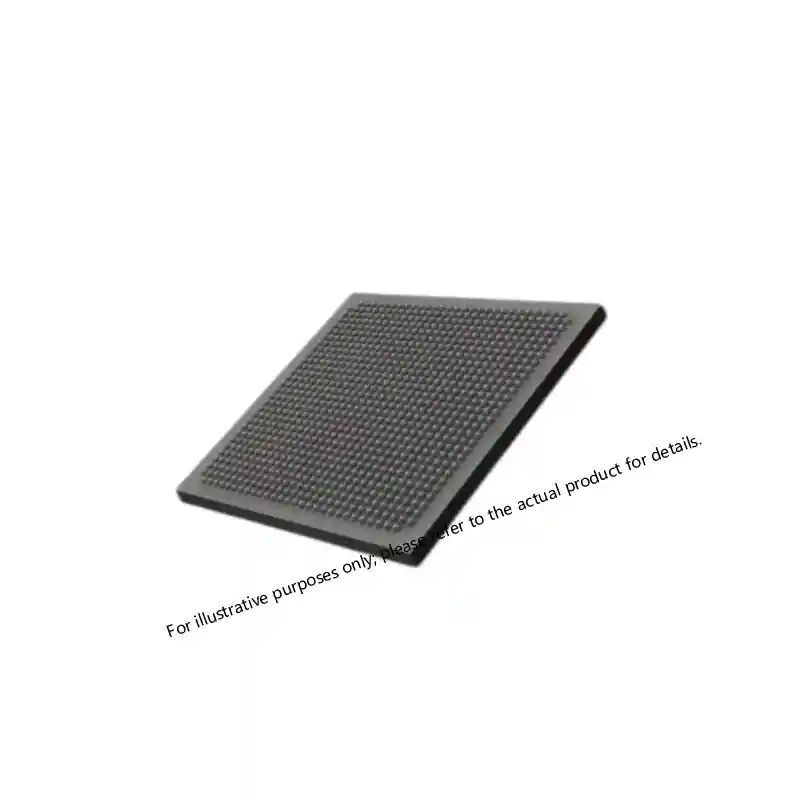
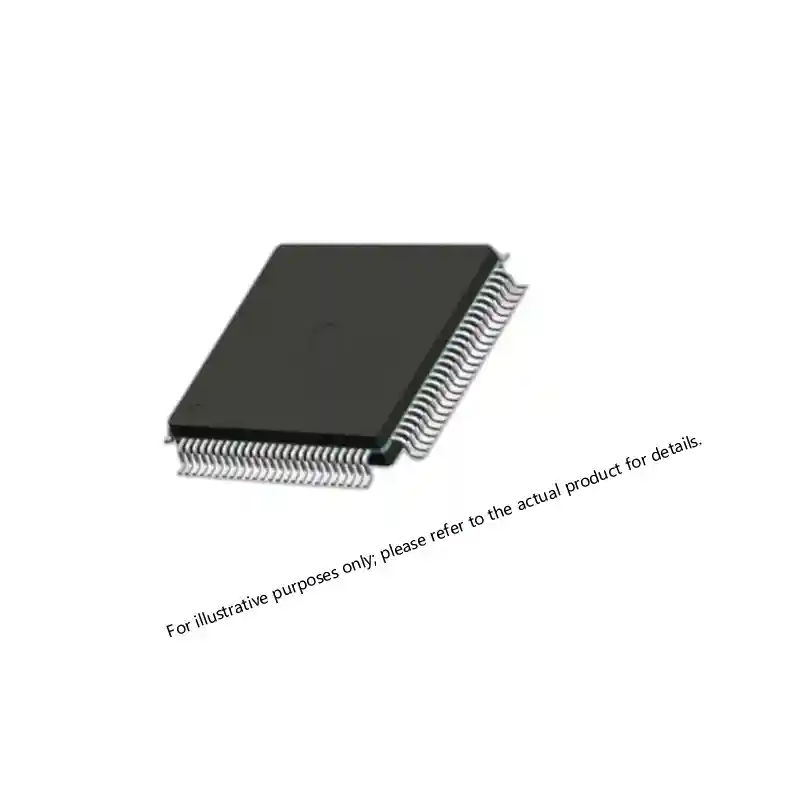
Programmable logic on the same board rarely reaches end of life at the same moment as its memory, and the FPGA choice often outlives the memory line it was designed around. <XC7VX485T Virtex-7 FPGA: Performance and Sourcing for Defense> covers performance and sourcing for that device in defense programs.
Sourcing Risk on a Legacy DDR SDRAM
Legacy DDR production has thinned to a small number of sources, and the supply that reaches a buyer usually comes from three places: distributor stock bought years ago, last-time-buy inventory held by a program or a broker, and reclaimed material pulled from decommissioned assemblies. Each carries a different risk profile, and a quotation rarely says which one you are looking at.
The failure modes are specific. Relabeled parts present a current date code on a package whose die is older or belongs to a different grade. Mixed lots show inconsistent date codes inside a single shipment. Poorly stored parts arrive with compromised moisture barrier packaging, expired floor life, or oxidized terminations that will not wet properly at reflow. A part marked with a military grade suffix may have been pulled from a commercial assembly entirely.
Verification scales with the value of the decision. At minimum, require a traceability statement from the manufacturer through every custody change, check date code homogeneity across the shipment, and inspect moisture barrier packaging, desiccant, and humidity indicator card before accepting. Where authenticity remains in doubt, X-ray inspection for die and bond layout, X-ray fluorescence for termination composition, and decapsulation for die markings provide evidence that documents cannot. Electrical verification at temperature completes the picture, because a part that functions at room temperature can still fail its timing at the temperature extremes the program specifies.
Sparkle Electronics holds military-grade memory and programmable logic for programs that cannot wait on a production lead time, and supplies it with the traceability documentation described above. The same availability problem appears across the programmable logic in a legacy BOM, where a part can stay on a drawing for a decade after the last authorized build.
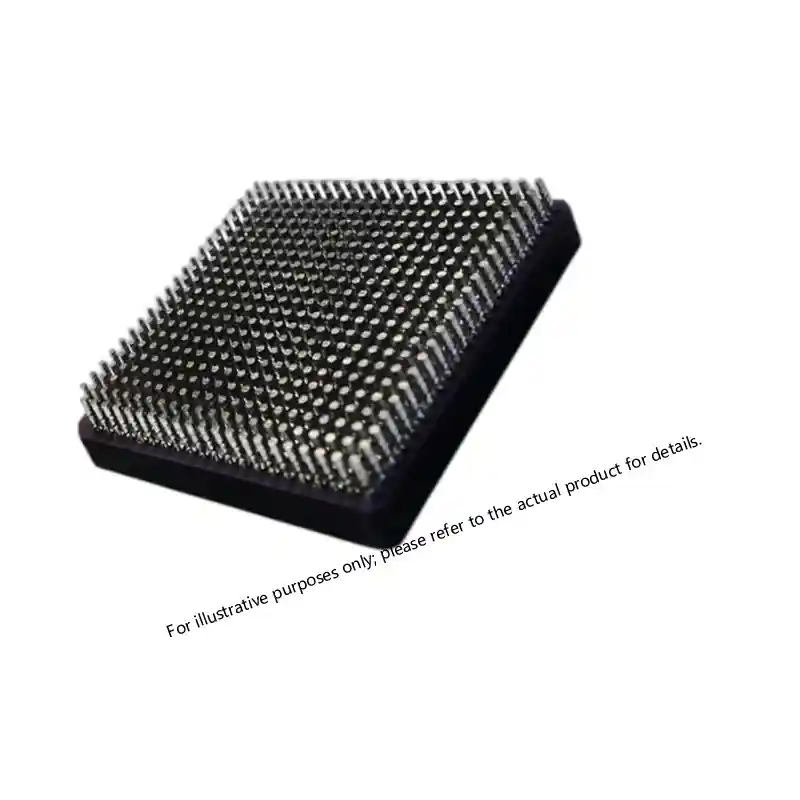
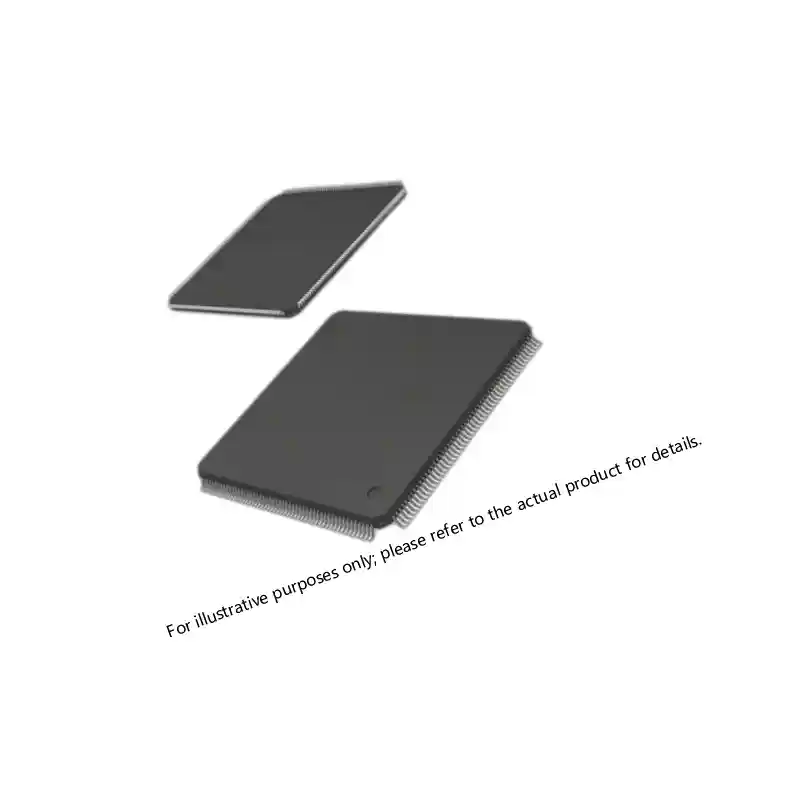
Legacy part numbers rarely disappear cleanly, and the pattern repeats across the programmable logic that surrounds a memory device. <A1020B-PG84B ACT2 FPGA: Specs, Sourcing, and Availability> covers specifications, sourcing, and availability for that ACT2 device.
Building the RFQ and Verifying the Delivery
A quotation is only as precise as the request behind it. Most disputes over legacy memory trace back to an RFQ that named a base part number and a quantity, then accepted whatever arrived.
| RFQ field | What to state | Why it matters |
|---|---|---|
| Orderable number | Base number plus the exact grade suffix | The suffix sets temperature range and quality flow |
| Quantity and forecast | Immediate quantity plus annual demand | Determines allocation, pricing, and stock reservation |
| Date code window | Oldest date code the program accepts | Old material raises storage and solderability questions |
| Screening and documents | Methods required, C of C, test data, QML status | Defines the acceptance criteria before shipment |
| Traceability | Manufacturer, lot, and prior custody chain | The main defense against relabeled or reclaimed parts |
| Packaging and handling | Moisture barrier, desiccant, HIC, ESD packaging | Protects the parts between receipt and assembly |
A weak request and a workable one differ in wording rather than length.
Reject this line: “W3E32M72S-266B2I, quantity 50, best price, any date code.”
Replace it with: “W3E32M72S-266B2I, exact suffix as per drawing, quantity 50 plus annual forecast, date codes no older than the program window, certificate of conformance with lot traceability to the manufacturer, screening record listing the methods performed, moisture barrier packaging with desiccant and humidity indicator.”
Incoming inspection then confirms what the paperwork promised. Check the suffix against the drawing before anything else, since a wrong suffix invalidates every later check. Confirm date code homogeneity across the shipment and record it against the lot. Verify that the moisture barrier was intact on arrival and read the humidity indicator card. Confirm quantity, packaging type, and ESD protection. Log the lot into a controlled store with the temperature and humidity record that the program requires, and quarantine anything that does not match the purchase order until the supplier answers in writing.
Confirming Availability and Traceability Before You Commit
Send the exact orderable number including the grade suffix, the quantity and annual forecast, the date code window your program accepts, the screening and documentation your receiving inspection will check, and whether the parts support a new build or a repair and spares demand. With that list, Sparkle Electronics can confirm what is genuinely in stock, what traceability accompanies it, and what the documentation package will contain before a purchase order is raised. Write to xuansc2144@gmail.com, attach the drawing number if one exists, and ask for the date code and lot breakdown of any stock offered. A supplier who cannot answer that question in writing has already answered a different one.
FAQ
Is the W3E32M72S-266B2I a 2 Gb or a 2.25 Gb device?
Both figures describe the same part from different angles. The usable data payload is 32M words × 64 data bits, which is 2 Gb or 256 MB. The full array is 32M words × 72 bits, which is 2.25 Gb, because the eighth and ninth bytes hold check bits for ECC. Quote the figure your design document uses, then state whether check bits are included, so that a bill of materials comparison does not treat two descriptions of one device as two different densities.
Can it replace a 64-bit SDRAM without changing the controller?
Only if the controller supports a 72-bit interface. A 64-bit controller can drive the part electrically, but eight bits stay idle and ECC is unavailable, so the extra package cost buys nothing. The interface generation also has to match: this is DDR at 2.5 V SSTL-2, and a controller designed for 3.3 V SDR or for DDR2 signaling will not work without a redesign. Confirm the controller width, the supply rail, and the termination scheme before treating the part as a drop-in.
What does the B2I suffix tell me about temperature and screening?
It identifies the package and grade variant, but the specific temperature range and quality flow attached to that suffix must come from the manufacturer datasheet for the exact code. Do not carry a suffix meaning across from a similar part number in the same family, and do not accept a quotation that lists a base number without the suffix. If the datasheet cannot be produced for the offered suffix, the offer is not yet a specification you can accept.
How do I confirm a quoted lot is not relabeled or refurbished?
Start with documents, then move to physical evidence. Require traceability from the manufacturer through each custody change, check that date codes are consistent across the shipment, and inspect the moisture barrier, desiccant, and humidity indicator card on arrival. Where doubt remains, X-ray inspection, X-ray fluorescence, decapsulation, and functional testing at the specified temperature extremes provide evidence that a certificate of conformance alone cannot. A certificate records what the seller states, not what the parts are.
If you’re interested, check out these related articles:
Virtex-7 690T FPGA: Performance for Mission-Critical Systems
Virtex-7 690T FPGA: Performance, Packaging, and Reliability Insights
A1020B-PG84B ACT2 FPGA: Specs, Sourcing, and Availability
XCKU085 UltraScale FPGA: Performance for Critical Systems
XCKU115 UltraScale FPGA: Powering Critical Defense Systems