Cross Referencing Military Part Numbers: A Buyer’s Checklist
Table of Contents
- Failure Points in Military Part Number Cross Referencing
- The Cross Reference Data That Belongs in Every Quote Package
- Constructing a Traceability Record for the Parts You Source
- Military Part Number Families That Change the Match
- Cross Reference Support for Defense Procurement Teams
- Common Questions About Military Part Number Cross Referencing
- Is a commercial part with the same base number a valid military cross reference?
- What does the 5962 prefix actually tell me?
- When should I accept a distributor suggested cross reference?
- Why do lead finish and package differences stop a cross reference?
Cross referencing military part numbers is one of the procurement tasks where a formatting difference creates a false match. A defense buyer may start with an obsolete 5962 series device, a cancelled SMD item, or a JANTXV discrete and receive a suggested commercial equivalent that looks identical on paper. The part number match is not a compliance match. Before accepting any alternative, we check the source control drawing, the package and lead finish, the screening level, and the manufacturer cross reference history. Without that chain, the new part can enter the bill of materials with a hidden qualification gap.
Failure Points in Military Part Number Cross Referencing
Most cross reference errors begin before the part number table is opened. Procurement teams compare the base number only and ignore the slash sheet, radiation hardness indicator, or lead finish suffix. A 5962 part is not interchangeable with a commercial base number just because the digits overlap. The military drawing controls additional fields: package case outline, screening method, burn-in conditions, and source control drawing provisions that do not appear in the commercial data sheet. In twelve years of military component sourcing, the failures that reach us are rarely counterfeit parts. They are genuine components matched at the wrong screening level because the quote was built from a base number search rather than the source control drawing.
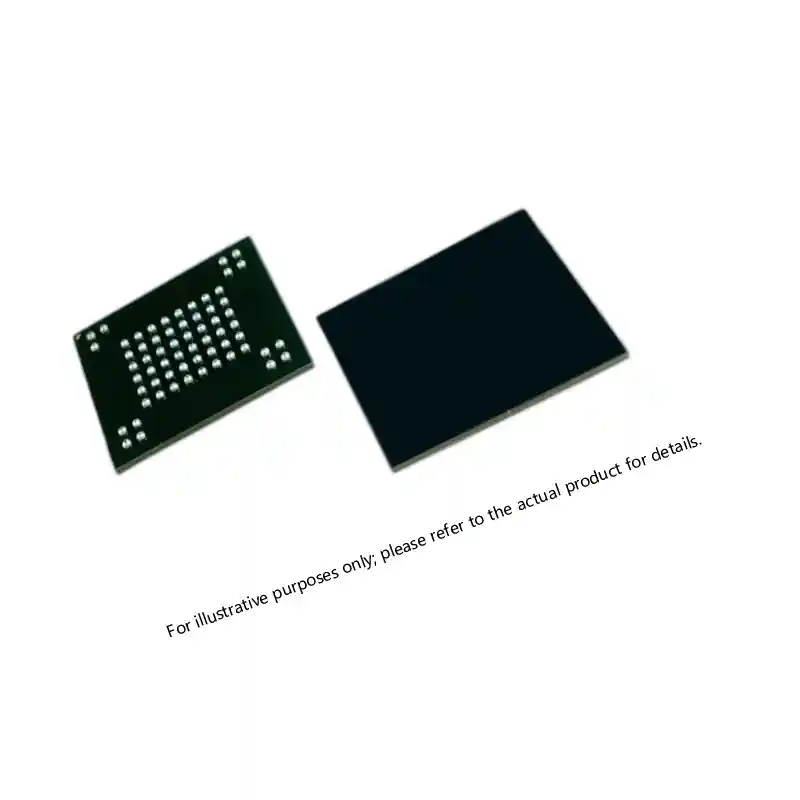
Programmable logic follows the same rule. A2F500M3G-1CSG288I cannot be matched on gate count and package alone.
The Cross Reference Data That Belongs in Every Quote Package
Before a cross reference is trusted, the quote package needs fields from the original drawing and the last procurement record. Those fields sound administrative, but each line closes a known failure path.
| Record Field | Why It Matters | Missing Field Consequence |
|---|---|---|
| Source control drawing and revision | Identifies exact form and fit requirements | Wrong package outline accepted |
| Original military slash sheet or SMD number | Defines screening and quality level | Commercial grade part passes review |
| Lead finish and case finish | Controls solderability and tin whisker risk | Board assembly process changes |
| Original manufacturer cross reference statement | Establishes interchangeability authority | Parametric guess treated as valid |
| Radiation hardness or RHA designator | Distinguishes rad-hard from standard | Space program accepts false substitute |
A missing source control drawing is often the first sign that a cross reference will not survive incoming inspection.
Constructing a Traceability Record for the Parts You Source
We treat every cross reference as a chain of custody problem. A valid suggestion must show who made the mapping and under what authority. Original manufacturer cross reference lists sit above vendor or third-party mappings. Those secondary lists can be useful leads, but they are not qualification documents.
Before approving an alternate, work through these five checks:
- Locate the original source control drawing or procurement specification and its current revision.
- Extract the case outline, lead finish, screening level, and radiation hardness designator.
- Compare electrical test conditions against the proposed alternate’s data sheet.
- Obtain the original manufacturer mapping or a documented engineering justification for the alternate.
- Record lot date code and incoming traceability code for inspection correlation.
We have seen buyers skip step four because the suggested part was already on an approved vendor list. That shortens the process and widens the risk.
If your program has a suggested alternate with a different package lead finish or screening class, confirm those two fields before finalizing the bill. Send the original part number and the proposed alternate to xuansc2144@gmail.com and we will check the documentation trail.
Military Part Number Families That Change the Match
Different military part number systems carry different rules. The 5962 series follows the MIL-PRF-38535 SMD structure and encodes device type, class, case outline, and screening level. M38510 parts cover older JAN microcircuits. MIL-PRF-19500 parts such as JANTX and JANTXV discretes use the 1N and 2N numbering system. Connector families under MS and MIL-DTL carry insert arrangement, shell size, and plating in the suffix. A near match in one digit can change a contact arrangement or a finish.
FPGA cross references fail the same way. A gate count summary can make an A1020B-PG84B and an A3P1000-1FGG484I look interchangeable. They are not, because package, speed grade, and programming architecture differ. The same applies to AX1000-1CQ352M, which sits in a different speed and architecture bin.
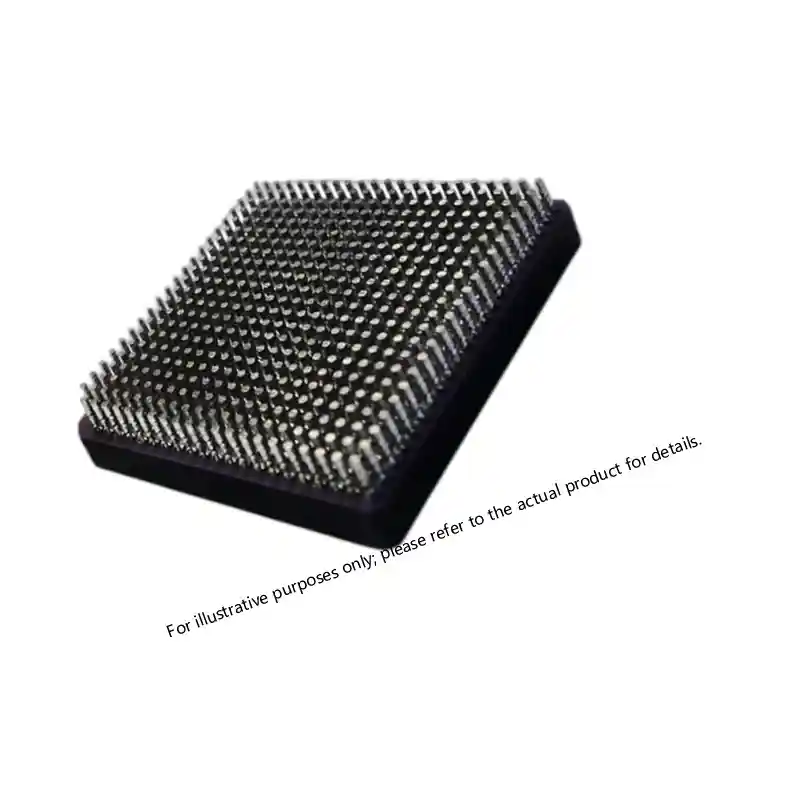
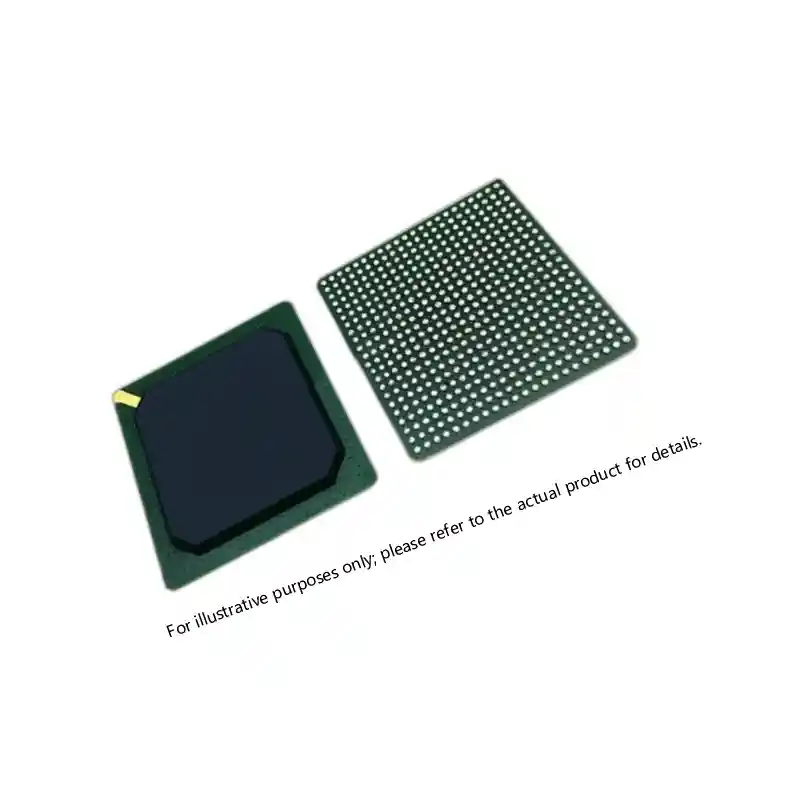
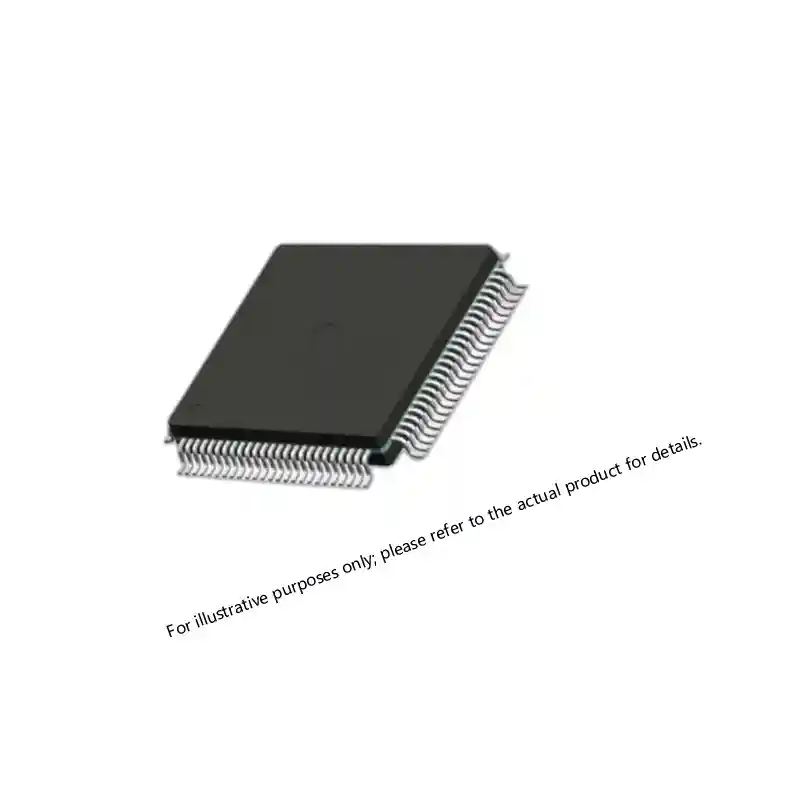
The only safe way through this layer is to run the comparison at the full drawing number, not at the marketing description. If the number does not align at the suffix level, stop and request the manufacturer mapping before the part enters the bill.
Cross Reference Support for Defense Procurement Teams
You are left with a drawing note, an obsolete part, and a quote file where none of the suggested alternates align. That burden should not sit inside a spreadsheet. We work through the original drawing, the QPL or SMD status, and the manufacturer mapping before we send a price, because the purpose is to close the compliance risk rather than fill a line. Send the original part number, drawing revision, and required screening level to xuansc2144@gmail.com and we will return a documented cross reference assessment with a quote you can defend.
Common Questions About Military Part Number Cross Referencing
Is a commercial part with the same base number a valid military cross reference?
Only if the package, screening, and lead finish match. The base number identifies a design, not a qualified configuration. A commercial device may use the same silicon with a non-hermetic package, reduced temperature range, or no burn-in. The military part number adds the slash sheet or quality designator that controls those requirements. If the suggested alternate carries a different slash sheet or no military designator at all, treat it as an unverified lead rather than a compliant substitute. Ask the supplier for the manufacturer cross reference statement and the original drawing comparison before you move it into the bill.
What does the 5962 prefix actually tell me?
Many buyers treat the 5962 prefix as proof that two devices are interchangeable. It is not. The prefix signals that the part sits in a military microcircuit specification structure, but the full number carries the device type, case outline, and screening level. Two 5962 parts may share the same base function and still require different lead finish or radiation hardness class. A valid cross reference must match the complete SMD or slash sheet number, not just the first digits. If the suffix or case outline differs, the part may fail incoming inspection even when the silicon is identical.
When should I accept a distributor suggested cross reference?
It depends on the authority behind the suggestion. If the mapping comes from the original manufacturer’s published cross reference list or an approved source control drawing, the risk is lower. If the part number appears as a parametric match in a third-party database, treat it as an inquiry lead, not a compliance document. Ask for the source of the mapping, the revision date, and the specific fields compared. A defensible cross reference shows the original specification number and the proposed part side by side. A blind number match does not.
Why do lead finish and package differences stop a cross reference?
Our team has canceled suggested alternates in past reviews because the die was identical but the lead finish was not. The reason is mechanical and chemical, not bureaucratic. Hot solder dip, gold, and nickel palladium gold finishes wet differently during assembly, and a finish that was not part of the original qualification can shift solder joint reliability or introduce tin whisker risk. The package case outline also controls thermal path and board layout. If those two fields do not match, you are not replacing a part. You are introducing a new configuration that needs evaluation. Share the original part number, package, and required screening with us and we will confirm the compatibility path.
If you’re interested, check out these related articles:
Virtex-7 690T FPGA: Performance, Packaging, and Reliability Insights
A1020B-PG84B ACT2 FPGA: Specs, Sourcing, and Availability
UltraScale KU085 FPGA Specifications for Defense Systems
XC7VX485T FPGA: Virtex-7 Performance for Defense
XCKU115 UltraScale FPGA: Powering Critical Defense Systems