EDI8L32512V15AI 512K×32 SRAM: Specs, Timing and Sourcing
Table of Contents
- What the EDI8L32512V15AI Part Number Tells You
- How 15ns Access Time and 5V Operation Shape the Design
- Read and Write Timing Are Separate Budgets
- The 5V Supply Is an Interface Decision
- Reading the Package and Grade Suffix Before You Commit
- What Documentation Should Come With the Parts
- What Screening Records Prove and What They Do Not
- Long-Term Availability for a 5V Asynchronous SRAM
- Last-Time Buy and Redesign Are Both Capital Decisions
- What Makes a Stored Lot Usable
- An RFQ Checklist for EDI8L32512V15AI Sourcing
- Send the Requirements and Get a Traceable Quote
- FAQ
- Is the EDI8L32512V15AI a 5V or a 3.3V device?
- Can a faster device from the same family replace this part?
- Does a certificate of conformance confirm authenticity?
- What should be checked first when the parts arrive?
The EDI8L32512V15AI is a 512K × 32 asynchronous SRAM with a 15ns speed grade, a 5V supply, and the AI package designator. That sentence describes the electrical class of the device, and on most programs it is where the sourcing conversation stops. It should not be. The same ordering code can arrive as a traceable lot with screening records behind it, or as a relabelled item with a certificate that describes only what the purchase order happened to ask for. The specification tells you whether the part fits the socket. The documentation tells you whether the lot fits the program.
What the EDI8L32512V15AI Part Number Tells You
The ordering code is built in layers, and each layer answers a different question.
The leading EDI characters identify the device family. The numeric block that follows encodes the 512K × 32 organization: 524,288 words of 32 bits, which is 16 Mbit, or 2 MByte of storage. A 32-bit-wide data path removes the byte-wide glue logic that a narrower SRAM would need, which is why this organization turns up next to 32-bit processors and bus interfaces in avionics and missile electronics.
The V position marks the 5V option. The same family also carries a 3.3V option, shown in the catalogue as the EDI8L32512C12AC: identical 512K × 32 organization, 12ns speed grade, 3.3V supply, AC package. Two part numbers, one organization, different electrical classes. They are not interchangeable on a board until the supply rail, the interface levels, and the timing budget the design was signed off against have all been checked.
The 15 in the speed position is an access time class. Treat it as a class rather than a single number until you have read which parameter it governs. Asynchronous SRAM data sheets usually publish more than one access figure, address access, chip enable access, and output enable access, and the write cycle has its own pulse width and data setup requirements. A board that meets the grade on address access can still fail on chip enable if the decode logic adds delay.
The AI suffix belongs to the package and grade group. It carries physical and qualification information rather than electrical performance, and the exact meaning belongs in the manufacturer data sheet rather than in a distributor’s shorthand.
How 15ns Access Time and 5V Operation Shape the Design
Fifteen nanoseconds describes how quickly the array responds, not how fast the board can run. Two timing questions decide whether the grade is adequate.
Read and Write Timing Are Separate Budgets
On a read, the address reaches the array, chip enable and output enable gate the output buffers, and data appears after the slowest of those paths. Board propagation delay, connector delay, and the input capacitance of whatever captures the data all consume part of the margin between the published figure and the controller’s capture point. On a write, the constraints differ: address setup before the write pulse, the pulse width itself, and data hold after the edge. A design that passes read timing review can still corrupt writes when slow decode logic compresses the pulse.
The 5V Supply Is an Interface Decision
A 5V device suits legacy TTL buses, and a large part of the installed defense base still runs those rails. Difficulty arrives when the SRAM shares a board with 3.3V logic. Driving a 3.3V output into a 5V SRAM input works only when the receiving thresholds accept the lower swing, and driving 5V levels into a 3.3V input needs level translation or verified 5V-tolerant pins. That is a schematic question rather than a procurement question, but it decides whether a 5V part is a candidate at all for the redesign you are planning.
Power follows the rail as well. A 5V SRAM draws more current than a 3.3V equivalent at the same access time, which matters on battery-backed assemblies and on boards where the thermal path is already tight.
| Attribute | What it fixes | What you still have to confirm |
|---|---|---|
| 512K × 32 organization | 16 Mbit array arranged as 524,288 words of 32 bits | Byte write behaviour and the exact bus protocol on the data sheet |
| 15ns speed grade | The access class the read timing must accommodate | Whether the figure applies to address, chip enable, or output enable access |
| 5V nominal supply | Interface levels and the level shifting question | Supply tolerance, operating current, and standby condition |
| Asynchronous interface | No clock, so timing resolves from address, enable, and output enable | Setup, hold, and write pulse requirements set by your bus |
| AI package designator | The physical package and grade family | Pinout, footprint, thermal path, and lead finish |
Reading the Package and Grade Suffix Before You Commit
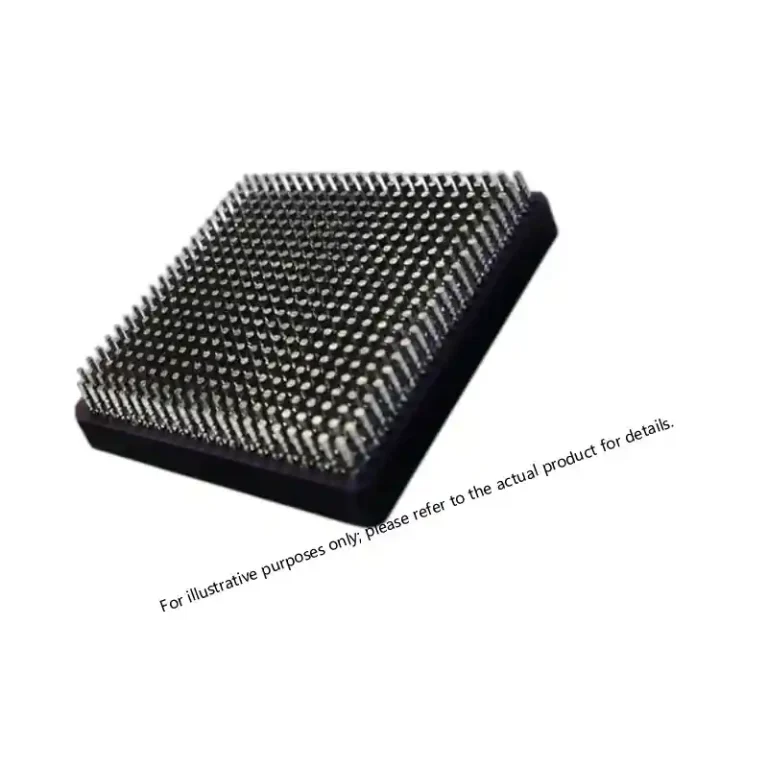
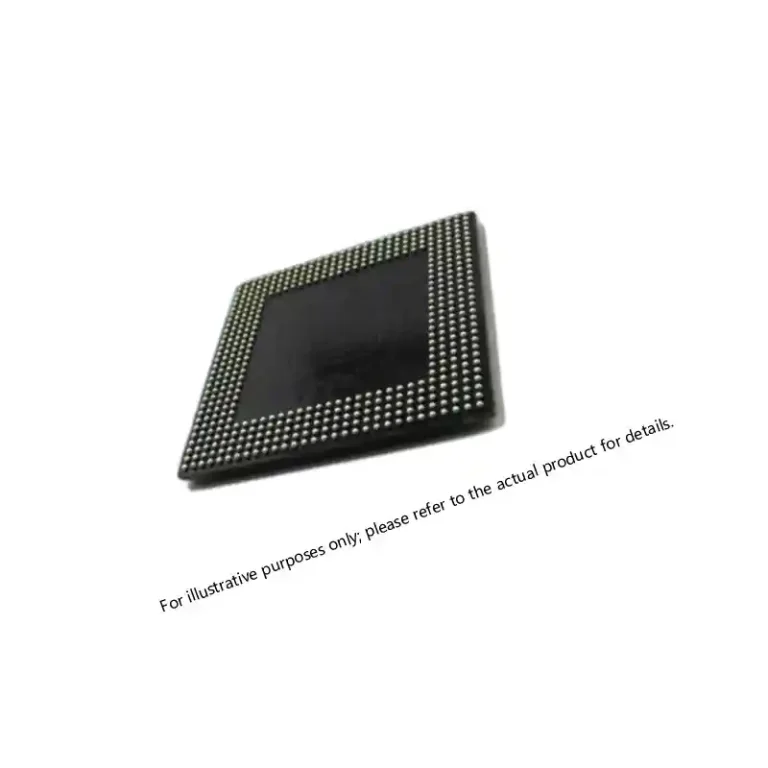
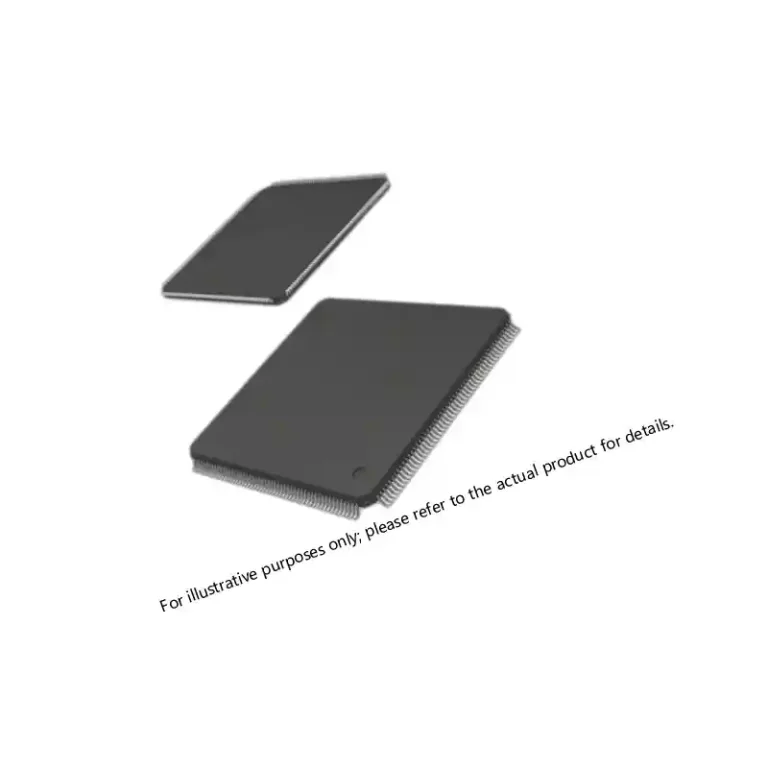
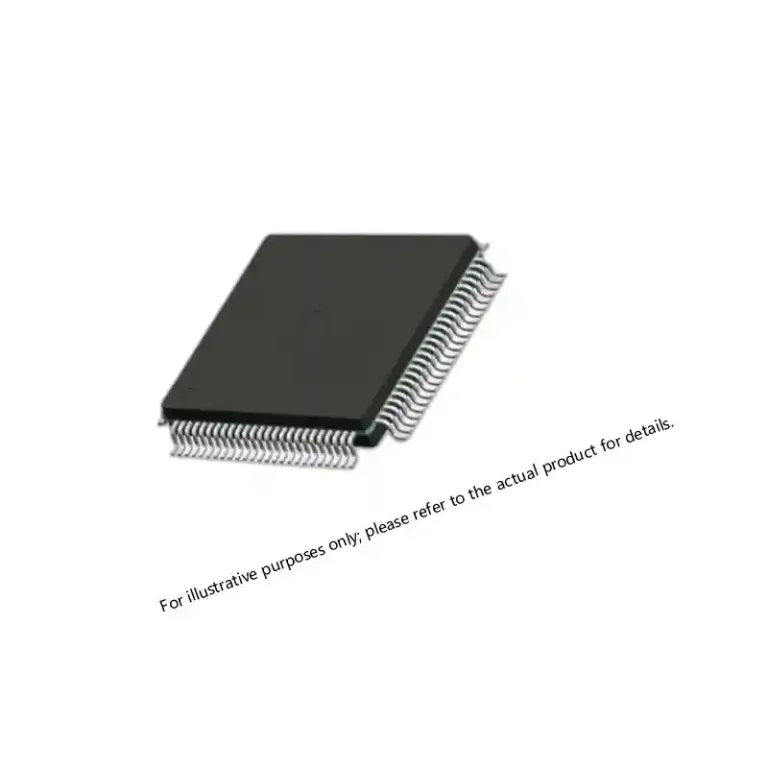
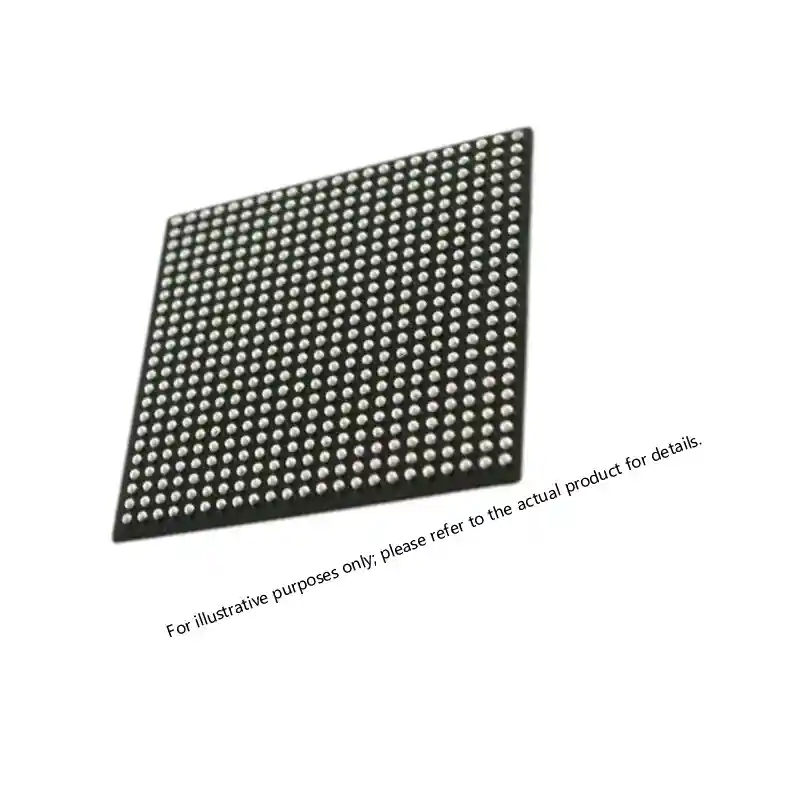
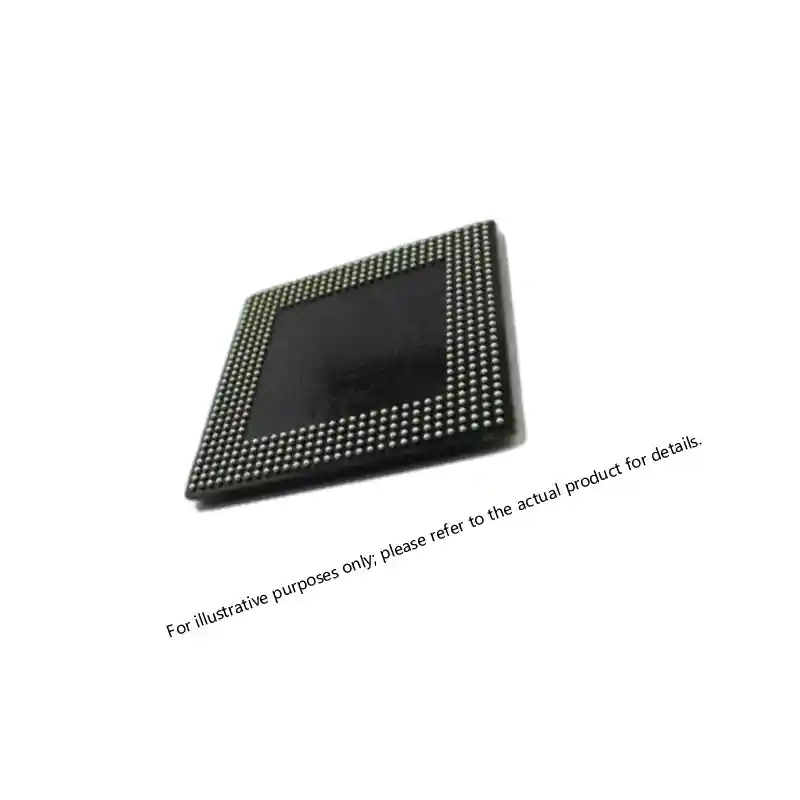
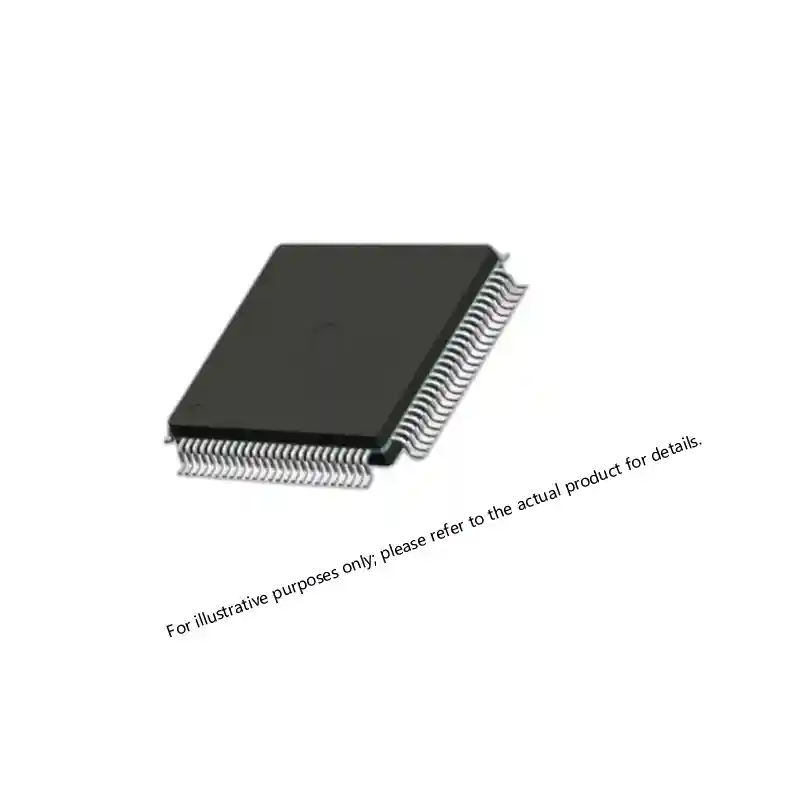
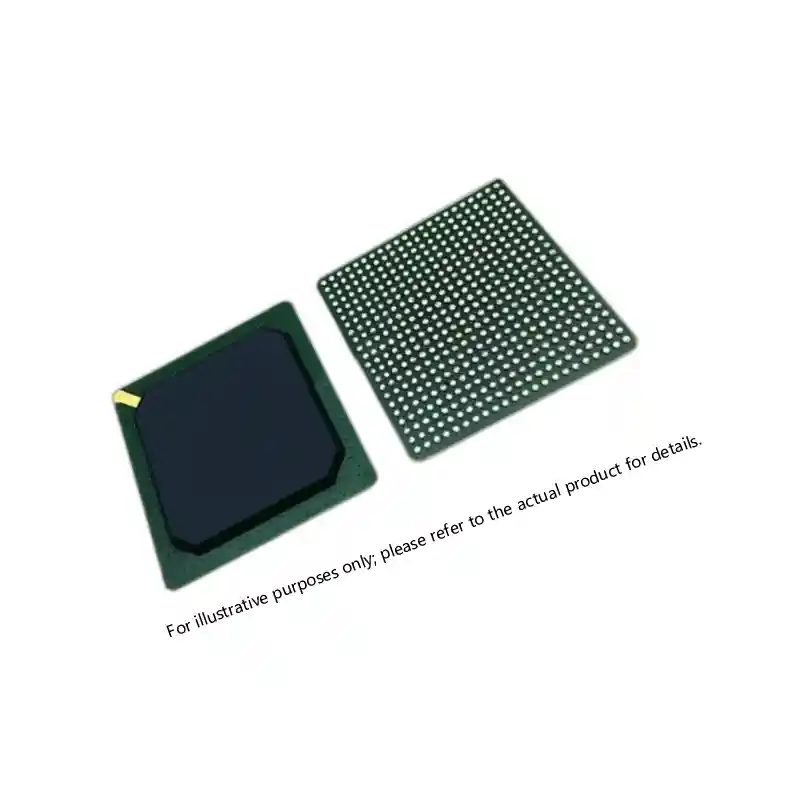
The package designator decides whether the part physically fits, and it is the designator buyers most often wave through. Two devices with the same 512K × 32 organization and the same supply rail can sit in different packages with different pinouts, different thermal paths, and different termination finishes.
Arrival inspection starts with the marking. Compare the marking against the ordered suffix, check that date codes are internally consistent across the lot, and look at the package body for signs of reworking: uneven coating, off-centre marking, or a surface that has been abraded. On a hermetic package, an obvious seal or lid irregularity is a question for the supplier, not something to accept quietly.
The grade portion of the suffix carries environmental qualification as well. A device built and tested for one temperature band is not the same article as one qualified for a wider band, even when the room temperature electrical table looks identical.
Package and marking inspection follows the same pattern across hi-rel families, including the companion FPGA devices that share these boards.
What Documentation Should Come With the Parts
Documentation is the part of the purchase that survives the program. Three separate things get confused: what the supplier declares, what the lot records show, and what your own inspection establishes.
Start with the requirement. A certificate of conformance is a statement against the purchase order. If the order read “EDI8L32512V15AI, quantity, date code window” and nothing else, the certificate can be entirely accurate and still say nothing about screening, storage history, or previous ownership. The document is only as strong as the specification it references.
Then keep the stages apart:
- Identity screening asks whether the item is what the label says. Marking, package, date code, and supplier traceability support this stage.
- Record validity asks whether the attached documents are genuine and internally consistent.
- Applicability asks whether the recorded tests cover the parameters this design depends on, at the conditions the design actually runs at.
- Release asks whether the responsible engineer accepts the lot for the program.
Each stage authorises a different decision, and none of them substitutes for the next. A photograph of a part supports identification. It does not support acceptance, and it does not make a measured value valid.
What Screening Records Prove and What They Do Not
Screening removes early-life failures by stressing parts and testing them against limits. It is valuable work, and it is routinely over-read.
A screening report describes tests run on a defined lot, to a stated flow, at stated conditions. It supports one claim: those tests were performed on that lot and the sampled parts met those limits. It does not certify parameters that were not tested, lots that were not sampled, or the die inside the package.
| Record | Method context | Responsible use | Do not infer |
|---|---|---|---|
| Distributor lot screening report | Screening performed on a defined lot to a stated flow | Confirms the listed tests were run on that lot | That untested parameters, or other lots, meet the same limits |
| Certificate of conformance | Issued against the requirements written on the purchase order | Confirms declared compliance with those requirements | Independent verification of the die or its origin |
| Date and lot code with package marking | Read from the parts as received | Supports traceability to a manufacturing window | Continuity of custody from the original manufacturer |
| Electrical test at the 15ns grade | Bench or ATE measurement at stated conditions | Confirms the sampled parts met the measured parameter | Margin across the full temperature and supply range |
| Photographs of a worn or re-marked item | Visual record of the item offered | Aids identification and prompts questions | Acceptance of the item, or validity of measured values |
Two consequences follow. First, up-screening a commercial-grade device through an independent test house produces test data, not qualified provenance. The die, the assembly site, and the qualification history do not change because a flow was applied afterwards. Qualification status under the QML system is a property of the device and the manufacturing line, not of a lot. Second, a screening report issued to a generic flow answers a generic question. If the program needs coverage at an extended temperature, or a specific parameter held across the supply range, that requirement has to appear in the purchase order before the lot is screened, not after the parts arrive.
Long-Term Availability for a 5V Asynchronous SRAM
5V asynchronous SRAM belongs to a shrinking category. New designs move to lower rails and synchronous interfaces, and manufacturers consolidate the older lines. The part stays available, but the supply model around it shifts from catalogue stock to managed scarcity, and that shift is what programs need to plan for.
Legacy hi-rel programs often keep an older device alive long after the catalogue listing changes. <A1020B-PG84B ACT2 FPGA: Specs, Sourcing, and Availability> covers how specification review and availability planning fit together for an older device family.
Last-Time Buy and Redesign Are Both Capital Decisions
A last-time buy converts a supply risk into an inventory and storage risk. It needs a demand forecast you trust, storage that controls humidity and ESD, and a plan for solderability on parts that may sit for years before they reach a rework bench. A redesign removes the storage risk and replaces it with qualification cost: new layout, new timing closure, new environmental testing, and a change board that has to approve every one of them.
The comparison is not close in the abstract, and it should not be made in the abstract. Programs with a short remaining life and a validated stock of tested parts usually find the buy cheaper. Programs with a decade of production ahead and a board already under revision usually find the redesign cheaper. The decision turns on remaining demand, the number of assemblies affected, and how much qualification evidence can be reused.
What Makes a Stored Lot Usable
Age alone does not condemn a lot. Packaging, storage conditions, and handling decide whether the parts are still usable. Parts held in original sealed packaging with humidity indication, inside an ESD-controlled area, present a different risk from loose parts in a bin. Before committing a stored lot to a build, verify marking and date code consistency, inspect terminations for corrosion, and confirm solderability against your own process.
Programs that support several assemblies at once carry this question across the whole bill of materials, not just the memory.
An RFQ Checklist for EDI8L32512V15AI Sourcing
A quote for the EDI8L32512V15AI is comparable to another quote only when both answer the same questions. The fields below decide the answer.
| RFQ field | What to state | Why it matters |
|---|---|---|
| Full ordering part number | EDI8L32512V15AI with the complete package and grade suffix | Prevents substitution of a 3.3V sibling or a different speed grade |
| Date code window | An acceptable manufacturing window, or an explicit acceptance of any traceable lot | Determines whether the lot fits the remaining life of the program |
| Documentation set | Certificate of conformance, lot traceability, and any screening reports you require | Defines what the quoted price actually includes |
| Electrical data | Whether measured data at the specified conditions is available | Separates a tested lot from a declared one |
| Packaging and ESD | Tray, tube, or tape format, and the ESD packaging requirement | Protects the parts and matches your incoming inspection process |
| Quantity and schedule | Annual demand, first-article quantity, and whether partial shipment is acceptable | Shapes pricing and supports last-time-buy planning |
Two suppliers can quote the same part number at very different prices and both be honest. One is quoting tested stock with lot traceability inside a narrow window. The other is quoting whatever arrives, with a certificate that mirrors the purchase order text. The gap is not visible in the unit price, and it does not close by asking for a better one.
Buyers assembling a defense bill of materials rarely source a single device in isolation. <XC7VX485T Virtex-7 FPGA: Performance and Sourcing for Defense> covers performance and sourcing considerations for a defense-grade FPGA.
Send the Requirements and Get a Traceable Quote
Send the full ordering part number, the quantity and any date code window, the documentation set your program requires, the temperature conditions the parts will run at, and the schedule you are working to. With those fields in hand, Sparkle Electronics can tell you what is in stock, what the traceability looks like, and what still needs testing before a lot is released to a build. Write to xuansc2144@gmail.com with that list and a call-back number, and we will reply with availability and the records we can supply, without treating a certificate as a substitute for the evidence your program actually requires.
FAQ
Is the EDI8L32512V15AI a 5V or a 3.3V device?
It is a 5V device. The V in the ordering code marks the 5V option and the 15 marks the 15ns speed grade. The same 512K × 32 organization also appears in a 3.3V version with a different speed grade and package suffix, so confirm supply and interface levels against the manufacturer data sheet for the exact suffix on your drawing before the board is released.
Can a faster device from the same family replace this part?
Not automatically. A faster speed grade changes timing margin, not the supply rail or the footprint. Substitution has to clear four questions in order: the same supply and interface levels, the same package and pinout, timing compatible with the existing decode logic, and engineering approval for the change. A part that is fast enough but built for a different rail is not a drop-in replacement.
Does a certificate of conformance confirm authenticity?
No. A certificate of conformance declares compliance with the requirements written on the purchase order. If the order did not specify traceability, screening, or a date code window, the certificate cannot describe them. Authenticity is supported by traceability back to the manufacturer, consistent marking and date codes, and incoming inspection, not by any single document.
What should be checked first when the parts arrive?
Marking and date code consistency against the ordered suffix, package condition, quantity, packaging format, and ESD protection. Then the electrical verification your program requires, at the conditions the design runs at. Any mismatch between the delivered item and the ordered suffix should stop acceptance and return to the supplier before the lot moves into stores.
If you’re interested, check out these related articles:
Virtex-7 XC7VX690T: Performance and Reliability Insights
XC7VX485T FPGA: Virtex-7 Performance for Defense
XCKU115 UltraScale FPGA: Powering Critical Defense Systems
XCKU085 UltraScale FPGA: Performance for Critical Systems
UltraScale KU085 FPGA Specifications for Defense Systems