V28A28M200BN DC-DC Converter: 28V/200W Sourcing Guide
Table of Contents
- What V28A28M200BN Does in a 28 V Power Architecture
- Electrical Parameters to Confirm Before Procurement
- Input Transient and Source Impedance Considerations
- Thermal Management and Derating
- Traceability and Acceptance Evidence for Defense Programs
- Documentation to Request
- Incoming Inspection
- System Loads, FPGAs, and Mixed-BOM Supply
- Sourcing Support for V28A28M200BN
- FAQ
- Is V28A28M200BN a direct form-and-fit replacement for other 28 V modules?
- What input range should the system design assume?
- What documentation should accompany the purchase?
- Can V28A28M200BN deliver 200 W continuously?
- How can a buyer check authenticity before installation?
V28A28M200BN is a 28 V input, 28 V output DC-DC converter rated for 200 W in a BN package. Defense and aerospace power designers evaluate this part when a regulated 28 V rail must be isolated, conditioned, or held stable under input transients and changing load demands. For procurement, the part number is only the starting point. The package suffix, screening level, documentation set, and incoming inspection plan determine whether the module can support a mission-critical design. This guide covers the electrical and mechanical details to confirm, the integration risks to manage, and the sourcing evidence to collect before issuing a purchase order.
What V28A28M200BN Does in a 28 V Power Architecture
V28A28M200BN is positioned where the input bus and the load share a nominal 28 V level, but the system still needs isolation, controlled regulation, or a defined power boundary. That requirement appears in avionics, radar processors, ground vehicle electronics, and communications payloads where the available 28 V source may be dirty, shared with other equipment, or subject to load dump and voltage excursions.
The 28 V to 28 V conversion is not redundant when the module is used correctly. Isolation separates the load from input-side noise and faults, while internal regulation holds the output within its specified tolerance even as the input moves across its allowable range. The BN package defines the mechanical outline, pin arrangement, and interface to the cold plate or chassis. Buyers should treat the full part number as the configuration identity, not just a generic 28 V converter.
Electrical Parameters to Confirm Before Procurement
V28A28M200BN selection should begin with the parameters that are easiest to overlook when a part number looks familiar. Confirm each value against the manufacturer data for the exact package and suffix.
| Parameter | What to confirm | Why it matters for the decision |
|---|---|---|
| Part number | Exact V28A28M200BN marking and package suffix | Package and pinout changes can make an alternate part mechanically incompatible |
| Input voltage | Nominal 28 V family, low-line and high-line limits, transient tolerance | A converter that survives the steady bus may fail during startup or load dump |
| Output | 28 V setpoint, tolerance, trim range, load regulation | The rail must remain within the load’s powered logic limits |
| Power | 200 W rating at the stated baseplate and ambient conditions | Maximum power is conditional on cooling, not available at every temperature |
| Protection | Input under/overvoltage, output current limit, thermal shutdown | Protection behavior changes how the module fails in a system fault |
| Mechanical | BN package outline, pin length, mounting surface, thermal interface | The module must fit the existing chassis and cold plate, not only the schematic |
The table should not be treated as a qualification record. It identifies the parameters to request and compare before the supplier quote becomes a design commitment.
Input Transient and Source Impedance Considerations
A 28 V defense power bus is rarely a clean laboratory source. Generators, vehicle electrical systems, and shared aircraft buses can produce ripple, surge, and temporary voltage collapse. V28A28M200BN must therefore be selected for the source behavior at the installation, not only the nominal bus voltage.
Source impedance also changes converter behavior. A DC-DC converter operating at constant output power behaves as a negative incremental input resistance: as the input voltage falls, the input current rises to maintain output power. That interaction can reduce stability margin when the source has significant inductance and the input filter is lightly damped. Designers should review the module’s input filter requirements and the source impedance together, especially in long cable runs or battery-operated platforms where the source impedance is not negligible.
Where the upstream source cannot be fully controlled, the procurement package should still ask for the manufacturer’s input voltage and transient application data. A module that meets the steady-state 28 V requirement may still need additional input protection in the system.
Thermal Management and Derating
The 200 W rating for V28A28M200BN is a thermal and electrical maximum, not an unconditional output. Baseplate temperature, airflow, mounting surface, and input voltage all affect how much power the module can deliver continuously. At elevated ambient temperatures or reduced airflow, the output current must be reduced according to the derating curve for the BN package.
Thermal qualification should start with the actual mounting method. A module mounted to an insufficient heat sink or an uneven surface may fail well below the published power level even if the electrical design is correct. The buyer should compare the converter’s maximum baseplate temperature and thermal impedance against the expected chassis temperature at the worst-case mission profile. If the program cannot accept derating, the evaluation should move to a higher-power part or to forced cooling before the layout is frozen.
The main procurement decision is not whether 200 W is enough in a nominal room-temperature test. It is whether 200 W remains available at the highest steady-state temperature, the lowest expected input voltage, and the longest sustained load condition the system will see.
Traceability and Acceptance Evidence for Defense Programs
For a defense power module, the component is not ready for installation when the electrical parameters are approved. The sourcing record must also show where the parts came from, how they were stored, and what evidence supports their authenticity.
Documentation to Request
A complete purchase package should include the certificate of conformance, lot or date code information, manufacturer traceability where available, and any requested test or screening records. For hi-rel applications, the buyer should define whether additional inspection, electrical verification, or outside testing is required before delivery. The request should specify the part number exactly and state the documentation level the program accepts.
Incoming Inspection
Incoming inspection must confirm the markings, package condition, lead or ball finish, and any signs of prior use or remarking. The BN package should be checked against the approved mechanical drawing, not only against a sample part. If the program requires it, sample electrical testing can verify basic input and output behavior, but a visual check alone should not be treated as acceptance for hi-rel service. The full approval basis remains the documented source and any agreed test records.
System Loads, FPGAs, and Mixed-BOM Supply
In many defense systems, a 28 V module such as V28A28M200BN supplies point-of-load regulators or directly feeds FPGA and DSP boards. The load step profile is part of the margin analysis. Large FPGA current transients and power-on sequencing can pull the upstream rail, so the converter’s dynamic response and the board-level capacitance must be evaluated together.
A regulated 28 V rail is often sized around the load steps and power-on sequencing of the FPGA it feeds. <XC7VX485T FPGA: Virtex-7 Performance for Defense> covers Xilinx Virtex-7 FPGA sourcing considerations for defense systems.
For programs that source the complete power and processing chain, the same traceability discipline should extend to adjacent hi-rel devices. Sparkle Electronics supports mixed-BOM procurement with devices including M2S150T-FCG1152I 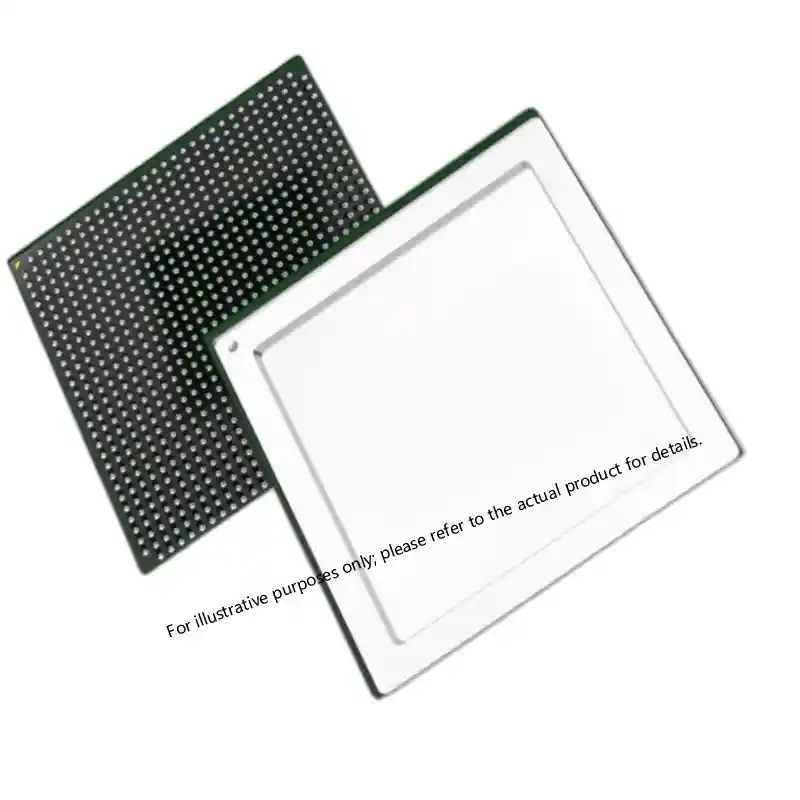 , A54SX72A-1CQ208B
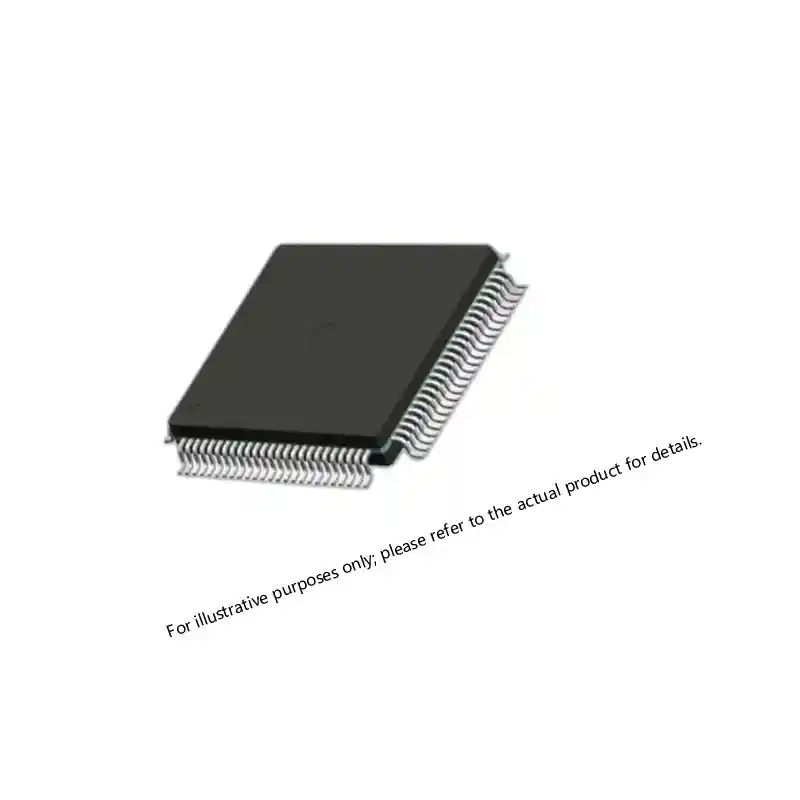 , AX1000-CQ352M
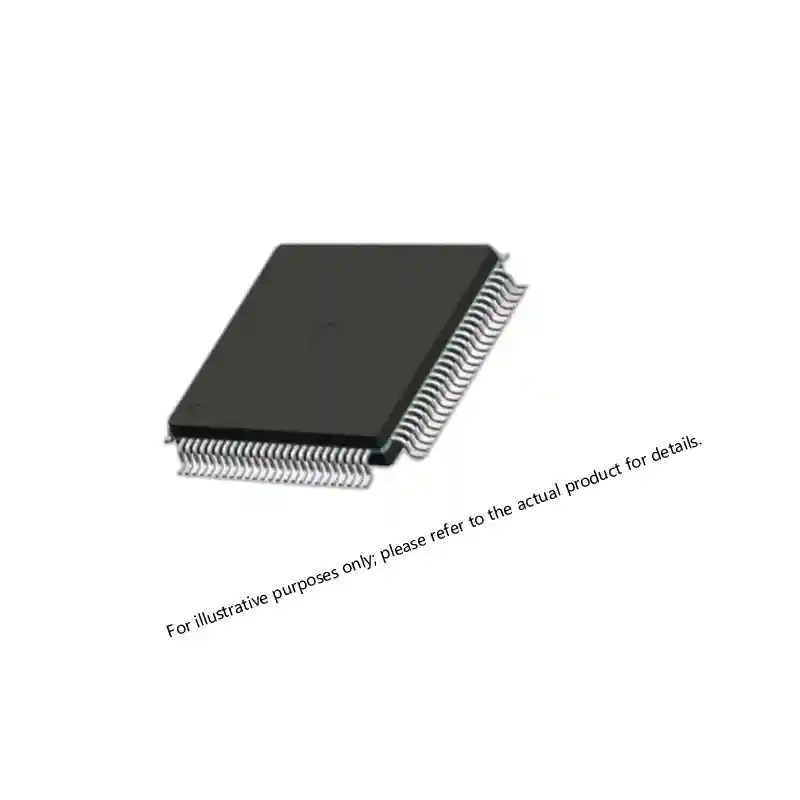 , A54SX72A-CQ208B
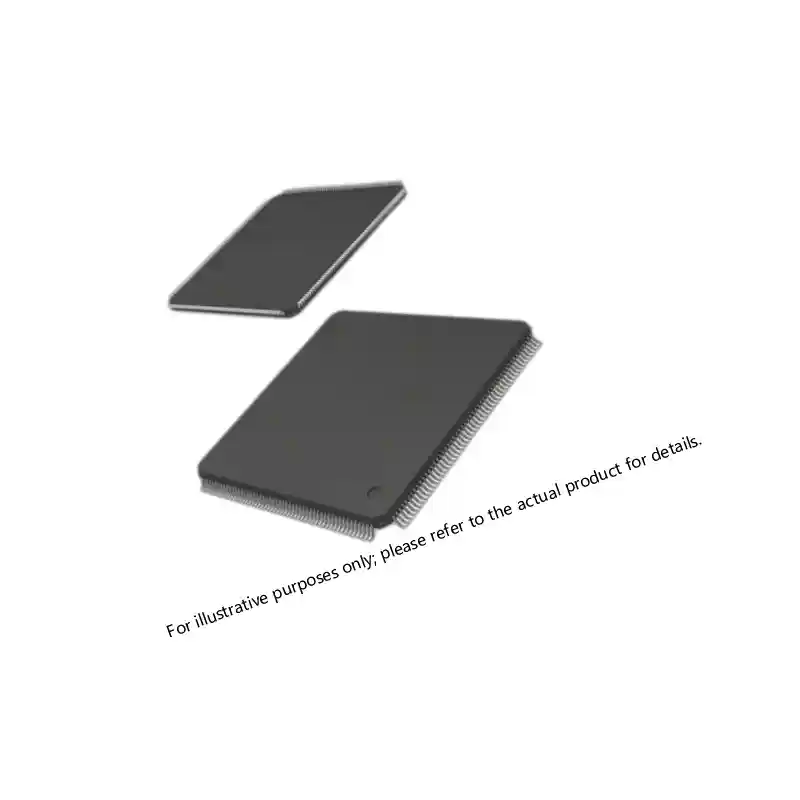 , and A3PE1500-1FGG676I
 .
Sourcing Support for V28A28M200BN
Send the required part number, target quantity, date code or lot requirements, and any screening, test, or documentation conditions that the program needs. Sparkle Electronics can check available stock, coordinate the required records, and confirm whether the supplied configuration matches the BN package requirements before quotation. Contact xuansc2144@gmail.com for a technical and availability review.
FAQ
Is V28A28M200BN a direct form-and-fit replacement for other 28 V modules?
Not automatically. The part may have a different package, pinout, protection behavior, or input range even when the nominal input and output voltages look similar. Confirm the mechanical drawing, mounting surface, control pin function, and derating curve before treating it as a replacement.
What input range should the system design assume?
The design should use the manufacturer’s low-line and high-line limits for the specific module, not only the nominal 28 V bus. The input requirement should also include the expected transients, ripple, and source impedance at the installation. A converter that works from a bench supply may need additional input protection in a vehicle or aircraft power bus.
What documentation should accompany the purchase?
Ask for a certificate of conformance, lot or date code identity, and any agreed screening or test records. For defense use, the receiving organization should also define whether additional inspection, electrical sample verification, or outside testing is needed before the parts are accepted into program stock.
Can V28A28M200BN deliver 200 W continuously?
The 200 W rating is conditional on cooling and electrical conditions. Baseplate temperature, airflow, mounting surface quality, and input voltage all affect continuous output capability. The buyer should review the derating curve and compare it with the worst-case mission thermal profile before committing the part to a design.
How can a buyer check authenticity before installation?
Start with mark verification, package condition, lead or ball finish, and evidence of prior use or remarking. Compare the module against the approved BN package drawing. If the risk level requires it, perform sample electrical testing or coordinate outside screening. A traceable source and complete documentation remain more reliable than a visual check alone.
If you’re interested, check out these related articles:
XCKU085 UltraScale FPGA: Performance for Critical Systems
Virtex-7 690T FPGA: Performance for Mission-Critical Systems
Virtex-7 XC7VX690T: Performance and Reliability Insights
XCKU115 UltraScale FPGA: Powering Critical Defense Systems
XC7VX485T Virtex-7 FPGA: Performance and Sourcing for Defense