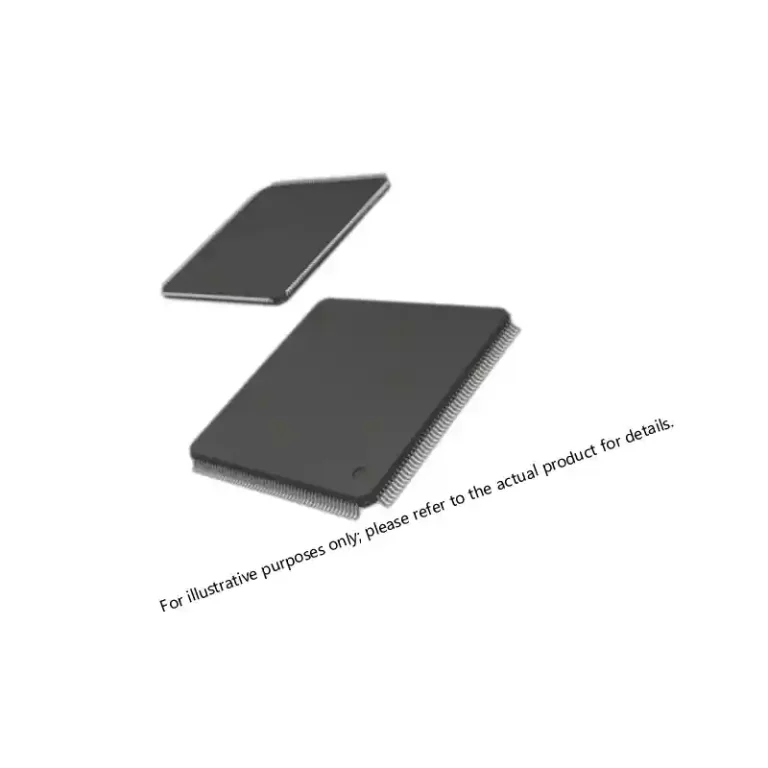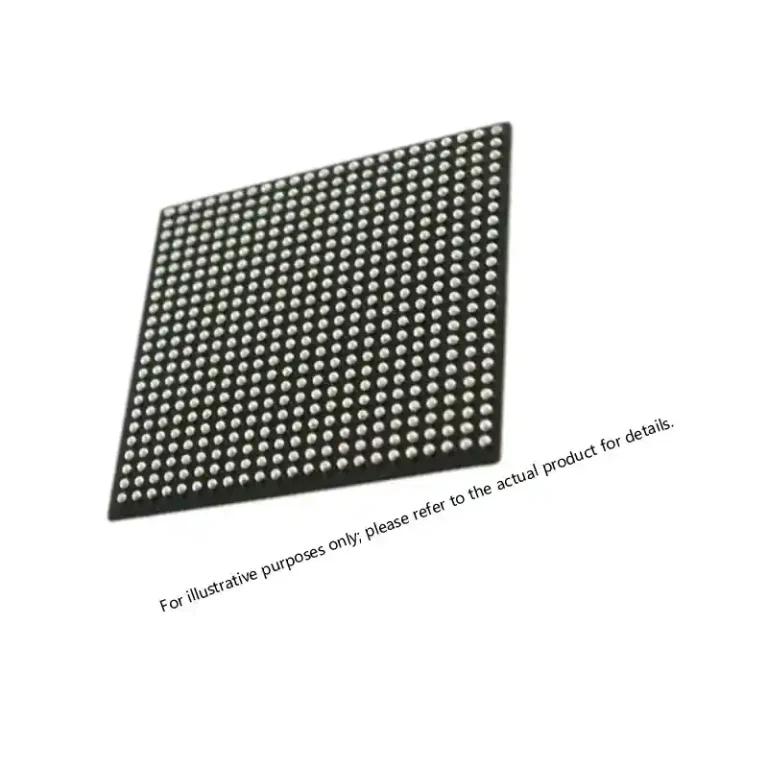
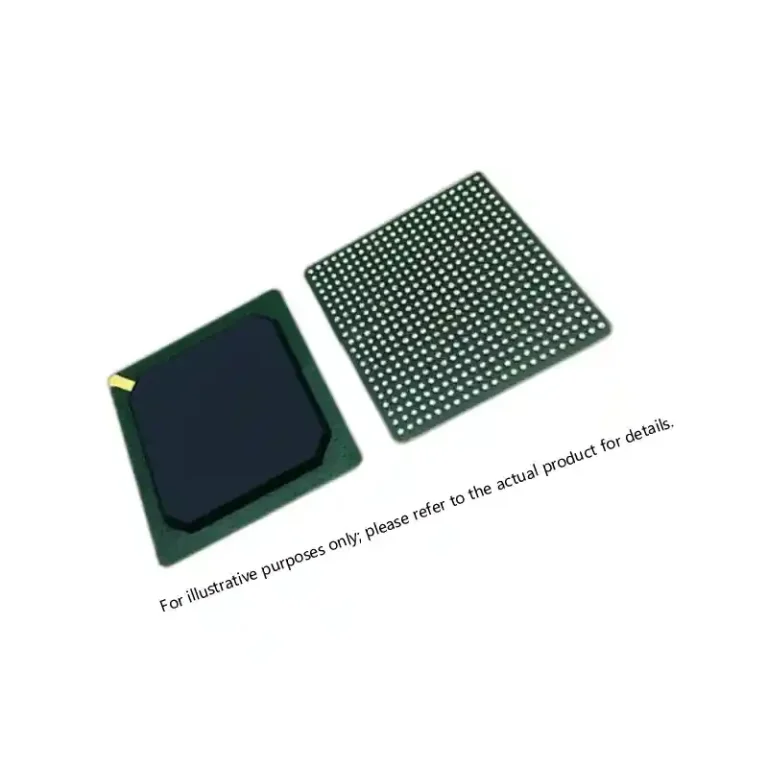
Xilinx Virtex Military FPGA Sourcing for Defense Computing
Table of Contents
- Virtex Military FPGA Families for Defense Programs
- Technical Capabilities for High-Performance Defense Computing
- Comparing Virtex Families: Specifications, Temperature Ratings, and Radiation Tolerances
- Sourcing Military-Grade FPGAs: Compliance, Traceability, and Documentation
- Mitigating Supply Chain Risks: Counterfeit Prevention and Lifecycle Management
- Securing Your Virtex FPGA Supply Line
- What Defense Procurement Teams Ask About Virtex FPGA Sourcing
- Are military‑grade Virtex FPGAs always marked with a “Q” or “M” suffix?
- Can a commercial Virtex be upscreened to meet MIL‑STD‑883 requirements?
- How do I verify that a distributor is authorized to sell Xilinx military devices?
- What is the most common cause of FPGA-related program delays?
Virtex military FPGA sourcing for defense computing demands more than selecting a part number. The performance specifications—logic density, DSP slices, transceiver speed—are well documented by Xilinx. What receives far less attention is the procurement discipline that turns a qualified component into a program-ready asset. Over a decade of supporting defense contractors has shown me that supply chain integrity often determines fielded system performance as much as any silicon parameter. This article examines the Virtex military FPGA families that defense programs rely on, the compliance documentation you actually need to request, and the sourcing practices that reduce the risk of counterfeit or misrepresented parts entering the production stream.
Virtex Military FPGA Families for Defense Programs
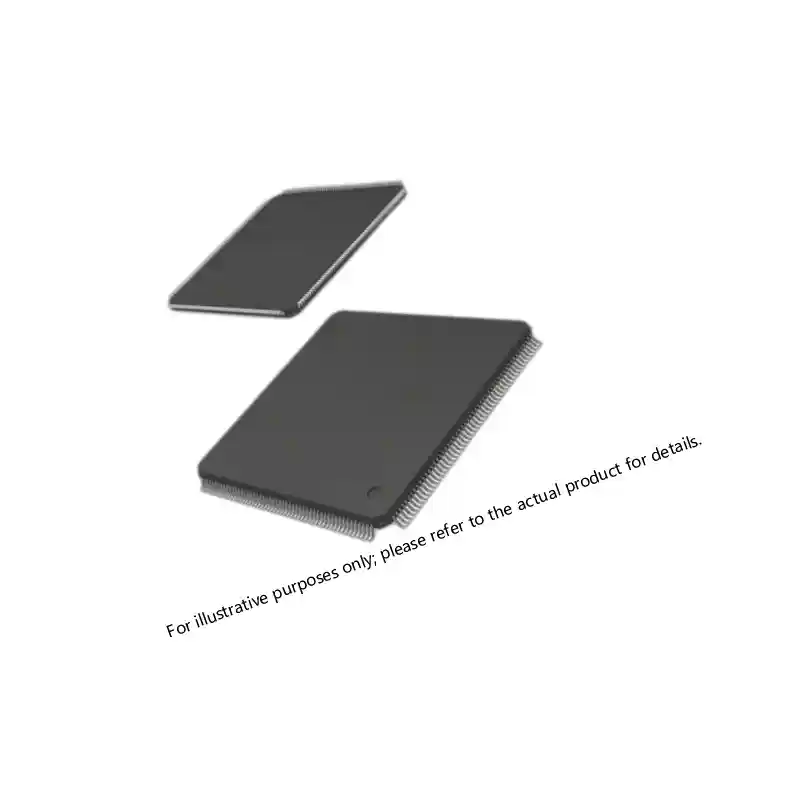
Xilinx has sustained military-temperature and radiation-tolerant Virtex devices across multiple generations. The families that appear most often in our defense customer BOMs span Virtex-II Pro through Virtex-7 and, in some long-running programs, the earlier Virtex-E and Virtex-II. What separates a commercial Virtex from a defense-qualified device is the screening flow: MIL-STD-883 Class B or equivalent, extended temperature range, and in some cases QML-V certification.
The Virtex-5QV represents the first purpose-built space-grade member of the family, offering 131k logic cells, 320 DSP slices, and 18‑Gbps transceivers. It is fabricated on a radiation-hardened 65‑nm process and carries QML-V qualification. I have seen programs select the Virtex-5QV for geostationary payload processing because its single-event upset hardness is backed by extensive flight heritage, not just simulation data. For programs with less demanding radiation environments, industrial-rated Virtex-5 and Virtex-6 devices with binned military temperature screening can provide substantial cost savings while still meeting performance targets.
The Virtex-7 family adds 28‑nm capability with up to 2 million logic cells and integrated 28‑Gbps transceivers. A defense-grade Virtex-7 ordered through authorized channels with full upstream traceability and —55°C to 125°C screening will satisfy most airborne radar and electronic warfare requirements without the lead time premiums associated with rad-hard equivalents. The newer Kintex and UltraScale families are beginning to replace Virtex‑6 and Virtex‑7 in some new designs, but program qualification cycles are long; Virtex‑6 and Virtex‑7 will remain procurement staples through at least the end of this decade.
Technical Capabilities for High-Performance Defense Computing
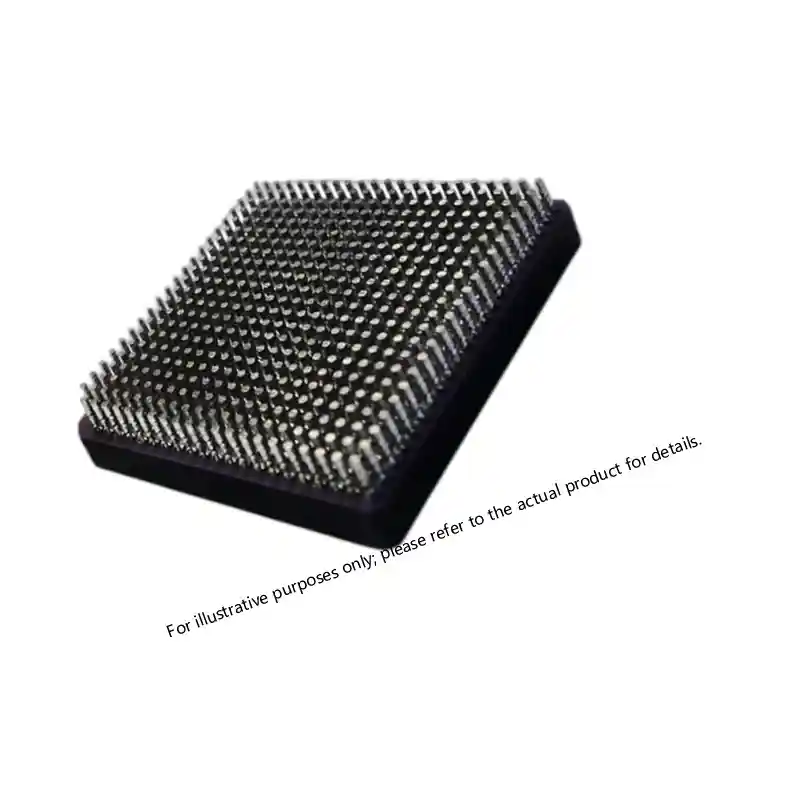
High-performance defense computing workloads—digital beamforming, pulse compression, real-time spectral analysis, encryption—are effectively parallel problems that map naturally to FPGA fabric. Virtex devices succeed in these applications because they offer the right balance of logic, DSP, and memory bandwidth in a single die.
A Virtex-7 XC7VX690T, for example, provides 3,600 DSP48E1 slices that can operate at 741 MHz, delivering over 5.3 TMACs of multiply-accumulate throughput. For a synthetic aperture radar processor, that capability means a single chip can handle the azimuth compression of a wide-swath stripmap mode without an array of discrete DSPs. In my dealings with radar subsystem designers, the conversation often moves quickly from raw MAC counts to the real bottleneck: moving data from the ADCs into the FPGA. The Virtex-7’s 72 transceivers supporting 28‑Gbps line rates mean that four GSps-class ADCs can feed the device simultaneously without forcing the board designer into exotic interposers.
Block RAM resources are equally important. A Virtex‑7 XC7VX485T ships with 2,060 36‑Kbit block RAMs, enough to build multi‑megabyte on‑chip data buffers for time‑delay integration or JTIDS-like frequency‑hopping spread‑spectrum waveform storage. When we work with a program that has a tight SWaP envelope, the ability to avoid external SRAM by leveraging internal block RAM can be the deciding factor between a single‑board implementation and a multi‑card chassis.
Comparing Virtex Families: Specifications, Temperature Ratings, and Radiation Tolerances
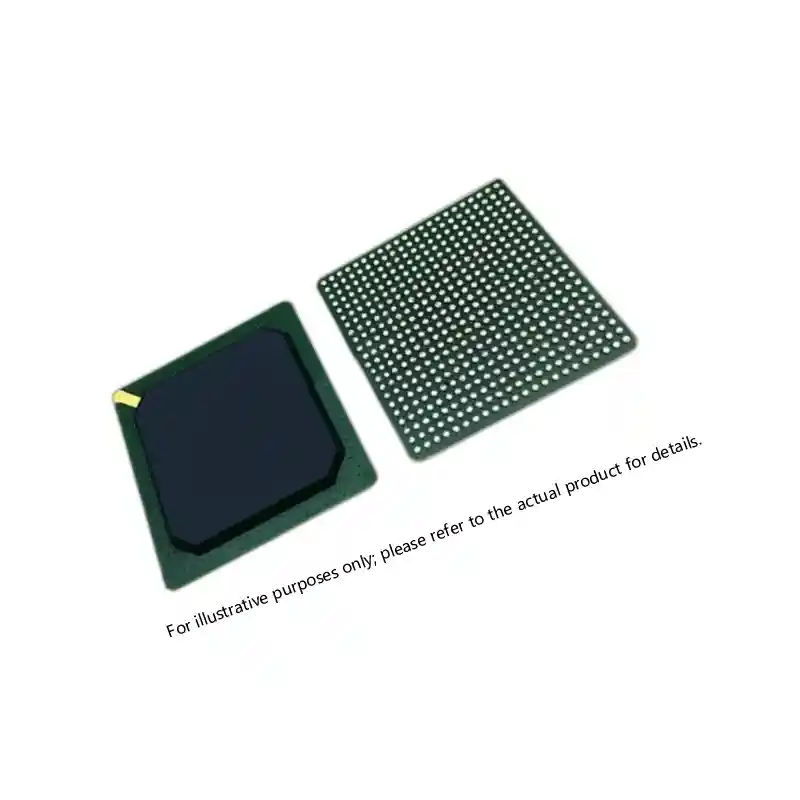
A side‑by‑side comparison across commonly procured Virtex families illustrates where performance and environmental tolerance trade off. The table below summarizes representative values; confirmed specifications for a specific speed grade and package must be verified against the manufacturer’s latest data sheet.
| Parameter | Virtex‑5QV (XC5VFX130T) | Virtex‑6 (XC6VLX550T) | Virtex‑7 (XC7VX690T) |
|---|---|---|---|
| Logic Cells | 130k | 550k | 693k |
| DSP Slices | 320 | 864 | 3,600 |
| Max Transceiver Rate | 18 Gbps | 6.5 Gbps (GTX) | 28 Gbps |
| Temp Range (MIL) | –55°C to 125°C | –55°C to 125°C (screened) | –55°C to 125°C (screened) |
| Radiation Hardening | Rad‑hard by design, QML‑V | TID tolerant, no latch‑up immune | TID tolerant, available with enhanced low‑dose rate screening |
| Typical Lead Time (2025) | 26–40 weeks | 18–30 weeks | 16–28 weeks |
The lead time column reflects what we see across multiple authorized supply chains, not a single quarter snapshot. Lead times for rad‑hard Virtex‑5QV devices have remained stubbornly long while Virtex‑7 industrial‑grade parts with military screening tend to arrive 8–12 weeks faster. A defense program that can accept an MIL‑screened device instead of a QML‑V part often accelerates integration by two quarters.
Sourcing Military-Grade FPGAs: Compliance, Traceability, and Documentation
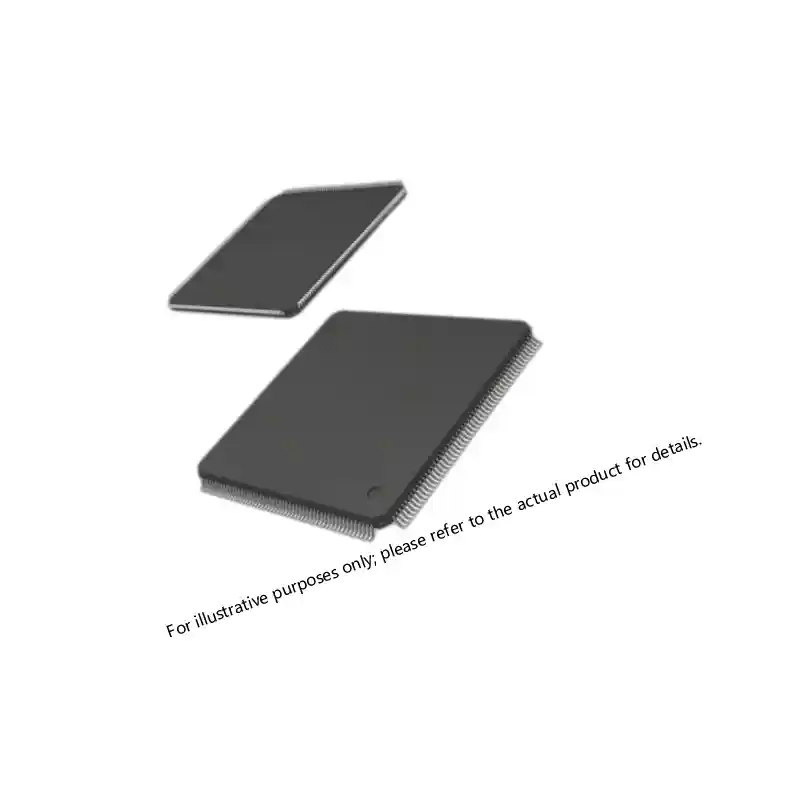
Component authenticity in the military FPGA supply chain is not a field‑inspection problem; it is a documentation problem. The silicon itself is rarely distinguishable from a commercial part by visual inspection. The difference lies in the paper trail: certificate of conformance (CoC) with stated lot codes, full chain‑of‑custody records, and evidence that the device passed the screening flow specified in the purchase contract.
For virtually all defense programs, the minimum acceptable documentation package includes a manufacturer’s CoC tied to the exact device marking, a lot traceability report showing custody from the foundry through authorized distribution, and an independent visual inspection report if the device is older than 180 days from date code. I have seen a program lose six weeks of schedule because it accepted a “competitive quote” that delivered parts with photocopied CoCs bearing mismatched wafer lot numbers. The cost of re‑procurement exceeded the initial “savings” by a factor of four.
If your program requires QML‑V or Class S devices with full pedigree, confirming the distributor’s AS9120 or AS6081 certification before placing an order saves weeks of rework. Reach out at xuansc2144@gmail.com to discuss your documentation requirements.
Mitigating Supply Chain Risks: Counterfeit Prevention and Lifecycle Management
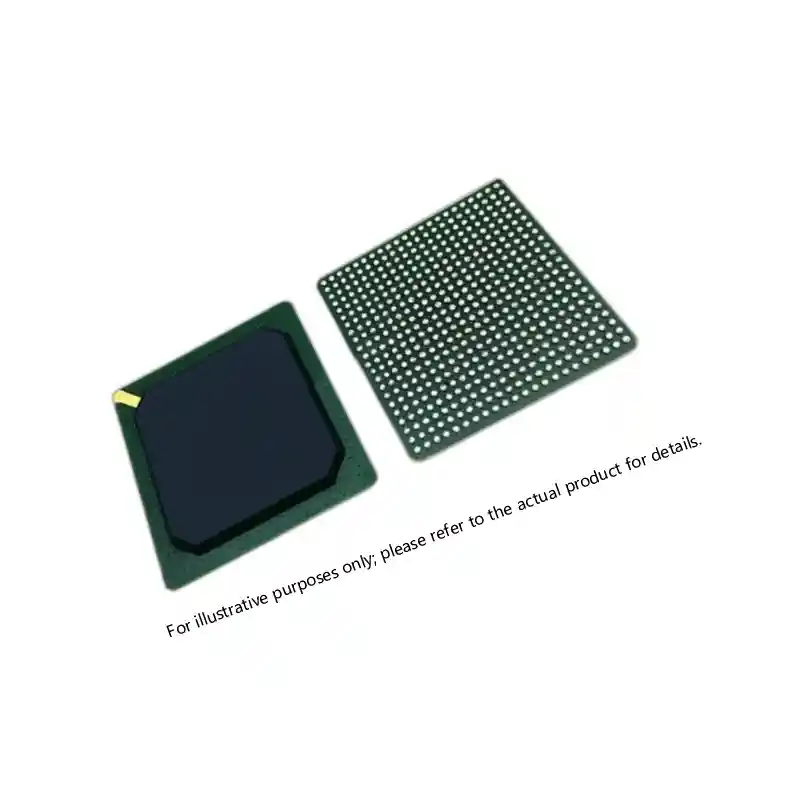
Counterfeit Virtex FPGAs typically enter the supply chain through one of three paths: remarked commercial devices sold as military‑screened, used devices that have been reballed and resold as new, or devices from excess stock that have lost their original traceability. All three scenarios undermine field reliability in ways that are invisible to standard functional testing.
The most effective countermeasure we advise is to require the distributor to provide a lot‑by‑lot incoming inspection record that includes decapsulation analysis for any lot with a date code older than two years. For programs that must manage end‑of‑life FPGA families, we build die‑banking agreements with authorized sources and lock in a last‑time‑buy schedule during design review, not after the obsolescence notice arrives.
Long‑duration defense programs that span 15–20 years cannot rely on spot buying. We typically recommend a strategic inventory position for the most serial‑dependent FPGA—the one that, if unavailable, would force a respin of an entire processing board. Keeping a six‑ to twelve‑month buffer of that single part number has prevented program stoppages more times than I can count.
Securing Your Virtex FPGA Supply Line
The difference between a delivered part and a program‑ready component is the documentation chain that backs it. Sparkle Electronics supports defense contractors and system integrators with traceable Virtex military FPGAs accompanied by complete certificate of conformance, lot traceability, and compliance documentation. To discuss your specific Virtex part number requirements, share your BOM and program timeline with David Lin at xuansc2144@gmail.com.
What Defense Procurement Teams Ask About Virtex FPGA Sourcing
Are military‑grade Virtex FPGAs always marked with a “Q” or “M” suffix?
Not always, and that is a misconception that leads to procurement errors. Xilinx military‑grade devices sometimes carry standard commercial markings with a separate qualification certificate. The marking alone is not a reliable indicator of mil‑qualification. You need the manufacturer’s CoC stating the screening flow. In programs we support, we decode the part number against the Xilinx defense‑grade orderable part list and cross‑check the top‑side marking with the lot test report before shipment.
Can a commercial Virtex be upscreened to meet MIL‑STD‑883 requirements?
Upscreening is possible for some parameter tests—temperature cycling, burn‑in, X‑ray—but it does not replicate the design‑level hardening of a rad‑tolerant device. When a program considers upscreening to shorten lead time, we evaluate whether the worst‑case latch‑up and TID conditions of the mission environment are within the commercial part’s published margins. Upscreening a commercial Virtex‑7 for a benign‑environment airborne processor is often workable; doing the same for a satellite payload is not.
How do I verify that a distributor is authorized to sell Xilinx military devices?
Request the distributor’s certificate of authorization from Xilinx’s approved military distribution network, then confirm directly with the Xilinx regional sales office. An independent distributor that cannot produce an authorization letter but claims “direct OEM relationship” should raise immediate caution. Where we sit in the supply chain, we provide authorization documentation upfront and welcome verification calls—that level of transparency is what defense buyers deserve.
What is the most common cause of FPGA-related program delays?
Documentation failure during incoming inspection. A part that arrives with a mismatched date code on the CoC or a certificate from an unaccredited test house will sit in quarantine while the quality team opens a non‑conformance report. Delays of 30–45 days are typical. The fix is to insist on a pre‑shipment inspection report and complete documentation before the parts leave the distributor’s facility. If your program is schedule‑sensitive, share your incoming inspection checklist early so we can align the paperwork package before booking the courier.
If you’re interested, check out these related articles:
Virtex-7 XC7VX690T: Performance, Reliability, and Integration
Virtex-7 XC7VX690T: Performance and Reliability Insights
XCKU115 UltraScale FPGA: Powering Critical Defense Systems
XCKU085 UltraScale FPGA: Performance for Critical Systems
UltraScale KU085 FPGA Specifications for Defense Systems