FPGA vs ASIC for Defense: Key Factors for Program Success
Table of Contents
- What Performance Differences Exist Between Military FPGAs and ASICs?
- What Are the True Costs of FPGA vs ASIC for Defense Programs?
- How Do Supply Chain and Lifecycle Risks Shape the FPGA vs ASIC Decision?
- How Should You Choose Between FPGA and ASIC for Your Program?
- Secure Your Defense Component Supply with a Partner That Understands the Trade‑Offs
- Common Questions About FPGA vs ASIC in Defense Applications
- At what volume does an ASIC become cheaper than an FPGA?
- Can FPGAs satisfy radiation‑hardened requirements for space and missile applications?
- How do I confirm the authenticity of military FPGAs?
- What second‑source options exist for FPGAs?
- How can I get help with military component sourcing right now?
Choosing between an FPGA and an ASIC for a defense program is not a purely technical decision. It is a procurement strategy with consequences for supply chain security, lifecycle support, and cost credibility. Many analyses focus on chip architecture and NRE figures, but defense programs face a very different reality. Over twelve years of sourcing military-grade components, I have learned that the right answer often depends on volume uncertainty, counterfeiting risk, and second-source availability — not just performance data. The FPGA vs ASIC for defense debate must account for how you will actually obtain, verify, and sustain devices across decades.
What Performance Differences Exist Between Military FPGAs and ASICs?
In defense electronics, the fundamental difference between an FPGA and an ASIC is flexibility versus optimization. An ASIC is a custom chip designed for a single, fixed function. Once fabricated, its logic cannot change. An FPGA uses reconfigurable logic blocks that can be reprogrammed after deployment. For defense programs, this distinction matters heavily in signal processing, radar, electronic warfare, and secure communications — where algorithm updates or waveform changes may be needed long after fielding.
Military FPGAs from manufacturers like AMD (formerly Xilinx) and Microchip (Microsemi) incorporate dedicated security features such as encrypted bitstream loading and tamper detection. These devices are tested to MIL‑STD‑883 and QML Class Q or V for high‑reliability environments. An ASIC can also be designed with security in mind, but any logic change requires a new mask set and fabrication run — costing millions and adding 12 to 18 months to the schedule. This rigidity makes an ASIC a liability in programs that must adapt to evolving threats.
On performance, an ASIC optimized for a particular task can achieve lower power consumption and faster execution than an FPGA running the same function in programmable fabric. The gap has narrowed, though. Modern FPGAs like Virtex UltraScale+ and PolarFire families now integrate hardened blocks for high‑speed I/O, DSP, and memory, shrinking the performance difference for many defense applications. For most programs I support, the ability to update functionality without respinning silicon outweighs the incremental power savings of a custom ASIC, especially when long‑term supply assurance is factored in.
What Are the True Costs of FPGA vs ASIC for Defense Programs?
Cost comparisons that focus only on unit price miss the full picture. The table below captures the major cost elements defense buyers need to weigh.
| Cost Factor | FPGA | ASIC |
|---|---|---|
| NRE (design, mask) | $0 (standard product) | $500k–$5M+ |
| Unit cost (1k units) | $500–$2,000 | $50–$200 |
| Unit cost (100k units) | $200–$800 | $5–$20 |
| Time to first prototype | Days to weeks | 12–18 months |
| Certification (QML) | Already qualified | New qualification needed |
| Obsolescence risk | Lower (multiple supply paths) | High (sole source) |
In defense budgets, the large NRE of an ASIC can only be amortized over a fixed production quantity. If program cuts or mission changes reduce volumes, the ASIC unit cost inflates because the upfront cost is sunk. FPGAs avoid that risk; you pay only for the parts you buy. I have seen programs where projected ASIC volumes were never met, leaving the contractor with a $2 million NRE bill and no path to cost recovery — a scenario no program manager wants to explain.
Qualification costs add another layer. Certifying a new ASIC under MIL‑PRF‑38535 or MIL‑STD‑883 can consume hundreds of thousands of dollars and a year of testing. Off‑the‑shelf military FPGAs already carry these certifications, reducing both cost and schedule pressure.
How Do Supply Chain and Lifecycle Risks Shape the FPGA vs ASIC Decision?
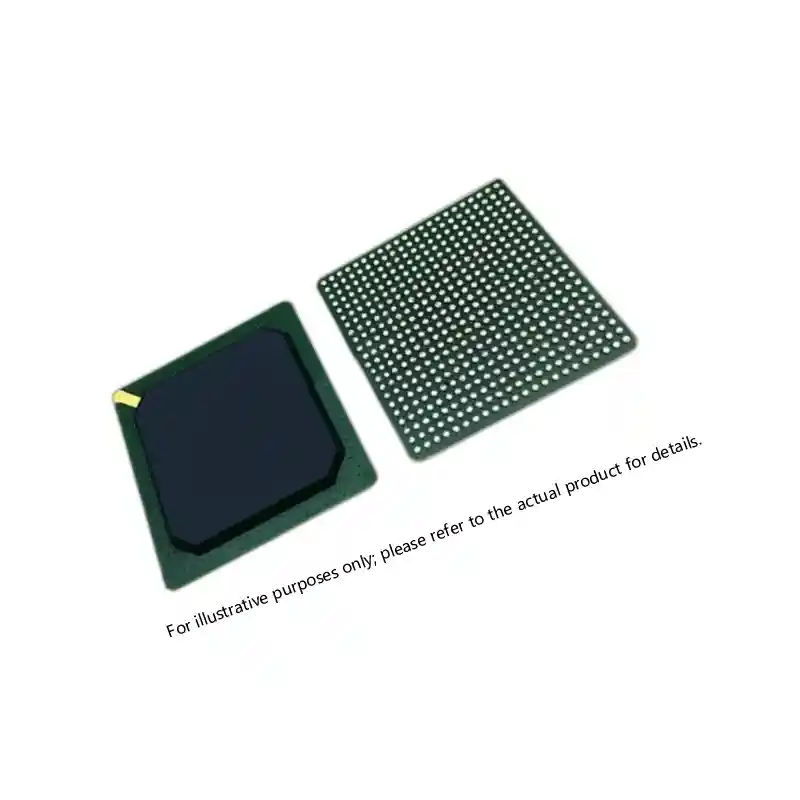
Defense supply chains face persistent threats from counterfeit components, unauthorized substitutions, and extended lead times. Here, FPGAs have a practical edge. A standard military FPGA such as the Actel A3P1000 or Xilinx Spartan‑6 can be sourced through multiple authorized distributors, with full traceability back to the wafer lot. We require Certificates of Conformance and lot test data for every shipment — standard practice for procuring MIL‑SPEC FPGAs.
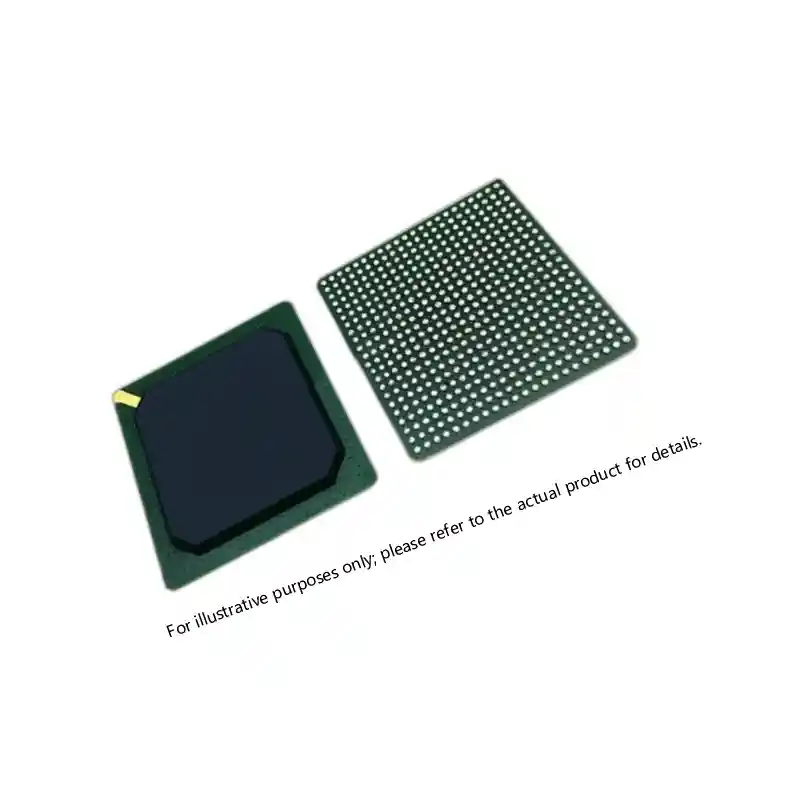
An ASIC is typically procured directly from the design house or foundry, giving the buyer fewer oversight options. If that foundry encounters capacity problems or discontinues a process node, the program is stranded. I helped a defense contractor recover after a sole‑source ASIC supplier went end‑of‑life with no drop‑in replacement. The only remedy was a costly redesign around an FPGA — a transition that would have been unnecessary if an FPGA had been chosen from the start.
Lifecycle management further separates the two technologies. Defense programs routinely operate for 20 to 30 years. During that time, threats evolve, communication protocols change, and security vulnerabilities are discovered. An FPGA can be updated with a new bitstream; an ASIC requires a new chip. That difference alone often tilts the decision toward FPGA for any system needing post‑deployment updates, such as radar processors or secure radios.
Obsolescence is another FPGA strength. When a particular FPGA family goes end‑of‑life, the design can frequently be migrated to a newer, pin‑compatible device with minimal redesign. ASICs offer no such path. I have worked with programs that initially chose an ASIC for cost reasons only to face a last‑time‑buy crisis when the foundry stopped support. They stored thousands of ASICs in bonded warehouses — a practice that ties up capital and still carries shelf‑life risks. With FPGAs, such emergencies are rare if you work with a distributor that maintains deep stock of military‑grade parts.
Counterfeiting is especially dangerous with custom ASICs because no generic test procedure exists. A cloned ASIC can pass functional testing but fail under extreme conditions. By working with authorized distributors that perform incoming inspection per MIL‑STD‑883, defense programs can materially reduce the risk of introducing counterfeit devices into mission‑critical systems.
How Should You Choose Between FPGA and ASIC for Your Program?
The choice boils down to volume certainty, schedule flexibility, and risk tolerance. If your program has a firm commitment for more than 200,000 units over five years, and the design is completely stable with no expected updates, an ASIC may deliver the lowest total cost. In my experience, those ideal conditions rarely appear in defense. Budget cycles shift, mission requirements change, and production quantities are often cut.
For most programs I support, the right approach is to begin development with an FPGA, validate the design, and consider an ASIC transition only after production reaches a sustained annual volume in the tens of thousands. Even then, the flexibility to patch security flaws or add capabilities often outweighs the per‑unit savings of an ASIC. When procurement agility and supply chain resilience are critical — and they always are in defense — an FPGA is the lower‑risk choice.
Secure Your Defense Component Supply with a Partner That Understands the Trade‑Offs
Every defense program carries a unique mix of volume, schedule, and security requirements. At Sparkle Electronics, we go beyond simple distribution — we help defense contractors evaluate the real‑world availability, lead times, and long‑term support risks tied to their technology choices. If you are weighing FPGA vs ASIC for your program and need a sourcing partner who speaks both engineering and procurement, send your part numbers and program details to xuansc2144@gmail.com. We will respond with pricing, stock status, and a supply plan aligned to your program lifecycle.
Common Questions About FPGA vs ASIC in Defense Applications
At what volume does an ASIC become cheaper than an FPGA?
The break‑even point varies with design complexity, but for most defense‑grade mixed‑signal or digital designs, it falls between 100,000 and 500,000 units over the program life. Below that, FPGAs are almost always more cost‑effective when NRE is included. I recommend that defense procurement teams avoid relying on a single break‑even forecast; model three volume scenarios before committing NRE funds.
Can FPGAs satisfy radiation‑hardened requirements for space and missile applications?
They can, and many do. FPGA families such as Microchip’s RT PolarFire and certain Xilinx Kintex UltraScale devices are specifically designed for radiation environments. These devices undergo rigorous qualification to MIL‑STD‑883, TM 1019, and other radiation test standards. ASICs can be rad‑hardened as well, but the cost and schedule impact of adding rad‑hard design rules to a custom chip often makes the FPGA route faster and more predictable.
How do I confirm the authenticity of military FPGAs?
Purchase only from authorized distributors that supply full lot traceability, Certificates of Conformance, and test reports. At Sparkle Electronics, we perform incoming visual inspection, X‑ray, and decapsulation sampling before shipping any military FPGA. For ASICs, authenticity verification is harder because no standard test procedure exists for a custom device. Work with your distributor to establish a documented chain of custody from the foundry to your receiving dock.
What second‑source options exist for FPGAs?
While many FPGAs are proprietary, some families have second‑source agreements or drop‑in replacements. More important, an FPGA design is not locked to a single piece of silicon. When a family goes obsolete, you can often migrate the same HDL to a newer device without board changes. An ASIC offers no such flexibility. For long‑life programs, this reprogammability is a critical risk mitigator.
How can I get help with military component sourcing right now?
If your program is evaluating FPGAs, ASICs, or any MIL‑SPEC electronic components, send your part numbers and volume projections to xuansc2144@gmail.com. We will provide pricing, availability, and a sourcing strategy built around your program’s security and lifecycle demands — typically within 24 hours.
If you’re interested, check out these related articles:
A1020B-PG84B ACT2 FPGA: Specs, Sourcing, and Availability
XC7VX485T FPGA: Virtex-7 Performance for Defense
Virtex-7 690T FPGA: Performance for Mission-Critical Systems
Virtex-7 XC7VX690T: Performance and Reliability Insights