MIL-SPEC ADC DAC ICs for Radar & EW: Buyer’s Guide
Table of Contents
- Specs That Matter: Choosing MIL-SPEC ADCs/DACs for Radar and EW
- What sample rate and resolution are needed for direct RF sampling in EW?
- How does JESD204B simplify DAC integration in phased‑array radar?
- Vetting Suppliers of MIL-SPEC Data Converters
- Independent Distributor vs. OEM Authorized: Which is Safer for MIL‑SPEC ADCs?
- Compliance and Authenticity Checks for Sourced ADCs/DACs
- What should a Certificate of Conformance include for a MIL‑SPEC ADC?
- How do I identify a counterfeit data converter before installation?
- Managing ADC/DAC Supply Across a Program’s Life
- What options exist when a critical ADC goes end‑of‑life mid‑program?
- Securing Your MIL‑SPEC ADC/DAC Supply
- Key Procurement Questions for MIL‑SPEC ADCs and DACs
- What’s the real difference between QML Class Q and /883B screening for ADCs?
- How can I ensure a batch of ADCs isn’t counterfeit without third‑party testing?
- What lead times should I budget for high‑speed DACs?
- Is aging‑from‑date‑of‑manufacture a concern for data converters?
- Do I need to test every ADC I receive, or is sample testing enough?
Procurement engineers sourcing MIL-SPEC ADC and DAC ICs for radar and EW systems know that a datasheet only tells part of the story. The real challenge lies in verifying supplier authenticity, ensuring full compliance documentation, and planning for component availability over a program’s lifecycle. While sample rate and resolution are critical parameters, a low quoted price often hides gaps in traceability or long lead times that can stall a mission‑critical system. This guide walks through a practical sourcing framework that prioritizes reliability and supply security over the lowest bid, because in defense electronics, trust in your component source is non‑negotiable.
Specs That Matter: Choosing MIL-SPEC ADCs/DACs for Radar and EW
When selecting data converters for radar and electronic warfare systems, a few parameters define the signal chain capability—and missing one can force a costly redesign.
| Parameter | Typical Requirement | Why It Matters | Example Part (Reference) |
|---|---|---|---|
| Sample Rate | 1–5 GSPS for wideband | Direct RF sampling requires >2× signal bandwidth | AD9680 (1 GSPS), AD9625 (2.5 GSPS) |
| Resolution | 12–16 bit | Higher bits increase dynamic range and SNR for weak signal detection | AD9650 (16‑bit) |
| SFDR | >70 dBc | Spurious‑free dynamic range determines ability to see small targets near large interferers | AD9695 (12‑bit, 1.3 GSPS) |
| Analog Input Bandwidth | 2–8 GHz | Direct IF/RF sampling avoids downconversion stages | AD9213 (6 GSPS) |
| Interface | JESD204B/C | High‑speed serial reduces pin count, simplifies sync in phased arrays | AD9176 (DAC, 12 GSPS) |
These specs aren’t just numbers; they determine how well a system performs in dense signal environments. For instance, an EW system monitoring a broad spectrum may demand an ADC with at least 3 GSPS and 12‑bit resolution, while a missile seeker may prioritize SFDR above sample rate.
What sample rate and resolution are needed for direct RF sampling in EW?
In modern EW systems that skip analog down‑conversion, an ADC sampling at 2 to 5 GSPS with 12‑ or 14‑bit resolution is typical. The ample input bandwidth and high SFDR allow wideband capture without pre‑filtering. For example, 3 GSPS provides a Nyquist zone of 1.5 GHz, covering many threat bands.
How does JESD204B simplify DAC integration in phased‑array radar?
JESD204B uses a deterministic latency protocol that synchronizes multiple DACs to a common reference, essential for beamforming. Instead of dozens of parallel LVDS traces, a few serial lanes reduce board complexity and noise, making it the de facto interface for modern phased‑array and MIMO systems.
Vetting Suppliers of MIL-SPEC Data Converters
A converter with ideal specs is useless if your supplier can’t provide genuine, properly documented components. The first filter is certification: look for AS9120 or AS6081 accreditation, which indicate a quality management system aligned with aerospace requirements. Also verify whether the distributor is listed on the DLA’s Qualified Suppliers List for QML parts.
Traceability is the second pillar. Each lot must be traceable back to the manufacturer with a unique date‑code and assembly location. I’ve seen programs delayed for months because a batch of ADCs came with a Certificate of Conformance that didn’t match the device’s internal lot code—something only discovered after in‑house screening.
A specialized distributor like Sparkle Electronics maintains a deep stock of MIL‑SPEC ADCs and DACs, but also provides lot‑level traceability reports upon request. This way, you don’t have to cross your fingers and hope the parts are authentic.
Independent Distributor vs. OEM Authorized: Which is Safer for MIL‑SPEC ADCs?
Independent distributors can source legacy or allocation‑constrained parts that authorized channels may not carry, but the risk is lower traceability. Authorized distribution guarantees OEM‑backed warranty and full pedigree, which is ideal for new designs. When using an independent source, demand evidence of AS6081 inspection protocols, full lot traceability documentation, and a counterfeit mitigation plan. In practice, many mid‑size defense programs rely on thoroughly vetted independent partners to fill supply gaps without compromising integrity.
If your next BOM includes converters that will be in production for years, it is worth confirming long‑term availability with a specialized distributor who can provide documented lot traceability — contact Sparkle Electronics at xuansc2144@gmail.com.
Compliance and Authenticity Checks for Sourced ADCs/DACs
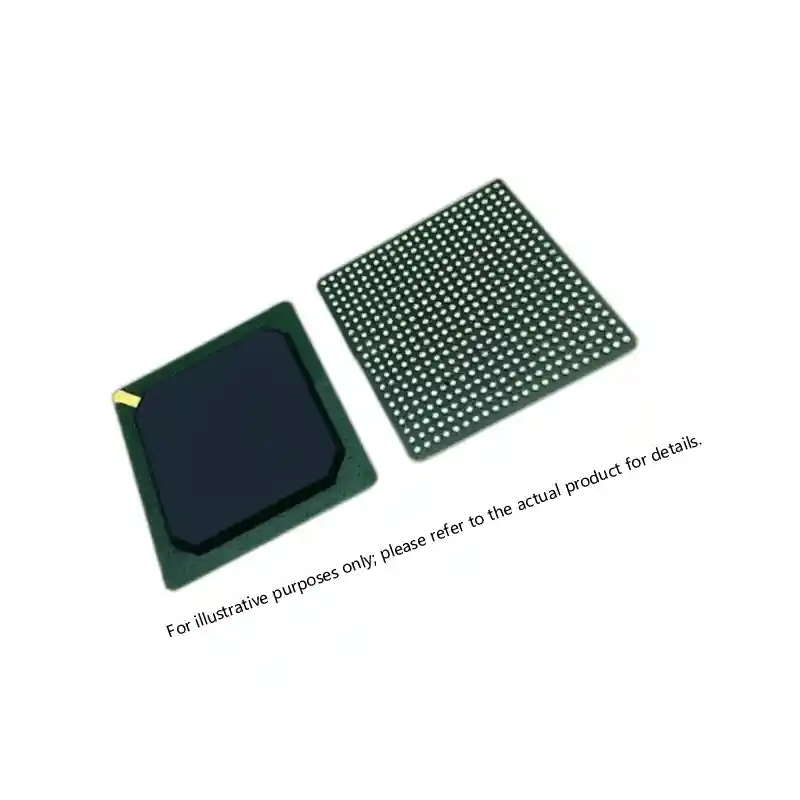
Receiving a shipment of converters doesn’t end your responsibility—it begins it. Start with the Certificate of Conformance: it must list the manufacturer, part number, lot code, date code, and the applicable military specification (e.g., MIL‑PRF‑38535 or QML‑class). Any mismatch is a red flag.
For high‑value ADCs, additional verification steps are prudent:
1. Visual inspection under magnification for surface finish, marking consistency, and lead condition.
2. X‑ray inspection to confirm die placement, bonding, and absence of rework signs.
3. Sample lot testing against key datasheet parameters.
In our own incoming inspection, we’ve caught converters with correct external markings but internal die that didn’t match the OEM reference—a clear counterfeit. Those parts would have passed a visual check and even a quick functional test, but they wouldn’t survive temperature cycling or radiation exposure.
What should a Certificate of Conformance include for a MIL‑SPEC ADC?
A valid C of C must contain the manufacturer name and CAGE code, complete part number (including suffix and package code), lot date code, quantity shipped, the military specification the part is qualified to (e.g., MIL‑PRF‑38535 or 5962‑series), a statement of compliance signed by an authorized representative, and traceability data linking this lot to the manufacturer’s shipment records. If any of these elements is missing, request a corrected document before accepting the parts.
How do I identify a counterfeit data converter before installation?
Counterfeit converters often show subtle signs: slightly lighter or darker package mold compound, laser‑etch markings that don’t match OEM font or alignment, or pins with re‑plating evidence. X‑ray comparison with a known good unit can reveal die‑size or bond‑wire pattern discrepancies. If in doubt, send a sample to a third‑party lab for decapsulation analysis.
Managing ADC/DAC Supply Across a Program’s Life
Even a perfect ADC in today’s design can become a production‑stopper three years later. Many high‑speed data converters enjoy long production runs, but when a part goes end‑of‑life, the consequences are severe—redesign, requalification, and schedule delays.
The best defense is an early‑warning system. When I review a customer’s BOM for a long‑duration radar program, I check every converter against manufacturer EOL notices and known fab transitions. If a part is nearing end‑of‑life, we discuss options: a last‑time‑buy (LTB) to cover remaining production, die‑banking for long‑term wafer storage, or identifying a pin‑compatible alternate source. One program we supported secured an LTB for 1,000 units of a 12‑bit DAC just six weeks before the manufacturer closed the order book, avoiding a six‑figure redesign.
What options exist when a critical ADC goes end‑of‑life mid‑program?
First, assess how many units the remaining builds require and whether any after‑market demand exists. Then, negotiate an LTB with the OEM or authorized distributor. Simultaneously, evaluate drop‑in replacements—some manufacturers offer pin‑compatible upgrades. If no drop‑in exists, consider die‑banking: purchasing and storing wafers or finished die for future packaging, though this adds cost and long‑term storage complexity.
Securing Your MIL‑SPEC ADC/DAC Supply
Sourcing MIL‑SPEC data converters is rarely about finding the lowest price; it’s about building a supply chain that eliminates doubt. In our experience, programs that invest in upfront supplier vetting and lifecycle planning avoid the worst disruptions downstream—from a line‑down to a failed audit.
Whether you need a one‑time prototype batch or a production‑scale delivery, verify our capabilities. Send your part number and quantity requirements to xuansc2144@gmail.com. Our team will respond with a compliance package that includes current availability, lead time, and lot‑level traceability documentation, so you can proceed with confidence.
Key Procurement Questions for MIL‑SPEC ADCs and DACs
What’s the real difference between QML Class Q and /883B screening for ADCs?
QML Class Q offers a higher level of assurance because it certifies the manufacturer’s production line under MIL‑PRF‑38535, including ongoing reliability audits. /883B screening is a set of component‑level tests that can be performed by any qualified lab. For high‑reliability space and defense applications, the pedigree of Class Q parts usually outweighs the flexibility of /883B screens.
How can I ensure a batch of ADCs isn’t counterfeit without third‑party testing?
Start with internal checks: compare visual markings and package mold compound against a known good unit, perform X‑ray comparison of internal layout, and run sample electrical tests. Then cross‑reference the lot code and date code with the manufacturer’s shipment records. A distributor that provides full lot‑level traceability simplifies these steps dramatically.
What lead times should I budget for high‑speed DACs?
Standard factory lead times for high‑speed DACs often range from 20 to 26 weeks. In contrast, common MIL‑spec variants held in distributor inventory can ship within 2‑4 weeks. If your program has a fixed qualification schedule, confirm part availability before freezing the BOM—we’ve seen lead times stretch to 40 weeks during fab‑capacity crunches.
Is aging‑from‑date‑of‑manufacture a concern for data converters?
Moisture sensitivity and solderability can degrade over time, especially for BGA packages. Most distributors control storage conditions and can provide a solderability certificate for lots older than two years. Aging itself is not a reliability concern, but request solderability verification if a lot has been stored for an extended period.
Do I need to test every ADC I receive, or is sample testing enough?
Unless your program requires 100% screening, sample lot testing is standard. Choose a statistically significant sample—for example, AQL 0.65 for high‑value parts—and test key parameters like DC offset, gain, SINAD, and ENOB. If any sample fails, escalate to 100% testing for that lot. If your program has specific testing requirements, share your protocols with us at xuansc2144@gmail.com and we’ll confirm our verification capabilities.
If you’re interested, check out these related articles:
XC7VX485T FPGA: Virtex-7 Performance for Defense
Virtex-7 XC7VX690T: Performance, Reliability, and Integration
XCKU085 UltraScale FPGA: Performance for Critical Systems
Virtex-7 690T FPGA: Performance for Mission-Critical Systems
Virtex-7 690T FPGA: Performance, Packaging, and Reliability Insights