MIL-STD-1553 IC Supplier Guide for Avionics Buyers
Table of Contents
- What Do MIL-STD-1553 Bus Controller and Remote Terminal ICs Do?
- How Do You Match a MIL-STD-1553 IC Supplier to Your Avionics Program?
- Which Devices Should a MIL-STD-1553 IC Supplier Screen Before Quoting?
- Why Does Traceability Change the MIL-STD-1553 IC Sourcing Decision?
- What Should You Ask a MIL-STD-1553 IC Supplier Before Committing?
- What Questions Do Avionics Buyers Ask a MIL-STD-1553 IC Supplier?
- What is the difference between MIL-STD-1553A and 1553B?
- Can I use a commercial 1553 transceiver in a military avionics platform?
- How far in advance should I source MIL-STD-1553 ICs for a long-running program?
- What documentation should accompany MIL-STD-1553 ICs?
Defense avionics programs do not fail because of the 1553 bus concept; they stall when the wrong MIL-STD-1553 IC supplier ships a part that looks right on paper but cannot survive a source inspection or a documentation audit. I have spent over twelve years sourcing bus controller, remote terminal, and monitor terminal parts from Holt, DDC, and the secondary MIL-SPEC market. The selection of a MIL-STD-1553 IC supplier should start with three decisions: protocol variant, terminal function, and evidence chain.
What Do MIL-STD-1553 Bus Controller and Remote Terminal ICs Do?
A MIL-STD-1553 data bus links avionics boxes over a two wire and often transformer coupled redundant channel at 1 Mbps with Manchester II encoding. Three terminal types exist. The bus controller initiates command and response sequences. Remote terminals answer only when addressed. Monitor terminals listen without responding. The IC set splits into protocol devices, transceivers, and transformer modules. Many designs pair a protocol device with a separate HI-1573 type transceiver and MIL-M83421 pulse transformer modules. At quote stage, a bus controller chip cannot replace a remote terminal chip, and a transceiver alone will not close the command response loop. Treat the terminal function as a first order part number requirement, not an interchangeable bus part.
How Do You Match a MIL-STD-1553 IC Supplier to Your Avionics Program?
Most MIL-STD-1553 IC supply failures I have seen are documentation failures, not electrical ones. Parts arrive in spec but the lot trace, conformance paperwork, or manufacturer authorization trail is incomplete. That creates an audit problem for a defense program even when the device works. I look for three things in a supplier before I check price. First, can they state the exact source lot and date code for the exact quantity quoted? Second, do they understand the difference between a single function transceiver and a full BC/RT/MT protocol part, or are they only matching part numbers? Third, will they hold quantity while the documentation is being reviewed? A distributor who cannot answer these questions adds cost even when the unit price looks low. In one avionics sustainment order, three suppliers quoted the same BU-61580 part number. The cleanest lot history won, not the lowest quote.
If your program involves transformer coupled bus channels or redundant 1553B segments, it is worth confirming the approved source lot and test history before finalizing the BOM. Send the part number and quantity to xuansc2144@gmail.com and we will check stock, lot date, and paperwork in one pass.
Which Devices Should a MIL-STD-1553 IC Supplier Screen Before Quoting?
For current procurement, I keep the screening list short. Single chip BC/RT/MT devices such as the HI-8444 family and BU-61580 family cover most new 1553B designs. HI-1573 type transceivers and HI-3585 encoder/decoder parts fill legacy and mixed signal chain duties. When a program needs a qualified module rather than a chip, the M83421/06 series pulse transformer modules and similar flatpack assemblies simplify board design but reduce second source flexibility. The part numbers are a filter. The actual bid should be controlled by terminal function, package, and temperature grade from the program BOM. A part number alone can hide an industrial temperature part substituted for a military temperature part.
| Function | Representative Part Families | Procurement Check |
|---|---|---|
| Single chip BC/RT/MT | HI-8444, BU-61580 | Confirm dual redundant 1553B operation and terminal roles |
| Bus transceiver | HI-1573 | Verify transformer coupled output and receive thresholds |
| Encoder/decoder | HI-3585 | Confirm Manchester encoding and logic levels |
| Pulse transformer module | M83421/06 series | Match stub length, turns ratio, and insertion loss |
| Line filter/transformer | HLP-6015 | Confirm isolation and termination network compatibility |
Why Does Traceability Change the MIL-STD-1553 IC Sourcing Decision?
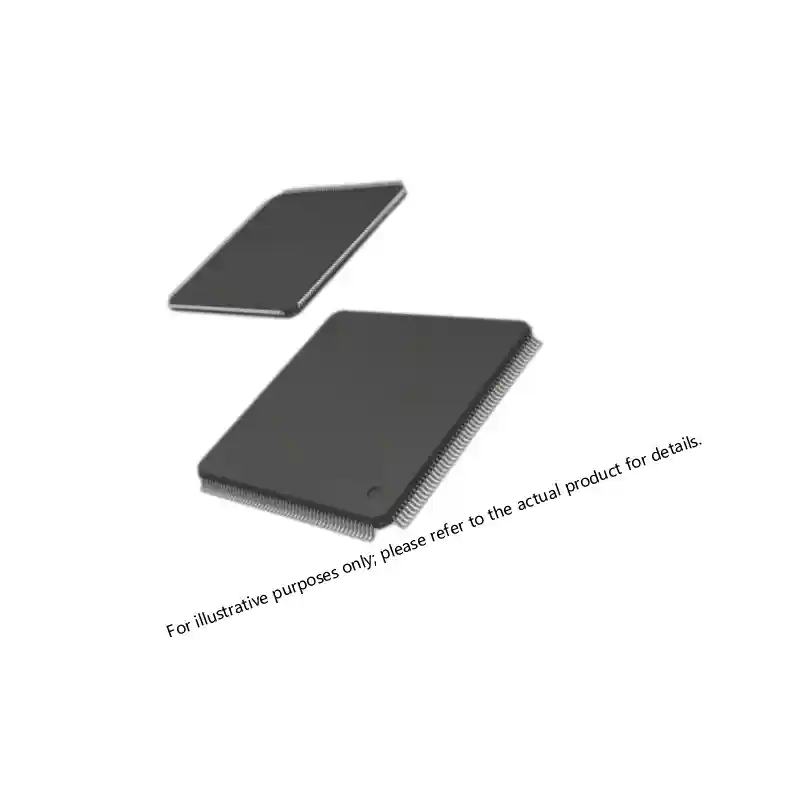
A 1553 bus controller or remote terminal IC is not a commodity where any working part is acceptable. Avionics qualification records tie the part to a specific manufacturer lot, an approved source, and a set of environmental and electrical screening results. When a secondary distributor cannot reconstruct that chain, the part may still be genuine but not usable for a qualified program. Traceability reduces buyer risk during source inspection, corrective action, and program audits. I have seen a working low price quote rejected because the supplier could not show a continuous purchase record from an approved manufacturer or franchised source. The consequence is specific: the buyer either pays for retest, accepts a lot waiver risk, or removes the part from the approved BOM. None of those outcomes saves money.
What Should You Ask a MIL-STD-1553 IC Supplier Before Committing?
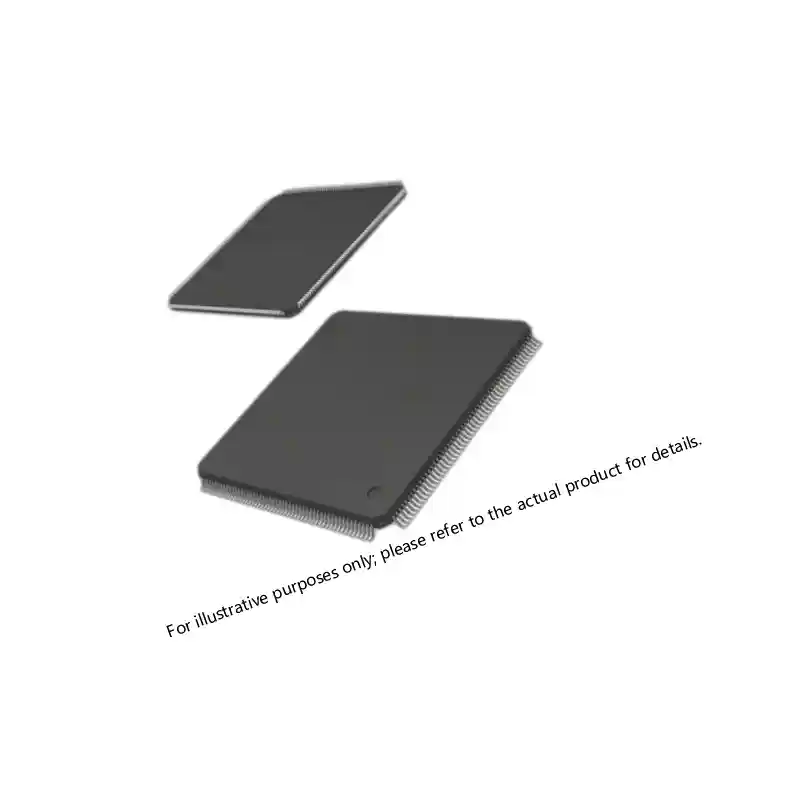
Generic quote requests such as “need 1553 IC pricing” create a long clarification loop. A precise request should state the terminal function (BC, RT, or monitor terminal), protocol variant (1553B dual redundant or legacy 1553A), package and temperature grade, required quantity and target date, and the compliance evidence your program needs. Those five fields let a supplier return stock availability, lot history, and documentation status without repeated emails. At Sparkle Electronics, I review these requests against our MIL-SPEC and QML qualified inventory, including single board and module options. For a specific MIL-STD-1553 IC requirement, send the part number, terminal type, and quantity to xuansc2144@gmail.com and we will confirm stock and paperwork before you commit.
What Questions Do Avionics Buyers Ask a MIL-STD-1553 IC Supplier?
What is the difference between MIL-STD-1553A and 1553B?
1553B is the current default for most avionics programs and defines a dual redundant transformer coupled bus with command response message formats. 1553A is the older single bus variant, mainly found on legacy platforms and test benches. The protocol and addressing rules differ enough that a 1553A device should not be substituted into a 1553B design without a full review. When you request a quote, state the standard letter and any program specific terminal address or handshaking requirements.
Can I use a commercial 1553 transceiver in a military avionics platform?
A commercial part with the same pinout may function on a bench, but it usually lacks the military temperature range, screening, lot traceability, and documentation required for an avionics program. The cost of upscreening and qualification often exceeds any unit price advantage. Unless the program has a written commercial to military screening path and accepts the added risk, the better route is a MIL-STD-1553 IC from an approved source lot. The decision should sit with engineering, quality, and procurement together.
How far in advance should I source MIL-STD-1553 ICs for a long-running program?
It depends on device type and manufacturer allocation. Single chip BC/RT/MT parts and common transceivers can sometimes ship from distributor stock within days. Specific package variants, military temperature grades, or qualified module configurations may sit outside factory allocation for 12 to 26 weeks. For programs facing last time buy or obsolescence, I recommend placing a hold on authorized stock before the final BOM release. Early part number submission gives the supplier time to confirm lot and test history.
What documentation should accompany MIL-STD-1553 ICs?
In avionics programs we manage, the baseline is a certificate of conformance, lot and date code, test reports where applicable, and a signed chain of custody from the supplier back to the approved source. For QML devices, the program may also ask for the SMD number, manufacturer qualification status, and screening records. The documentation package should match the specific part number and quantity shipped, not a generic quality statement. Share your part number and compliance requirement at xuansc2144@gmail.com and we will confirm what can be supplied before you order.
If you’re interested, check out these related articles:
Virtex-7 XC7VX690T: Performance, Reliability, and Integration
Virtex-7 690T FPGA: Performance, Packaging, and Reliability Insights
A1020B-PG84B ACT2 FPGA: Specs, Sourcing, and Availability
Virtex-7 690T FPGA: Performance for Mission-Critical Systems