Military-Grade ICs for Secure Communications Encryption
Table of Contents
- What Do Military-Grade ICs for Secure Communications Need to Deliver?
- Which ICs Sit in a Secure Communications Signal Chain?
- What Sourcing Risks Undermine Encryption Hardware?
- How Do You Verify Traceability Before Shipment?
- How Do You Plan Long Term Supply for Secure Communications ICs?
- What Questions Do Buyers Ask About Secure Communications ICs?
- Do encrypted systems always need QML-qualified components?
- Can commercial-grade parts work in encrypted military links?
- What documents should I require with a secure communications BOM?
- How do you check a military-grade IC for authenticity before purchase?
Military-grade ICs for secure communications carry a different failure threshold than standard commercial parts. In an encrypted link, a marginal ADC or a poorly traced FPGA can degrade the exact properties the crypto path depends on: deterministic timing, low noise, and verifiable chain of custody. I treat these components as a system constraint, not a parts list. The right sourcing decision means locking compliance, lifecycle, and anti-counterfeit controls before the design freezes. The sections that follow cover what encryption demands from hardware, which ICs matter, where sourcing risk hides, and how to maintain supply across long programs.
What Do Military-Grade ICs for Secure Communications Need to Deliver?
Encryption hardware is not only about algorithm throughput. The surrounding ICs have to hold timing, noise, and environmental limits that a commercial board can tolerate. If a clock buffer adds jitter, the FPGA may still route packets but the receiver can lose symbol alignment. If an ADC has poor spurious-free dynamic range, weak signals fall below detection before decryption begins. I have seen a design where the FPGA was chosen for logic density, but the board failed crypto synchronization because a commercial-grade clock buffer introduced more jitter than the serializer could absorb. The fix was not in code. The fix was replacing the clock tree with parts rated over temperature and verified for phase noise.
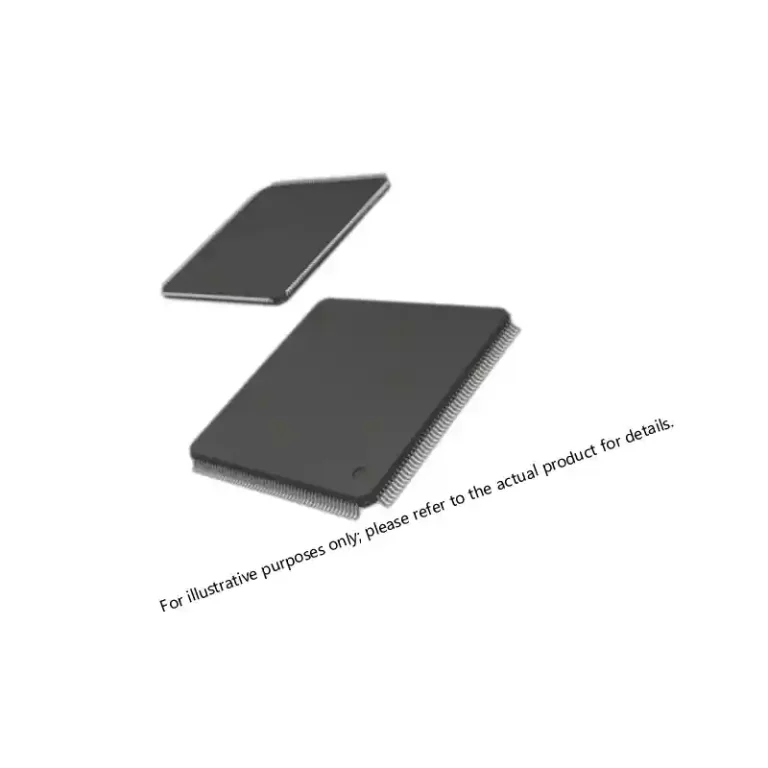
Military-grade ICs for secure communications therefore need more than a datasheet temperature range. I look for QML or 5962-series parts where the program mandates them, hermetic or properly sealed packages, and test limits that cover the exact operating corner. Supply documentation matters as much as electrical parameters. A lot without a continuous chain from manufacturer to final test is a risk that no amount of incoming inspection can fully retire.
Which ICs Sit in a Secure Communications Signal Chain?
In a typical encrypted radio or network terminal, I separate the signal chain into five blocks. Each block has a different failure signature and a different qualification path.
| Function | Typical ICs | What I Check |
|---|---|---|
| Cryptographic processing and framing | QML or 5962-class FPGAs, secure SoCs, dedicated encryption processors | Key storage, secure boot, speed grade over temperature |
| High speed data conversion | High resolution ADCs and RF DACs | Sampling jitter, SFDR, ENOB, power supply rejection |
| RF and signal conditioning | GaAs LNAs, GaN power amplifiers, frequency synthesizers | Noise figure, linearity, wideband performance |
| Interface and bus | MIL-STD-1553 transceivers, RS-422 and RS-485 line drivers, LVDS | Bus timing, ESD rating, hermetic seal |
| Memory for key and boot code | EEPROM, battery-backed SRAM, MRAM | Write endurance, data retention, anti-tamper |
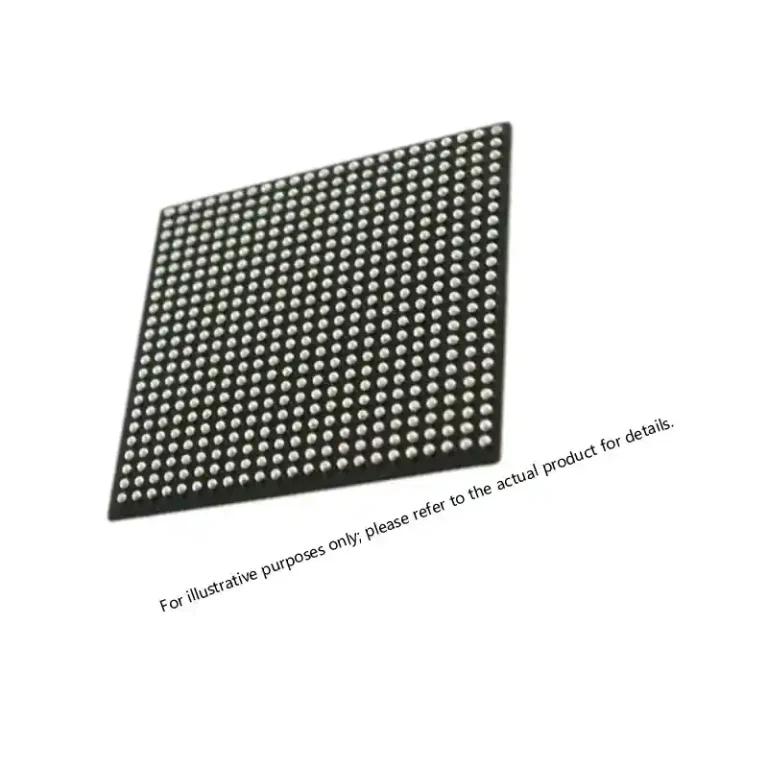
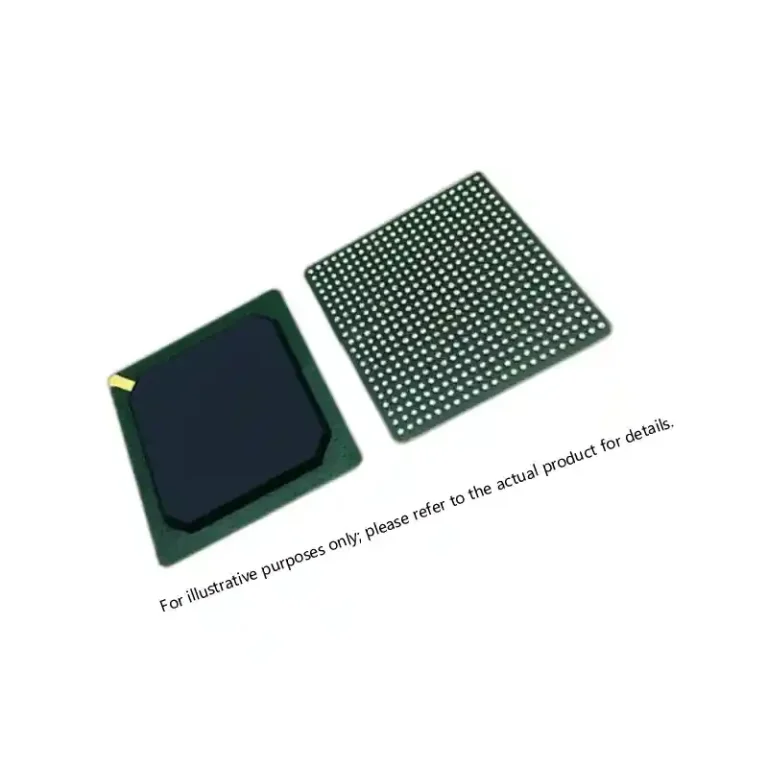
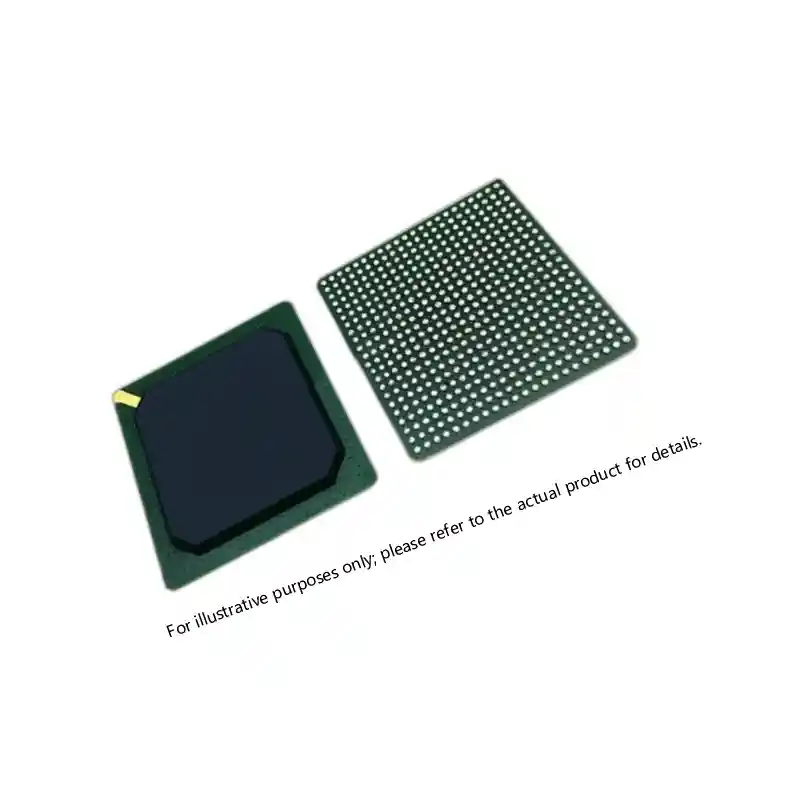
Flash-based FPGAs such as the SmartFusion2 family are useful in secure communications because they do not rely on an external bitstream in the same way as SRAM-based parts. That difference changes the threat model. An SRAM FPGA with an encrypted bitstream may be acceptable, but the key storage and configuration path must be protected. The IC selection decision is not isolated to the main processor. It extends to the converter clocks, bus transceivers, and memory devices that sit on the same board.
What Sourcing Risks Undermine Encryption Hardware?
Counterfeit and mixed-source lots are the most direct threat. A secure communications board may pass functional test at room temperature and still fail in the field if the date code, die revision, or test limits differ from the approved source. I have rejected a lot of RS-422 transceivers because the supplier could not show a single unbroken chain from the original manufacturer to final test. The quote was lower. The program risk was not.
Three risks repeat in this category. Unverified date codes hide long storage history that alters solderability and moisture sensitivity. Refurbished or remarked parts can pass simple optical checks. Parts from different wafer lots may carry different bias and phase noise behavior even when the part number matches. For encryption boards, that variance is not acceptable because link margin is already tight.
If your program involves encrypted links with strict bit error rate or synchronization margins, verify the exact lot before freezing the bill of materials. Send your part list and required date codes to xuansc2144@gmail.com and we can check availability with traceability records.
How Do You Verify Traceability Before Shipment?
For 5962-series and QML parts, I start with the part number itself. The 5962 format encodes the specification, device type, case outline, and lead finish. If the marking does not match the expected case outline, I stop. Next, I check the certificate of conformance and the lot traveler. The certificate should tie the manufacturer lot, date code, and test flow to the exact components. When the program requires it, I request QML test reports and any additional screening results.
Physical inspection comes after documentation. We look at package marking, lead condition, and the external seal. For high risk parts we arrange x-ray and decapsulation analysis when the budget permits. I do not treat a clean photo as proof of authenticity. The paper trail and the physical part have to match.
How Do You Plan Long Term Supply for Secure Communications ICs?
Encrypted communications programs can run for a decade or more. The component that was easy to source at prototype becomes difficult in year six. I build two lines of defense. The first is a qualified alternate source. For FPGAs, that may mean approving both a flash-based and an SRAM-based option with pin-compatible or board-compatible footprints. The second is a controlled buffer stock for devices with long lead times or limited remaining production.
When an FPGA family approaches end of life, the decision is not just whether to buy the remaining inventory. The team must know the exact revision and speed grade the firmware was qualified against. Buying a slower or different die revision can create a silent timing failure months into the program. I have seen that happen in secure waveform builds where the replacement part matched the part number but not the internal timing characteristics.
Supply planning for military-grade ICs in secure communications works best when the sourcing partner carries traceability records, test documentation, and alternate part knowledge. If your next build needs encrypted link components, send the part numbers and quantities to xuansc2144@gmail.com or call our Hong Kong sourcing desk. We will confirm stock, lot availability, and the compliance documents you need before you commit.
What Questions Do Buyers Ask About Secure Communications ICs?
Do encrypted systems always need QML-qualified components?
No, not every part in a secure communications system needs QML qualification. The requirement follows the program specification. If the drawing calls for MIL-PRF-38535, a QML device or an appropriately tested 5962 part is the cleanest choice. If the program permits controlled commercial parts, I still want full lot traceability and environmental test data. QML matters most for parts that directly affect encryption, clocking, or key storage.
Can commercial-grade parts work in encrypted military links?
A common assumption is that commercial parts are automatically unsuitable for secure communications. That is not true. Some functions, such as certain interface chips, can work if the program accepts the commercial temperature range and screening flow. But the burden is higher. You need to prove the part behaves the same across the operating environment. For crypto processing, converters, and clocking, I would not start from a commercial part unless the program explicitly permits upscreening.
What documents should I require with a secure communications BOM?
It depends on the acquisition path and the part class. For QML parts, request the certificate of conformance, lot traveler, and test reports. For JANTX and JANTXV discretes, the military packaging and screening documentation should follow the lot. For controlled commercial parts, I ask for manufacturer date codes, country of origin, and a traceability statement. If the distributor cannot produce these records, do not accept the quote at face value.
How do you check a military-grade IC for authenticity before purchase?
In the lots I review, the first check is paper before silicon. I compare the part marking against the 5962 or QML format and confirm the case outline. Then I trace the date code and lot number to the manufacturer documentation. Physical inspection follows: lead condition, package seal, and sometimes x-ray. A part that fails any of these steps does not enter the supply chain. For a specific lot, send the part number and date code to xuansc2144@gmail.com and we will confirm what records are available.
If you’re interested, check out these related articles:
Virtex-7 690T FPGA: Performance, Packaging, and Reliability Insights
Virtex-7 XC7VX690T: Performance and Reliability Insights
XC7VX485T FPGA: Virtex-7 Performance for Defense